


A cluttered office can subtly erode productivity in ways that often go unnoticed. Employees navigating around piles of outdated equipment or unwanted furniture expend mental energy in addition to physical effort, reducing their capacity to focus on meaningful tasks. By systematically removing unnecessary items, businesses create open spaces that encourage better workflow and collaboration. Office junk removal does more than tidy up; it reshapes the workspace to foster efficiency and clarity. When employees feel less encumbered by their environment, their creativity and problem-solving skills have room to flourish. A well-organized office contributes not only to immediate productivity but also supports long-term operational excellence by creating an environment where every square foot is purposefully utilized.
Moreover, the process of junk removal can highlight overlooked inefficiencies. Clearing out obsolete electronics, broken office furniture, and redundant storage can reveal hidden opportunities for workflow improvement. It also allows management to evaluate the functionality of the office layout, ensuring that frequently used tools and spaces are optimally arranged. Beyond aesthetics, a decluttered office can enhance morale by signaling a commitment to employee comfort and efficiency. This attention to space management ultimately cultivates a workplace culture where organization, clarity, and productivity coexist seamlessly, making the office not just cleaner but smarter and more supportive of its occupants’ professional growth.
Promoting Health and Safety in Office Environments
Health and safety are critical considerations that extend beyond compliance regulations. Offices overloaded with junk can become breeding grounds for dust, mold, and other allergens, compromising air quality and contributing to employee sickness. Removing accumulated debris and outdated materials reduces these hazards significantly. Additionally, clear pathways and uncluttered areas minimize the risk of slips, trips, and falls, creating a safer environment for employees and visitors alike. Junk removal, therefore, functions as a preventive strategy, safeguarding not only the physical health of personnel but also their overall well-being and peace of mind. In this sense, the process is proactive rather than reactive, addressing potential problems before they escalate.
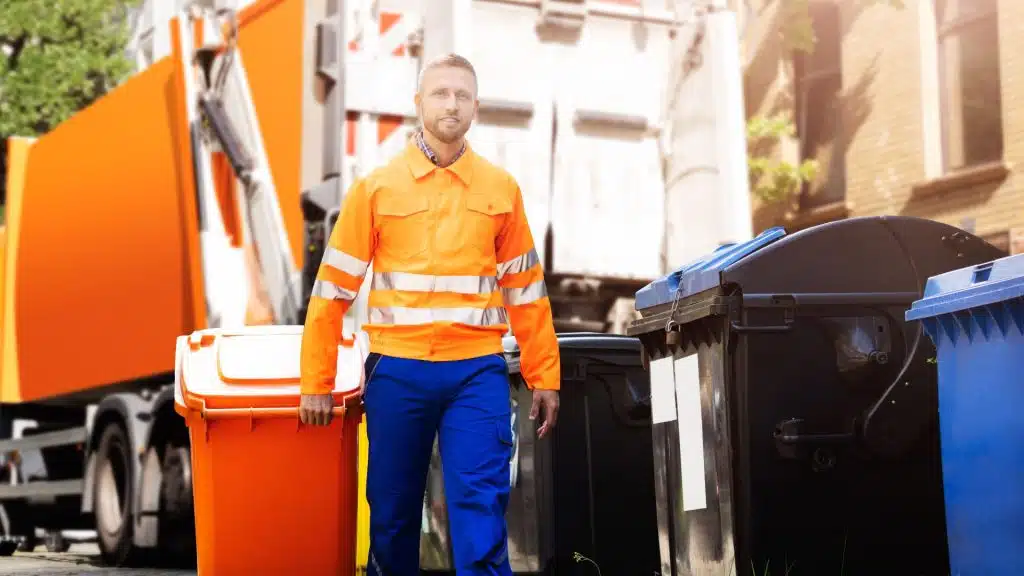
Beyond physical health, office junk removal also impacts mental well-being. A cluttered workspace can cause stress, anxiety, and distraction, hindering focus and job satisfaction. By eliminating unnecessary items, organizations can cultivate a serene and organized environment that supports mental clarity. Employees working in spaces free from visual chaos tend to experience reduced stress levels and increased engagement with their tasks. This investment in both physical and mental health demonstrates that office cleanup is not merely cosmetic but an essential component of a holistic approach to workplace wellness, ensuring that employees can perform at their best in safe and supportive surroundings.
Sustainable Practices Through Responsible Disposal
Office junk removal is increasingly aligned with sustainability goals as businesses recognize the importance of environmental responsibility. Disposing of old electronics, furniture, and office materials in an eco-conscious manner can significantly reduce landfill waste. By partnering with services that prioritize recycling and donation, offices contribute positively to the community while reducing their ecological footprint. This approach transforms junk removal into a socially responsible activity, highlighting a commitment to sustainable business practices. Not only does this reduce waste, but it also fosters a corporate culture that values environmental stewardship, encouraging employees to consider sustainability in their day-to-day operations.
Furthermore, responsible disposal of office materials often involves identifying items suitable for repurposing or donation. Functional furniture, electronics, and office supplies can find new life in other organizations or through charitable channels, extending the usefulness of resources that might otherwise be wasted. This practice not only benefits the environment but also strengthens community ties, creating goodwill and social impact. By embracing sustainability in junk removal, offices set an example for employees, clients, and partners, demonstrating that environmental consciousness and operational efficiency can coexist harmoniously. This integration of eco-friendly practices ensures that office decluttering contributes meaningfully to both organizational and societal well-being.
Cost Efficiency and Resource Management
The financial implications of office junk accumulation are often overlooked. Storing outdated equipment and unnecessary furniture consumes valuable space that could otherwise be used for operational activities, potentially increasing overhead costs. By removing such items, businesses can optimize their real estate usage, reduce storage expenses, and allocate resources more effectively. Additionally, regular junk removal prevents long-term damage and deterioration of the office environment, potentially saving on maintenance and repair costs. Viewing junk removal as an investment rather than an expense helps businesses maximize their operational budget while maintaining a functional and organized workspace.
Moreover, efficient resource management extends beyond physical space. By cataloging and removing outdated technology, offices can streamline IT resources, ensuring that current equipment is used effectively. This practice also minimizes the risk of misplacing important documents or assets amidst clutter, improving overall asset management. In turn, employees spend less time searching for tools and information, directly enhancing productivity. Cost savings, coupled with improved operational efficiency, make junk removal a strategic activity rather than a purely aesthetic one. It underscores how thoughtful management of space and resources can yield measurable financial and functional benefits over time.
Facilitating Smooth Office Transitions
Office relocations, renovations, or expansions are complex undertakings that benefit greatly from proactive junk removal. Removing unwanted items ahead of a move ensures that only necessary and functional equipment is transported, streamlining packing, logistics, and setup in the new location. This preparation reduces downtime and minimizes disruption to business operations, allowing staff to resume work more quickly. By addressing junk removal as part of a transition plan, companies can achieve a smoother, more organized, and less stressful relocation process, setting the stage for continued productivity in the new environment.
Additionally, renovations often uncover outdated infrastructure and accumulated clutter that can obstruct construction or redesign efforts. Preemptively clearing these items provides contractors and design teams with unobstructed access, ensuring that projects stay on schedule and within budget. It also creates an opportunity to assess which office assets are truly necessary, fostering more intentional planning and space utilization in the redesigned workspace. By integrating junk removal into the early stages of office transitions, organizations can maintain operational continuity while optimizing the potential of the new or renovated space for employee efficiency and satisfaction.
Boosting Employee Morale and Engagement
The state of the physical environment profoundly influences employee morale and engagement. A clean and organized office communicates respect and care for employees’ working conditions, which can lead to higher levels of satisfaction and motivation. Junk removal contributes directly to this by eliminating clutter that may otherwise create frustration or distraction. When employees perceive that their workspace is thoughtfully maintained, they are more likely to invest energy and enthusiasm in their work. This positive environment also encourages collaborative behavior and fosters stronger team dynamics, as employees are free to interact without physical barriers or impediments.
Moreover, engaging employees in the process of decluttering can have additional morale benefits. Participatory initiatives where staff can help identify surplus items for removal or recycling empower them to influence their work environment actively. This sense of involvement promotes ownership and accountability, reinforcing a culture where every individual contributes to a cleaner, more functional workspace. Beyond immediate productivity gains, the psychological effect of working in a thoughtfully organized and clutter-free office can lead to sustained employee satisfaction, engagement, and loyalty, making junk removal a key component of workforce management.
Technology and Data Security Considerations
Junk removal in offices often involves dealing with sensitive electronic equipment, outdated computers, and storage devices that contain confidential information. Proper handling of these materials is essential to prevent data breaches and ensure compliance with privacy regulations. Professional junk removal services not only manage disposal efficiently but also implement secure methods for destroying data and recycling electronics. This safeguards the organization from potential security risks and legal liabilities, transforming junk removal into a critical element of operational risk management rather than a routine cleaning task.
Furthermore, the removal of obsolete technology creates opportunities to update systems and integrate newer, more efficient equipment. This technology refresh can improve workflow, reduce energy consumption, and enhance overall office performance. Secure disposal combined with strategic upgrades ensures that businesses maintain both data integrity and operational efficiency. By recognizing the dual importance of environmental responsibility and information security, office junk removal transcends traditional cleaning tasks and becomes an integral part of maintaining a resilient, technologically sound, and legally compliant workplace.
Supporting Corporate Image and Client Perception
The appearance of an office sends a strong message to clients, partners, and visitors. A cluttered, disorganized environment can inadvertently convey inefficiency or lack of professionalism. By contrast, an office that has undergone thorough junk removal demonstrates attentiveness, organizational skills, and a commitment to quality. This visible attention to detail can influence client perception positively, reinforcing trust and confidence in the business. Junk removal therefore not only benefits internal stakeholders but also functions as a strategic tool for managing external reputation and strengthening professional relationships.
Beyond aesthetics, a sustainable and socially responsible approach to junk removal can further enhance corporate image. Businesses that prioritize recycling, donations, and eco-friendly disposal methods signal ethical and community-conscious values. This approach resonates with environmentally aware clients and partners, creating additional goodwill and potential business advantages. In essence, office junk removal serves a dual purpose: improving functional and operational efficiency while projecting a professional, responsible, and conscientious image to the wider community. Such practices contribute to long-term brand strength and client loyalty.
Streamlining Compliance and Regulatory Requirements
Certain office items, particularly electronics and hazardous materials, must be disposed of according to specific environmental and safety regulations. Professional junk removal ensures that these items are handled correctly, reducing the risk of fines or legal complications. Businesses operating without proper disposal protocols may inadvertently violate local, state, or federal regulations, leading to costly repercussions. Implementing a structured junk removal process helps companies remain compliant while maintaining operational efficiency. Compliance becomes an integrated part of office management, rather than a last-minute consideration during cleanup.
Additionally, documenting removal and disposal processes can provide evidence of compliance during inspections or audits. This documentation demonstrates a commitment to responsible practices and accountability, reinforcing the company’s reputation for integrity. It also supports internal audits, sustainability reporting, and corporate governance initiatives. By aligning junk removal with regulatory requirements, organizations not only protect themselves legally but also cultivate a culture of conscientious management, ensuring that every aspect of office cleanup supports both operational and ethical standards.
Encouraging Long-Term Organizational Efficiency
Regular junk removal establishes a culture of ongoing efficiency and organization within office spaces. By routinely evaluating the necessity of stored items and eliminating what is no longer useful, businesses prevent clutter from accumulating and maintain functional work environments. This proactive approach fosters a sense of discipline and attention to detail, enhancing overall operational performance. Long-term efficiency emerges as employees adapt to working in organized spaces, streamlining processes, and reducing wasted time and effort.
In addition, consistent junk removal provides opportunities for continuous improvement in office layout, asset management, and resource utilization. Organizations can track patterns in accumulated waste or obsolete items, gaining insights that inform future operational decisions. This iterative process ensures that office spaces evolve in response to changing business needs, maintaining a balance between functionality and aesthetics. By embedding junk removal into routine organizational practices, companies safeguard long-term efficiency, workplace satisfaction, and adaptability, demonstrating that office cleanup is a strategic, enduring investment rather than a one-time task.
Conclusion
Investing in professional junk removal transforms office spaces beyond mere tidiness, enhancing productivity, health, sustainability, and operational efficiency. By addressing clutter systematically, businesses create environments that foster employee engagement, secure data handling, and regulatory compliance. The ripple effects of organized spaces extend to improved client perception, smoother transitions, and long-term organizational resilience. Prioritizing office junk removal signals a commitment to both internal stakeholders and external audiences, ensuring that every aspect of the workspace supports optimal performance and professional credibility.
For businesses in Palatine, IL, 24-7 Junk Removal offers comprehensive junk removal services tailored to office needs. Their experienced team manages the safe and eco-friendly disposal of all office materials, including electronics, furniture, and other equipment. By choosing 24-7 Junk Removal, companies can streamline operations, reduce clutter, and enhance workplace well-being. Contact their Palatine office today at (773) 309-6966 or email support@24-7junk.com to schedule a service. With a focus on efficiency, safety, and sustainability, 24-7 Junk Removal ensures that office spaces remain functional, clean, and conducive to success.