

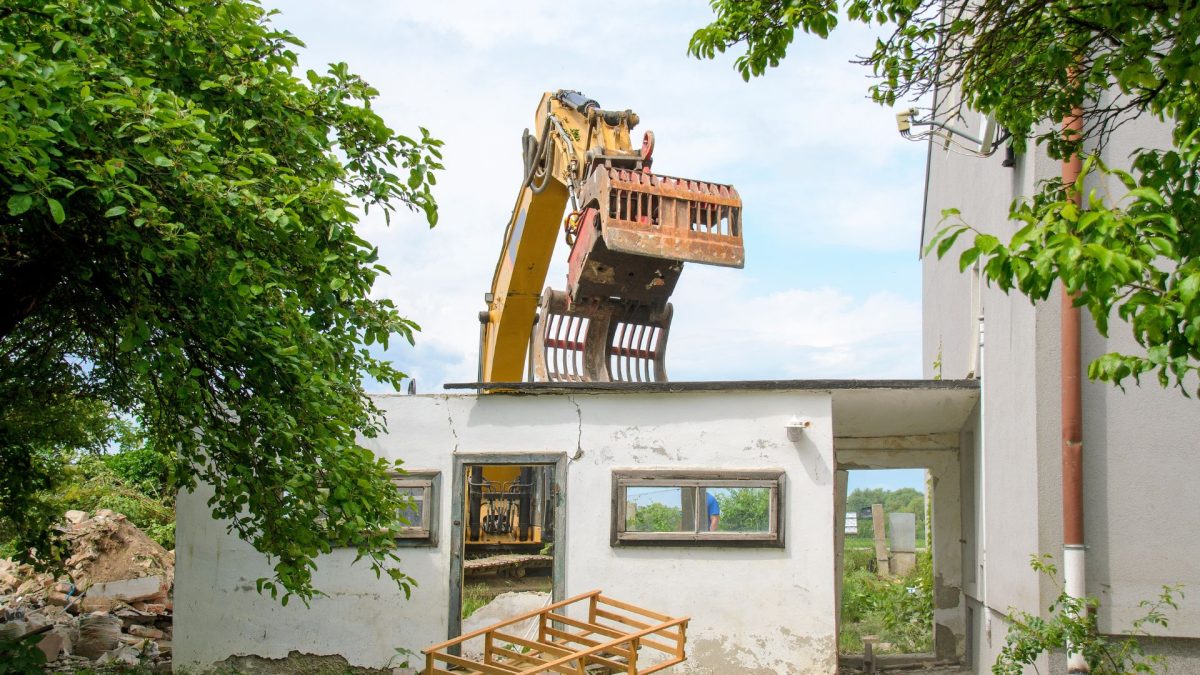
Before picking up a sledgehammer or calling in a team, it’s crucial to take a good look at the shed itself. Observe its structure, noting whether it’s made of wood, metal, or composite materials, and consider how it’s anchored to the ground. Uneven surfaces, nearby trees, or garden equipment can make demolition more complicated. Understanding the shed’s layout and surroundings allows for a demolition plan that minimizes risk and prevents damage to your yard. Clearing away any items stored inside the shed beforehand also reduces hazards during the dismantling process. Think of it as setting the stage; careful preparation now saves time and trouble later.
Next, evaluate potential disposal needs. Old materials like wood, metal, and plastics may require sorting for recycling or proper disposal. Identifying hazards, such as rusty nails or asbestos-containing siding, ensures you can take the right safety precautions. Marking out a safe perimeter around the shed helps protect children, pets, and neighbors during the demolition. Mapping these logistics in advance not only streamlines the physical work but also reduces stress. The right assessment ensures your demolition is controlled, organized, and sets the foundation for an efficient cleanup.
Gathering the Right Tools and Equipment
Proper equipment is essential for both efficiency and safety. Tools like hammers, pry bars, circular saws, and drills are basic requirements, but depending on the shed’s materials, you may need specialized gear such as a reciprocating saw or metal cutters. Safety gear cannot be overlooked—gloves, eye protection, helmets, and sturdy boots reduce the risk of injury. Renting heavier machinery, like a mini-excavator, may be necessary for larger sheds or reinforced structures. Preparation extends beyond gathering tools; it includes ensuring proper disposal containers and tarps are on hand to catch debris.
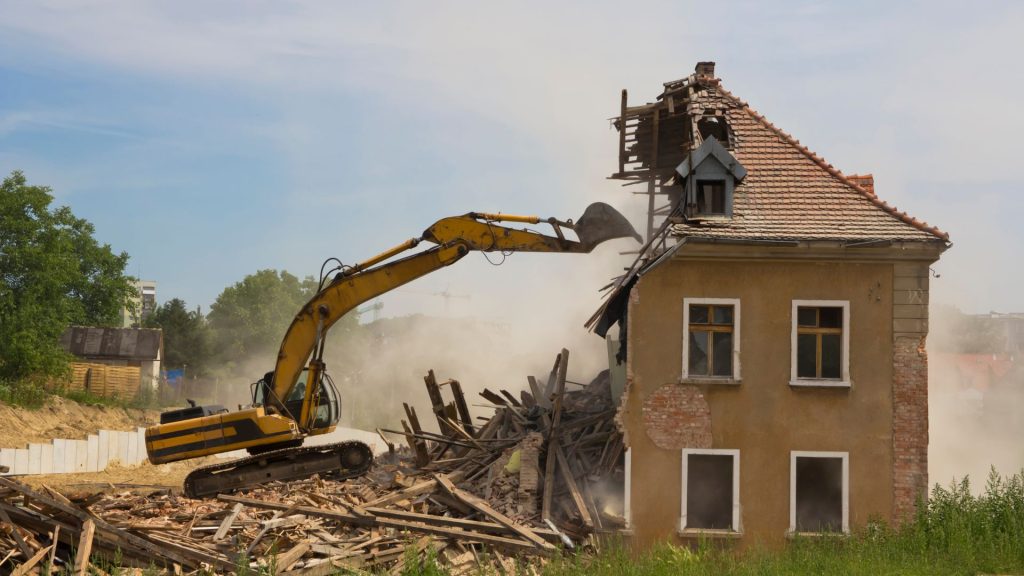
Consider the sequence of demolition when arranging tools. Starting from the roof and moving downward prevents uncontrolled collapses, while having a clear path to remove pieces as they come down avoids cluttered, dangerous spaces. The right combination of tools, protective gear, and organizational planning creates a safer environment and speeds up the process. Equipped and ready, the demolition can proceed smoothly without unexpected interruptions or accidents.
Planning Safety Measures
Demolition is inherently risky, so planning safety measures is vital. Establishing a clear work zone, free from obstructions, is the first step. Signage or temporary fencing can deter bystanders, while ensuring all participants are aware of emergency protocols creates a safer environment. Safety also involves understanding how materials react when broken down—wood splinters, metal shards, or glass panes all require careful handling. Equipping workers with protective gloves, eyewear, and helmets prevents accidents, while long sleeves and durable pants guard against scratches and minor injuries.
Another key aspect is scheduling work during daylight hours to ensure visibility. Avoiding adverse weather conditions, such as rain or high winds, reduces the risk of slips and falling debris. Proper lifting techniques are also important when handling heavy beams or panels. By embedding safety into every stage of your shed demolition, from prep to teardown, you not only protect yourself and others but also make the process more efficient and stress-free.
Removing Hazardous Materials
Many older sheds contain materials that require careful handling. Roofing with asbestos, lead-based paints, or treated wood can pose serious health risks. Identifying these materials before demolition is crucial for choosing the right removal and disposal methods. Professional guidance may be necessary when dealing with toxic substances. Avoid breaking materials that release dangerous dust or chemicals into the air, and store hazardous components separately to prevent contamination.
Proper labeling and containment of hazardous items are essential. For example, sealed containers for chemicals or oils stored in the shed should be removed intact. Following local regulations for disposal ensures legal compliance and environmental safety. By taking these precautions, you prevent accidents, safeguard health, and maintain an environmentally responsible approach during demolition.
Coordinating with a Cleanup Team
After the shed is dismantled, a structured cleanup plan becomes critical. Hiring or coordinating with a professional junk removal service ensures that debris is removed efficiently and safely. These teams bring the right equipment and experience, reducing the stress and physical strain of hauling heavy materials. Scheduling the cleanup in tandem with demolition prevents clutter from accumulating and creates a seamless workflow from teardown to yard restoration.
Communication is key when coordinating with a team. Clearly outlining what materials need disposal, which items are recyclable, and any specific handling instructions streamlines the process. Team members can then work efficiently, saving time and minimizing risk of damage to the surrounding area. Proper coordination transforms a potentially chaotic aftermath into a controlled and orderly cleanup.
Sorting Materials for Recycling and Disposal
An effective demolition plan includes a thoughtful approach to materials. Separating wood, metal, plastic, and other debris not only aids in recycling but also reduces landfill contributions. This organization makes it easier for junk removal teams to transport and process materials appropriately. Creating designated piles for recyclable versus non-recyclable items prevents confusion and speeds up the disposal process.
Furthermore, knowing the local regulations for recycling and waste disposal is essential. Some materials, like metals or certain plastics, can be repurposed or donated. Others, including chemically treated wood or composite materials, may require specific disposal methods. Sorting materials before removal ensures compliance and demonstrates environmental responsibility, making your demolition project both safe and sustainable.
Scheduling and Timing the Demolition
Timing plays a crucial role in efficient shed demolition. Choose a period with favorable weather to avoid complications from rain, snow, or extreme heat, which can affect safety and debris handling. Weekend or off-peak hours may also reduce disturbance to neighbors. Allocate enough time for both demolition and cleanup, accounting for unexpected delays.
Planning the sequence of tasks helps maintain momentum. For example, removing contents and roof structures before walls allows for a safer, step-by-step dismantling. Breaks and hydration should also be scheduled to prevent fatigue-related accidents. By managing timing carefully, the project stays on track, completing the teardown without unnecessary stress or extended disruption.
Preparing the Site for Post-Demolition Use
Once the shed is gone, attention turns to what comes next. Leveling the ground, removing leftover debris, and filling holes or depressions ensures a safe and attractive space. Consider whether you plan to plant grass, build a garden, or construct a new structure, and prepare the site accordingly. Proper post-demolition preparation prevents hazards such as tripping and water pooling.
Site preparation also includes soil testing if you plan to grow plants or establish new foundations. Removing nails, screws, and splintered wood prevents injuries and protects equipment used in future projects. A well-prepared site allows for a smooth transition from demolition to reconstruction or landscaping, turning a cleared area into a usable, safe, and aesthetically pleasing space.
Managing Waste and Environmental Responsibility
Demolition projects generate significant waste, making environmentally conscious practices essential. Separating recyclables, donating usable items, and disposing of hazardous materials correctly minimizes environmental impact. Local recycling centers, hazardous waste facilities, and donation programs can assist in responsible disposal.
Sustainable practices also extend to choosing demolition methods that reduce unnecessary waste. Carefully dismantling rather than smashing structures preserves materials for reuse. Documenting the disposal process ensures accountability and reinforces a commitment to eco-friendly practices. Managing waste responsibly protects the environment while maintaining order and efficiency throughout your demolition project.
Budgeting for Demolition and Cleanup
Planning a realistic budget prevents surprises and ensures the project stays manageable. Costs may include labor, equipment rental, disposal fees, permits, and safety gear. Allocating funds for unexpected expenses, such as structural issues or hazardous material handling, avoids last-minute stress. Researching local services and comparing quotes allows for a cost-effective approach without compromising safety or quality.
Tracking expenses throughout the demolition helps monitor progress and ensures resources are used efficiently. Planning for potential contingencies, like additional junk removal trips or unexpected debris volumes, provides financial flexibility. With a clear budget, your shed demolition and cleanup project can proceed smoothly, balancing cost, safety, and effectiveness.
Conclusion
Planning for shed demolition and cleanup requires careful preparation, safety awareness, and strategic coordination. Evaluating the shed’s condition, gathering proper tools, establishing safety measures, and sorting materials ensures the process is controlled and efficient. Scheduling, site preparation, and environmental responsibility further contribute to a successful project. By approaching the task with thorough planning, you minimize risks, maximize efficiency, and create a smooth path from teardown to a clean, usable space.
For those seeking professional assistance, 24-7 Junk Removal in Palatine, IL offers comprehensive junk removal services that handle shed demolition and cleanup safely and efficiently. Their team provides friendly, licensed, and insured service, taking care of everything from debris removal to recycling. To schedule service, call (773) 309-6966 or visit their location at 611 W. Wise Schaumburg, IL 60193. Email inquiries can also be sent to support@24-7junk.com. Trust 24-7 Junk Removal to transform your yard into a clean, ready-to-use space without hassle.