

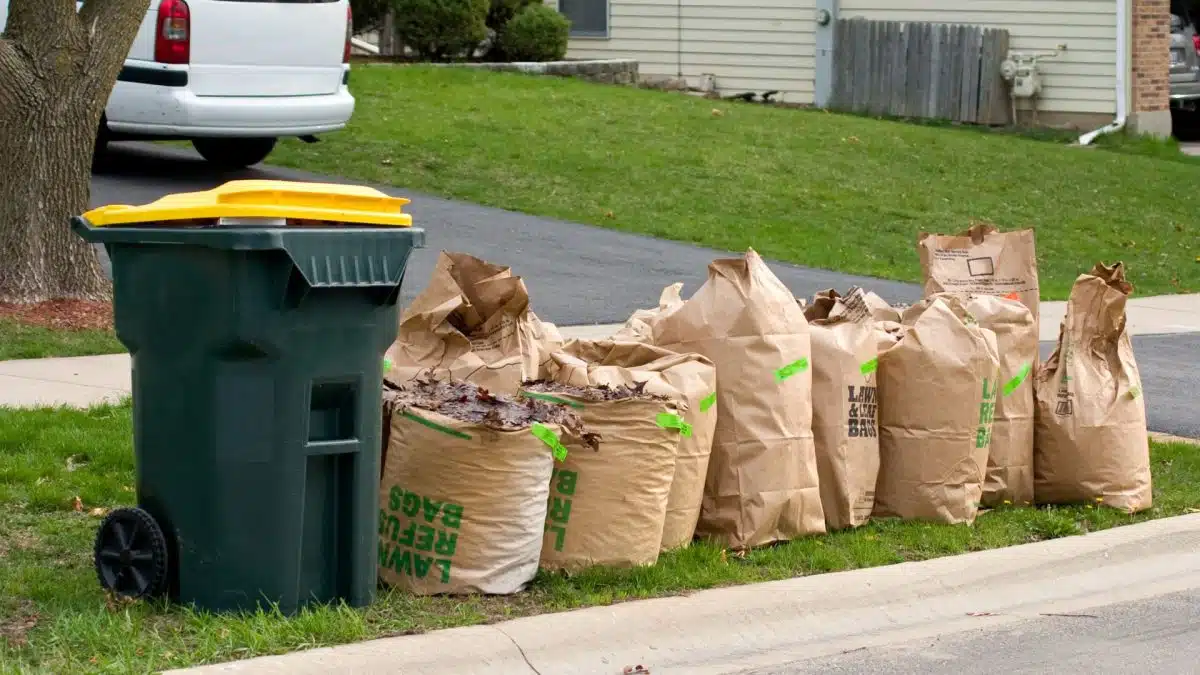
Yard waste might seem harmless, but leaving it unattended or disposing of it carelessly can introduce unexpected hazards. Overgrown branches, sharp thorns, and hidden debris can create physical dangers, not only for your family but also for wildlife and neighbors. Moreover, decomposing plant material left in piles can attract pests or foster mold and bacteria that compromise soil and air quality. Recognizing these risks is the first step toward responsible yard management. Planning ahead allows you to handle every branch, leaf, and blade of grass thoughtfully, transforming a simple cleanup into a safe and eco-conscious activity.
Environmental impact also plays a crucial role. Improper disposal, such as burning yard waste or dumping it in unauthorized areas, can pollute local waterways and soil. Even composting, when done incorrectly, can lead to leachate or odors that affect nearby residents. By understanding the consequences of careless yard waste disposal, homeowners can make informed decisions that protect their community, maintain property value, and promote a healthier ecosystem. Taking the time to organize and categorize waste, and knowing safe disposal methods, ensures a cleaner, safer environment for everyone.
Segregating Yard Waste for Safety
Sorting yard waste according to type and size is an essential practice for safe disposal. Leaves, branches, grass clippings, and large tree limbs all require different handling methods. For instance, small organic matter can often be composted, while larger wood pieces may need chipping or professional collection. Keeping materials separated reduces the risk of injury and makes subsequent disposal more efficient, avoiding unnecessary strain on your body or equipment. Proper segregation also simplifies recycling and composting processes, helping to divert waste from landfills and support sustainability.

Segregation is also a matter of hygiene and environmental responsibility. Mixing organic waste with plastics, metals, or chemicals can contaminate compost and limit its usefulness. Additionally, combining dry and wet plant material without care may create conditions for mold growth, which can affect both personal health and soil quality. Establishing clear zones for each type of yard debris not only safeguards physical well-being but also promotes a more organized, methodical cleanup process. Over time, this habit reduces clutter and supports a cleaner, healthier yard environment.
Using Protective Gear During Yard Cleanup
Even seemingly minor yard chores carry potential hazards, making personal protective equipment indispensable. Gloves, sturdy footwear, and eye protection shield against cuts, splinters, and irritants such as poison ivy. For heavier work, helmets or protective jackets may prevent serious injuries from falling branches or equipment mishaps. Equipping yourself properly ensures that every cleanup session prioritizes safety without compromising efficiency, letting you work confidently and avoid preventable accidents.
Protective gear also helps minimize long-term health concerns. Prolonged exposure to dust, pollen, and chemical fertilizers can trigger respiratory problems, skin irritation, or allergic reactions. Wearing appropriate clothing, masks, and durable gloves can reduce such exposure, preserving overall well-being. Moreover, the consistent use of protective gear sets a standard for safe habits, reinforcing the importance of caution when handling yard waste. Investing in quality equipment translates to fewer interruptions, faster cleanup, and greater confidence during even the most labor-intensive tasks.
Safe Tools and Equipment for Yard Waste Removal
Selecting the right tools enhances both safety and efficiency. Pruning shears, rakes, and wheelbarrows should be maintained in good condition to prevent accidents. Blunt or damaged tools increase the likelihood of slips, cuts, or broken handles, turning a simple cleanup into a potential hazard. Power equipment, such as chainsaws or lawnmowers, requires careful handling, proper training, and adherence to manufacturer guidelines. Understanding your tools and their limitations is essential to preventing injuries and ensuring the yard waste disposal process remains smooth and controlled.
Equipment safety also extends to storage and preparation. Keeping sharp or motorized tools in a secure location prevents accidental contact, especially by children or pets. Additionally, checking cords, blades, and other moving parts before each use reduces the risk of malfunctions during operation. Proper tool management contributes not only to immediate safety but also to the longevity and performance of equipment, allowing for repeated, efficient yard maintenance. Combining knowledge with preparation fosters a safer, more predictable cleanup routine for any property.
Composting Yard Waste Safely
Composting transforms organic yard debris into valuable soil enrichment while reducing landfill burden. However, improper composting can introduce safety concerns. Ensuring adequate aeration, moisture balance, and temperature control prevents harmful bacteria growth or foul odors. Avoiding composting meat, dairy, or diseased plants helps maintain a healthy, safe compost pile. Following proper guidelines ensures that your composting process is environmentally friendly, hygienic, and productive.
Composting also requires strategic placement. Piles should be situated away from pathways and structures to minimize pests and accidental contact. Turning compost regularly accelerates decomposition and reduces the likelihood of compacted layers where bacteria or mold could thrive. By carefully monitoring the pile and understanding the science behind decomposition, homeowners can create nutrient-rich compost that benefits gardens while eliminating hazards associated with unmanaged organic waste.
Mulching and Recycling Yard Materials
Mulching yard waste can enhance garden health while providing a sustainable way to reuse organic material. Shredded leaves, grass clippings, and small branches create protective layers that retain soil moisture and suppress weeds. Using yard materials in this manner reduces the need for synthetic products while giving plant beds natural nutrients. By repurposing organic debris, homeowners not only improve garden aesthetics but also contribute to an environmentally conscious disposal method.
Recycling yard materials also involves thoughtful collection and processing. Some municipalities offer yard waste drop-off sites, while others provide curbside pickup services. Ensuring that materials are free of contaminants such as plastic or treated wood prevents recycling facilities from rejecting them. Consistent attention to these details allows homeowners to support sustainable waste practices while maintaining a tidy, healthy yard space. Proper mulching and recycling practices ultimately reduce environmental impact and streamline yard management.
Safe Transportation of Yard Waste
Transporting yard waste requires careful planning to prevent accidents or environmental contamination. Loose debris in vehicles can shift unexpectedly, potentially damaging property or causing injuries. Using secure containers or tarps ensures that leaves, branches, and clippings remain contained during transit. Whether heading to a local composting facility or arranging pickup, careful transport safeguards both the homeowner and the surrounding area.
Vehicle preparation and load distribution also matter for safety. Overloading a truck or trailer can compromise handling, brakes, and visibility, increasing the likelihood of accidents. Arranging waste in stable, balanced layers prevents tipping or spillage. Planning the transport route to avoid high-traffic areas or uneven terrain further reduces risk. Thoughtful handling during transportation ensures yard waste reaches its destination efficiently, safely, and with minimal environmental disruption.
Understanding Local Yard Waste Regulations
Awareness of municipal or county regulations is crucial for legal and safe yard waste disposal. Many areas specify acceptable disposal methods, collection schedules, and prohibited items. Ignoring these rules may result in fines or the need to retrieve improperly discarded waste. Familiarity with local guidelines ensures compliance and promotes community responsibility while protecting the environment from potential hazards caused by inappropriate disposal practices.
Regulations often address more than collection logistics, covering composting standards, chemical treatment restrictions, and green waste recycling requirements. Engaging with these rules provides clarity about what can be safely disposed of at home versus what requires professional handling. Staying informed empowers homeowners to make responsible decisions and avoid hazards linked to illegal dumping or unsafe yard waste handling. Knowledge of regulations supports a safer, cleaner neighborhood and reinforces sustainable yard management practices.
Engaging Professional Yard Waste Services
Hiring trained professionals can significantly enhance safety and convenience. Experienced teams have the equipment and knowledge to handle large volumes of yard waste, including branches, heavy soil, and garden debris. Professionals ensure that waste is disposed of according to environmental standards, reducing the risk of injury or contamination while saving homeowners considerable effort and time. Professional involvement also helps maintain a clean, orderly property throughout the disposal process.
Working with experts also provides peace of mind. They handle transportation, lifting, and disposal in a controlled, efficient manner, often incorporating recycling or composting strategies that align with sustainability goals. Their experience with safe handling techniques and hazardous materials ensures that potential risks are mitigated. Homeowners can focus on other aspects of property maintenance or personal tasks, knowing that yard waste management is being executed professionally and responsibly.
Seasonal Preparation for Yard Waste Disposal
Planning for seasonal changes can prevent yard waste buildup and associated hazards. Autumn leaves, spring pruning, and summer garden debris all require distinct handling approaches. By anticipating seasonal needs, homeowners can organize cleanup schedules, secure proper disposal containers, and ensure protective equipment is ready. Seasonal preparation reduces last-minute chaos, promotes safety, and encourages consistent yard care throughout the year.
Seasonal planning also supports environmental and aesthetic benefits. Regular removal of debris prevents fungal growth, insect infestations, and unsightly accumulation. Scheduling yard cleanup around seasonal shifts allows for composting, mulching, or professional removal services to be integrated smoothly into property maintenance routines. Thoughtful seasonal strategies create safer spaces, preserve landscaping integrity, and foster a proactive approach to yard waste management.
Conclusion
Ensuring safe yard waste disposal requires a combination of careful planning, protective measures, and environmental awareness. Homeowners who invest time in sorting debris, using proper equipment, and following safe handling practices reduce risks of injury and contamination. Whether it’s through composting, mulching, or professional collection, a thoughtful approach creates a cleaner, safer outdoor environment that benefits the entire community.
For residents in Palatine, IL seeking reliable assistance, 24-7 Junk Removal provides professional Junk Removal services that prioritize safety and efficiency. Their team is equipped to handle all yard waste challenges while following environmentally responsible practices. Contact 24-7 Junk Removal at (773) 309-6966 or visit them at 611 W. Wise Schaumburg, IL 60193 for dependable and safe yard waste disposal solutions. Email inquiries can be sent to support@24-7junk.com, ensuring that every yard cleanup is managed with expertise and care.