

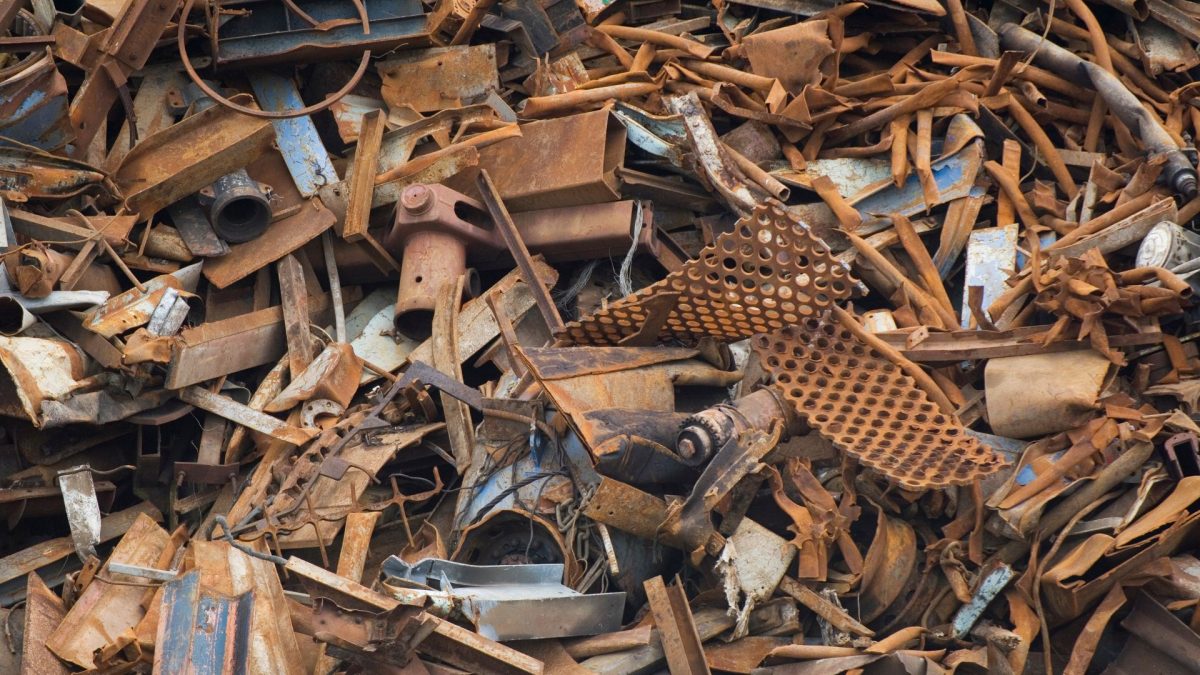
Scrap metal often accumulates unnoticed in homes, garages, and commercial spaces, quietly occupying room while contributing to environmental strain. Removing this metal not only declutters your space but also gives materials a second life through recycling. Metals like aluminum, copper, and steel can be melted and reused without losing quality, reducing the need for mining raw resources. This circular approach minimizes energy consumption and greenhouse gas emissions, making a tangible difference in sustainability efforts. Beyond environmental benefits, it creates economic value by turning discarded items into valuable resources for manufacturing and industry.
Engaging in scrap metal removal is a proactive step toward greener living. Instead of letting metals languish in landfills where they contribute to soil and water contamination, recycling these materials supports cleaner production cycles. By participating in responsible disposal, homeowners and businesses alike foster eco-conscious habits that ripple across communities. The act of removing scrap metal transforms clutter into a catalyst for environmental stewardship, aligning everyday practices with broader sustainability goals. This approach enhances both personal and corporate responsibility toward the planet.
Enhancing Your Recycling Routine
Integrating scrap metal removal into your regular recycling habits amplifies the impact of your eco-friendly efforts. Unlike plastics or paper, metals retain their integrity indefinitely, which means each item recycled is a long-term contribution to resource conservation. Establishing designated collection points at home or work simplifies the sorting process and encourages consistent recycling. With organized systems, even overlooked items like old appliances, wiring, or automotive parts can be efficiently processed, reducing the strain on municipal waste services.
Furthermore, scrap metal removal promotes mindful consumption. Recognizing the value of metals encourages individuals and organizations to evaluate purchases, repair rather than replace, and prioritize materials that can be repurposed. This mindset decreases unnecessary waste and fosters sustainable habits. By elevating scrap metal from discarded clutter to a recyclable resource, you actively support environmental preservation. The ripple effect extends beyond your immediate space, inspiring peers and community members to adopt greener practices that collectively enhance ecological health.
Reducing Landfill Pressure
Every ton of scrap metal removed from disposal sites translates to less strain on local landfills. Metals do not biodegrade easily and can leach harmful substances into the soil over time, posing environmental risks. Removing these items ensures they are diverted to facilities capable of recycling or repurposing them responsibly. This reduces the environmental footprint of your waste, preserves local ecosystems, and decreases reliance on unsustainable landfill expansion.
Reducing landfill waste also has socio-economic advantages. Less volume in landfills can mean lower municipal costs for waste management and extended lifespan of existing landfill sites. Communities benefit from cleaner spaces and reduced pollution. Additionally, recycling metals supports industrial supply chains by providing a steady source of materials without depleting natural reserves. Scrap metal removal, therefore, acts as a bridge between environmental responsibility and practical urban management, offering tangible benefits to both the planet and local populations.
Supporting Energy Conservation
Processing raw metals from ores consumes vast amounts of energy, significantly more than recycling existing metals. By removing and recycling scrap metal, you contribute to energy conservation on a measurable scale. Each recycled aluminum can or steel beam repurposed means less electricity and fuel consumed during manufacturing. This reduction in energy demand also translates into lower greenhouse gas emissions, directly combating climate change.
Energy conservation extends beyond industrial metrics to personal impact. By participating in scrap metal removal, individuals demonstrate a commitment to reducing energy waste associated with everyday materials. It is a practical approach to bridging small-scale actions with global environmental outcomes. Over time, widespread engagement in scrap metal recycling can meaningfully reduce the energy footprint of communities and industries, positioning eco-conscious practices as both achievable and impactful.
Encouraging Community Sustainability
Scrap metal removal programs often involve partnerships with local recycling centers, charities, and municipal initiatives. Participating in these efforts reinforces community cohesion and shared responsibility for environmental stewardship. By donating or recycling metals, individuals and businesses contribute to local sustainability projects, including educational campaigns and resource recovery programs. These actions amplify the collective impact of eco-friendly practices, demonstrating that responsible disposal can extend beyond personal benefit to societal advancement.
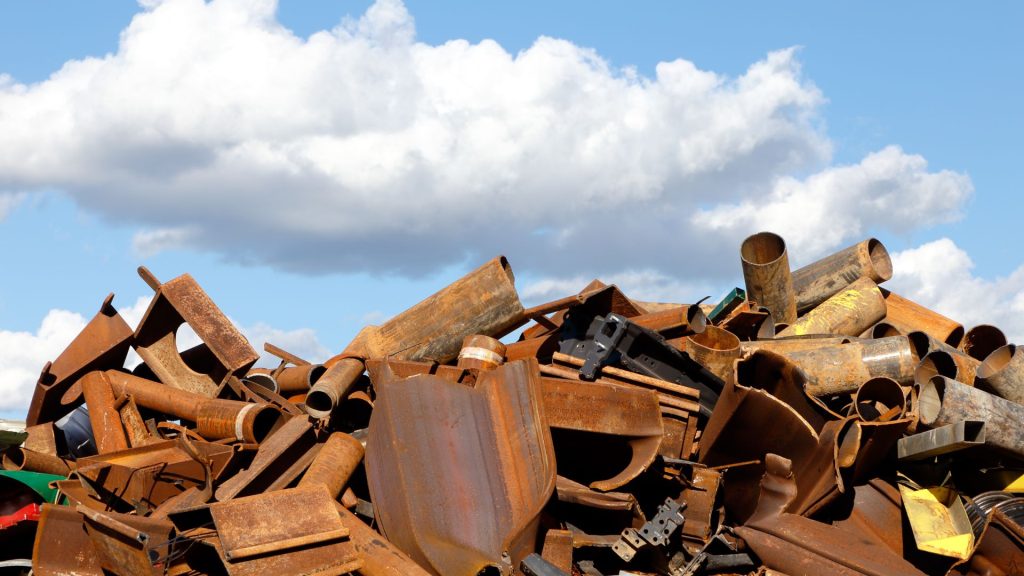
Community engagement in scrap metal removal also encourages a culture of awareness and accountability. Neighbors and colleagues observing your efforts may be inspired to adopt similar behaviors, generating a network of environmentally conscious citizens. Over time, these incremental actions contribute to measurable improvements in local environmental quality. The social dimension of recycling metal strengthens community bonds while advancing ecological goals, showing that green efforts are both personal and communal endeavors.
Preventing Environmental Contamination
Metals left unmanaged in landfills can corrode and release toxic elements such as lead, mercury, or cadmium into soil and groundwater. Scrap metal removal mitigates these risks by ensuring proper handling and processing in specialized facilities. This precaution protects ecosystems, maintains soil health, and safeguards water quality for humans, plants, and wildlife. Proactive disposal is particularly critical for electronic metals, which contain complex alloys and hazardous substances that require careful treatment.
By committing to responsible metal removal, you play a role in preserving environmental integrity. Small actions, like sorting metals from general trash, reduce contamination risk and improve recycling efficiency. Proper handling of scrap metals prevents harmful interactions with other waste, ensuring that discarded items do not compromise environmental or public health. This conscientious approach exemplifies sustainable living, where each removed piece of metal becomes part of a broader effort to maintain ecological balance and prevent long-term damage.
Facilitating Corporate Responsibility
For businesses, scrap metal removal is an integral aspect of corporate social responsibility. Companies that actively recycle and dispose of metals responsibly showcase their commitment to sustainability. This practice enhances brand reputation, fosters trust with environmentally conscious clients, and can even result in financial benefits through resource recovery and tax incentives. Sustainable operations demonstrate that profitability and environmental responsibility can coexist.
Implementing structured scrap metal removal programs in workplaces promotes a culture of sustainability among employees. Clear guidelines for recycling metals and regular collection schedules encourage staff participation and raise awareness of ecological impact. Businesses that prioritize environmental stewardship contribute to broader societal efforts while optimizing internal resource use. This proactive approach positions companies as leaders in sustainability, showing that mindful management of scrap metal extends beyond compliance to strategic ecological engagement.
Boosting Economic Opportunities
Scrap metal is a valuable commodity with a global market, and removing it responsibly can unlock economic potential. Collected metals can be sold to recycling centers or repurposed for industrial use, generating revenue while reducing waste. Communities benefit from the economic activity surrounding recycling infrastructure, which creates jobs and supports local enterprises. Responsible disposal, therefore, bridges environmental and financial interests.
Individuals can also capitalize on this value by identifying and segregating high-demand metals from general waste. Copper, aluminum, and steel are particularly sought after in manufacturing, making their proper collection advantageous. Beyond financial gain, engaging in scrap metal removal contributes to a robust circular economy, where materials continually flow through production and recycling cycles rather than stagnating in landfills. This approach demonstrates that environmental responsibility and economic savvy are not mutually exclusive.
Promoting Innovation in Waste Management
The practice of scrap metal removal encourages innovation in waste management techniques and technologies. Companies and municipalities are motivated to develop more efficient collection, sorting, and recycling methods to maximize resource recovery. This drive fosters creative solutions that can be applied to other materials, improving overall waste management efficiency and environmental outcomes.
Innovation also extends to household and commercial practices. Individuals and businesses experimenting with organized scrap metal collection and responsible disposal develop more effective systems for managing waste. Over time, these improvements reduce labor, energy use, and material losses. By engaging in scrap metal removal, participants support continuous refinement of recycling technologies and practices, contributing to an evolving model of sustainable resource management.
Strengthening Environmental Awareness
Regular engagement in scrap metal removal fosters a deeper understanding of environmental issues. Seeing the tangible benefits of recycling metals—from reduced landfill use to energy savings—enhances awareness of human impact on natural resources. This knowledge encourages sustainable decision-making across various aspects of life, from consumption habits to broader environmental advocacy.
Awareness translates into action. Individuals and organizations informed about the consequences of improper metal disposal are more likely to support policies and practices that prioritize sustainability. The visible outcomes of scrap metal removal reinforce the importance of everyday contributions to environmental health. By actively participating, people cultivate a mindset that values resource conservation, responsible consumption, and proactive environmental stewardship, ensuring long-term ecological benefits.
Conclusion
Scrap metal removal is a practical and impactful way to enhance eco-friendly efforts. By diverting metals from landfills, conserving energy, and supporting recycling industries, individuals and businesses can significantly reduce their environmental footprint. Incorporating regular scrap metal collection into daily routines promotes responsible consumption, protects ecosystems, and fosters sustainable community practices. This approach not only benefits the planet but also encourages mindful resource use that has lasting implications.
For residents and businesses in Palatine, IL, partnering with 24-7 Junk Removal ensures professional and environmentally conscious management of scrap metals. Their team provides reliable Junk Removal services that emphasize recycling and responsible disposal. Contact 24-7 Junk Removal at (773) 309-6966 or visit 611 W. Wise Schaumburg, IL 60193 to schedule a service. Their expertise transforms clutter into a contribution toward sustainability, making eco-friendly living more accessible and impactful for the entire community.