

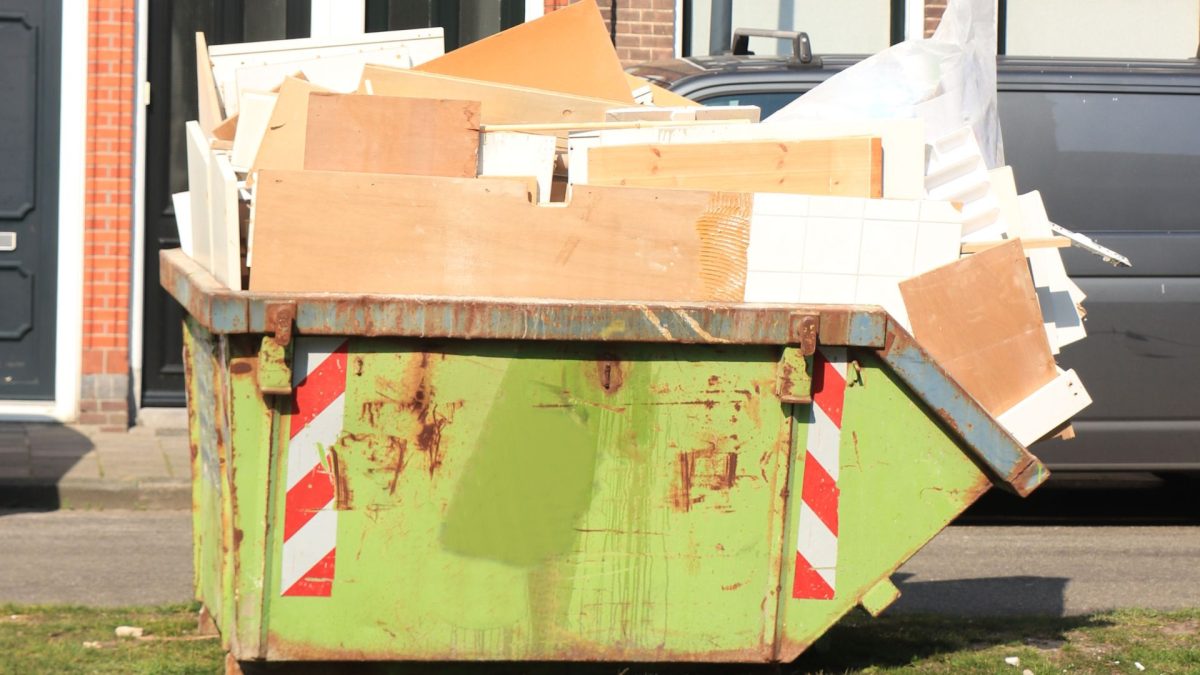
Modern junk removal services are not merely about clearing clutter. They have transformed into essential agents of environmental stewardship. By systematically collecting unwanted items from homes and businesses, these services prevent unnecessary waste from reaching landfills. Items such as furniture, appliances, and electronics are sorted meticulously to identify what can be repurposed, donated, or recycled. This approach dramatically reduces the environmental footprint of discarded materials, giving items a second life instead of allowing them to decompose in landfills.
In addition, junk removal companies often collaborate with local recycling facilities and donation centers. This cooperation ensures that a significant portion of collected items are diverted from waste streams into productive use. Metals, plastics, and electronics are dismantled and sent to specialized facilities, while furniture and household goods in good condition are donated to communities in need. This dual approach not only preserves natural resources but also nurtures a circular economy, where the value of materials is extended beyond their initial use. The environmental impact is tangible, proving that smart waste management can coexist with sustainable living.
Promoting Recycling and Repurposing
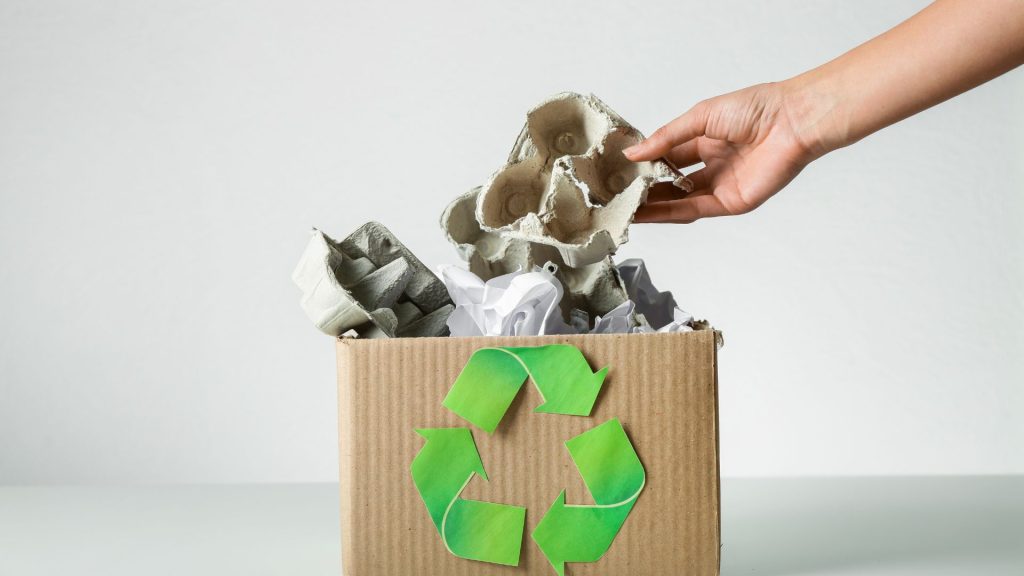
Junk removal has emerged as a key player in promoting recycling. Companies focus on separating recyclable materials from general waste to minimize landfill contributions. Paper, cardboard, metals, plastics, and electronics are meticulously sorted, cleaned, and delivered to appropriate recycling centers. This meticulous approach reduces environmental degradation, conserves raw materials, and lowers the carbon footprint associated with manufacturing new products.
Beyond recycling, repurposing items for secondary use is gaining prominence. Furniture, appliances, and other durable goods are refurbished and redistributed through donation networks or resale channels. This not only benefits economically disadvantaged communities but also prevents the accumulation of unnecessary waste. The integration of recycling and repurposing strategies highlights a proactive commitment to environmental conservation. Through these practices, junk removal companies demonstrate that managing unwanted items responsibly can simultaneously provide social and ecological benefits, inspiring individuals and businesses alike to reconsider the fate of their discarded possessions.
Minimizing Landfill Strain
Landfills are major contributors to environmental degradation, producing methane, leachate, and other pollutants. Junk removal services play a crucial role in reducing the strain on these sites by diverting waste toward recycling and repurposing. Instead of filling up landfills with usable materials, these services evaluate each item and determine its optimal destination. This strategy extends the lifespan of landfills, lowers pollution, and preserves valuable land resources for future generations. Through careful sorting and transportation, junk removal providers transform waste management into a forward-thinking solution that emphasizes sustainability over convenience.
This proactive stance has far-reaching consequences for community health and urban planning. By mitigating landfill overcapacity, junk removal services reduce environmental hazards associated with waste accumulation, such as groundwater contamination and air pollution. Communities benefit from cleaner surroundings, safer neighborhoods, and enhanced biodiversity. Moreover, minimizing landfill reliance encourages manufacturers and consumers to adopt more sustainable practices, recognizing that discarded items can be a resource rather than mere refuse. The cumulative effect of these efforts highlights how responsible waste management strategies can contribute meaningfully to broader environmental conservation initiatives.
Safely Handling Hazardous Materials
An essential aspect of environmental conservation is the safe disposal of hazardous materials. Junk removal services often encounter items such as electronics, batteries, chemicals, and paints that require specialized handling. Improper disposal of these substances can contaminate soil and water, posing health risks to humans and wildlife. By employing trained professionals, these services ensure that hazardous items are handled with care, transported safely, and directed to appropriate facilities for treatment or recycling. This precautionary approach protects the environment while complying with local regulations, reducing the potential for ecological harm.
The conscientious handling of hazardous materials also promotes awareness among consumers and businesses. Junk removal services often educate clients on which items require special disposal procedures, emphasizing the importance of environmental responsibility. This knowledge empowers individuals to make informed decisions about waste management, fostering a culture of sustainability. By bridging the gap between consumer habits and ecological best practices, these companies contribute to a long-term reduction in environmental contamination. Their expertise ensures that hazardous waste is never treated as ordinary trash, maintaining the integrity of ecosystems and safeguarding public health.
Supporting the Circular Economy
The circular economy model prioritizes extending the lifecycle of products through reuse, repair, and recycling. Junk removal services are at the forefront of this movement, actively channeling items back into the economy rather than allowing them to become waste. Furniture, electronics, and appliances are often refurbished or resold, while other materials are recycled into raw components for new products. This cycle reduces demand for virgin materials, decreases energy consumption, and lowers greenhouse gas emissions associated with production. By promoting circular practices, junk removal companies are redefining the concept of waste as a resource rather than an end product.
Moreover, the circular economy approach encourages collaboration between consumers, businesses, and recycling facilities. Junk removal services act as facilitators, connecting items with organizations that can maximize their utility. For instance, metals can be melted down for manufacturing, while textiles can be repurposed into new fabrics. By ensuring that items maintain value beyond their initial use, these services reduce the environmental burden of extraction and disposal. The circular model also instills a sense of accountability, reminding individuals and businesses that each discarded item has potential beyond its current state. In this way, junk removal services contribute to a sustainable economy grounded in conservation and resource efficiency.
Enhancing Community Awareness
Junk removal services also serve as educators within their communities, fostering awareness about environmental conservation. Through campaigns, social media engagement, and client interactions, these companies highlight the significance of responsible disposal practices. Communities become more conscious of how their actions impact local ecosystems, encouraging participation in recycling, donation, and proper waste management. This educational role extends beyond individual households to include businesses and institutions, creating a culture where environmental responsibility is normalized and celebrated.
Community engagement often includes workshops or collaborations with schools, local organizations, and charity partners. These initiatives demonstrate practical methods for reducing waste, reusing materials, and minimizing ecological impact. By participating in these efforts, community members gain a sense of empowerment and ownership over their environmental footprint. Junk removal services thereby transform from simple service providers into catalysts for environmental change, inspiring a collective movement toward sustainability. The ripple effects of these actions reinforce the broader mission of preserving natural resources and fostering greener lifestyles at every level of society.
Integrating Sustainable Technologies
The adoption of sustainable technologies has become integral to modern junk removal operations. Companies increasingly employ energy-efficient vehicles, GPS-optimized routes, and environmentally friendly tools to reduce their carbon footprint. This technological integration ensures that even the transportation and logistics associated with junk removal are conducted responsibly. By reducing fuel consumption and emissions, these practices complement the recycling and repurposing efforts, creating a holistic approach to environmental stewardship.
Additionally, data management systems enhance the sorting and tracking of materials, improving efficiency and minimizing waste. Technologies that monitor inventory and logistics allow companies to maximize resource recovery while minimizing redundant disposal. This approach demonstrates a commitment to continuous improvement in sustainability, ensuring that each step in the junk removal process aligns with ecological best practices. By leveraging technology, junk removal services can achieve measurable environmental benefits, optimizing operations while safeguarding natural resources for future generations.
Reducing Carbon Footprint Through Efficient Logistics
Efficient logistics are crucial for reducing the carbon footprint associated with waste removal. Junk removal companies strategically plan routes to minimize fuel consumption, consolidate loads to reduce trips, and schedule pickups based on client density. This operational efficiency translates to fewer emissions and reduced energy consumption, making each junk removal project environmentally responsible. By focusing on logistics, companies transform what was traditionally a resource-intensive service into an eco-conscious operation that prioritizes sustainability at every step.
Optimizing logistics also has a positive social impact. Reduced emissions contribute to cleaner air quality in communities, improving public health outcomes. Additionally, efficient scheduling ensures that resources such as trucks and personnel are used judiciously, reducing operational waste. The combination of environmental and social benefits underscores the multifaceted value of strategic logistics in the junk removal industry. By treating transportation and planning as integral components of sustainability, these services demonstrate that environmental conservation extends beyond recycling and disposal to encompass every operational detail.
Partnering With Charities to Maximize Impact
Another vital aspect of eco-conscious junk removal is collaboration with charitable organizations. Items in good condition, such as furniture, clothing, and household goods, are redirected to donation centers rather than discarded. This partnership not only benefits underserved populations but also prevents usable items from contributing to waste streams. By integrating charitable giving into their operations, junk removal companies amplify their environmental and social impact, turning routine cleanup into a tool for broader community enrichment.
These partnerships often involve careful coordination to ensure that donated items reach the right recipients efficiently. By tracking donations and prioritizing needs, junk removal services enhance the overall effectiveness of their sustainability efforts. The result is a synergistic model where environmental conservation and social responsibility intersect. Communities benefit from access to needed resources, and waste is minimized. Through these initiatives, junk removal companies prove that effective waste management can serve as a bridge between ecological preservation and social welfare, demonstrating a holistic approach to environmental stewardship.
Adapting to Regulatory Standards
Compliance with environmental regulations is a cornerstone of responsible junk removal. Companies must adhere to local, state, and federal guidelines regarding waste disposal, hazardous material handling, and recycling standards. By meeting or exceeding these regulations, junk removal services not only avoid legal repercussions but also ensure that their operations are aligned with best practices in environmental protection. This proactive adherence fosters trust among clients and reinforces the importance of accountability in waste management.
Regulatory compliance also drives innovation in sustainable practices. Companies continuously evaluate methods for waste reduction, recycling, and repurposing to maintain adherence to evolving laws. This culture of continuous improvement strengthens their commitment to environmental stewardship. Clients benefit from reliable, safe, and eco-conscious services, while communities experience the positive environmental impact of compliant operations. In this way, junk removal providers serve as exemplars of how regulatory frameworks can inspire responsible and sustainable industry practices.
Conclusion
Junk removal services are redefining the role of waste management in environmental conservation. By emphasizing recycling, repurposing, and safe disposal practices, these companies reduce landfill strain, lower pollution, and support the circular economy. Their efforts extend beyond operational efficiency, fostering community awareness, integrating sustainable technologies, and partnering with charitable organizations to maximize impact. The cumulative effect is a measurable contribution to environmental preservation while enhancing community welfare.
For those seeking professional junk removal solutions, 24-7 Junk Removal in Palatine, IL exemplifies these principles. Their team efficiently manages unwanted items with a focus on sustainability, ensuring that materials are recycled, donated, or disposed of responsibly. Clients can experience eco-conscious junk removal services by contacting 24-7 Junk Removal at (773) 309-6966 or visiting their location at 611 W. Wise Schaumburg, IL 60193. Their commitment to environmental stewardship makes them a reliable choice for businesses and households alike, combining convenience with conscientious waste management.