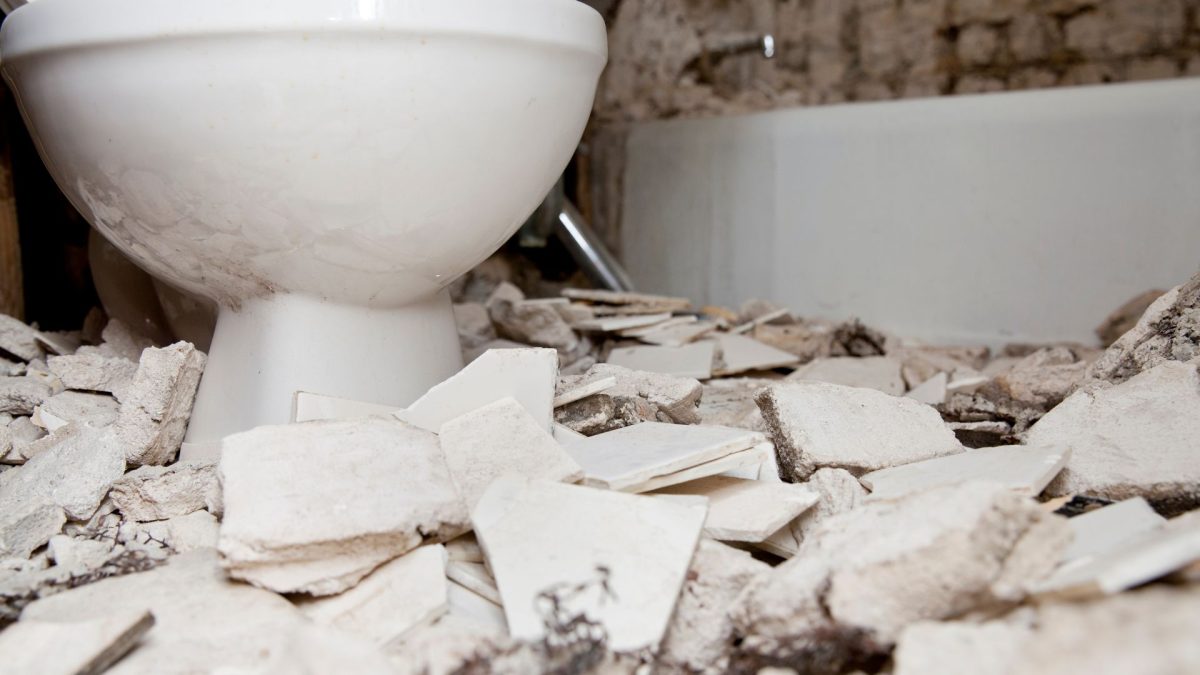
Bathroom demolition is often the first step in a home renovation, yet it carries more impact than most homeowners anticipate. Removing old fixtures, tiles, and plumbing elements is not simply about creating space. It disrupts the structure temporarily, exposing hidden issues such as water damage, mold, or outdated wiring. Addressing these concerns early ensures that your renovation proceeds without setbacks. Additionally, careful planning during demolition prevents damage to walls, floors, and surrounding areas, safeguarding the integrity of the rest of your home. Taking stock of what needs removal and what can remain also helps homeowners avoid unnecessary costs and complications during the project.
The process of bathroom demolition affects the rhythm of a renovation significantly. A well-executed demolition sets the stage for a smoother installation of new fixtures and finishes. Dust, debris, and broken materials are part of the process, and improper handling can spread these elements to other parts of the house, affecting air quality and cleanliness. Moreover, understanding the sequence of demolition—from removing cabinetry and plumbing to tearing out tiles and flooring—ensures that subsequent steps like electrical updates or plumbing adjustments happen without delays. By carefully managing this stage, homeowners can maintain a controlled environment, reducing stress and unexpected challenges during the renovation journey.
How Bathroom Demolition Influences Renovation Timelines
The timing of bathroom demolition can significantly influence the overall duration of a renovation. Demolition is not just a physical task; it is a strategic step that requires precision and planning. A rushed demolition may leave hidden problems undetected, causing delays once new materials are brought in. Conversely, a carefully managed process allows contractors to work efficiently, knowing the exact scope of repairs and replacements required. Considering factors like disposal, salvage, and structural inspection during this phase ensures that the timeline for installation, tiling, and finishing is realistic and manageable.
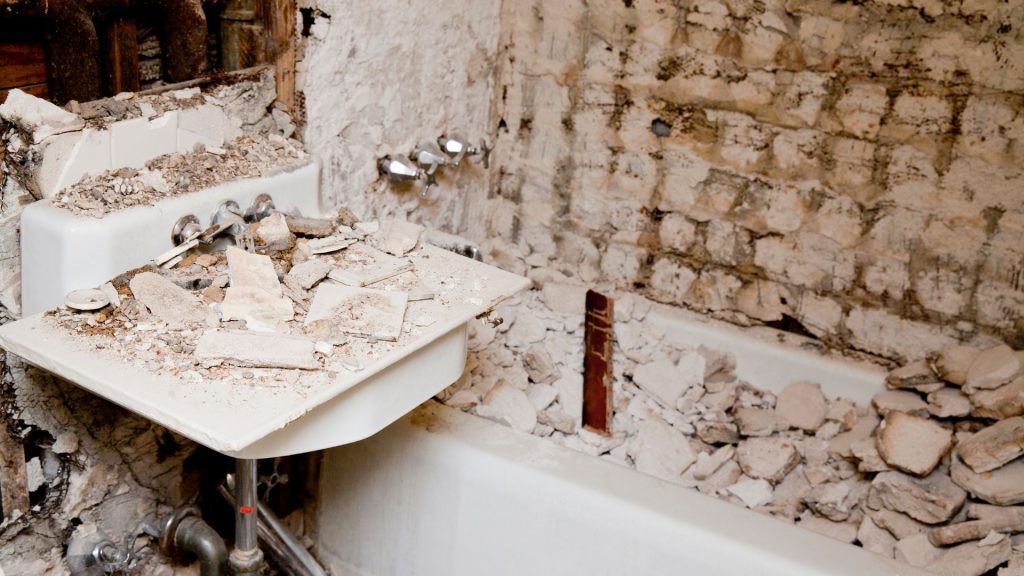
Delays in bathroom demolition can cascade into other areas of the home renovation. For example, if the flooring or plumbing beneath the bathroom is compromised, it may require additional work before proceeding with new installations. Unexpected findings, such as outdated electrical wiring or water damage, could extend the project by days or even weeks if not accounted for. Effective demolition therefore acts as a foundation for an accurate schedule, allowing homeowners and contractors to anticipate challenges before they escalate. Proper planning minimizes interruptions, keeps workers productive, and ensures that the overall project remains on track without compromising quality or design goals.
The Role of Bathroom Demolition in Uncovering Hidden Issues
One of the most important benefits of bathroom demolition is the discovery of hidden issues that are not visible on the surface. Old bathrooms often conceal mold behind tiles, water damage beneath flooring, or plumbing that no longer meets safety standards. Removing walls, cabinets, and fixtures exposes these problems, allowing homeowners to address them before installing new materials. This step prevents future complications and ensures that the renovated bathroom is not only visually appealing but also safe and functional.
Ignoring the potential for hidden issues can be costly in both time and money. Water leaks, for example, may compromise the structural integrity of walls or floors, leading to more extensive repairs if left untreated. Demolition also allows for evaluation of electrical wiring, ventilation, and plumbing efficiency, ensuring that all systems meet modern standards. By uncovering these issues during demolition, homeowners can make informed decisions about repairs, replacements, or upgrades. Ultimately, a thorough demolition helps create a reliable foundation, avoiding surprises that could disrupt the renovation process or affect the longevity of the completed bathroom.
Bathroom Demolition and Its Impact on Home Safety
Safety is a critical consideration during bathroom demolition. Removing tiles, fixtures, and plumbing components can create hazards such as sharp edges, loose debris, and exposed electrical wiring. Homeowners and contractors must take precautions to prevent accidents. Wearing protective gear, sealing off the area, and carefully handling demolition tools are essential to maintaining safety. Ensuring that heavy objects and hazardous materials are removed properly reduces the risk of injuries and preserves the integrity of surrounding spaces.
In addition to physical safety, bathroom demolition can highlight structural concerns that affect the overall safety of the home. Exposing walls, floors, and ceilings can reveal weaknesses that may require reinforcement before continuing with renovation. Handling these structural issues during demolition prevents long-term safety risks and ensures that the new bathroom is built on a secure foundation. Proper debris management and ventilation also maintain air quality and reduce exposure to dust, mold, and other contaminants. By prioritizing safety throughout demolition, homeowners establish a secure and controlled environment for the renovation to proceed smoothly.
How Demolition Affects Renovation Costs
Bathroom demolition directly influences renovation costs, both in terms of labor and material requirements. Removing old fixtures, cabinets, and tiles requires careful planning to avoid unnecessary damage, which can lead to added expenses. Proper disposal of debris is another cost factor, as contractors must follow regulations and ensure waste is handled efficiently. Failing to plan for these elements can result in surprise costs that exceed the original budget.
Moreover, uncovering hidden issues during demolition can alter cost expectations. Plumbing repairs, mold remediation, or structural adjustments discovered after removing walls or flooring often carry additional fees. Investing time and attention in a thorough demolition phase prevents larger, unforeseen costs later in the project. Strategic demolition also allows homeowners to repurpose materials, reduce waste, and make informed choices about which upgrades are necessary. By understanding the relationship between demolition and renovation costs, homeowners can maintain financial control while achieving a high-quality bathroom transformation.
The Environmental Considerations of Bathroom Demolition
Bathroom demolition generates waste that must be handled responsibly to minimize environmental impact. Materials like tiles, grout, plumbing fixtures, and drywall can accumulate quickly, contributing to landfill waste if not managed correctly. Proper disposal and recycling are key to reducing the ecological footprint of a renovation. Additionally, separating recyclable materials from general debris ensures compliance with local regulations and promotes sustainability.
Homeowners can also consider ways to repurpose materials during demolition. For example, salvageable cabinets, fixtures, or tiles may be reused in other areas of the home or donated to organizations that repurpose construction materials. Even smaller efforts, like separating metal and plastic components, can reduce the overall environmental burden. By prioritizing responsible waste management during bathroom demolition, homeowners contribute to a more sustainable renovation process while maintaining a cleaner, safer worksite.
How Demolition Influences Design Choices
The process of bathroom demolition often informs the design decisions for a renovation. Exposing existing layouts, plumbing, and structural constraints allows homeowners to evaluate the possibilities for space optimization. Knowing the limitations and opportunities provided by the existing space helps in selecting new fixtures, tiles, and cabinetry that fit both aesthetically and functionally. Demolition creates a blank canvas, inspiring creativity and practical solutions that align with the homeowner’s vision.
In addition, seeing the underlying structure can guide decisions about layout changes. For instance, relocating plumbing or electrical systems may become feasible once walls and floors are removed. This insight allows homeowners and designers to make informed choices about fixture placement, storage solutions, and overall flow. Demolition provides a critical perspective that enhances the renovation’s design quality, ensuring that new installations not only look appealing but also meet functional and structural requirements effectively.
Bathroom Demolition and Noise Management
Bathroom demolition is inherently noisy, impacting the home environment and neighboring areas. Jackhammers, power tools, and the removal of heavy fixtures generate significant sound levels. Planning noise management strategies, such as scheduling work during appropriate hours, using sound-dampening materials, and isolating the work area, helps mitigate disruption. Consideration of noise is particularly important in multi-unit buildings or homes with sensitive occupants.
Noise management also contributes to the efficiency of the renovation. Excessive distractions or complaints from neighbors can slow down the project, leading to extended timelines. Proper containment of the worksite reduces stress for both homeowners and contractors. Additionally, effective noise management protects hearing and prevents stress-related issues during the intense demolition phase. By addressing noise concerns early, homeowners create a more controlled, productive, and harmonious renovation environment.
The Psychological Impact of Bathroom Demolition
Bathroom demolition can be surprisingly stressful for homeowners. Watching a familiar space dismantled, dealing with dust and debris, and navigating unexpected issues can create anxiety. Understanding this psychological impact is important for maintaining a positive renovation experience. Planning, organization, and communication with contractors alleviate some of the stress, ensuring that homeowners feel informed and in control throughout the process.
Demolition also provides a sense of progress and transformation, which can be motivating. Observing the space transition from old to new instills confidence in the renovation’s potential. By approaching demolition with realistic expectations and proactive strategies, homeowners can manage both emotional and practical challenges effectively. Recognizing the psychological impact emphasizes the importance of preparation, structured workflows, and open communication, all of which contribute to a smoother, more satisfying renovation experience.
Integrating Demolition with Overall Home Renovation Strategy
Bathroom demolition is just one part of a broader home renovation strategy. Coordinating demolition with other projects, such as flooring replacement, electrical upgrades, or structural adjustments, ensures a cohesive process. Aligning timelines, labor schedules, and material delivery helps maintain momentum and prevents bottlenecks that could derail the renovation.
Integration also involves anticipating challenges that may arise after demolition. By coordinating with designers, contractors, and suppliers, homeowners can ensure that the subsequent phases—plumbing, tiling, painting, and fixture installation—proceed seamlessly. Effective integration of demolition within the overall renovation strategy minimizes downtime, optimizes resources, and enhances the final result. Recognizing the interconnection between demolition and other renovation stages ensures that every action contributes to a polished, well-executed bathroom transformation.
Conclusion
Bathroom demolition is a pivotal phase in home renovations, setting the foundation for a safe, functional, and aesthetically pleasing outcome. From uncovering hidden issues to influencing design choices, the impact of demolition extends beyond the physical removal of fixtures and tiles. Proper planning, safety precautions, and strategic waste management play crucial roles in maintaining project timelines, controlling costs, and reducing environmental impact. Homeowners who understand the implications of demolition are better prepared to navigate challenges, ensuring a smoother and more efficient renovation experience.
For homeowners in Palatine, IL, professional assistance with debris management and disposal can simplify the renovation process. 24-7 Junk Removal specializes in efficient Junk Removal, helping remove old bathroom fixtures, tiles, and other renovation debris quickly and safely. Their team ensures that demolition waste is handled responsibly, minimizing disruption to your home while keeping the project on schedule. Contact 24-7 Junk Removal at (773) 309-6966 or visit their location at 611 W. Wise Schaumburg, IL 60193 for reliable support throughout your renovation journey. Professional guidance transforms the often-daunting demolition stage into a streamlined, stress-free part of revitalizing your home.