

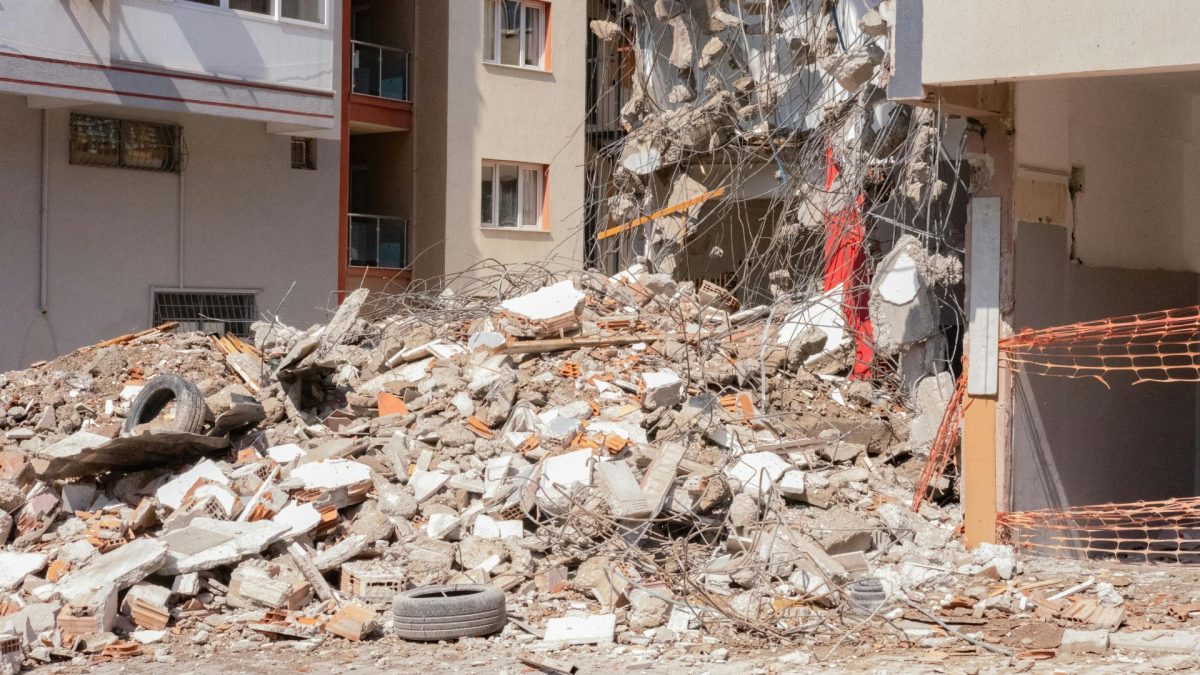
Concrete debris is often heavier and denser than other types of construction waste, making its handling a challenge that requires careful planning. Once a concrete structure or surface has been demolished, the resulting fragments can vary widely in size, from fine dust to large, jagged chunks. This material is not only cumbersome but can also pose safety hazards if not managed correctly. The sharp edges and heavy weight of the debris increase the risk of injury during removal, so proper personal protective equipment and safe handling practices are crucial. Taking the time to understand the characteristics of your concrete waste will make the disposal process more efficient and reduce the potential for accidents.
Handling concrete debris also demands awareness of environmental considerations. Unlike organic waste, concrete fragments cannot simply be discarded in a standard landfill without considering local regulations. Many communities encourage recycling and repurposing as a way to reduce environmental impact. Understanding the composition of the debris, including any additives or contaminants, is essential to determine if it can be safely reused or must be transported to a specialized facility. By approaching concrete removal with knowledge and preparation, homeowners and contractors alike can ensure a smoother, safer cleanup process that contributes positively to sustainable construction practices.
Sorting and Separating Concrete from Other Materials
One of the first steps after demolition is to sort concrete from other materials such as wood, metal, or asphalt. Mixing different types of debris complicates disposal and recycling efforts, increasing the cost and effort of cleanup. Sorting allows for a more streamlined process, ensuring that each material is directed to its appropriate facility or repurposing method. For example, metal reinforcements like rebar can be removed from concrete fragments and recycled separately, offering both economic and environmental benefits. By carefully separating the concrete from other materials, you create a workflow that reduces contamination and facilitates efficient recycling.

Sorting is also a way to identify pieces of concrete that are suitable for reuse. Not all debris is destined for disposal; some can be crushed and repurposed for landscaping, driveways, or even new construction projects. Identifying large, intact chunks can allow for creative reuse opportunities, while smaller fragments can be crushed into gravel or fill material. Proper separation techniques ensure that you maximize the utility of your demolition debris and minimize waste, creating a cleaner and more organized site. This careful approach also reduces the likelihood of fines or penalties for improper disposal and helps maintain compliance with local waste management regulations.
Crushing Concrete for Reuse
Concrete can often be crushed into smaller, manageable pieces that serve multiple purposes. Crushing transforms heavy, unwieldy chunks into a form that is easier to handle, transport, and repurpose. The crushed material can be used as gravel for driveways, a base for new construction, or even as filler in landscaping projects. The process requires equipment such as a concrete crusher or hammer, and safety precautions should be observed to avoid injury from flying debris or dust. While labor-intensive, crushing is a sustainable method that turns demolition waste into a valuable resource rather than a liability.
Repurposing crushed concrete also has environmental benefits. By reducing the amount of debris sent to landfills, you conserve space and decrease the environmental footprint of your construction project. Additionally, using recycled concrete reduces the demand for natural gravel, lowering the impact of mining operations. Whether for residential projects or commercial construction, crushed concrete offers practical and cost-effective solutions for site preparation and landscaping. By embracing the potential of concrete debris, homeowners and contractors can transform what seems like waste into functional, eco-friendly material for future use.
Renting a Dumpster for Concrete Disposal
For projects generating a significant volume of concrete debris, renting a dumpster is often the most efficient approach. Dumpsters provide a centralized location for all debris, simplifying collection and transportation. Choosing the right size dumpster ensures that concrete is contained without overfilling, preventing unsafe handling and unnecessary spillage. A dumpster also allows workers to focus on demolition and cleanup without worrying about frequent trips to disposal sites, saving both time and labor costs. Selecting a reputable provider ensures compliance with local waste regulations and responsible disposal practices.
Using a dumpster also streamlines recycling efforts. Many waste management companies can separate materials once collected, directing concrete to appropriate recycling centers. This arrangement reduces the burden on the demolition team and ensures environmentally conscious handling. Additionally, placing a dumpster strategically on the worksite minimizes hazards, making the area safer for both workers and nearby residents. Proper planning and placement of a concrete dumpster can turn a complex cleanup into an organized, efficient operation, facilitating both disposal and potential reuse of materials.
Transporting Concrete Debris Safely
Transporting concrete debris requires careful consideration due to its weight and bulk. Overloading vehicles can damage the transport method and create hazardous conditions on the road. It is essential to secure the debris properly to prevent shifting during transit, which could cause accidents or injuries. Using heavy-duty trucks or trailers designed for construction waste helps ensure that the material reaches its destination safely and efficiently. Additionally, local regulations may dictate specific methods or routes for transporting construction debris, and compliance is crucial to avoid fines or penalties.
During transportation, the debris should be covered to prevent dust and small fragments from spreading. Concrete dust can pose respiratory risks and create hazards for other motorists, making proper containment a critical safety step. For longer hauls, periodic checks to ensure stability of the load can prevent accidents and maintain efficiency. By approaching transport with diligence and attention to safety, concrete debris can be moved from demolition sites to disposal or recycling centers without incident, ensuring a smooth transition from demolition to disposal or repurposing.
Exploring Recycling Options for Concrete
Concrete recycling is increasingly common and offers a sustainable alternative to traditional disposal. Many facilities accept demolition debris, crushing it into aggregate that can be used in new construction, road base, or landscaping projects. Recycling reduces landfill congestion and conserves natural resources by reintroducing concrete into the building cycle. It also aligns with environmentally responsible practices that communities are encouraging. By understanding the available recycling options, you can select a solution that benefits both your project and the environment.
Recycling concrete also has financial advantages. Some recycling centers pay for certain types of material or offer discounted disposal fees for separated and clean debris. This approach encourages careful sorting and handling from the outset, reducing overall project costs. Furthermore, using recycled concrete in construction projects can contribute to sustainability certifications and green building initiatives. By choosing recycling, demolition teams can manage debris in a responsible, cost-effective manner that supports long-term ecological balance while maximizing the practical value of materials.
Repurposing Concrete in Landscaping
Concrete fragments can be creatively repurposed in landscaping projects. Large pieces can serve as retaining walls, decorative elements, or stepping stones, while smaller fragments can be used as gravel or base material for pathways. This approach reduces waste and adds unique design features to outdoor spaces. With careful placement and consideration of aesthetics, recycled concrete can blend seamlessly into gardens, yards, and public spaces, offering both functional and visual appeal.
Repurposing concrete in landscaping also provides durability benefits. Unlike organic mulch or gravel that may shift or degrade over time, concrete is stable and long-lasting. It can improve drainage, support heavy foot traffic, and provide a solid foundation for various outdoor structures. Additionally, incorporating recycled materials demonstrates resourcefulness and environmental responsibility, showcasing how construction waste can be transformed into practical and attractive elements. This creative reuse maximizes the lifecycle of materials and adds sustainable value to any property.
Donating or Offering Concrete Debris
In some cases, concrete debris may be suitable for donation or for use by other individuals or organizations. Community projects, art installations, and construction programs often seek low-cost materials for creative purposes. By connecting with local charities, schools, or nonprofit organizations, excess concrete can be put to practical use rather than ending up in a landfill. This option encourages collaboration and contributes to local community projects while responsibly managing waste.
Offering concrete debris also reduces disposal costs and supports sustainability. People seeking inexpensive building materials or DIY enthusiasts can utilize surplus concrete for their projects, creating opportunities for reuse. When considering donation, it is important to communicate the condition and size of the materials to potential recipients. Proper coordination ensures safe transport and appropriate application, turning what could be a disposal burden into a resource that benefits others while promoting eco-friendly construction practices.
Using Concrete as Fill Material
Concrete debris can serve as fill material for various construction applications. Crushed or broken concrete can fill holes, level uneven surfaces, or provide a base for driveways and walkways. This reuse prevents unnecessary landfill disposal and reduces the need to source new aggregate. Using concrete as fill material also improves the stability of surfaces, creating solid, long-lasting foundations that support additional construction work. When applied correctly, this technique enhances site preparation while optimizing resource efficiency.
In addition to functional applications, using concrete as fill contributes to environmental sustainability. By redirecting demolition debris into construction projects, you reduce the demand for natural gravel and sand, conserving natural resources. This practice aligns with environmentally conscious building trends and promotes responsible material management. Careful preparation and grading of the fill material ensure structural integrity and longevity. Through thoughtful planning, concrete debris can transition from waste to a valuable component in construction and landscaping projects, reducing overall project costs and environmental impact.
Complying with Local Regulations for Concrete Disposal
Concrete disposal is governed by local regulations designed to protect the environment and public safety. Understanding these rules before beginning demolition ensures that debris is handled legally and responsibly. Regulations may include restrictions on landfill disposal, requirements for recycling, or guidelines for transportation. Compliance not only prevents fines but also promotes sustainable construction practices and responsible waste management, benefiting the community and the project as a whole.
Being proactive about regulatory compliance also safeguards project timelines. Non-compliance can result in delays, additional costs, and even legal action, making it essential to research and adhere to local codes. Proper documentation of disposal and recycling activities demonstrates accountability and transparency. By integrating these practices into your demolition plan, you ensure that concrete debris is managed efficiently, safely, and in accordance with legal standards. This approach reinforces both professionalism and environmental stewardship while minimizing risks associated with improper disposal.
Conclusion
Properly managing concrete debris after removal is a critical component of any demolition or renovation project. From sorting and separating materials to crushing, recycling, or repurposing, the approach taken can have lasting impacts on safety, efficiency, and environmental responsibility. Homeowners and contractors who invest time in planning and handling debris thoughtfully reduce hazards, minimize waste, and uncover opportunities to reuse materials creatively. Responsible management of concrete debris not only supports sustainable practices but also streamlines the cleanup process, making subsequent construction or landscaping projects more straightforward and organized.
For those seeking professional assistance with concrete debris or any construction-related waste, 24-7 Junk Removal in Palatine, IL provides comprehensive junk removal services. Their team can handle all types of debris efficiently and safely, ensuring that material is transported, recycled, or disposed of according to local regulations. By reaching out at (773) 309-6966, customers can access reliable support for junk removal, including concrete debris, with minimal stress or effort. The service, located at 611 W. Wise Schaumburg, IL 60193, also offers email support at support@24-7junk.com, making it convenient for planning pickup and disposal. Engaging experts ensures debris is managed responsibly, leaving sites clean, safe, and ready for the next phase of construction or landscaping.