

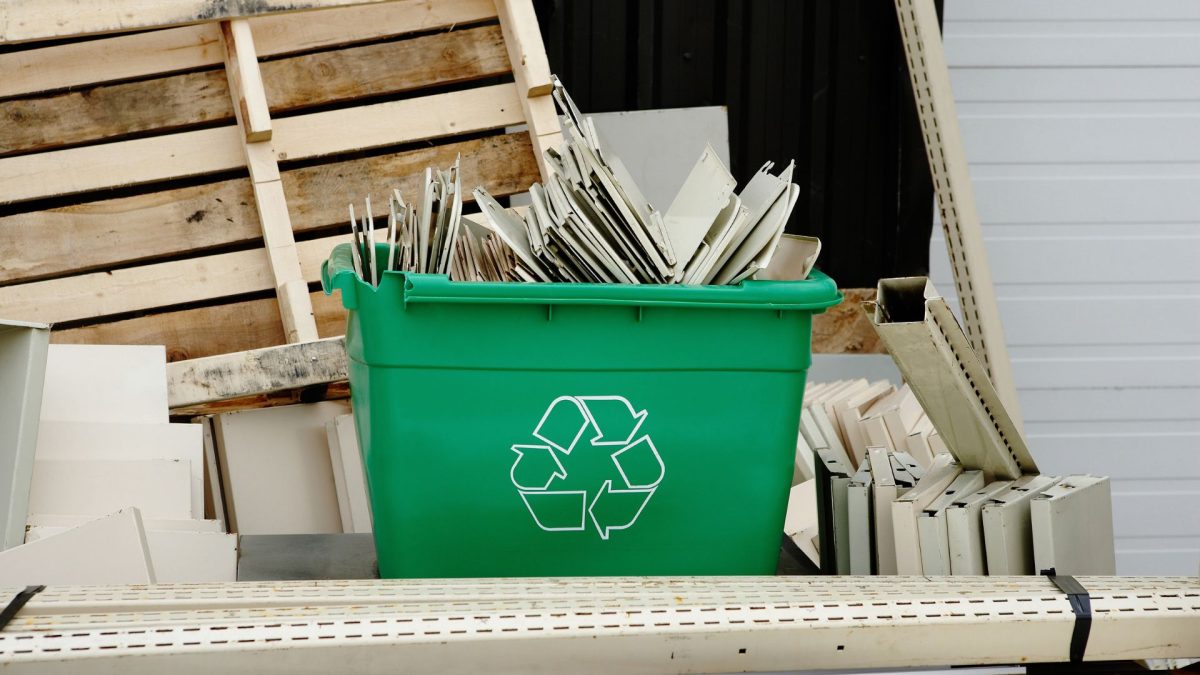
Electronic waste, commonly known as e-waste, includes discarded devices such as computers, smartphones, televisions, and household appliances. With technological innovation accelerating at a rapid pace, consumers often replace gadgets more frequently than ever before. This behavior has led to a substantial increase in e-waste globally, creating a pressing environmental challenge that requires urgent attention. Many people underestimate the long-term consequences of simply tossing electronics into the trash.
E-waste contains materials that do not naturally degrade, meaning they can persist in landfills for decades. In addition, discarded electronics often contain hazardous substances like lead, mercury, cadmium, and brominated flame retardants. These substances can contaminate soil and water, threatening both ecosystems and human health. As technology continues to advance and electronic devices become more complex, the accumulation of e-waste is expected to increase exponentially. Without proper disposal methods, the consequences for the environment and public health could be devastating, making responsible e-waste management essential for sustainability.
The Environmental Impact of Discarding Electronics
Improper disposal of electronics poses significant environmental hazards. Many electronic devices contain heavy metals that, if left in landfills, can leach into the soil and groundwater. This contamination can disrupt local ecosystems, harm wildlife, and threaten human health. For instance, lead exposure can damage the nervous system, while mercury contamination affects brain function. When electronics decompose in landfills, they also release greenhouse gases, further contributing to climate change.
Beyond the chemical hazards, e-waste adds to the sheer volume of solid waste in our communities. Unlike organic waste, electronic components do not break down naturally and occupy land for extended periods. This growing accumulation strains waste management systems and accelerates the need for new landfills. By understanding the environmental consequences of discarding electronics, it becomes clear that finding safer, more sustainable disposal methods is crucial. Recycling and proper e-waste management provide solutions that protect both the planet and public health from long-term harm.
Valuable Resources Hidden in E-Waste
E-waste is more than just waste; it is a repository of valuable materials that can be recovered and reused. Devices such as smartphones, laptops, and televisions contain precious metals like gold, silver, and copper, as well as rare earth elements used in modern technology. Recycling these materials reduces the need for environmentally destructive mining processes and conserves natural resources. Recovering these materials from old devices also reduces energy consumption, as recycling uses significantly less energy than producing metals from raw ore.
In addition to metals, other components, including plastics and glass, can also be repurposed in manufacturing new products. This circular approach not only prevents harmful materials from entering landfills but also transforms e-waste into a valuable resource. By properly recycling electronics, we can reduce the ecological footprint associated with manufacturing new devices and create a sustainable system that benefits both the environment and the economy. Recognizing the hidden potential in old electronics encourages more responsible consumer behavior and supports global sustainability goals.
Health Hazards Associated with Improper Disposal
Improper handling of e-waste can create serious health risks, particularly for communities near informal recycling operations. In some areas, individuals dismantle electronics without protective equipment, exposing themselves to toxic substances such as lead and mercury. Prolonged exposure to these chemicals can cause severe health problems, including neurological disorders, respiratory diseases, and skin conditions. Children are especially vulnerable, as even small amounts of toxic metals can interfere with growth and development.
Health hazards are not limited to direct contact with e-waste. Toxic substances can migrate through air, water, and soil, impacting communities far from disposal sites. Contaminated water can enter food chains, causing widespread exposure to dangerous chemicals. The environmental and health consequences of improperly discarded electronics highlight the urgency of adopting safe disposal and recycling practices. Proper e-waste management protects both individual health and broader public well-being, making it a responsibility that extends to every household and business that uses electronic devices.

Legal Implications and Regulations
Governments around the world have recognized the importance of regulating e-waste to mitigate environmental and health risks. Many countries have implemented laws that require the proper collection, recycling, and disposal of electronic devices. In the European Union, the Waste Electrical and Electronic Equipment (WEEE) Directive enforces strict standards for e-waste management, ensuring that hazardous materials are safely processed and valuable resources are recovered. Non-compliance can result in significant fines or other penalties.
In the United States, e-waste regulations vary by state but generally aim to prevent harmful disposal practices. Some states have extended producer responsibility programs that require manufacturers to manage the end-of-life of their products. The Philippines, for example, has the Ecological Solid Waste Management Act, which includes provisions for responsible e-waste disposal. Awareness of local regulations is essential for individuals and businesses to avoid legal repercussions. By following the law and using certified recycling channels, consumers can ensure that their electronic waste is handled responsibly, protecting the environment and society.
The Role of Recycling Centers and Programs
Recycling centers play a vital role in mitigating the environmental impact of e-waste. These facilities are equipped to safely dismantle electronic devices, extract valuable materials, and handle hazardous substances responsibly. Recycling centers follow stringent procedures to separate metals, plastics, and glass, ensuring that each component is processed appropriately. Some centers also provide convenient drop-off points for households and businesses, making e-waste recycling more accessible.
Community recycling programs further support responsible e-waste management. Many municipalities organize collection events, encouraging residents to dispose of electronics safely. These programs educate the public on proper recycling practices, ensuring that devices are prepared correctly for processing. By participating in local recycling initiatives, individuals and businesses contribute to a system that minimizes environmental damage and maximizes resource recovery. The combined efforts of recycling centers and public programs create an infrastructure capable of managing e-waste sustainably and effectively.
Donating or Repurposing Old Electronics
Before discarding electronics, consider giving them a second life through donation or repurposing. Many organizations accept working devices, providing valuable resources to schools, charities, and low-income communities. Donating electronics not only reduces waste but also helps bridge the digital divide, offering access to technology for those who might not otherwise afford it. Extending the useful life of electronics benefits both society and the environment.
Repurposing devices can also be a creative and sustainable solution. Old smartphones, for example, can be converted into dedicated music players, security cameras, or digital photo frames. Computers can be upgraded or used as home servers. These approaches reduce the volume of e-waste and make better use of existing materials. By thinking creatively and exploring alternatives to disposal, consumers can actively reduce their environmental footprint while maximizing the value of their electronics.
The Economic Benefits of E-Waste Recycling
Recycling e-waste offers significant economic advantages. The process generates employment opportunities in collection, sorting, and processing facilities, supporting local economies. Extracting valuable materials from old electronics reduces the need for new mining operations, lowering production costs for manufacturers and promoting resource efficiency. This economic benefit encourages investment in sustainable practices and supports the development of green industries.
The recovery of precious metals and other materials from e-waste represents a significant financial opportunity. With the right infrastructure, recycling can generate revenue from materials that would otherwise end up in landfills. Companies that adopt responsible e-waste management practices also benefit from enhanced public reputation and regulatory compliance. The economic incentives, combined with environmental responsibility, make e-waste recycling a win-win solution for businesses, governments, and communities alike.
Educating the Public on E-Waste Disposal
Raising public awareness about e-waste disposal is essential to fostering responsible behavior. Educational campaigns can highlight the environmental, health, and economic impacts of improper disposal while providing clear guidance on recycling options. Informative materials, workshops, and online resources empower individuals to make informed decisions about how to manage their old electronics responsibly.
Schools, community centers, and digital platforms are effective venues for education on e-waste management. By integrating e-waste awareness into public programs and curricula, communities can develop long-term habits that support sustainability. Clear messaging about where and how to recycle electronics ensures that even small actions contribute to broader environmental protection. Public education plays a crucial role in transforming consumer behavior and fostering a culture of responsible e-waste management.
Innovations in E-Waste Management
Advancements in technology are transforming the way e-waste is managed. Innovative recycling methods, such as automated sorting and material recovery, increase efficiency and safety while reducing environmental impact. Companies are developing new techniques to recover rare and precious metals more effectively, minimizing waste and maximizing resource utilization.
Additionally, some businesses are creating circular product designs that facilitate easier recycling at the end of a device’s life. Modular devices, which allow components to be replaced individually, reduce overall waste and extend the lifespan of electronics. These innovations demonstrate how technology itself can be harnessed to address the challenges of e-waste, providing a sustainable path forward and ensuring that future electronics are designed with environmental responsibility in mind.
Conclusion
In summary, the disposal of electronic waste presents serious environmental, health, and economic challenges that cannot be ignored. Electronics contain hazardous materials that threaten soil, water, and public health, while valuable resources remain untapped when devices are discarded improperly. By taking proactive steps, such as recycling, donating, or repurposing old electronics, individuals and businesses can play a critical role in reducing the impact of e-waste and supporting sustainability.
If you are in Palatine, IL, and need assistance with responsible junk removal, including e-waste, 24-7 Junk Removal can help. They provide professional services to ensure your electronics are disposed of safely and recycled when possible. Their team makes the process convenient and environmentally responsible, contributing to a cleaner and healthier community. For more information or to schedule a pickup, you can reach 24-7 Junk Removal at (773) 309-6966 or visit their location at 611 W. Wise Schaumburg, IL 60193. For inquiries, you can also email support@24-7junk.com. Choosing professional junk removal ensures your e-waste is handled properly and your environmental impact is minimized.