Categories
Scrap Metal Recycling

How Scrap Metal Recycling Contributes to Economic and Environmental Benefits

Scrap metal recycling is far more than a responsible environmental practice; it represents a robust economic engine that fuels growth across multiple sectors. By reclaiming metals such as steel, aluminum, copper, and brass from discarded items, businesses and manufacturers reduce their reliance on raw materials, cutting significant costs associated with mining and refining processes. When metals are recycled, the energy and resources required for production drop drastically, allowing manufacturers to channel their budgets toward innovation and efficiency improvements. This creates a ripple effect through local and national economies, fostering financial stability and a more resilient supply chain.

Moreover, the recycling sector itself generates employment opportunities, creating jobs for collection crews, sorting specialists, transportation personnel, and processing facility workers. These positions often provide stable, long-term careers while simultaneously supporting ancillary industries, from logistics to machine maintenance. The economic benefits also extend to entrepreneurial opportunities, as new businesses emerge to service local recycling demands. This dynamic demonstrates that scrap metal recycling is not just an environmentally conscious choice; it’s a catalyst for economic development that supports innovation, employment, and sustainable industrial growth.

Environmental Stewardship Through Metal Recycling

The environmental implications of scrap metal recycling are significant and multifaceted. Mining for virgin metals can devastate ecosystems, disrupt habitats, and lead to soil erosion and water contamination. Recycling metals mitigates these impacts by lessening the need for resource extraction, which in turn conserves biodiversity and protects natural landscapes. By opting for recycled metals, we preserve finite resources and prevent the ecological degradation often associated with traditional mining operations.

Energy conservation is another major environmental benefit. Manufacturing products from raw ores consumes exponentially more energy than repurposing existing metals. For example, producing aluminum from bauxite ore can require up to 95 percent more energy than recycling aluminum. This reduction in energy demand not only lowers carbon emissions but also diminishes reliance on fossil fuels, directly contributing to climate change mitigation. By choosing recycling over raw production, industries can significantly reduce their carbon footprint, making scrap metal recycling an essential pillar in the fight for global environmental sustainability.

Reducing Landfill Waste and Pollution

Landfills are under mounting pressure as urbanization increases and waste volumes rise. Metals occupy a substantial portion of landfill space, and when improperly disposed of, they can release hazardous substances into the soil and groundwater. By recycling scrap metals, we divert a considerable quantity of waste away from landfills, prolonging their operational lifespan and reducing the need for new sites. This action directly reduces land degradation while preventing the contamination of ecosystems surrounding landfill areas.

Beyond preventing contamination, recycling metals contributes to better air quality and environmental health. Incinerating metal-containing waste releases toxic emissions, including heavy metals and particulate matter, which can affect human health and the environment. Through recycling, we minimize these emissions while recovering valuable materials for reuse, creating a sustainable cycle that balances human needs with ecological preservation. This demonstrates that responsible metal recycling is not merely a choice—it is an urgent necessity for protecting our planet and its inhabitants.

Energy Conservation Through Metal Recycling

One of the most compelling arguments for scrap metal recycling lies in its energy efficiency. Manufacturing metals from raw ores is highly energy-intensive, involving complex extraction and refining processes. By recycling scrap metals, industries reduce their energy consumption dramatically, translating into a decrease in greenhouse gas emissions. For instance, producing recycled steel consumes less than half the energy required to manufacture steel from iron ore, making it an environmentally advantageous choice.

The cumulative energy savings are staggering when scaled across industries globally. Reduced energy demand eases the strain on power grids, lowers fossil fuel consumption, and decreases air pollution. This ripple effect extends beyond manufacturing, impacting climate stability and resource conservation. Recycling metals becomes an essential component of sustainable energy management, aligning industrial activity with environmental responsibility and demonstrating how even small actions in waste management can generate significant ecological benefits.

Supporting Sustainable Manufacturing Practices

Scrap metal recycling provides a critical resource for sustainable manufacturing. Companies can utilize recycled metals as raw materials for new products, decreasing their dependence on virgin resources and enhancing supply chain sustainability. This approach not only reduces environmental impact but also fosters innovation in product design, prompting companies to explore more efficient manufacturing processes and eco-friendly materials.
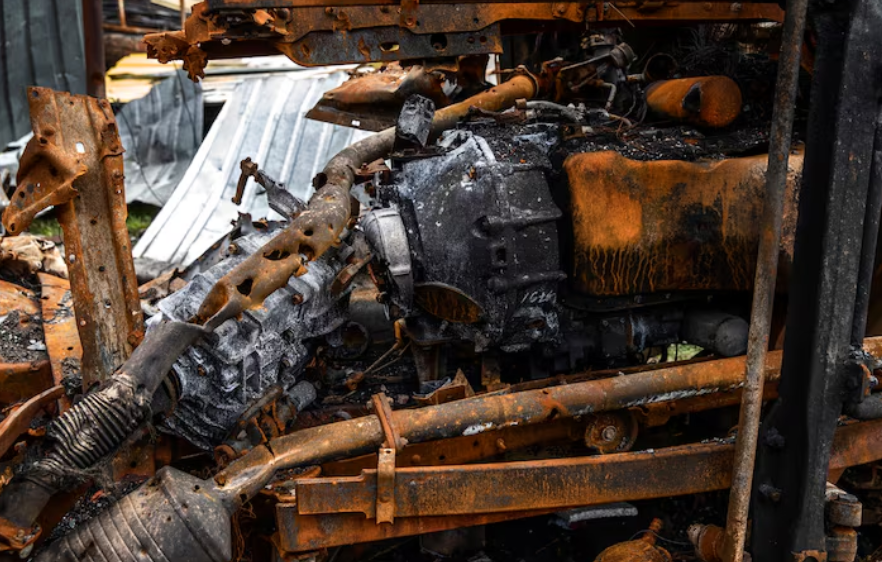
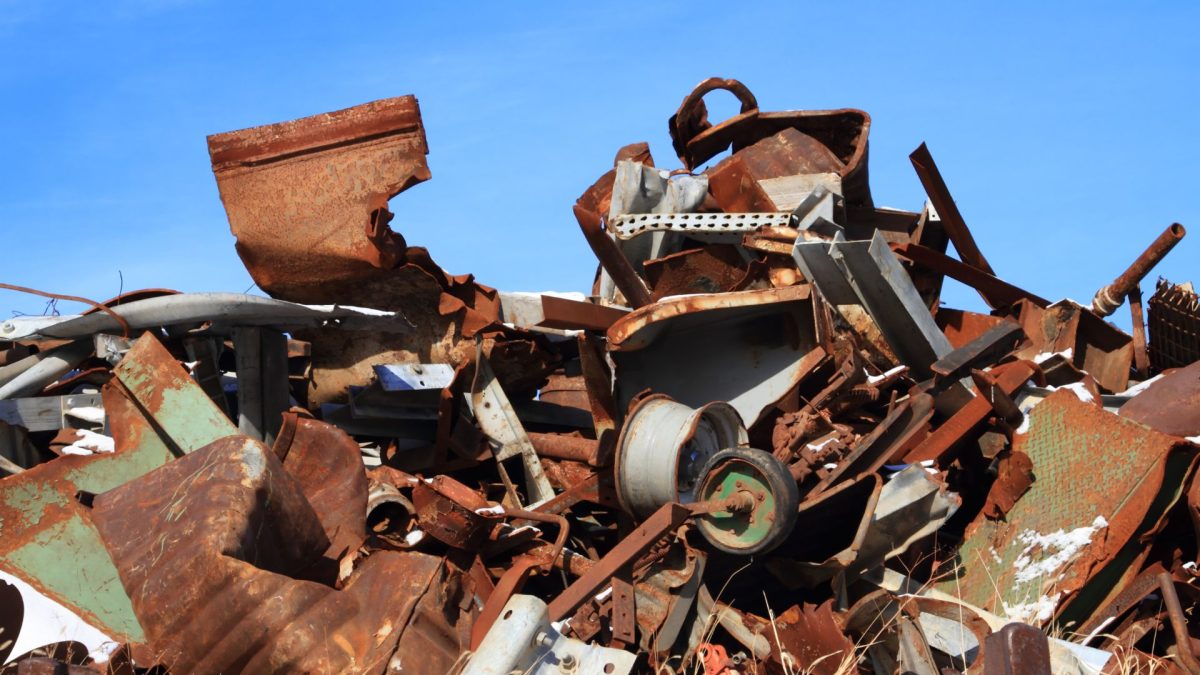
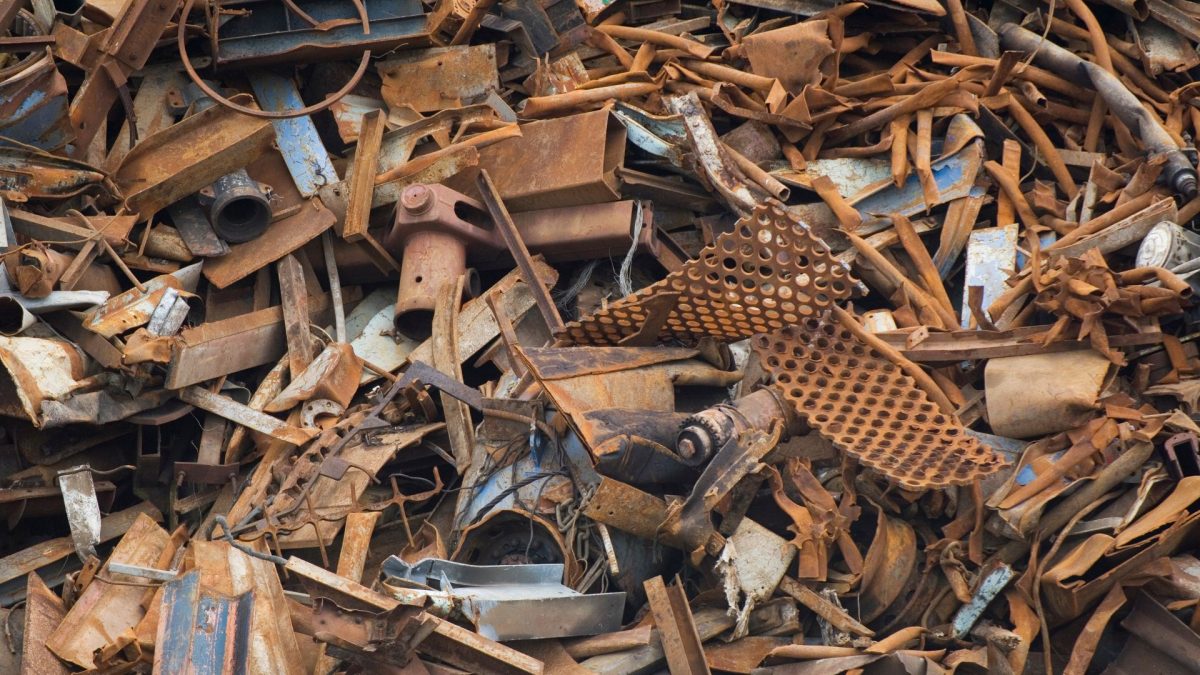
 Scrap Metal

Additionally, sustainable manufacturing practices fueled by recycled metals promote corporate social responsibility. Companies that embrace recycling can market themselves as environmentally conscious, attracting consumers who prioritize sustainability in their purchasing decisions. This alignment between eco-friendly practices and business objectives generates a competitive advantage while reinforcing the importance of reducing waste, conserving resources, and integrating sustainable practices into every stage of production.

Enhancing Community Engagement and Awareness

Scrap metal recycling thrives when communities are actively involved. Local initiatives that provide accessible collection points and educational campaigns can increase public participation, ensuring that valuable metals are recovered rather than discarded. Community-driven recycling programs empower residents to contribute to environmental preservation while fostering a collective sense of responsibility for sustainable practices.

Engagement goes beyond environmental impact—it also benefits local economies. Recycling programs create job opportunities, develop new skills among participants, and stimulate economic activity in neighborhoods. Schools, businesses, and municipalities can collaborate to increase awareness, host recycling drives, and promote the circular economy, instilling sustainable habits that last for generations. By weaving recycling into the fabric of community life, we cultivate both environmental stewardship and economic resilience.

Promoting Global Sustainability Goals

Recycling scrap metals directly supports global sustainability objectives. By conserving resources, minimizing landfill waste, and reducing emissions, recycling aligns with international targets for environmental protection and climate action. Countries adopting comprehensive recycling programs demonstrate leadership in sustainable development while contributing to worldwide efforts to preserve natural resources for future generations.

The circular economy model is central to global sustainability. Instead of the traditional linear model of “take, make, dispose,” recycling fosters a system in which materials are reused, refurbished, and regenerated. This approach reduces dependence on finite resources, promotes economic efficiency, and ensures that environmental impact is minimized. By supporting this model, individuals, industries, and governments contribute to long-term global sustainability, creating a more balanced and resilient world.

Mitigating Climate Change Through Emission Reductions

Climate change remains one of the most pressing challenges of our time, and metal production contributes significantly to greenhouse gas emissions. Recycling scrap metals mitigates this problem by reducing the need for energy-intensive primary production, which in turn lowers carbon emissions and diminishes environmental impact. Choosing recycled materials over raw metals directly contributes to climate change mitigation and supports international targets for reducing greenhouse gas outputs.

Furthermore, recycling encourages industries to adopt low-carbon practices and integrate sustainability into their operations. By reducing energy use, conserving resources, and minimizing industrial emissions, scrap metal recycling plays an essential role in global climate strategies. Each recycled item contributes to a cumulative reduction in carbon footprint, demonstrating that small, consistent actions in metal recycling can have significant long-term effects on the health of our planet.

Strengthening Local Economies Through Recycling Initiatives

Local economies thrive when recycling infrastructure is in place. Recycling centers provide jobs, stimulate commerce, and reduce production costs for businesses by supplying affordable, recycled raw materials. Communities benefit from a dynamic local economy that encourages investment, entrepreneurial activity, and workforce development, creating a cycle of growth and sustainability.

Businesses that prioritize recycled materials can improve operational efficiency, attract environmentally conscious consumers, and enhance profitability. This not only strengthens the financial resilience of local enterprises but also contributes to broader economic stability within the region. Scrap metal recycling serves as a tangible demonstration of how environmental responsibility and economic prosperity can coexist, offering a pathway for sustainable local development.

Conclusion

Scrap metal recycling offers a unique intersection of economic growth and environmental responsibility. By reducing energy consumption, conserving natural resources, and mitigating greenhouse gas emissions, recycling directly supports global sustainability efforts while stimulating economic development. The practice enhances local economies through job creation, boosts manufacturing efficiency, and fosters community engagement, demonstrating that responsible waste management has far-reaching impacts that extend beyond the individual or business level.

In Palatine, IL, 24-7 Junk Removal exemplifies the advantages of integrating recycling into daily life. Their comprehensive junk removal services not only help declutter homes and businesses but ensure materials are processed in an environmentally friendly manner. With a commitment to sustainability and efficient waste management, they provide an essential service that benefits both the community and the planet. For Palatine residents and businesses seeking convenient, eco-friendly solutions, 24-7 Junk Removal can be contacted at (773) 309-6966, offering expertise in junk removal while championing the recycling of scrap metal and other materials.
Categories
Scrap Metal Recycling

How Scrap Metal Removal Can Boost Your Eco-Friendly Efforts

Scrap metal often accumulates unnoticed in homes, garages, and commercial spaces, quietly occupying room while contributing to environmental strain. Removing this metal not only declutters your space but also gives materials a second life through recycling. Metals like aluminum, copper, and steel can be melted and reused without losing quality, reducing the need for mining raw resources. This circular approach minimizes energy consumption and greenhouse gas emissions, making a tangible difference in sustainability efforts. Beyond environmental benefits, it creates economic value by turning discarded items into valuable resources for manufacturing and industry.

Engaging in scrap metal removal is a proactive step toward greener living. Instead of letting metals languish in landfills where they contribute to soil and water contamination, recycling these materials supports cleaner production cycles. By participating in responsible disposal, homeowners and businesses alike foster eco-conscious habits that ripple across communities. The act of removing scrap metal transforms clutter into a catalyst for environmental stewardship, aligning everyday practices with broader sustainability goals. This approach enhances both personal and corporate responsibility toward the planet.

Enhancing Your Recycling Routine

Integrating scrap metal removal into your regular recycling habits amplifies the impact of your eco-friendly efforts. Unlike plastics or paper, metals retain their integrity indefinitely, which means each item recycled is a long-term contribution to resource conservation. Establishing designated collection points at home or work simplifies the sorting process and encourages consistent recycling. With organized systems, even overlooked items like old appliances, wiring, or automotive parts can be efficiently processed, reducing the strain on municipal waste services.

Furthermore, scrap metal removal promotes mindful consumption. Recognizing the value of metals encourages individuals and organizations to evaluate purchases, repair rather than replace, and prioritize materials that can be repurposed. This mindset decreases unnecessary waste and fosters sustainable habits. By elevating scrap metal from discarded clutter to a recyclable resource, you actively support environmental preservation. The ripple effect extends beyond your immediate space, inspiring peers and community members to adopt greener practices that collectively enhance ecological health.

Reducing Landfill Pressure

Every ton of scrap metal removed from disposal sites translates to less strain on local landfills. Metals do not biodegrade easily and can leach harmful substances into the soil over time, posing environmental risks. Removing these items ensures they are diverted to facilities capable of recycling or repurposing them responsibly. This reduces the environmental footprint of your waste, preserves local ecosystems, and decreases reliance on unsustainable landfill expansion.

Reducing landfill waste also has socio-economic advantages. Less volume in landfills can mean lower municipal costs for waste management and extended lifespan of existing landfill sites. Communities benefit from cleaner spaces and reduced pollution. Additionally, recycling metals supports industrial supply chains by providing a steady source of materials without depleting natural reserves. Scrap metal removal, therefore, acts as a bridge between environmental responsibility and practical urban management, offering tangible benefits to both the planet and local populations.

Supporting Energy Conservation

Processing raw metals from ores consumes vast amounts of energy, significantly more than recycling existing metals. By removing and recycling scrap metal, you contribute to energy conservation on a measurable scale. Each recycled aluminum can or steel beam repurposed means less electricity and fuel consumed during manufacturing. This reduction in energy demand also translates into lower greenhouse gas emissions, directly combating climate change.

Energy conservation extends beyond industrial metrics to personal impact. By participating in scrap metal removal, individuals demonstrate a commitment to reducing energy waste associated with everyday materials. It is a practical approach to bridging small-scale actions with global environmental outcomes. Over time, widespread engagement in scrap metal recycling can meaningfully reduce the energy footprint of communities and industries, positioning eco-conscious practices as both achievable and impactful.

Encouraging Community Sustainability

Scrap metal removal programs often involve partnerships with local recycling centers, charities, and municipal initiatives. Participating in these efforts reinforces community cohesion and shared responsibility for environmental stewardship. By donating or recycling metals, individuals and businesses contribute to local sustainability projects, including educational campaigns and resource recovery programs. These actions amplify the collective impact of eco-friendly practices, demonstrating that responsible disposal can extend beyond personal benefit to societal advancement.

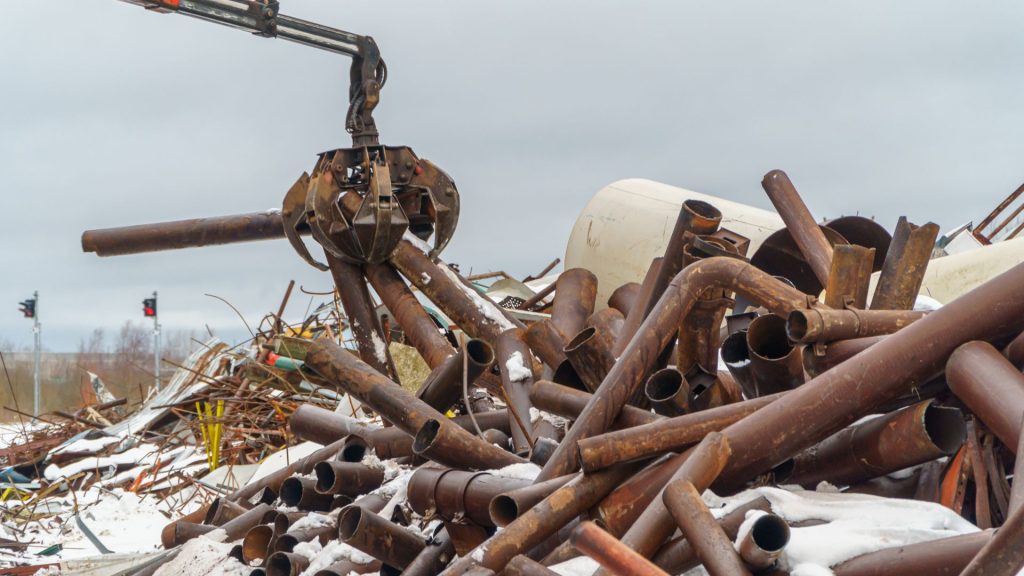
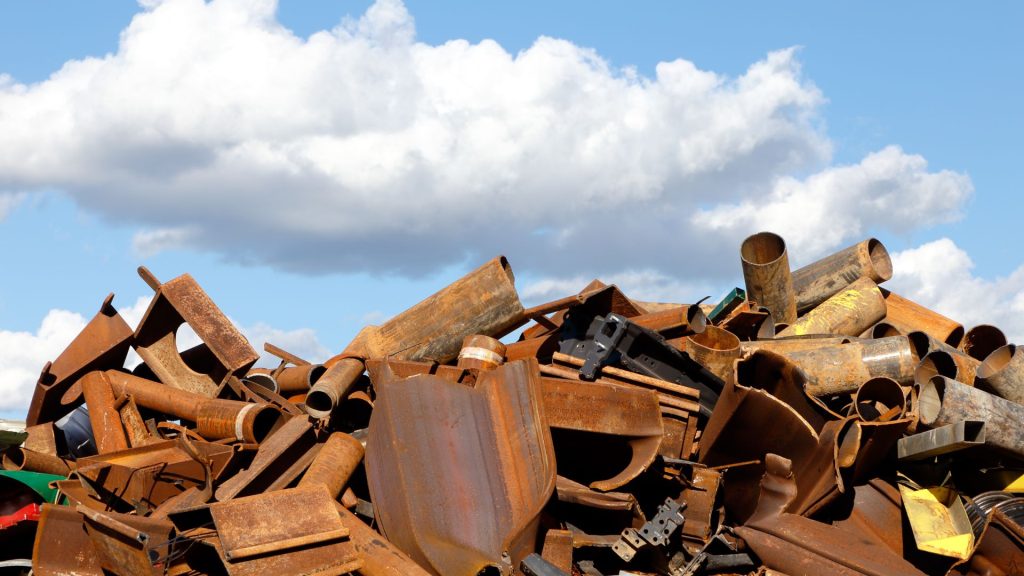
Scrap Metal

Community engagement in scrap metal removal also encourages a culture of awareness and accountability. Neighbors and colleagues observing your efforts may be inspired to adopt similar behaviors, generating a network of environmentally conscious citizens. Over time, these incremental actions contribute to measurable improvements in local environmental quality. The social dimension of recycling metal strengthens community bonds while advancing ecological goals, showing that green efforts are both personal and communal endeavors.

Preventing Environmental Contamination

Metals left unmanaged in landfills can corrode and release toxic elements such as lead, mercury, or cadmium into soil and groundwater. Scrap metal removal mitigates these risks by ensuring proper handling and processing in specialized facilities. This precaution protects ecosystems, maintains soil health, and safeguards water quality for humans, plants, and wildlife. Proactive disposal is particularly critical for electronic metals, which contain complex alloys and hazardous substances that require careful treatment.

By committing to responsible metal removal, you play a role in preserving environmental integrity. Small actions, like sorting metals from general trash, reduce contamination risk and improve recycling efficiency. Proper handling of scrap metals prevents harmful interactions with other waste, ensuring that discarded items do not compromise environmental or public health. This conscientious approach exemplifies sustainable living, where each removed piece of metal becomes part of a broader effort to maintain ecological balance and prevent long-term damage.

Facilitating Corporate Responsibility

For businesses, scrap metal removal is an integral aspect of corporate social responsibility. Companies that actively recycle and dispose of metals responsibly showcase their commitment to sustainability. This practice enhances brand reputation, fosters trust with environmentally conscious clients, and can even result in financial benefits through resource recovery and tax incentives. Sustainable operations demonstrate that profitability and environmental responsibility can coexist.

Implementing structured scrap metal removal programs in workplaces promotes a culture of sustainability among employees. Clear guidelines for recycling metals and regular collection schedules encourage staff participation and raise awareness of ecological impact. Businesses that prioritize environmental stewardship contribute to broader societal efforts while optimizing internal resource use. This proactive approach positions companies as leaders in sustainability, showing that mindful management of scrap metal extends beyond compliance to strategic ecological engagement.

Boosting Economic Opportunities

Scrap metal is a valuable commodity with a global market, and removing it responsibly can unlock economic potential. Collected metals can be sold to recycling centers or repurposed for industrial use, generating revenue while reducing waste. Communities benefit from the economic activity surrounding recycling infrastructure, which creates jobs and supports local enterprises. Responsible disposal, therefore, bridges environmental and financial interests.

Individuals can also capitalize on this value by identifying and segregating high-demand metals from general waste. Copper, aluminum, and steel are particularly sought after in manufacturing, making their proper collection advantageous. Beyond financial gain, engaging in scrap metal removal contributes to a robust circular economy, where materials continually flow through production and recycling cycles rather than stagnating in landfills. This approach demonstrates that environmental responsibility and economic savvy are not mutually exclusive.

Promoting Innovation in Waste Management

The practice of scrap metal removal encourages innovation in waste management techniques and technologies. Companies and municipalities are motivated to develop more efficient collection, sorting, and recycling methods to maximize resource recovery. This drive fosters creative solutions that can be applied to other materials, improving overall waste management efficiency and environmental outcomes.

Innovation also extends to household and commercial practices. Individuals and businesses experimenting with organized scrap metal collection and responsible disposal develop more effective systems for managing waste. Over time, these improvements reduce labor, energy use, and material losses. By engaging in scrap metal removal, participants support continuous refinement of recycling technologies and practices, contributing to an evolving model of sustainable resource management.

Strengthening Environmental Awareness

Regular engagement in scrap metal removal fosters a deeper understanding of environmental issues. Seeing the tangible benefits of recycling metals—from reduced landfill use to energy savings—enhances awareness of human impact on natural resources. This knowledge encourages sustainable decision-making across various aspects of life, from consumption habits to broader environmental advocacy.

Awareness translates into action. Individuals and organizations informed about the consequences of improper metal disposal are more likely to support policies and practices that prioritize sustainability. The visible outcomes of scrap metal removal reinforce the importance of everyday contributions to environmental health. By actively participating, people cultivate a mindset that values resource conservation, responsible consumption, and proactive environmental stewardship, ensuring long-term ecological benefits.

Conclusion

Scrap metal removal is a practical and impactful way to enhance eco-friendly efforts. By diverting metals from landfills, conserving energy, and supporting recycling industries, individuals and businesses can significantly reduce their environmental footprint. Incorporating regular scrap metal collection into daily routines promotes responsible consumption, protects ecosystems, and fosters sustainable community practices. This approach not only benefits the planet but also encourages mindful resource use that has lasting implications.

For residents and businesses in Palatine, IL, partnering with 24-7 Junk Removal ensures professional and environmentally conscious management of scrap metals. Their team provides reliable Junk Removal services that emphasize recycling and responsible disposal. Contact 24-7 Junk Removal at (773) 309-6966 or visit 611 W. Wise Schaumburg, IL 60193 to schedule a service. Their expertise transforms clutter into a contribution toward sustainability, making eco-friendly living more accessible and impactful for the entire community.

Categories
Scrap Metal Recycling

How Scrap Metal Removal Helps Reduce the Amount of Waste in Landfills

In today’s world, where landfills are rapidly reaching their capacity, finding effective methods to reduce the amount of waste is crucial. One significant yet often overlooked contributor to landfill waste is scrap metal. Items such as old appliances, vehicles, and construction debris, when discarded improperly, occupy substantial space in landfills. However, through efficient scrap metal removal and recycling, a considerable portion of this waste can be diverted, leading to a more sustainable environment.

Scrap metal removal involves the collection and processing of discarded metal items to be reused in manufacturing new products. This process not only alleviates the pressure on landfill spaces but also conserves natural resources. Metals like aluminum, copper, and steel can be recycled indefinitely without degrading in quality, making them ideal candidates for recycling. By removing scrap metal from waste streams, we ensure that valuable materials are repurposed, reducing the need for virgin resources and minimizing environmental impact.

The Environmental Impact of Scrap Metal in Landfills

When metal items are disposed of in landfills, they do not decompose like organic materials. Instead, they remain intact for centuries, occupying valuable space and potentially releasing harmful substances into the environment. For instance, metals like lead and mercury can leach into the soil and water, posing significant health risks to humans and wildlife. The accumulation of such metals in landfills contributes to soil and water contamination, highlighting the importance of proper disposal methods.

Moreover, the extraction and processing of new metals require substantial energy and resources. By recycling scrap metal, we reduce the demand for new metal production, leading to lower energy consumption and decreased greenhouse gas emissions. This not only conserves natural resources but also mitigates the adverse effects of mining and manufacturing processes on the environment.

Benefits of Scrap Metal Removal for Landfill Reduction

Engaging in scrap metal removal offers numerous benefits that extend beyond reducing landfill waste. One of the primary advantages is the conservation of natural resources. Recycling metals reduces the need for mining, which is an energy-intensive process that can lead to habitat destruction and pollution. By reusing metals, we preserve ecosystems and reduce the environmental footprint associated with raw material extraction.

Additionally, recycling scrap metal saves energy compared to producing new metals. For example, recycling aluminum saves up to 95% of the energy required to create new aluminum from bauxite ore. This energy savings translates into fewer carbon emissions, contributing to the fight against climate change. Furthermore, recycling metals supports the economy by creating jobs in the recycling industry and reducing the costs associated with waste disposal.

The Role of Scrap Metal Removal in Circular Economy

The concept of a circular economy revolves around minimizing waste and making the most of resources. Scrap metal removal plays a pivotal role in this model by ensuring that metals are reused rather than discarded. When metal items are collected and recycled, they are transformed into raw materials for new products, closing the loop in the production process.

This approach not only reduces the strain on landfill sites but also decreases the environmental impact of manufacturing. By continuously recycling metals, we create a sustainable cycle where resources are perpetually reused, leading to a significant reduction in waste and a more sustainable future.

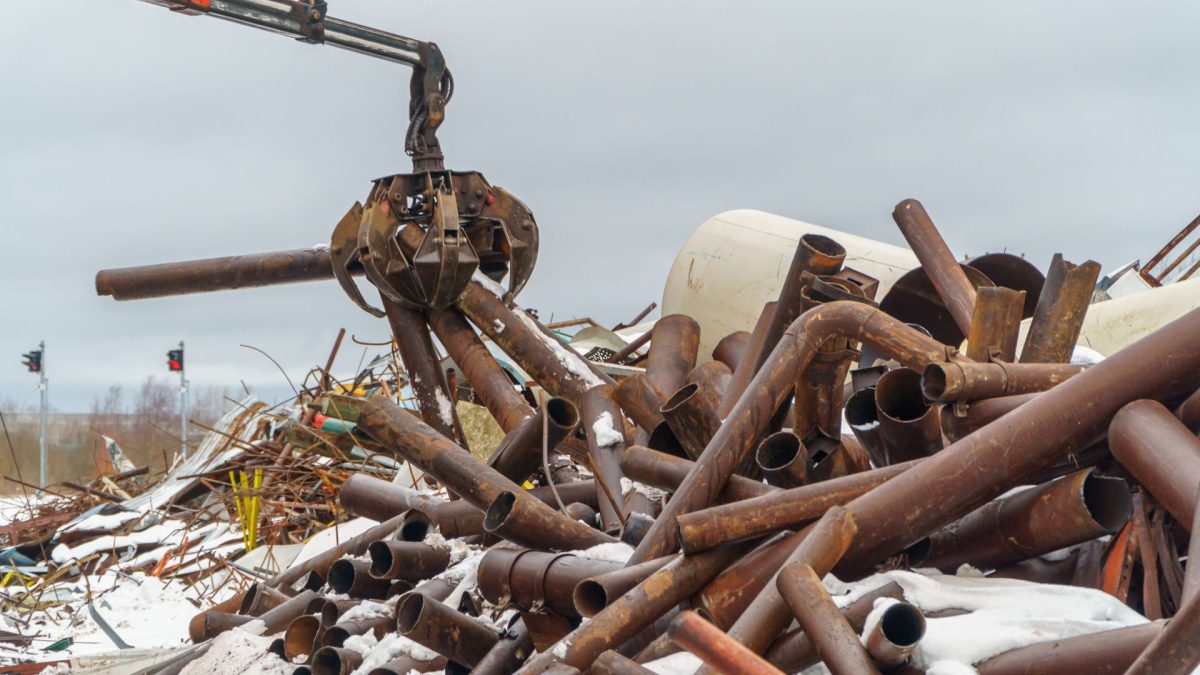
 Scrap Metal Removal

Challenges in Scrap Metal Disposal

Despite the clear benefits, improper disposal of scrap metal remains a significant issue. Many individuals and businesses continue to discard metal items in landfills, unaware of the environmental consequences. Additionally, some metals, such as those containing hazardous substances, require special handling to prevent contamination.

To address these challenges, it is essential to raise awareness about the importance of proper scrap metal disposal. Public education campaigns, accessible recycling facilities, and incentives for recycling can encourage more people to participate in scrap metal removal programs. By overcoming these challenges, we can significantly reduce the amount of metal waste entering landfills.

The Economic Advantages of Scrap Metal Recycling

Beyond environmental benefits, scrap metal recycling offers economic advantages. The process of recycling metals generates revenue through the sale of recycled materials, which can offset the costs of waste management. Businesses that engage in scrap metal removal can also reduce their waste disposal fees, leading to cost savings.

Moreover, the recycling industry creates jobs in various sectors, including collection, sorting, processing, and selling recycled metals. These employment opportunities contribute to the economy and support community development. By investing in scrap metal removal programs, communities can foster economic growth while promoting environmental sustainability.

Technological Advances in Scrap Metal Recycling

Advancements in technology have significantly improved the efficiency of scrap metal recycling. Modern sorting and processing equipment allows for the rapid separation of different metals, ensuring that each type is recycled appropriately. Innovations such as automated shredders and magnetic separators have streamlined the recycling process, making it more cost-effective and less labor-intensive.

These technological improvements have also enhanced the quality of recycled metals, making them more suitable for manufacturing new products. As technology continues to evolve, the potential for increased recycling rates and reduced landfill waste grows, paving the way for a more sustainable future.

Community Involvement in Scrap Metal Removal

Community participation is crucial in the success of scrap metal removal initiatives. Local recycling programs, collection events, and educational workshops can engage residents and businesses in recycling efforts. By fostering a culture of sustainability, communities can work together to reduce landfill waste and promote environmental stewardship.

Additionally, community involvement can lead to the discovery of innovative solutions to recycling challenges. Local knowledge and collaboration can drive the development of effective strategies for scrap metal removal, ensuring that recycling efforts are tailored to the specific needs of the community.

Government Policies Supporting Scrap Metal Recycling

Government policies play a vital role in promoting scrap metal recycling and reducing landfill waste. Regulations that mandate recycling, provide incentives for recycling businesses, and establish penalties for improper disposal can encourage more widespread participation in scrap metal removal programs.

Furthermore, governments can invest in infrastructure that supports recycling, such as establishing accessible collection centers and providing funding for research into recycling technologies. By implementing supportive policies, governments can facilitate the transition toward a more sustainable and circular economy.

Conclusion

In conclusion, scrap metal removal is a critical component in reducing the amount of waste in landfills. By diverting metal items from disposal sites, we conserve natural resources, save energy, and decrease environmental pollution. The benefits extend beyond environmental conservation, offering economic advantages and supporting the principles of a circular economy.

For residents and businesses in Palatine, IL, seeking professional junk removal services, consider reaching out to 24-7 Junk Removal. Located at 611 W. Wise, Schaumburg, IL 60193, they offer efficient and eco-friendly junk removal solutions. Contact them at (773) 309-6966 or via email at support@24-7junk.com to schedule a pickup and contribute to a cleaner, more sustainable community.

Categories
Scrap Metal Recycling

The Impact of Recycling Scrap Metal on Global Sustainability

ransform waste into valuable inputs, minimizing the extraction of virgin materials and reducing enviroIn an era where the strain on natural resources is increasingly apparent, the circular economy emerges as a crucial framework for sustainability. At its core, the circular economy seeks to tnmental stress. Scrap metal recycling exemplifies this philosophy, as it allows metals like aluminum, steel, and copper to be reprocessed into usable products rather than being discarded. The implications of this practice extend beyond simple waste management; it reduces the consumption of raw materials, curbs ecological destruction from mining, and helps maintain biodiversity in natural habitats affected by industrial activities. Metals, being non-renewable resources, require intensive energy and labor to extract from ores. Recycling allows us to bypass much of this extraction process, significantly alleviating the environmental impact while simultaneously supporting industrial production chains.

Beyond resource conservation, metal recycling embodies a sustainable lifecycle approach. The collected scrap metals undergo processes that transform them into high-quality materials suitable for manufacturing. This includes shredding, melting, and refining, each step optimized to conserve energy and reduce emissions. Remarkably, recycling aluminum can save up to ninety-five percent of the energy required to produce new aluminum from bauxite ore, highlighting the immense efficiency gains. Additionally, repurposed metals reduce the need for large-scale mining operations, which are often associated with deforestation, habitat destruction, and soil erosion. By integrating metal recycling into industrial systems, society not only extends the lifespan of natural resources but also aligns production practices with ecological preservation principles. In essence, embracing the circular economy through metal recycling fosters a balance between industrial growth and environmental stewardship.

Environmental Benefits of Recycling Scrap Metal

Recycling scrap metal significantly impacts environmental sustainability by reducing greenhouse gas emissions and mitigating climate change. The production of metals from virgin sources is highly energy-intensive, involving extraction, smelting, and chemical treatments, all of which emit large amounts of carbon dioxide and other harmful pollutants. By reintroducing scrap metals into the production cycle, these emissions are drastically reduced. Steel, aluminum, and copper recycling processes require substantially less energy than virgin metal production, leading to measurable decreases in carbon footprints for industries. This reduction is critical in the global effort to combat climate change, as industrial activities contribute a substantial portion of global greenhouse gas emissions. Moreover, the use of recycled metals supports a more sustainable industrial ecosystem, allowing manufacturers to meet production needs while minimizing environmental harm.

The benefits of metal recycling extend beyond greenhouse gas reduction. Mining operations, essential for producing new metals, often contaminate nearby water sources with heavy metals and toxic chemicals, disrupting ecosystems and threatening human health. By diverting scrap metals from landfills and avoiding the need for fresh mining, recycling mitigates these pollution risks. Additionally, recycling processes generally utilize fewer chemicals and produce less hazardous waste, resulting in cleaner water, air, and soil. Ecosystems near recycling facilities benefit from reduced pollutant exposure, while communities enjoy safer living conditions. The cumulative effect of these practices is a healthier, more sustainable environment, where industrial needs are met without compromising ecological integrity. In this way, scrap metal recycling emerges as a vital environmental strategy with long-term global benefits.

Economic Impacts of Metal Recycling

Metal recycling carries significant economic benefits that extend across industries and communities. The process creates employment opportunities at multiple levels, including collection, transportation, sorting, and processing of metals. These roles provide stable jobs that support local economies and stimulate regional economic growth. Additionally, industries that incorporate recycled metals into their manufacturing processes can significantly reduce production costs. Using recycled materials requires less energy and fewer raw inputs, allowing manufacturers to allocate resources more efficiently and produce goods at lower costs. This combination of employment generation and cost reduction demonstrates that metal recycling is not only environmentally responsible but also economically advantageous, creating a win-win scenario for both businesses and communities.

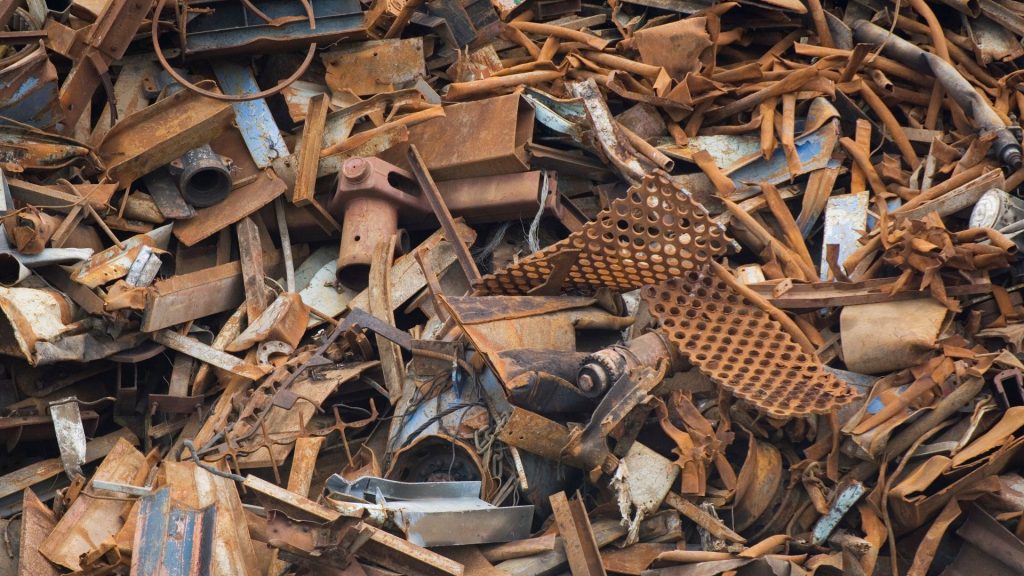
Scrap Metal

Beyond direct financial benefits, recycling also reduces the economic burden of waste management. Landfills are expensive to maintain, requiring large tracts of land, monitoring, and management of environmental risks such as soil and water contamination. By diverting scrap metals from landfills, municipalities can save on disposal costs while extending the operational lifespan of existing landfill facilities. Moreover, recycling supports a secondary market for metals, allowing scrap materials to be bought, sold, and reused multiple times. This circulation of resources strengthens the resilience of local economies, reduces dependence on imported raw materials, and stabilizes market prices for metals. As a result, investing in metal recycling creates an interconnected economic ecosystem that benefits industries, municipalities, and consumers alike.

Energy Conservation Through Metal Recycling

Energy conservation is a cornerstone of global sustainability, and metal recycling plays an indispensable role in reducing energy consumption. Extracting and refining metals from ores consumes enormous amounts of energy, often relying on fossil fuels that contribute to environmental degradation and greenhouse gas emissions. In contrast, recycling metals demands significantly less energy, providing a highly efficient alternative. For example, recycling steel requires approximately sixty to seventy-four percent less energy than producing steel from iron ore. Aluminum recycling is even more remarkable, conserving over ninety percent of the energy typically used in new aluminum production. These energy savings not only reduce operational costs for manufacturers but also contribute substantially to global efforts to limit carbon emissions and preserve natural resources.

The energy efficiency of metal recycling also has cascading environmental effects. By lowering energy demand, industries can reduce the consumption of fossil fuels, thereby limiting air pollution and the environmental consequences of energy extraction. This conservation aligns with broader sustainability goals, including the transition to renewable energy sources and the reduction of global reliance on non-renewable resources. Furthermore, energy savings translate into less strain on national power grids and reduced energy costs for consumers, demonstrating a practical economic advantage alongside environmental benefits. Ultimately, recycling metals is a pivotal strategy that conserves energy, curtails emissions, and supports a more sustainable and resilient industrial system worldwide.

Reducing Landfill Waste Through Metal Recycling

Landfill management is an escalating challenge in urbanized regions, and metal recycling offers an effective solution to this growing problem. Metals are inherently durable and non-biodegradable, meaning that discarded metal products can persist in landfills for hundreds of years. Recycling diverts these materials from waste streams, significantly reducing landfill volume and alleviating associated environmental hazards. By keeping metals out of landfills, communities can preserve space for other types of waste that cannot be recycled, making urban waste management more efficient. This practice also helps prevent the leaching of harmful substances into the soil, which can contaminate groundwater and disrupt surrounding ecosystems.

In addition to environmental protection, reducing landfill waste through recycling supports sustainable urban planning. Landfills are costly and can occupy valuable land that might otherwise serve public or ecological functions. Diverting scrap metals allows municipalities to optimize waste disposal systems and extend landfill lifespans, reducing the frequency and cost of constructing new landfill sites. Moreover, recycling fosters community awareness about the importance of waste reduction and resource conservation, promoting environmentally responsible behaviors. Ultimately, scrap metal recycling contributes to a cleaner, safer, and more sustainable environment while addressing the growing pressures on urban waste infrastructure.

The Role of Technology in Metal Recycling

Technological innovation is transforming the metal recycling industry, making the process more precise, efficient, and sustainable. Advanced sorting technologies, such as automated shredders, magnetic separators, and optical sensors, allow for accurate separation of different metals from mixed waste streams. This precision enhances the quality of recycled metals, ensuring that they meet the standards required for industrial applications. Additionally, automation reduces labor intensity and operational costs, allowing recycling facilities to operate more sustainably and profitably. As technology evolves, the efficiency of recycling operations continues to improve, enabling higher recovery rates and minimizing material loss.

Technology also facilitates the development of closed-loop recycling systems, in which metals can be recycled repeatedly without loss of quality. Innovations in metallurgy and process engineering allow for the extraction of contaminants and the restoration of metal properties, making it feasible to create high-performance materials entirely from recycled inputs. Furthermore, digital platforms for tracking and managing scrap metal supply chains increase transparency and efficiency, enabling better planning and reduced waste. These technological advancements make recycling more economically viable and environmentally impactful, reinforcing the critical role of innovation in advancing global sustainability efforts.

Global Initiatives Promoting Metal Recycling

International organizations and initiatives are increasingly emphasizing the importance of metal recycling for global sustainability. The International Resource Panel and the Global Recycling Foundation, among others, advocate for policies that promote efficient use of materials and encourage industrial recycling practices. These initiatives focus on education, research, and policy guidance, aiming to foster a global understanding of the importance of sustainable metal management. By creating frameworks for responsible recycling, these organizations contribute to a reduction in greenhouse gas emissions, conservation of natural resources, and establishment of a circular economy.

Global initiatives also play a vital role in fostering collaboration between governments, industries, and communities. By sharing best practices, developing recycling standards, and funding research into new recycling technologies, these efforts help overcome challenges related to efficiency, contamination, and infrastructure. Public awareness campaigns further encourage individuals and businesses to participate actively in recycling programs, amplifying environmental benefits at the grassroots level. The collective impact of these initiatives demonstrates that metal recycling is not only a local responsibility but also a global imperative, with far-reaching effects on environmental sustainability and resource security.

Challenges in Metal Recycling

Despite the clear environmental and economic advantages, metal recycling faces a variety of challenges that can hinder its effectiveness. One significant issue is contamination, which occurs when non-recyclable materials are mixed with scrap metals. Contamination reduces the quality of recycled metals, complicates processing, and can result in higher energy consumption during purification. This makes maintaining strict quality control essential for recycling operations to be efficient and sustainable. Additionally, contamination can lead to increased costs and operational inefficiencies, highlighting the need for public education and better collection systems.

Another challenge lies in inadequate infrastructure in certain regions. Many areas lack sufficient recycling facilities, collection systems, or transport networks to handle scrap metal efficiently. This limitation results in a higher proportion of metals being discarded into landfills or illegally dumped, undermining sustainability goals. Furthermore, fluctuating market prices for recycled metals can affect the economic viability of recycling programs, influencing both industrial participation and investment in recycling infrastructure. Addressing these challenges requires coordinated efforts from governments, businesses, and communities to establish robust systems, incentivize participation, and maintain consistent quality standards.

The Future of Metal Recycling

The trajectory of metal recycling is promising, driven by technological innovation, increasing environmental awareness, and global sustainability mandates. Researchers are continuously developing methods to improve efficiency, recover metals from complex waste streams, and enhance the quality of recycled products. Emerging technologies such as AI-driven sorting systems, advanced metallurgy, and automation are expected to further streamline operations, reduce contamination, and expand recycling capacity. These advancements ensure that the benefits of recycling can be realized more fully across industries and regions.

Public engagement is also poised to grow, as awareness campaigns emphasize the importance of responsible waste management. Educational initiatives, community recycling programs, and corporate sustainability commitments are driving higher participation rates, ensuring a consistent flow of recyclable metals. As global demand for metals continues to rise, recycling will be critical in supplementing production, reducing environmental impact, and conserving resources. The future of metal recycling lies in a combination of technology, policy, and societal commitment, positioning it as a central component of sustainable development worldwide.

Conclusion

In summary, recycling scrap metal plays an essential role in achieving global sustainability objectives. By conserving natural resources, reducing energy consumption, limiting greenhouse gas emissions, and preventing environmental pollution, the practice addresses some of the most pressing ecological challenges of the modern era. Beyond environmental benefits, it supports economic growth, creates jobs, and reduces costs associated with waste management, establishing itself as a multifaceted solution to industrial and societal needs. The integration of advanced technologies, international cooperation, and public awareness ensures that metal recycling will continue to evolve, enhancing its efficiency and effectiveness in a rapidly changing world.

For residents and businesses in Palatine, IL, seeking professional junk removal services that prioritize sustainability, 24-7 Junk Removal provides a reliable solution. Located at 611 W. Wise, Schaumburg, IL 60193, they offer comprehensive services that include responsible recycling practices. By engaging with their team, clients can ensure that scrap metals and other materials are disposed of responsibly, reducing environmental impact. For more information or to schedule a service, contact 24-7 Junk Removal at (773) 309-6966 or via email at support@24-7junk.com. Their commitment to sustainable junk removal reflects the broader importance of metal recycling in supporting global environmental and economic well-being.

Categories
Scrap Metal Recycling

How Recycling Metals Reduces the Need for Mining and Conserves Resources

Metal recycling plays a crucial role in minimizing environmental disruption caused by mining. By reclaiming metals from old appliances, vehicles, and construction debris, communities can drastically reduce the demand for freshly mined resources. Mining operations often lead to deforestation, soil erosion, and habitat destruction, impacting local ecosystems and biodiversity. Choosing recycled metals helps mitigate these consequences, ensuring that forests, rivers, and other vital landscapes remain largely untouched. Additionally, recycling metals requires far less energy than extracting and processing ores, which translates into reduced greenhouse gas emissions and lower energy consumption. The conservation of energy further contributes to less environmental strain, reinforcing sustainable practices in everyday life.

Beyond environmental benefits, recycling metals supports resource efficiency by extending the life cycle of existing materials. Instead of letting valuable metals accumulate in landfills, recycling keeps them in circulation, allowing industries to reuse these resources without relying on new mining. This approach not only saves raw materials but also curtails pollution from mining byproducts, such as toxic runoff and particulate matter. By embedding recycling into household and commercial practices, societies can protect natural landscapes, maintain ecological balance, and embrace a future where resource consumption is more responsible and deliberate.

Energy Efficiency Gained Through Reuse

Recycling metals significantly reduces the energy required compared to traditional mining. Extracting metals from ore involves intensive processes like blasting, smelting, and refining, which consume massive amounts of fuel and electricity. In contrast, recycled metals are already processed, and transforming them into usable material demands a fraction of that energy. For example, producing aluminum from recycled scrap uses around ninety percent less energy than mining bauxite and processing it into new aluminum sheets. This energy reduction directly diminishes carbon emissions, contributing to climate change mitigation while conserving fossil fuels for other essential uses.

Moreover, energy savings from metal recycling have broader societal benefits. Lower energy consumption reduces strain on power grids and decreases air pollution associated with energy production, improving overall public health. Industries benefit economically by cutting production costs, and consumers indirectly experience a more sustainable supply chain. Recycling metals also promotes innovation, encouraging technological advancements in collection, sorting, and processing methods. Through reuse, energy efficiency becomes a tangible advantage, creating a circular economy that minimizes waste, maximizes resource value, and lessens the environmental footprint of metal production.

Minimizing Landfill Waste Through Scrap Metal Recovery

Scrap metal recovery prevents vast amounts of waste from ending up in landfills. Metals like steel, copper, and aluminum are highly durable, taking centuries to decompose naturally. When discarded improperly, they occupy valuable landfill space and can leach harmful chemicals into soil and groundwater. By recycling these metals, communities reduce landfill congestion and mitigate potential contamination, creating safer and cleaner environments for both humans and wildlife. Salvaging scrap metal also helps reduce the environmental burden associated with the extraction of virgin resources, linking waste management directly with conservation efforts.

Additionally, recycling encourages responsible disposal habits across households and businesses. People become more conscious of the materials they discard, leading to a culture that prioritizes reuse and environmental stewardship. Commercial sectors can also implement efficient metal recovery programs, ensuring that construction and demolition waste is diverted from landfills. The combination of residential participation and industrial responsibility strengthens community-wide sustainability practices. Ultimately, scrap metal recovery not only safeguards natural spaces but also fosters a practical approach to resource management, reinforcing the importance of thoughtful consumption and disposal in everyday life.

Recycling Metals

Reducing Water Pollution Through Responsible Metal Processing

Mining operations frequently contaminate water sources with heavy metals, acids, and other pollutants. These contaminants disrupt aquatic ecosystems, harm wildlife, and can pose health risks to humans relying on local water supplies. Recycling metals offers a cleaner alternative, as it reduces the need for mining and consequently limits water pollution. By diverting metals from old products into new production cycles, we decrease the runoff of harmful substances into rivers and lakes, protecting both environmental and human health. Water conservation is thus intrinsically linked to metal recycling, underscoring the broader ecological benefits of sustainable practices.

Recycling initiatives also foster innovation in processing methods that are less water-intensive. Modern recycling facilities employ advanced filtration, separation, and treatment techniques to recover metals efficiently while minimizing water usage. These practices further reduce the environmental footprint compared to traditional mining, which often involves water-heavy extraction processes. Communities benefit from cleaner water and healthier ecosystems, while industries achieve compliance with environmental standards and regulations. Supporting recycling programs, therefore, becomes a proactive measure to reduce pollution, conserve water, and ensure that metal consumption does not compromise vital aquatic resources.

Economic Incentives Driving Metal Recycling

Recycling metals is not only environmentally responsible but also economically advantageous. Scrap metal markets create jobs in collection, sorting, processing, and resale, contributing to local economies. Businesses can recover value from materials that would otherwise be considered waste, turning old appliances, vehicles, and structural elements into profitable resources. This approach stimulates economic activity while promoting sustainable practices, demonstrating that environmental stewardship and financial gain can coexist. By participating in metal recycling, communities invest in a system that benefits both the planet and the economy.

In addition to direct economic gains, metal recycling helps industries stabilize material costs. Extracting and processing virgin metals involves fluctuating prices tied to resource scarcity and global demand. Utilizing recycled metals provides a more consistent and cost-effective supply, reducing volatility and supporting long-term planning. Smaller businesses and manufacturers also benefit from access to affordable, recycled materials, enhancing competitiveness and innovation. The intersection of economic incentive and environmental responsibility reinforces the importance of metal recycling as a foundational practice in modern resource management, ensuring that both nature and commerce thrive in tandem.

Reducing Greenhouse Gas Emissions From Industrial Production

Industrial production of metals is a major source of greenhouse gas emissions due to energy-intensive processes. Recycling metals significantly mitigates these emissions by requiring less energy and fewer raw materials. For instance, producing steel from recycled scrap releases far less carbon dioxide than conventional steelmaking from iron ore. Lower emissions help slow climate change, improve air quality, and reduce health risks associated with pollution. The shift toward recycling creates a measurable environmental impact, proving that small actions at the individual and corporate level contribute meaningfully to global climate goals.

Furthermore, the use of recycled metals promotes sustainable industrial practices. Companies incorporating scrap metals into production can demonstrate environmental responsibility, reducing their carbon footprint and meeting regulatory standards. This transparency fosters consumer trust and encourages broader adoption of eco-friendly methods across industries. Recycling metals thus functions as a critical tool in reducing emissions, highlighting the interconnectedness of energy conservation, pollution control, and climate action. Through consistent recycling efforts, society can advance toward a cleaner, healthier, and more sustainable industrial landscape.

Supporting Circular Economy Principles

Metal recycling embodies the essence of a circular economy by keeping resources in use for as long as possible. Rather than following a linear model of extraction, use, and disposal, recycled metals are reincorporated into new products, minimizing waste and conserving finite resources. This cyclical approach reduces reliance on mining, encourages material efficiency, and fosters innovation in product design and manufacturing. Communities adopting circular principles benefit from reduced environmental impact and increased resilience in resource management.

Implementing circular economy practices through metal recycling also enhances societal awareness of consumption patterns. Individuals and businesses recognize the value of extending the life cycle of materials, promoting behavioral changes that reduce waste generation. The integration of recycled metals into new products supports sustainable industrial practices while meeting market demands responsibly. By advancing circular economy ideals, metal recycling not only conserves natural resources but also cultivates a culture of mindful consumption and sustainable development, establishing a blueprint for a more resilient future.

Preserving Non-Renewable Resources for Future Generations

Metals such as copper, aluminum, and nickel are non-renewable, meaning their natural supply is finite. Mining these metals excessively threatens their availability for future generations. Recycling mitigates this risk by reintroducing previously used metals into the production cycle, ensuring long-term resource sustainability. This practice allows society to meet current material needs without compromising the ability of future generations to access essential metals. Conserving non-renewable resources through recycling also lessens environmental degradation associated with continuous mining activities, preserving ecosystems and natural habitats.

Encouraging recycling among communities fosters responsibility toward long-term resource management. Educational initiatives, business programs, and municipal recycling efforts raise awareness about the importance of preserving non-renewable materials. When individuals, households, and businesses actively participate in metal recycling, they collectively contribute to safeguarding critical resources. By maintaining a steady supply of metals for future use, society supports innovation, industrial growth, and environmental conservation, ensuring a balanced approach to development that honors both present and future needs.

Reducing Air Pollution From Mining Operations

Mining operations release particulate matter, sulfur dioxide, and other pollutants into the air, impacting air quality and human health. Recycling metals significantly reduces the demand for mining, thereby lowering the volume of pollutants released. By diverting scrap metals from landfills and reusing them, communities help decrease industrial emissions and improve local air quality. Cleaner air reduces respiratory illnesses, supports healthier ecosystems, and enhances the overall quality of life. Metal recycling thus plays a vital role in protecting both environmental and public health by addressing pollution at its source.

Additionally, the decreased reliance on mining operations encourages industries to invest in cleaner technologies and sustainable practices. Recycling creates a feedback loop where demand for eco-friendly processes grows alongside public and corporate awareness. Cleaner industrial operations result in reduced emissions, energy savings, and improved workplace conditions for employees. The combined environmental and health benefits of air quality improvement highlight the essential role of metal recycling in creating sustainable, livable communities that balance industrial activity with ecological preservation.

Reducing Dependency on Imported Metals

Recycling metals helps reduce dependency on imported raw materials, enhancing national resource security. Countries reliant on imports face supply chain vulnerabilities, price fluctuations, and geopolitical risks. By recycling domestically, communities and industries can reclaim valuable metals locally, minimizing reliance on external sources. This practice supports economic stability and strengthens the resilience of domestic industries against global market pressures, making metal recycling a strategic environmental and economic choice.

Local recycling programs also foster community engagement and innovation in metal recovery methods. By establishing domestic processing facilities, cities and towns create jobs, reduce transportation emissions, and promote sustainable development. Industries benefit from more predictable material supply, while communities gain awareness of responsible consumption practices. Reducing dependency on imported metals through recycling aligns environmental stewardship with economic self-sufficiency, demonstrating how sustainability can reinforce both ecological and national interests.

Conclusion

Recycling metals is a powerful tool for conserving resources, reducing energy consumption, and minimizing environmental degradation. By reclaiming metals from old appliances, construction debris, and vehicles, communities reduce the need for mining, which preserves natural landscapes and decreases pollution. Metal recycling also supports economic growth by creating jobs, stabilizing material costs, and fostering innovation in sustainable industrial practices. By adopting responsible recycling habits, individuals and businesses contribute to a more sustainable, circular economy that benefits both the planet and society.

For residents and businesses in Palatine, IL, 24-7 Junk Removal provides reliable and eco-friendly solutions to manage unwanted metal and other junk efficiently. Their team specializes in sustainable disposal practices, ensuring that materials are properly recycled and repurposed whenever possible. Contact 24-7 Junk Removal at (773) 309-6966 to schedule junk removal services and make a positive impact on resource conservation, environmental protection, and community sustainability. Their professional approach ensures that every junk removal project is handled with care, responsibility, and commitment to a greener future.