Categories
Junk Removal

Best Junk Removal Practices for Restaurants

Restaurants generate an enormous amount of waste daily, from outdated ingredients to worn-out kitchen equipment. Maintaining a clean and organized kitchen is crucial not only for health and safety standards but also for operational efficiency. Implementing consistent junk removal practices ensures that your workspace remains functional and aesthetically pleasing. Clutter can easily slow down food preparation, cause safety hazards, and even attract pests. By prioritizing regular removal of unnecessary items, restaurants can create an environment where staff can work seamlessly and customers feel confident in the cleanliness of the establishment.

A strategic approach involves scheduling frequent assessments of the kitchen and storage areas. Items no longer in use should be identified and promptly removed to prevent accumulation. This proactive method minimizes the risk of clutter-related accidents and allows for optimal utilization of available space. Additionally, segregating recyclable materials and food waste enhances sustainability efforts. Restaurants that integrate organized junk removal into their daily operations find it easier to maintain cleanliness, meet health regulations, and improve overall efficiency, creating a welcoming environment for both employees and guests.

Efficient Storage and Disposal

The back-of-house areas in restaurants often face the challenge of limited storage. Without proper organization, even essential supplies can become difficult to access, slowing down service. Efficient storage combined with systematic junk removal allows staff to quickly locate ingredients, tools, and equipment. Removing obsolete appliances, broken furniture, or expired ingredients creates space for operational essentials, reducing frustration and downtime. This also ensures compliance with safety codes and hygiene regulations, as items are stored appropriately and waste is disposed of correctly.

Establishing a rotation system for inventory and equipment ensures older items are prioritized for use or removal. Restaurants can benefit from partnering with professional services that handle disposal responsibly, including recycling and donation when possible. Not only does this approach prevent clutter, but it also supports environmental sustainability. A well-organized storage area with regular junk removal protocols enhances workflow, promotes safety, and ultimately contributes to a smoother dining experience for patrons, reflecting positively on the restaurant’s reputation.

Scheduled Junk Removal

Routine schedules for junk removal are vital in keeping a restaurant operationally sound. Setting aside specific times for clearing out non-essential items ensures that clutter does not accumulate unnoticed. Whether it is weekly, bi-weekly, or monthly, consistent removal schedules help staff maintain a clean working environment while reducing last-minute stress. Scheduled efforts allow teams to tackle junk methodically, addressing both front and back-of-house areas, from dining rooms to storage spaces.

A structured schedule also aids in planning for waste segregation and recycling. By dedicating time to organize and remove items, restaurants can avoid chaotic disposal practices that may disrupt operations. Professionals in junk removal can assist in establishing a plan that works for the unique rhythm of a restaurant. Consistency in these practices prevents clutter from hindering productivity, ensures health and safety compliance, and reinforces a culture of cleanliness among employees, ultimately leading to a more efficient and pleasant working environment.

Handling Expired and Perishable Items

Restaurants constantly deal with perishable goods that have expiration dates. Failure to remove expired items promptly not only increases the risk of foodborne illnesses but also contributes to unnecessary waste accumulation. Establishing clear protocols for identifying, segregating, and disposing of expired products is essential. Staff should be trained to routinely check inventory, focusing on items approaching their expiration, and ensure that these are removed responsibly.

Integrating professional junk removal services into this process can streamline disposal, ensuring that perishable waste is managed in compliance with local regulations. Moreover, separating organic waste from other refuse allows for more efficient recycling and composting efforts. Proper handling of expired and perishable items reduces clutter in storage areas, prevents contamination of usable goods, and maintains the overall hygiene of the restaurant. This approach safeguards both staff and customer health while supporting a cleaner and more organized operation.

Eco-Friendly Disposal Practices

Sustainability is becoming a central focus in restaurant management, and eco-friendly junk removal plays a significant role. Instead of sending everything to a landfill, restaurants can adopt methods that recycle or donate usable items. This approach not only reduces environmental impact but can also enhance the restaurant’s image, attracting environmentally conscious patrons. Recyclable materials, outdated appliances, and surplus furniture can often find a second life through donation programs, minimizing waste while helping the community.

Restaurants can collaborate with junk removal experts who specialize in sustainable disposal. These professionals sort items for recycling, donation, or safe disposal, taking the burden off restaurant staff. Incorporating eco-friendly practices into daily operations demonstrates responsibility and foresight, fostering a culture of sustainability. Over time, consistent use of environmentally conscious disposal methods reduces the volume of waste, improves efficiency in managing storage space, and aligns the restaurant with broader sustainability initiatives, making operations smoother and more socially responsible.

Managing Large Equipment Disposal

Kitchen appliances and large equipment inevitably reach the end of their lifespan. Mishandling their disposal can create hazards and take up valuable space. Proper planning for removal and replacement of large items like ovens, refrigerators, and dishwashers is essential for maintaining a safe and efficient environment. Removing outdated or broken equipment promptly prevents unnecessary clutter and potential accidents in high-traffic kitchen areas.

Professional junk removal services are invaluable in handling these bulky items. They bring the necessary tools and expertise to safely extract and transport equipment without disrupting restaurant operations. Additionally, some items may be refurbished or recycled, contributing to sustainability goals. Timely disposal ensures that the kitchen remains functional and organized, supporting smooth daily operations and allowing staff to focus on food preparation rather than maneuvering around obsolete appliances. Integrating this approach into regular junk management strategies ensures safety, cleanliness, and operational continuity.

Staff Training and Engagement

Employee involvement is critical in sustaining effective junk removal practices. Staff should be educated on identifying obsolete items, proper waste segregation, and the importance of maintaining a clutter-free environment. Engaging employees in these practices creates a sense of responsibility and ensures that junk removal is not solely reliant on periodic professional services. It also fosters a culture of organization and cleanliness, which reflects positively on the restaurant.

Regular training sessions can include hands-on demonstrations and checklists for daily inspections of storage areas, kitchen corners, and dining spaces. Empowering staff to take initiative in spotting unnecessary items and removing them promptly prevents clutter buildup. Active engagement encourages accountability, reduces safety hazards, and supports operational efficiency. When combined with professional junk removal services, trained and engaged employees form a comprehensive system that keeps the restaurant running smoothly and safely.

Optimizing Dining and Storage Areas

Dining areas, although less cluttered than kitchens, still require consistent junk management. Broken chairs, outdated decor, and unused items can make the space feel cramped and uninviting. Efficient removal practices create a welcoming atmosphere for customers while making room for new additions or seasonal changes. Likewise, storage areas benefit from organized junk removal, ensuring easy access to essential supplies and reducing the time spent searching for items.

Implementing zoning strategies for storage and regular assessments of the dining space helps maintain order. Items that are no longer functional or aesthetically appropriate should be removed promptly. Partnering with professional junk removal services can simplify this process, allowing restaurants to focus on service quality rather than space management challenges. Well-maintained dining and storage areas enhance operational efficiency, customer experience, and the overall impression of cleanliness and care in the establishment.

Safety and Compliance

Maintaining safety standards and regulatory compliance is closely tied to effective junk removal. Accumulated clutter in kitchens and storage areas can create fire hazards, obstruct emergency exits, or contribute to accidents. Regular removal of obsolete equipment, expired products, and unnecessary furniture ensures that the restaurant adheres to health and safety regulations while creating a secure environment for staff and patrons.

Compliance with local waste disposal laws is also critical. Partnering with knowledgeable junk removal services ensures that hazardous or bulky waste is handled appropriately, preventing legal issues and fines. Beyond regulatory adherence, a clean and organized environment reduces the likelihood of workplace injuries and promotes a culture of safety. Integrating consistent junk removal practices into operational routines safeguards both employees and customers, reinforcing the restaurant’s commitment to high standards of hygiene and care.

Cost-Effective Waste Management

Effective junk removal directly impacts a restaurant’s bottom line. Accumulated clutter can slow operations, reduce storage efficiency, and necessitate frequent last-minute purchases of supplies that may already be on hand but hidden. Systematic removal of unwanted items allows restaurants to make better use of existing resources, minimizing waste and saving money. It also reduces expenses associated with emergency cleanups or disposal fees.

Investing in professional junk removal services can prove cost-effective over time. By outsourcing the task, restaurants gain access to trained teams capable of handling both large and small-scale removal efficiently. This approach prevents operational disruptions, enhances productivity, and supports sustainability. Ultimately, a well-planned junk removal strategy protects financial resources, improves workflow, and contributes to a cleaner, safer, and more enjoyable environment for staff and customers alike.

Conclusion

Implementing thoughtful junk removal practices is essential for restaurants that aim to operate efficiently, maintain hygiene, and enhance the customer experience. By regularly assessing storage areas, kitchens, and dining spaces, restaurants can ensure that obsolete equipment, expired items, and unnecessary clutter do not interfere with daily operations. Professional junk removal services provide a reliable solution for safely and sustainably disposing of unwanted items while supporting eco-friendly initiatives and compliance with safety regulations. This not only keeps the workspace clean and organized but also boosts operational efficiency and staff morale, ultimately improving the overall quality of service.

Restaurants in Palatine, IL looking for comprehensive junk removal solutions can rely on 24-7 Junk Removal for professional assistance. Their team specializes in handling commercial waste with care, ensuring safe removal of large equipment, perishable items, and furniture while maintaining operational flow. Customers can contact them at (773) 309-6966 or via email at support@24-7junk.com. The business operates from 611 W. Wise Schaumburg, IL 60193, offering prompt, dependable service tailored to the unique needs of restaurants. Their expertise ensures that junk removal is hassle-free, efficient, and environmentally responsible, making them an ideal partner for any dining establishment.

Categories
Junk Removal

Junk Removal Solutions for Your Office Building

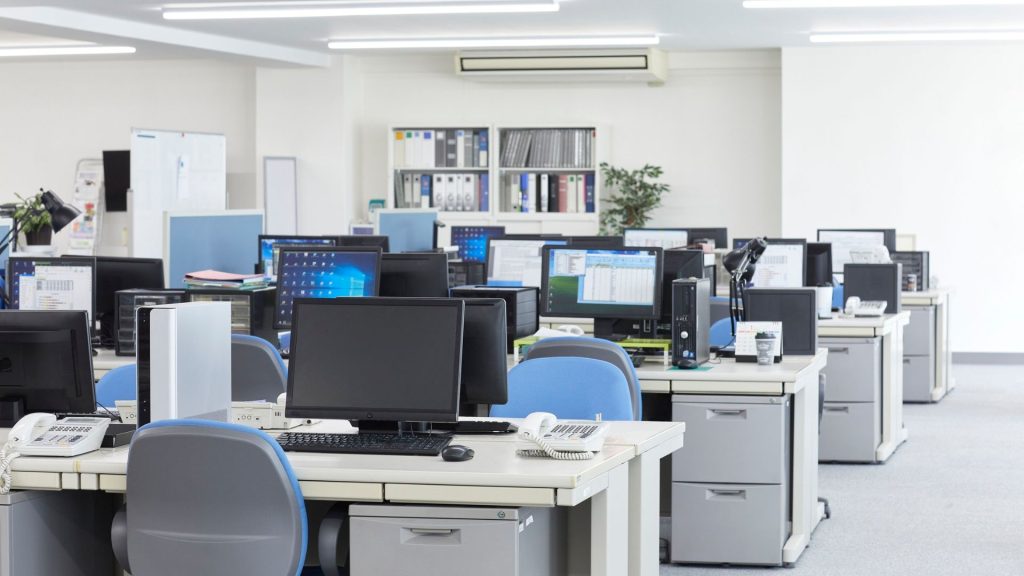
A cluttered office is more than just a visual nuisance—it can quietly undermine efficiency, employee morale, and even workplace safety. Piles of outdated furniture, broken electronics, and unused supplies can create chaos, reducing employees’ ability to focus and slowing down day-to-day operations. Systematic junk removal enables an office to regain order, offering employees an organized space that encourages productivity and collaboration. Beyond simply removing items, a thoughtful approach to decluttering allows office managers to reassess the space, optimize layouts, and create a more functional environment that supports both individual and team productivity.

Office organization impacts psychological well-being as much as it does physical space. Employees working in cluttered environments often feel stressed and overwhelmed, which can diminish their creativity and concentration. Conversely, a clean, streamlined office fosters a sense of pride and responsibility among staff members. By regularly addressing unwanted items, companies not only improve their operational efficiency but also cultivate a culture of attentiveness and professionalism. Incorporating junk removal into routine maintenance ensures that office spaces remain adaptable, accommodating evolving work needs while maintaining a welcoming and organized environment for staff and visitors alike.

Reducing Health and Safety Risks

Office clutter can create more than frustration—it can present real safety hazards. Boxes stacked in corridors, outdated electronics scattered under desks, and unused furniture blocking walkways are all potential causes of trips, falls, and injuries. Even small accumulations of dust and debris can trigger respiratory issues or allergic reactions among employees, especially in spaces with limited ventilation. By addressing these risks through proactive junk removal, businesses not only safeguard employees but also ensure adherence to occupational health and safety standards. Prioritizing safety in office design is an essential step toward maintaining a responsible and compliant workplace.

Proper junk removal also reduces hidden risks such as pest infestations. Unused items, cardboard boxes, and cluttered storage rooms can create perfect hiding spots for insects or rodents, posing health risks and further compromising workplace safety. Removing clutter improves airflow and cleanliness, minimizing these potential problems. Regularly scheduled office cleanouts can prevent long-term hazards from developing, ensuring that employees remain safe and healthy. This proactive approach demonstrates a company’s commitment to workforce well-being, creating a more secure, hygienic, and pleasant environment where both staff and visitors feel protected.

Enhancing Office Aesthetics

The visual appeal of an office carries significant influence on perception and performance. A workspace littered with outdated furniture, scattered papers, or broken equipment can create an impression of disorganization and inefficiency. Effective junk removal opens up office space, revealing cleaner lines, wider walkways, and a more professional appearance. This transformation not only impresses clients and visitors but also fosters a sense of pride among employees. A well-maintained office communicates an organization’s commitment to excellence and attention to detail, enhancing brand reputation and internal morale simultaneously.

Beyond first impressions, aesthetics directly impact employee engagement. Studies have shown that people perform better in organized and visually pleasing environments. Removing excess junk creates a calmer, more inviting atmosphere that supports concentration and creativity. Even seemingly minor changes, such as clearing out storage rooms or replacing worn-out furniture, can dramatically improve the office ambiance. When staff members operate in an environment that feels orderly and inspiring, productivity naturally increases, and the space becomes a reflection of the company’s dedication to both professionalism and employee satisfaction.

Supporting Sustainability Goals

Modern businesses face growing pressure to adopt sustainable practices, and office junk removal offers an effective way to contribute. By recycling electronics, donating usable furniture, and properly disposing of unwanted materials, companies reduce their environmental footprint. Each removed item represents an opportunity to minimize landfill waste, conserve resources, and reinforce a company’s commitment to environmental responsibility. Integrating eco-friendly junk removal strategies into office management aligns with corporate social responsibility objectives, showcasing a company’s dedication to sustainability while also improving operational efficiency.

Sustainable disposal practices also enhance the company culture by encouraging staff awareness of environmental impact. Employees are more likely to engage in recycling initiatives, reduce waste, and participate in green programs when they see that management prioritizes these efforts. In addition, eco-conscious clients and partners often respond positively to businesses that demonstrate environmental stewardship. Office junk removal, when executed with sustainability in mind, extends beyond tidiness—it positions a company as socially responsible, forward-thinking, and dedicated to maintaining both professional excellence and ecological accountability.

Facilitating Technological Upgrades

Outdated technology contributes to office clutter and can impede productivity. Old computers, printers, and networking equipment not only occupy valuable space but also present security concerns if sensitive data is stored improperly. Removing obsolete electronics allows businesses to modernize their infrastructure, creating room for newer devices that enhance efficiency and connectivity. Regular junk removal helps organizations keep pace with technological developments while ensuring the office remains organized and functional.

Beyond creating space, proper disposal of electronics ensures secure handling of sensitive information. Many junk removal services employ strict data destruction protocols, eliminating potential security risks while freeing up office space. This process allows IT departments to replace older devices confidently, knowing that both data protection and compliance requirements are met. Clearing technological clutter supports innovation by enabling seamless integration of new systems, enhancing productivity, and maintaining a secure and well-ordered work environment that accommodates future advancements without unnecessary obstacles.

Improving Storage Efficiency

Inefficient storage is a frequent consequence of accumulated office junk. Excessive paperwork, old supplies, and unused equipment can overcrowd cabinets, shelves, and storage rooms, making it difficult for employees to access necessary resources. Systematic junk removal enables companies to reassess their storage systems, clearing space for essential items and reorganizing inventory. This process creates a more functional environment, where important materials are readily available and wasted space is minimized.

Optimizing storage improves daily operations and workflow. Employees spend less time searching for items, reducing frustration and increasing productivity. Reorganized storage systems support better inventory management, ensuring that supplies and equipment are properly accounted for and easily accessible. By removing unnecessary items, businesses create a structured and efficient workspace that promotes operational fluidity, employee satisfaction, and the capacity to adapt quickly to changing office needs, ultimately enhancing overall organizational performance.

Enhancing Employee Productivity

A tidy, clutter-free office directly influences employee productivity. When workspaces are free of distractions, employees can focus on high-priority tasks and complete them more efficiently. Cluttered desks and storage areas create mental noise, decreasing concentration and increasing stress levels. Regular junk removal cultivates an environment where employees can operate at their full potential, supporting both individual performance and overall organizational output.

Psychological benefits accompany physical improvements. Employees working in clean, organized offices report higher satisfaction and morale, leading to increased engagement and commitment to their work. A decluttered environment conveys that management values employee well-being and operational efficiency, fostering a positive workplace culture. By investing in junk removal, businesses indirectly boost creativity, motivation, and collaboration, resulting in a more productive, harmonious, and resilient workforce capable of achieving long-term goals.

Streamlining Office Renovations

Office renovations or redesigns present a prime opportunity for junk removal. Before construction begins, removing outdated furniture, broken equipment, and accumulated debris is essential to create a safe and functional workspace for contractors. Clearing these items ensures that renovations proceed smoothly and reduces the risk of accidental damage to reusable or newly installed materials. Junk removal, therefore, becomes a crucial preparatory step for any office remodeling project.

Additionally, a clutter-free environment accelerates project timelines and minimizes disruptions to daily operations. Contractors can work more efficiently in spaces free of obstacles, while employees continue their tasks in unaffected areas. Integrating junk removal into renovation planning allows businesses to maximize available space, implement design improvements, and enhance overall workflow. This proactive approach ensures that office upgrades are both cost-effective and timely, resulting in a modernized workspace that balances functionality, aesthetics, and operational needs.

Facilitating Space Reallocation

Business growth and evolving operational needs often require office reconfiguration. Junk removal supports space reallocation by clearing outdated equipment, surplus furniture, and obsolete materials. Removing these items creates opportunities to redesign office layouts, incorporate collaborative areas, or introduce specialized workstations. Effective space management allows companies to accommodate changing team structures without incurring the costs associated with physical expansion.

Reallocation improves workflow and communication by creating purpose-driven areas that meet specific business needs. Open-concept layouts, private offices, and meeting spaces can be implemented once unnecessary items are removed, enhancing collaboration and efficiency. Junk removal acts as a foundation for strategic office planning, ensuring that spatial changes support long-term business objectives while maintaining a comfortable, organized, and adaptable environment for employees to thrive.

Supporting Compliance and Risk Management

Maintaining compliance with safety regulations and internal policies requires attention to cluttered spaces. Accumulated office junk can block fire exits, hinder emergency procedures, and violate local safety codes. Systematic junk removal ensures that offices meet regulatory standards while reducing potential liability risks. By maintaining a clutter-free environment, businesses safeguard employees and visitors, protecting both human and organizational assets.

Risk management extends beyond regulatory compliance. Unstable stacks of boxes, broken furniture, and neglected equipment increase the likelihood of workplace accidents. Removing these hazards reduces incidents, lowers insurance claims, and reinforces a culture of accountability and responsibility. Incorporating junk removal into regular office maintenance demonstrates a proactive commitment to safety and efficiency, ensuring that operations continue smoothly and that the workspace remains secure, functional, and fully compliant with safety and regulatory standards.

Conclusion

Professional junk removal is a vital strategy for transforming office buildings into clean, efficient, and visually appealing environments. Clearing clutter improves aesthetics, enhances productivity, and minimizes safety hazards, creating a space where employees feel motivated and engaged. Junk removal also supports sustainability, allowing businesses to recycle and responsibly dispose of materials while fostering environmentally conscious practices. By incorporating this approach into routine office management, organizations can optimize operations, improve employee satisfaction, and maintain a professional image that reflects attention to detail and care for staff and visitors alike.

For businesses in Palatine, IL, 24-7 Junk Removal provides comprehensive solutions for office junk removal. Their team ensures that unwanted furniture, electronics, and miscellaneous items are removed efficiently, responsibly, and with minimal disruption to daily operations. With a commitment to sustainability and customer satisfaction, they help businesses reclaim space and streamline workflow. Contact 24-7 Junk Removal at (773) 309-6966, or visit their Palatine location at 611 W. Wise Schaumburg, IL 60193. Email support@24-7junk.com for inquiries and service scheduling, making it easy for local companies to maintain a clean, productive, and professional office environment.

Categories
Junk Removal

How to Maximize Your Warehouse Space with Junk Removal

In many warehouses, the accumulation of unused items and hidden clutter slowly eats away at available space. These overlooked materials, from outdated equipment to excess packaging, occupy areas that could otherwise be utilized for productive purposes. Taking the time to identify these items requires a thorough inspection and an honest assessment of what is truly necessary. By mapping out areas where items are stored unnecessarily or inefficiently, warehouse managers can create a plan to reclaim valuable square footage. The goal is to separate essential inventory from items that are redundant or no longer serve a purpose. This process often reveals hidden pockets of space that can dramatically improve warehouse efficiency.

Once clutter is identified, it’s essential to categorize items for removal or repurposing. Decisions should be made based on frequency of use, value, and potential for donation or recycling. The elimination of excess items not only frees up physical space but also reduces the complexity of inventory management. With less clutter, workflows can become smoother, and employees can locate and retrieve materials faster. The cumulative effect of this practice is a more organized, accessible, and safer warehouse environment, setting the stage for implementing a strategic junk removal plan that maximizes storage potential and operational efficiency.

Implementing a Strategic Junk Removal Plan

Creating a structured junk removal plan is a pivotal step toward optimizing warehouse space. A well-thought-out plan should outline which items need to be removed, how they will be disposed of, and the timeline for completion. By approaching junk removal strategically, warehouses can avoid the pitfalls of haphazard decluttering, which often leads to inefficiency or even temporary chaos. Scheduling regular removal sessions ensures that waste does not accumulate again, and adopting a consistent process helps maintain a streamlined environment over time. The focus should always be on achieving long-term spatial optimization rather than short-term tidying.

A successful strategy involves coordination with professional removal services to handle bulky or hazardous items safely. Engaging experts ensures compliance with environmental regulations while freeing internal staff for operational tasks. Additionally, a strategic plan can integrate sorting for recycling and donation, reducing the environmental impact of warehouse cleanup. Clear documentation of removed items also helps track inventory and can provide insight for future purchasing decisions, avoiding unnecessary stockpiling. By combining planning, professional assistance, and systematic organization, warehouses can achieve a more spacious and functional layout that supports higher productivity and safer operations.

Maximizing Vertical Storage Options

One often overlooked method to expand usable warehouse space is the effective use of vertical storage. Shelving units, racks, and mezzanine platforms can transform wasted vertical space into valuable storage areas. This approach not only increases capacity without enlarging the warehouse footprint but also facilitates easier access to stored items. By stacking inventory strategically and using durable, adjustable shelving, warehouses can make full use of the height of their spaces, reducing congestion on the floor. Vertical storage also improves visibility and organization, allowing staff to quickly locate and retrieve items without sifting through piles of clutter.

Implementing vertical solutions should be done carefully, considering weight limits, safety protocols, and the frequency of item retrieval. Equipment such as forklifts or ladder systems may be necessary to safely access higher levels. Organizing items by size, weight, and accessibility ensures efficiency while preventing accidents. Vertical storage, combined with the removal of unnecessary items, allows warehouses to operate at peak capacity. This approach transforms previously underutilized space into a well-organized system, where every cubic foot contributes to overall operational productivity and safety.

Efficient Layout Reconfiguration

Reconfiguring the layout of a warehouse can drastically improve space utilization and workflow efficiency. Often, the original design of storage and aisles may not reflect current operational needs. By analyzing movement patterns and storage demands, warehouse managers can create layouts that minimize wasted space and streamline access to frequently used items. This may involve relocating bulky or rarely used items to less accessible areas and ensuring that high-demand products are positioned for optimal retrieval. Efficient layout planning reduces bottlenecks, enhances safety, and allows for easier integration of new inventory or equipment.

Adjustments in layout should also consider the balance between storage density and accessibility. Narrow aisles can maximize storage but may hinder movement, while wider aisles improve efficiency but reduce capacity. Finding the right mix tailored to specific warehouse operations is crucial. Using modular or movable storage systems provides flexibility to adapt to changing inventory volumes. This method, combined with regular junk removal, ensures the warehouse remains dynamic, capable of handling growth without compromising safety or accessibility.

Leveraging Seasonal and Demand-Based Inventory Management

Seasonal fluctuations and shifting demand patterns can cause warehouses to retain excess stock that occupies valuable space unnecessarily. Implementing demand-based inventory management ensures that only the required quantities are kept on-site, reducing storage clutter. Items not needed immediately can be relocated, donated, or recycled, freeing room for active inventory. By aligning storage practices with actual usage trends, warehouses maintain better organization and prevent the accumulation of obsolete or redundant products. This approach supports a more agile and responsive supply chain, enhancing operational efficiency while maximizing available space.

Effective management includes tracking sales data, forecasting demand, and establishing reorder points to maintain optimal stock levels. Excess inventory identified during these analyses can be scheduled for removal, either through redistribution to other facilities, donation, or recycling programs. Regular reviews of inventory ensure space remains flexible to accommodate new or high-priority items. This proactive management approach prevents warehouses from becoming overfilled and maintains a clean, organized environment that supports both efficiency and safety.

Streamlining Aisles and Pathways

Clear, organized aisles and pathways are fundamental to an efficient warehouse layout. Cluttered or blocked passages reduce accessibility, increase the risk of accidents, and limit operational speed. Streamlining these areas by removing unnecessary items and installing designated storage zones improves both safety and efficiency. Straight, unobstructed paths allow for quicker movement of forklifts, pallet jacks, and staff, reducing time wasted navigating around obstacles. The visibility gained from open pathways also aids in inventory checks and emergency preparedness, making it a critical aspect of warehouse optimization.

To maintain streamlined aisles, it is important to establish consistent storage protocols. Items should be categorized and placed in specific zones according to frequency of use and weight. Implementing visual cues like signage and floor markings helps enforce proper organization. Routine inspections and cleanup schedules ensure that aisles remain free of obstructions. By combining these practices with targeted junk removal, warehouses can achieve a safe and efficient operational flow, enhancing productivity and reducing the potential for workplace injuries.

Enhancing Workflow with Designated Zones

Designated zones within a warehouse can significantly improve workflow efficiency. Assigning specific areas for receiving, processing, storage, and shipping creates a clear operational structure, minimizing confusion and wasted movement. Each zone can be organized according to the type of items it handles, whether that be high-value equipment, bulk storage, or perishable goods. By defining these zones and keeping them free of unnecessary clutter, warehouses improve employee efficiency and reduce errors in handling inventory. Organized zones also make it easier to implement quality control measures and maintain accountability for stored items.

Creating and maintaining these zones involves regularly reviewing inventory placement and removing items that no longer belong. A warehouse that adopts a structured approach to zoning allows for smoother transitions between tasks, reducing downtime and enhancing productivity. This system works best when combined with a consistent junk removal program, ensuring that each area remains optimized for its specific purpose. Over time, designated zones contribute to a more organized, accessible, and productive warehouse environment.

Integrating Technology for Space Optimization

Technology can play a crucial role in optimizing warehouse space. Digital inventory systems, barcode scanning, and automated tracking allow managers to monitor stock levels accurately and identify areas where space is underutilized. By integrating technology into warehouse management, it is possible to plan storage solutions more efficiently and anticipate future space needs. Technology can also assist in scheduling junk removal and tracking disposed items, ensuring that space-clearing initiatives are documented and consistently executed. This approach maximizes space utilization while maintaining a high level of organization and accountability.

Using technology effectively involves analyzing data collected through inventory systems to identify trends in item turnover, storage patterns, and waste generation. Predictive analytics can guide decisions on what to remove, recycle, or reorganize, ensuring proactive space management. Coupled with physical junk removal, technological integration creates a warehouse environment where every inch is accounted for, and storage decisions are informed by real-time data. This synergy between digital tools and practical cleanup strategies results in a highly optimized and responsive warehouse layout.

Prioritizing Safety During Space Optimization

Safety should remain a top priority when removing junk and reorganizing warehouse space. Overloaded shelves, unstable stacks, and poorly placed items pose risks to employees and equipment. Ensuring that all removed items are disposed of properly and that remaining storage is secure prevents accidents and promotes a culture of safety. Adequate lighting, proper signage, and safety protocols should accompany any space optimization effort. By prioritizing safety, warehouses can maximize space without compromising the well-being of staff or the integrity of stored goods.

Safety measures should be integrated into every stage of the junk removal and reorganization process. Staff training, regular audits, and adherence to occupational health guidelines ensure that space optimization does not create new hazards. Maintaining clear zones for emergency exits and handling hazardous materials correctly are essential practices. When combined with a systematic junk removal program, these precautions foster a secure environment where warehouse operations are efficient, organized, and compliant with safety standards.

Continuous Review and Maintenance

Maximizing warehouse space is not a one-time effort but an ongoing process that requires regular review and maintenance. Consistent inspections, inventory audits, and cleanup routines help identify potential issues before they escalate. By establishing a culture of continuous improvement, warehouses can adapt to changing inventory needs and prevent space from becoming constrained over time. This proactive approach ensures that the benefits of junk removal are sustained and that warehouse efficiency remains high. Implementing checklists, schedules, and accountability measures helps maintain organization and keeps clutter from accumulating again.

Maintenance should include periodic reassessment of storage systems, removal of obsolete items, and updates to operational procedures based on observed inefficiencies. Engaging employees in the process promotes awareness and responsibility, fostering a collaborative effort toward space optimization. By treating space management as a continuous cycle, warehouses ensure long-term operational effectiveness, safety, and organization, making full use of available resources while reducing the stress of sudden, large-scale cleanouts.

Conclusion

Optimizing warehouse space through junk removal transforms not only the physical environment but also the operational efficiency of the facility. A clean, well-organized warehouse promotes safety, improves workflow, and creates room for future growth. Establishing a consistent junk removal routine ensures that clutter does not accumulate and that space remains flexible and accessible. By prioritizing organization and systematically removing unnecessary items, warehouses can maximize every available square foot while supporting efficient inventory management, streamlined processes, and enhanced employee productivity.

For businesses seeking professional support, 24-7 Junk Removal in Palatine, IL offers comprehensive junk removal services tailored to warehouse optimization. Their team can safely remove bulky, outdated, or unwanted items, providing a cleaner and more functional workspace. To schedule services, contact them at (773) 309-6966 or visit their location at 611 W. Wise Schaumburg, IL 60193. Whether it’s for reorganizing storage, improving workflow, or reclaiming lost space, their expertise ensures that warehouse environments are efficient, safe, and clutter-free, supporting long-term operational success.

Categories
Junk Removal

5 Key Reasons to Invest in Professional Junk Removal for Your Business

A cluttered workspace is more than just a visual distraction; it can pose serious safety hazards that affect both employees and visitors. Items left lying around, heavy objects stacked unsafely, and poorly managed materials create environments ripe for slips, trips, and falls. Even seemingly minor clutter can block emergency exits or impede evacuation routes, potentially violating fire codes and safety regulations. Professional junk removal services specialize in systematically assessing your space to eliminate such risks, ensuring a safer environment for everyone who enters. This proactive approach not only protects your staff but also reduces the likelihood of workplace injuries that can lead to costly insurance claims and legal challenges.

Beyond physical hazards, maintaining compliance with local regulations is a critical responsibility for any business owner. By regularly investing in professional junk removal, you demonstrate diligence in adhering to occupational safety standards and environmental guidelines. Employees are more likely to follow best practices in a workspace that is well-organized and free of unnecessary obstacles. This creates a culture of safety and accountability, boosting morale and reducing incidents of workplace negligence. Ultimately, professional junk removal services transform your business environment into a safer, legally compliant, and more productive space that fosters well-being and operational reliability.

Boost Operational Efficiency

Efficiency in business operations is heavily influenced by organization. When workspaces are cluttered, employees spend valuable time searching for tools, documents, or materials, which interrupts workflow and reduces productivity. This is especially critical in high-paced environments where even small delays can accumulate into significant losses over time. Professional junk removal services ensure that your office, warehouse, or commercial facility is free from unnecessary clutter, allowing your team to focus fully on core tasks. By eliminating obstacles, you empower employees to operate more smoothly, make faster decisions, and maintain higher levels of concentration throughout the workday.

Moreover, organized spaces can foster creativity and innovation, particularly in industries that rely on collaboration and problem-solving. When employees are not distracted by disorganization, they are better able to communicate ideas and coordinate projects. Streamlined spaces also enable management to implement more effective systems for storage, inventory, and workflow, further enhancing operational efficiency. Professional junk removal contributes to this by not only removing obsolete or redundant items but also by providing insight into how your space can be optimized. The result is a business environment that maximizes employee output, minimizes downtime, and aligns with long-term productivity goals.

Improve Customer Perception and Brand Image

Your business environment communicates volumes about your values and professionalism, often before a single word is spoken. A cluttered, disorganized space can send the wrong message, creating perceptions of negligence or lack of care. Conversely, a clean, organized, and inviting environment conveys competence, attention to detail, and pride in your operations. Professional junk removal ensures that your business premises maintain a consistently polished appearance, making a strong positive impression on customers, clients, and visitors. First impressions matter, and a tidy space signals to clients that you prioritize quality and are serious about your work.

In addition to immediate visual appeal, regular junk removal can enhance long-term brand reputation. Businesses that demonstrate a commitment to cleanliness and organization are often perceived as more reliable and professional, building trust with current and prospective clients. A clutter-free environment also reflects internal operational efficiency, suggesting that your team is capable, proactive, and attentive to detail. By integrating professional junk removal into your routine business maintenance, you are not merely tidying up; you are cultivating a brand image that resonates with professionalism, reliability, and respect for both clients and employees.

Contribute to Environmental Sustainability

Businesses today face increasing pressure to operate sustainably, as consumers and stakeholders value companies that prioritize environmental responsibility. Improper disposal of junk can contribute to pollution and landfill waste, negatively impacting the planet and your company’s reputation. Professional junk removal services often incorporate eco-friendly practices, such as recycling, responsible disposal, and donation of reusable items, ensuring that waste is managed with sustainability in mind. This approach not only helps the environment but also positions your business as socially responsible, attracting environmentally conscious clients and partners.

Sustainable waste management also benefits internal operations by reducing clutter while minimizing environmental impact. By partnering with professional services, businesses can adopt a more conscious approach to disposal, ensuring that obsolete or unwanted items are repurposed or recycled whenever possible. This practice can be integrated into a broader corporate social responsibility strategy, demonstrating your commitment to both ethical and operational excellence. Over time, these environmentally responsible practices not only enhance your business image but also contribute to the long-term preservation of resources, reflecting a thoughtful and forward-thinking approach to commerce.

Save Money in the Long Run

At first glance, professional junk removal may appear as an additional expense, but it is actually a strategic investment that can save your business money over time. Cluttered workspaces can lead to accidents that result in insurance claims, medical expenses, or even legal liabilities. Moreover, lost productivity due to disorganization, time spent locating materials, or delays caused by inefficient spaces translates into indirect costs that accumulate daily. By engaging professional junk removal services, businesses can mitigate these risks, preventing costly disruptions and ensuring smoother operations.

In addition to reducing risk-related expenses, professional junk removal services help extend the life of your equipment and facilities. By removing debris, broken furniture, or outdated machinery, businesses reduce wear and tear on their premises, avoiding premature repairs or replacements. Many professional services also offer competitive pricing and flexible schedules tailored to your business needs, ensuring you get maximum value for your investment. Ultimately, what may initially seem like a discretionary expense is, in reality, a prudent financial strategy that enhances efficiency, reduces liabilities, and safeguards long-term profitability.

Enhance Employee Productivity and Morale

Employee satisfaction and efficiency are closely linked to the quality of their work environment. Overcrowded, cluttered spaces can lead to stress, frustration, and a sense of disorganization that directly impacts morale and productivity. Professional junk removal services create orderly, functional spaces that allow employees to focus on their work without distractions. A well-maintained workspace communicates that the organization values their time and comfort, fostering a positive atmosphere that encourages engagement and collaboration.

Moreover, organized spaces reduce the mental load associated with navigating chaos, allowing employees to prioritize tasks and meet deadlines more effectively. Clear pathways, decluttered desks, and properly stored supplies contribute to a more pleasant, professional environment that inspires staff to perform at their best. By investing in professional junk removal, businesses not only improve physical conditions but also support psychological well-being, creating an environment where employees feel valued, motivated, and equipped to deliver exceptional results.

Facilitate Smooth Renovations or Relocation

Business renovations or office relocations are complex processes that require careful planning and execution. Cluttered spaces can slow progress, create logistical challenges, and increase the risk of damage to property or equipment. Professional junk removal services simplify these processes by efficiently clearing out unwanted items, creating a clean slate for renovations or relocations. This ensures that projects proceed on schedule, minimizing downtime and disruption to day-to-day operations.

Additionally, timely junk removal helps businesses make more informed decisions during renovations or relocations. Clearing out old furniture, obsolete equipment, and excess materials provides a better perspective on space utilization and design possibilities. Professionals can advise on optimal removal and disposal methods, reducing the risk of unnecessary expenditures and ensuring compliance with environmental standards. By integrating professional junk removal into renovation or relocation planning, businesses enhance operational continuity while facilitating smoother, more efficient transitions.

Protect Sensitive Information and Assets

Proper disposal of office materials goes beyond aesthetics and safety; it includes safeguarding sensitive information and valuable assets. Discarded documents, outdated electronics, and obsolete storage devices may contain confidential information that could be compromised if not handled correctly. Professional junk removal services often provide secure disposal options that prevent unauthorized access to sensitive materials, protecting your business from potential breaches, identity theft, or legal liabilities.

Furthermore, professional removal services help in identifying which items can be recycled, donated, or destroyed securely, optimizing the disposal process while maintaining data security. This not only mitigates risk but also ensures compliance with privacy regulations and corporate policies. By investing in professional junk removal, businesses can protect both tangible and intangible assets, demonstrating responsibility toward clients, employees, and stakeholders while streamlining the handling of obsolete or unwanted materials.

Optimize Storage and Space Management

Limited workspace can hinder operations and stifle business growth. Without efficient storage solutions, offices and facilities can quickly become overcrowded, leading to inefficiencies and operational bottlenecks. Professional junk removal services assist businesses in evaluating and reorganizing their spaces, removing unnecessary items to free up valuable room for essential operations. This process allows for smarter layout planning, better utilization of resources, and improved workflow throughout the facility.

Strategically cleared spaces also enable more effective inventory management and resource allocation. When clutter is minimized, businesses can monitor equipment, supplies, and materials with greater accuracy, reducing waste and improving procurement efficiency. Professional junk removal ensures that obsolete or redundant items are safely and responsibly eliminated, giving businesses the freedom to repurpose spaces according to evolving needs. Optimized space management not only enhances day-to-day operations but also provides flexibility for future growth and adaptation.

Support Long-Term Business Growth and Strategy

A clean and organized environment is a cornerstone of sustainable business growth. Regular professional junk removal contributes to an operational ecosystem where efficiency, safety, and employee satisfaction thrive. These factors collectively enhance overall business performance, enabling leaders to focus on strategic initiatives rather than managing clutter-related issues. By establishing a culture of organized space management, businesses set a foundation for consistent, scalable growth.

Moreover, professional junk removal can align with long-term business goals such as sustainability, brand development, and financial prudence. By integrating regular removal services into operational strategies, companies can ensure continuous optimization of their environment, ultimately leading to improved competitiveness in the market. This forward-thinking approach demonstrates a commitment to operational excellence, responsible management, and adaptability, all of which are critical for businesses aiming to achieve sustainable success over the long term.

Conclusion

Investing in professional junk removal for your business is a strategic decision with far-reaching benefits. Beyond merely clearing clutter, these services enhance safety, boost efficiency, improve customer perception, support sustainability, and deliver financial advantages. They create a workspace that is organized, inviting, and optimized for productivity, enabling employees to perform at their best while presenting your business in a professional light to clients and visitors. Proper junk removal also ensures compliance with safety standards, reduces risk, and safeguards sensitive information, contributing to overall operational excellence.

For businesses in Palatine, IL, seeking reliable, eco-friendly, and professional junk removal solutions, 24-7 Junk Removal offers comprehensive services tailored to your needs. Located at 611 W. Wise Schaumburg, IL 60193, they combine expertise with a commitment to sustainability, ensuring that unwanted items are disposed of responsibly. To schedule a pickup or learn more about their services, contact 24-7 Junk Removal at (773) 309-6966 or via email at support@24-7junk.com. Partnering with them is an investment in a safer, cleaner, and more efficient business environment that supports long-term growth and operational success.

Categories
Junk Removal

Junk Removal for Businesses What’s the Real Cost

When businesses consider junk removal, the visible cost is often just the tip of the iceberg. Beyond the price quoted by removal companies, there are hidden costs that can quickly add up if not anticipated. Time is a significant factor. Employees might need to divert attention from their regular duties to prepare items for removal or clear pathways for trucks, creating a subtle but measurable dip in productivity. Additionally, improper planning can lead to multiple trips or last-minute adjustments, further inflating expenses. Businesses that overlook these elements may feel the sting of unbudgeted costs, even if the initial removal estimate seemed reasonable.

Moreover, disposal fees and environmental compliance can add layers of cost complexity. Many items require special handling, recycling, or donation procedures. Failing to understand these requirements can result in penalties or additional fees. Even something as simple as an electronic device or furniture can trigger recycling charges or necessitate certified disposal. When these hidden costs are considered alongside labor and time, the real financial impact of junk removal becomes clearer, underscoring the importance of thoughtful planning and partnering with experienced service providers who understand the nuances of commercial disposal.

Labor Costs and Productivity Impacts

The removal of unwanted items from a business environment involves more than just hauling junk away. Staff may need to organize, sort, or even dismantle equipment to facilitate proper disposal. Each of these tasks requires manpower, which could otherwise contribute directly to the company’s core operations. This indirect labor cost can be substantial, particularly in large offices, retail locations, or warehouses. Businesses often underestimate how these disruptions can slow daily operations, creating a ripple effect that touches everything from customer service to project timelines.

Additionally, mismanaged junk removal can disrupt workflow and morale. Employees navigating cluttered areas while removal occurs may feel hindered or frustrated, potentially affecting overall efficiency. On the other hand, a well-organized removal process can streamline operations and even boost workplace satisfaction by creating a cleaner, safer environment. Accounting for these labor-related impacts ensures businesses can budget realistically for both direct and indirect costs, avoiding surprises and maintaining operational harmony during the removal process.

Equipment and Transportation Considerations

Commercial junk removal requires the right tools and vehicles to ensure a smooth process. Standard hand trucks, dollies, and protective equipment may be necessary to safely transport heavier or awkwardly shaped items. Specialized vehicles might also be required depending on the size or type of waste being removed. For instance, removing large office furniture or broken machinery often necessitates a truck with sufficient payload capacity and ramps or lift gates. Failure to account for these logistical needs can lead to delays, additional trips, or even damage to business property, which translates directly into added expense.

Furthermore, transportation isn’t just about moving items from one location to another; it’s about doing so efficiently and in compliance with local regulations. Some materials, like electronics or hazardous waste, must be transported following strict environmental rules. Ensuring proper handling often increases the cost of removal, but it prevents legal repercussions or fines that could arise from improper disposal. When businesses factor in equipment and transportation needs upfront, the process becomes smoother, and costs can be managed more effectively.

Environmental Compliance and Recycling Fees

Businesses today are increasingly accountable for how their waste impacts the environment. Regulations often dictate how specific items must be disposed of, and noncompliance can result in significant fines. Electronics, batteries, and certain office supplies require specialized recycling processes. Even seemingly ordinary furniture or construction debris may need to be sorted for recycling or donation. These environmental obligations often translate into additional fees, which can be substantial depending on the volume and type of junk involved.

Moreover, partnering with eco-conscious removal services can mitigate costs in the long run. Companies that prioritize donations or recycling not only align with sustainability goals but may also reduce landfill fees and disposal charges. Although the initial investment in environmentally responsible removal may be higher, businesses benefit from long-term savings, regulatory compliance, and a positive reputation for sustainability. Ignoring these considerations can turn a seemingly simple junk removal project into a complex, costly endeavor.

Insurance and Liability Considerations

Junk removal in a commercial setting carries inherent risks. Employees or contractors may be injured while lifting heavy objects or navigating crowded spaces. Businesses must consider liability coverage when planning removal projects, as accidents could lead to insurance claims or legal complications. Even minor damage to office property or equipment during removal can result in financial losses. Understanding the implications of insurance and liability helps businesses prepare for these potential costs, ensuring the removal process is both safe and financially responsible.

Additionally, hiring professional junk removal services often transfers much of the risk to trained teams who are insured and experienced. This not only mitigates potential liability but can also prevent interruptions in business operations caused by accidents or damage. Considering these factors allows businesses to make informed decisions about the real cost of junk removal, balancing immediate expenses with long-term risk management and operational continuity.

Scheduling and Time Management Costs

Timing plays a critical role in commercial junk removal. Scheduling removals during business hours can disrupt normal operations, while after-hours or weekend removals may incur premium fees. The time required to prepare, coordinate, and supervise the removal process is often overlooked, but it can significantly impact the overall cost. Efficient scheduling minimizes these disruptions, reducing the indirect expenses associated with lost productivity and staff oversight.

Moreover, businesses must account for the duration of the removal itself. Larger projects may span multiple days or require staged removals, adding labor and transportation costs. Effective time management ensures the process runs smoothly without unnecessary interruptions, allowing staff to focus on core responsibilities. Factoring in these scheduling considerations provides a more accurate picture of the true cost of junk removal, highlighting the importance of meticulous planning and communication with service providers.

Storage and Interim Holding Costs

In some cases, businesses may need to temporarily store items before removal, either due to space constraints or scheduling conflicts. Renting temporary storage units or allocating internal space can introduce additional costs. Improper storage may also create safety hazards or reduce operational efficiency, further increasing indirect expenses. Planning for these interim holding needs ensures the removal process remains efficient and safe.

Additionally, businesses should consider the cost of lost space. Items waiting for removal occupy valuable floor area that could otherwise be used for production, customer interaction, or inventory management. Calculating these storage-related costs as part of the overall removal budget helps businesses understand the full financial impact and make informed decisions about timing, space allocation, and removal logistics.

Special Item Disposal Costs

Certain types of junk come with unique disposal requirements. Electronics, hazardous materials, and bulky machinery often incur specialized fees. Ignoring these requirements can result in fines or unexpected service charges. Understanding the type of items being removed and their disposal requirements allows businesses to budget accurately, avoiding surprises during the project.

Moreover, some items may have resale or donation value, offsetting disposal costs. Businesses that coordinate with removal services capable of handling donations or recycling can reduce overall expenses while contributing to community welfare. Recognizing these nuances ensures that the removal process is not only cost-effective but also responsible, environmentally conscious, and aligned with broader corporate values.

Long-Term Maintenance and Preventive Costs

Junk removal is not a one-time expense; neglecting regular disposal can lead to accumulated clutter that escalates costs over time. Periodic cleanouts help maintain operational efficiency, reduce safety hazards, and minimize emergency removal fees. Incorporating preventive strategies into business operations ensures junk removal remains manageable and financially predictable.

Additionally, regular maintenance and removal help safeguard employee morale and workplace aesthetics. A clutter-free environment fosters productivity and safety, while sporadic or neglected cleanouts can result in unexpected disruptions. Planning for ongoing removal needs allows businesses to integrate these costs into long-term budgets, creating a sustainable approach that balances immediate expenses with future operational benefits.

Choosing the Right Service Provider

Selecting an experienced and reliable junk removal service is critical to managing costs effectively. Providers with trained, insured teams and transparent pricing structures can prevent hidden fees and ensure a smooth removal process. Choosing a reputable company minimizes risk, maximizes efficiency, and ensures compliance with local disposal regulations, which ultimately affects the total cost of the project.

Furthermore, experienced providers often offer tailored solutions based on the type of business, volume of junk, and scheduling needs. This customization allows for precise budgeting and avoids unnecessary expenditures. By investing time in selecting the right service, businesses can streamline their removal process, maintain operational continuity, and achieve a balance between cost, efficiency, and environmental responsibility.

Conclusion

Understanding the real cost of junk removal requires businesses to look beyond the initial quote. Labor, equipment, transportation, environmental compliance, insurance, and scheduling all contribute to the overall expense, creating a complex picture that demands careful planning. Considering these factors ensures businesses can budget effectively, minimize disruptions, and make informed decisions about removal projects. It also highlights the importance of partnering with experienced professionals who understand both the financial and logistical intricacies involved.

For businesses in Palatine, IL, 24-7 Junk Removal provides comprehensive junk removal services that address these hidden costs. By combining skilled teams, eco-friendly disposal practices, and transparent pricing, they help companies streamline the removal process while maintaining compliance and operational efficiency. Reach out today at (773) 309-6966 to schedule a consultation, and benefit from a reliable, professional service capable of handling everything from routine cleanouts to complex commercial removals. Their office at 611 W. Wise Schaumburg, IL 60193, and support email at support@24-7junk.com ensure accessibility for all inquiries and scheduling needs.