Categories
Demolition Cleanup

How Demolition Cleanup Improves Your Property’s Value

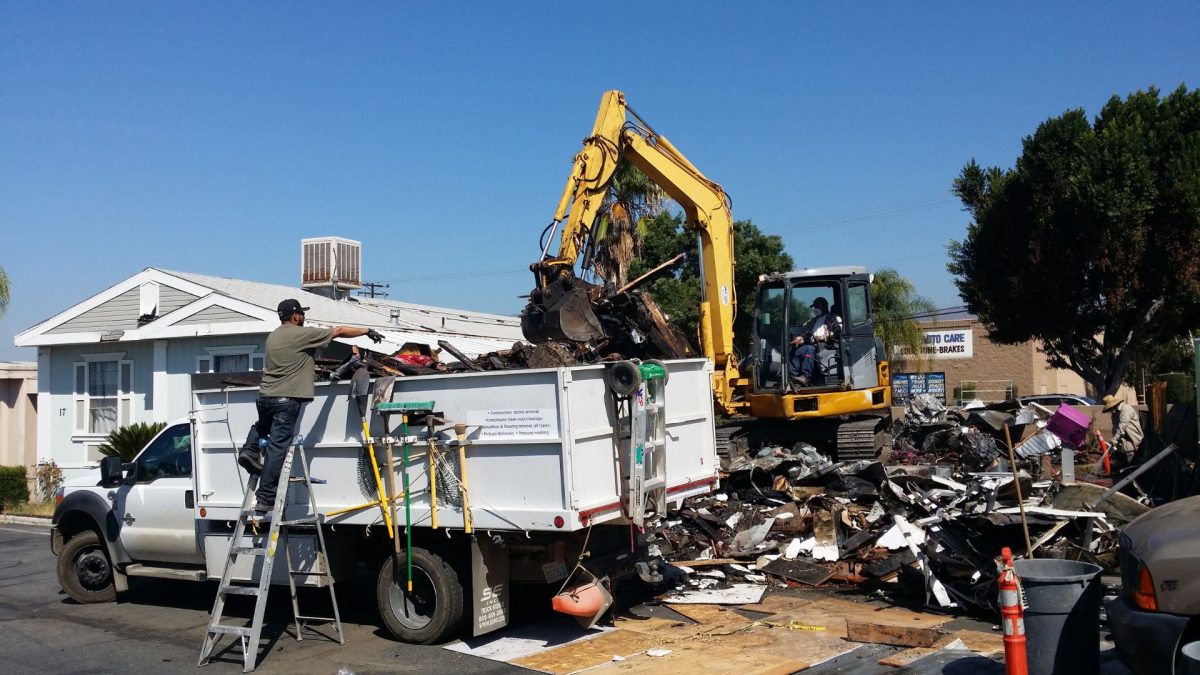
A property’s first impression often sets the tone for its perceived value. When a space is cluttered with demolition debris, it communicates neglect and can diminish interest from potential buyers or tenants. Removing these remnants creates a cleaner, more organized environment, instantly elevating the property’s aesthetic appeal. Clean surroundings also help showcase architectural features and interior layouts that may have previously been obscured. Visitors and potential buyers can envision themselves occupying a space that feels bright, open, and maintained, which directly impacts perceived worth. Without debris obstructing views or creating safety hazards, the space feels ready for use and investment.

The process of demolition cleanup also allows for the opportunity to reassess the property’s features. Once old materials and damaged structures are cleared, areas for improvement become visible, such as floors that need refinishing or walls that can be repainted. This clarity gives homeowners or investors the chance to enhance the property strategically. By presenting a well-maintained and debris-free environment, the property signals care and attention, which naturally increases its market value. The overall impression is one of potential, sparking interest and confidence among prospective buyers.

Increasing Safety and Reducing Liability Risks

Demolition sites inherently carry risks. Leftover debris can cause accidents, from tripping hazards to sharp materials that could injure occupants. Clearing these materials promptly minimizes the risk of harm and positions the property as a safer investment. Potential buyers or tenants feel reassured when a property is free from hazards, knowing that it has been maintained responsibly. Safety considerations are often overlooked, but they directly influence perceived value, particularly in residential or commercial properties where liability concerns are paramount.

Moreover, demolition cleanup can prevent long-term structural issues. Debris can obstruct drainage systems, trap moisture, or even encourage pest infestations, which may lead to costly repairs. By removing all remnants of demolition, property owners are not only enhancing immediate safety but also protecting the long-term integrity of the building. A property that has been carefully cleared and maintained communicates diligence and forward-thinking care, which buyers are willing to pay a premium for. Safety and structural preservation together form a foundation for value enhancement.

Facilitating Renovation and Redesign Opportunities

A property littered with demolition debris restricts renovation possibilities. Removing this waste clears the way for interior redesign or structural improvements that can significantly elevate property value. Spaces become easier to access, allowing contractors to work efficiently and with greater precision. This preparation phase is crucial for remodeling kitchens, bathrooms, or living areas, as it ensures that improvements are implemented without obstruction or unnecessary delays. Without proper cleanup, renovations may be delayed, leading to higher costs and longer timelines.

Additionally, a clutter-free property invites creativity. Owners and designers can assess the true potential of the space without visual distractions, leading to more strategic planning for remodeling and upgrades. Whether it’s creating an open floor plan, adding modern finishes, or enhancing storage solutions, a clean slate opens doors to design opportunities that appeal to buyers. In this way, demolition cleanup not only prepares the property physically but also stimulates ideas that can maximize its resale value and overall market appeal.

Boosting Property Marketability

Marketability is influenced by both appearance and perceived care. Properties with visible demolition debris may appear abandoned or neglected, discouraging interest from buyers or investors. A thorough cleanup signals that the property has been maintained responsibly, which can be a decisive factor in the competitive real estate market. Clean and organized spaces photograph better for listings, allowing potential buyers to visualize themselves in the environment. This visual appeal can shorten time on the market and even lead to higher offers, as buyers are more willing to invest in a property that feels move-in ready.

Furthermore, a property free of debris encourages open house visits and inspections without obstacles. Agents and prospective buyers can explore the property safely, focusing on its features rather than its flaws. Marketability extends beyond aesthetics; it reflects management and foresight, traits that instill confidence in buyers. By removing demolition remnants, property owners essentially create a polished presentation that maximizes interest and reinforces the property’s value proposition.

Preventing Damage and Preserving Structural Integrity

Leftover materials from demolition can cause long-term damage if not removed promptly. Sharp edges, heavy debris, and construction residues may scratch floors, dent walls, or compromise other surfaces. Moisture trapped under debris can contribute to mold growth or structural weakening, resulting in costly repairs that reduce the property’s market value. By addressing cleanup early, owners mitigate these risks and preserve the integrity of the building, ensuring that its components remain functional and visually appealing.

Additionally, demolition cleanup can reveal underlying issues that might otherwise go unnoticed. Subfloor damage, plumbing concerns, or electrical irregularities become easier to identify and repair in a debris-free environment. Addressing these issues promptly not only prevents further deterioration but also positions the property as well-maintained and cared for. Maintaining structural integrity directly affects valuation, as buyers prioritize properties that are safe, stable, and move-in ready, free from hidden problems that may later emerge.

Enhancing Curb Appeal and Exterior Perception

The exterior of a property creates an immediate impression that often determines buyer interest. Debris from demolition, discarded materials, and broken fixtures detract from curb appeal and can negatively impact perceived value. Cleaning up the exterior areas, including yards, driveways, and walkways, transforms the property into a visually inviting space. A neat and orderly appearance reflects conscientious ownership, which buyers interpret as a sign that the interior has been cared for as well.

Beyond aesthetics, an organized exterior facilitates landscaping and outdoor enhancements. Garden beds, patios, or driveway improvements can be implemented more efficiently when debris is removed. This preparation allows for exterior upgrades that complement interior renovations, ultimately increasing overall property value. Buyers often form opinions based on first impressions, so ensuring that the outside environment is free of demolition clutter can significantly improve the likelihood of favorable offers and faster property turnover.

Supporting Environmental Responsibility

Demolition cleanup is not just about appearance and safety; it also demonstrates environmental responsibility. Proper disposal of construction debris ensures that recyclable materials are diverted from landfills and hazardous waste is managed safely. Buyers and investors are increasingly conscious of sustainability practices, and a property managed with environmental care appeals to this growing demographic. Responsible cleanup reflects positively on the owner and enhances the perceived value of the property.

Moreover, environmentally conscious demolition cleanup can prevent contamination or long-term environmental damage to the property. Materials such as asbestos, treated wood, or chemical residues require careful handling to avoid legal and financial repercussions. A property that has undergone responsible cleanup demonstrates adherence to safety and environmental regulations, which enhances credibility and market attractiveness. This level of care signals that the property is not only visually appealing but also ethically managed.

Streamlining Property Appraisal and Valuation

Properties cluttered with demolition debris often present challenges during appraisal. Appraisers require a clear view of the space, its layout, and its condition to accurately determine market value. Debris obscures features and can lead to lower valuations, as the property may be perceived as neglected or in poor condition. By removing demolition remnants, property owners facilitate an accurate assessment, ensuring that the property’s true value is recognized and reflected in market pricing.

A clean property also expedites the appraisal process. Appraisers can move freely, inspect every corner, and provide a precise valuation without interference. Accurate appraisals are critical for setting realistic asking prices, securing financing, and negotiating offers. Demolition cleanup, therefore, directly impacts the property’s financial potential, supporting owners in achieving maximum return on investment and ensuring a smoother transaction process.

Encouraging Swift Property Transactions

A debris-free property naturally attracts more prospective buyers. When spaces are accessible, clean, and inviting, buyers are more likely to schedule visits and make offers quickly. Cluttered, neglected properties can prolong the selling process, as buyers may hesitate or require additional work before considering purchase. Efficient demolition cleanup accelerates market readiness, making the property more competitive and appealing in a fast-paced real estate environment.

Quick transactions not only reduce holding costs but also allow owners to reinvest proceeds sooner. A clean, prepared property signals readiness and transparency, giving buyers confidence to act decisively. This sense of urgency can even drive competitive offers, as multiple buyers recognize the value of a property that is maintained, safe, and aesthetically pleasing. The result is a faster, smoother, and more profitable selling experience.

Maximizing Long-Term Investment Potential

Ultimately, demolition cleanup contributes to the long-term value of a property by maintaining its condition, safety, and market appeal. Properties that are consistently cleared of debris and prepared for future improvements retain their worth over time. Investors and homeowners benefit from reduced repair costs, minimized safety risks, and increased attractiveness to buyers or tenants. By prioritizing cleanup, property owners protect their investment while creating opportunities for future enhancements that can further elevate value.

A well-maintained property signals responsible ownership, which resonates with potential buyers and investors alike. Beyond immediate financial gains, demolition cleanup ensures that the property remains in prime condition for future transactions. Maintaining an organized and debris-free environment reflects foresight, diligence, and commitment to quality, all of which contribute to sustained property appreciation. By investing in cleanup, property owners lay the foundation for long-term success and market competitiveness.

Conclusion

Demolition cleanup is a critical step in enhancing a property’s overall value. From improving aesthetics and curb appeal to ensuring safety and structural integrity, clearing debris impacts both the perception and the tangible worth of a property. A clean, organized space facilitates renovations, supports accurate appraisals, and attracts buyers more effectively, all of which contribute to faster transactions and higher market value. Beyond immediate visual improvements, it also demonstrates responsibility and foresight, signaling that the property has been cared for and maintained properly. Environmental considerations, including proper disposal and recycling of construction materials, further reinforce the property’s appeal to conscientious buyers and investors.

For property owners in Palatine, IL, trusting professionals like 24-7 Junk Removal ensures comprehensive demolition cleanup. Their team efficiently removes debris, mitigates hazards, and prepares properties for renovation or sale. By choosing 24-7 Junk Removal, property owners can enhance their investment while reducing stress and effort. Reach out to them at (773) 309-6966 or visit their office at 611 W. Wise Schaumburg, IL 60193. Their expertise ensures that every property benefits from a thorough, reliable cleanup, maximizing both aesthetic and financial potential. Contact support@24-7junk.com to schedule a consultation today.
Categories
Demolition Cleanup

The Role of Demolition Cleanup in Home Remodeling

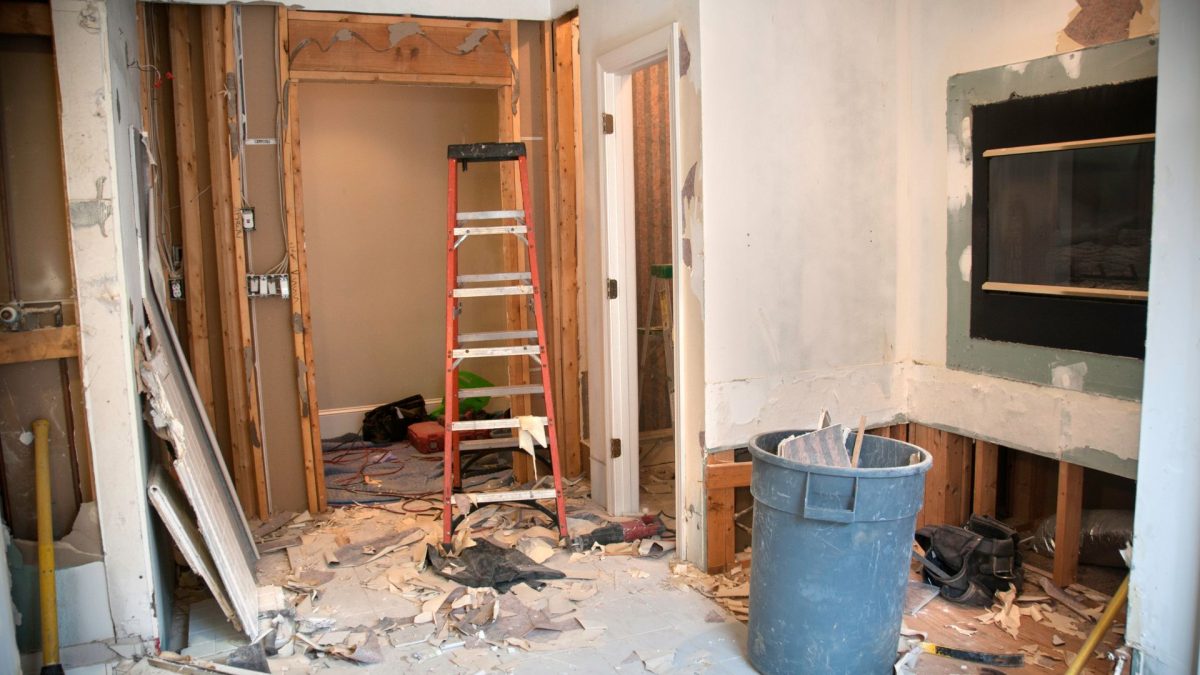
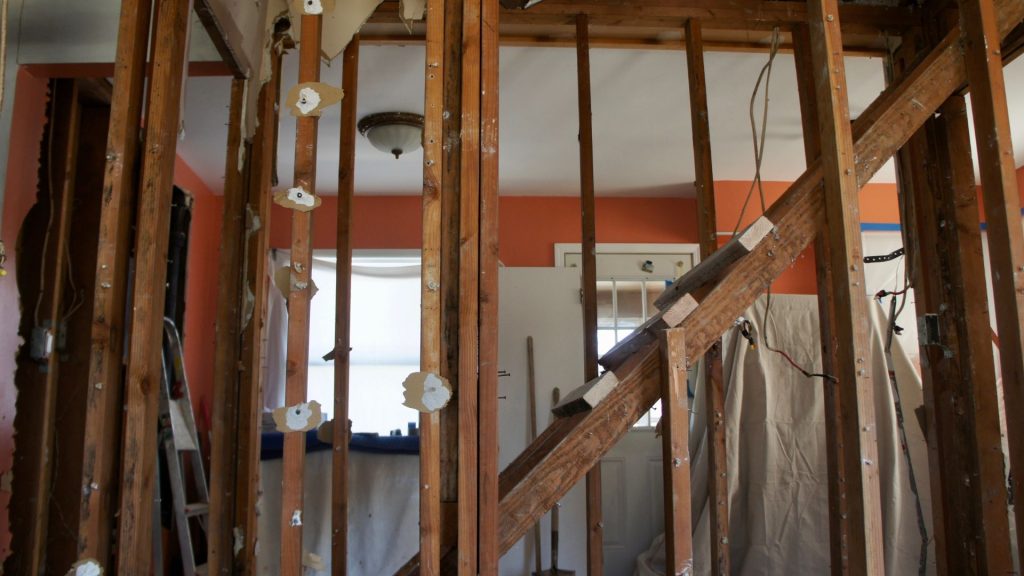
Demolition cleanup is an essential yet often overlooked component of any home remodeling project. When walls are torn down, old cabinets removed, or flooring ripped out, the space is immediately filled with debris, dust, and fragments of construction materials. Without proper cleanup, these remnants can obstruct workflow, pose safety hazards, and even damage newly installed surfaces. A thorough demolition cleanup ensures the workspace remains organized and ready for the next phase of renovation, helping projects proceed efficiently and safely.

Professional cleanup also plays a role in preserving the integrity of the property. Removing debris promptly reduces the risk of accidental scratches, dents, or contamination to surfaces that are meant to remain untouched. Moreover, organized cleanup allows for better planning of subsequent stages, ensuring that renovations progress smoothly. In essence, demolition cleanup bridges the gap between the destruction of old structures and the creation of new spaces, making it a critical step that supports both safety and productivity.

Safety First During Home Renovation Cleanup

Safety during demolition cleanup cannot be overstated. Home remodeling generates sharp objects, nails, broken glass, and other hazardous materials that require careful handling. Individuals without proper knowledge or protective gear may risk injuries that range from minor cuts to serious accidents. Maintaining safety protocols, including wearing gloves, goggles, and dust masks, minimizes exposure to harmful materials and ensures a controlled environment.

In addition to personal safety, demolition cleanup also protects the structural integrity of the home. Loose debris can cause tripping hazards or obstruct emergency exits, while dust accumulation can affect air quality. Systematic cleanup practices, such as segregating materials and disposing of waste responsibly, create a safer environment for construction crews and homeowners alike. Safety in cleanup is not just about avoiding injuries; it’s about fostering a secure, efficient, and professional remodeling process.

The Environmental Impact of Demolition Waste

Demolition generates a significant amount of waste, including wood, drywall, metal, and concrete. Without careful disposal, these materials can end up in landfills, contributing to environmental degradation. Recycling and repurposing demolition debris reduce the ecological footprint of remodeling projects and help conserve natural resources. For example, metals and certain plastics can be processed for future use, while wood can be repurposed or composted.

Environmentally conscious cleanup also ensures compliance with local waste management regulations, preventing legal complications or fines. Homeowners and contractors who prioritize eco-friendly practices contribute to a culture of sustainability in construction. By integrating recycling and responsible disposal into the cleanup process, demolition becomes not just a necessary step but an opportunity to support environmental stewardship.

Time Efficiency Through Professional Cleanup

A home remodeling project is only as efficient as its cleanup schedule. Without dedicated cleanup, progress can stall, forcing construction teams to navigate cluttered spaces that hinder mobility and workflow. Professional demolition cleanup services expedite the process by quickly removing debris and preparing areas for the next stage of remodeling. This ensures that timelines are maintained and costly delays are minimized.

Efficient cleanup also allows contractors and homeowners to focus on their core tasks without interruption. Removing unwanted materials swiftly prevents distractions and reduces the chance of errors in subsequent work. The ability to transition seamlessly from demolition to construction demonstrates the value of organized and timely cleanup, which ultimately contributes to a smoother, faster, and more cost-effective renovation.

Protecting Home Value During Renovation

Demolition cleanup protects a home’s value by minimizing damage during construction. Debris left unattended can scratch floors, dent walls, or harm fixtures, all of which may require additional repairs. A meticulous cleanup strategy ensures that new installations, finishes, and furnishings remain pristine throughout the remodeling process.

Furthermore, keeping the property clean can improve inspection outcomes if appraisals or assessments are conducted during or after renovation. Homeowners who maintain organized workspaces signal professionalism and attention to detail, reinforcing the long-term value of their property. Cleanup, therefore, is not merely a functional task but a strategic approach to preserving and enhancing the home’s market worth.

Enhancing Aesthetic Outcomes Through Cleanup

A cluttered demolition site can obscure design elements, making it difficult to visualize the final aesthetic of a remodeled space. By removing old materials promptly, homeowners and contractors can better evaluate progress and make informed decisions about design adjustments. Clean spaces allow for accurate measurement, placement, and alignment of new installations, resulting in a more polished final look.

The visual clarity achieved through cleanup also aids in maintaining motivation and focus. Seeing a transformed, debris-free space can inspire creativity and confidence in the remodeling process. In this sense, demolition cleanup contributes directly to both the functional and aesthetic success of home remodeling, ensuring that the finished project aligns with the homeowner’s vision.

Cost Management Benefits of Cleanup

Unexpected costs can quickly escalate during remodeling if debris and waste are not managed properly. Cleanup reduces the risk of damage to new materials, prevents accidents that could result in medical bills, and avoids fines associated with improper waste disposal. These preventative measures save money by minimizing losses and avoiding unnecessary expenditures.

In addition, a structured cleanup schedule allows for better resource allocation. Contractors can plan labor, materials, and equipment more accurately when the workspace is organized, reducing inefficiencies. By preventing costly delays and protecting valuable assets, demolition cleanup becomes an investment that pays off in both time and money, reinforcing its essential role in home remodeling projects.

Streamlining Waste Segregation and Recycling

Segregating materials during demolition cleanup is critical for efficient disposal and recycling. Different types of debris, such as metals, wood, concrete, and hazardous materials, require separate handling methods. Proper sorting not only ensures regulatory compliance but also maximizes opportunities for recycling and repurposing.

By organizing waste on-site, contractors and homeowners can reduce landfill contributions and support sustainability. Efficient waste segregation simplifies disposal logistics, making it easier to transport materials to recycling centers or donation facilities. This process underscores the value of thoughtful cleanup as a tool for environmental responsibility and resource conservation within remodeling projects.

Supporting Renovation Workflow and Team Productivity

Demolition cleanup enhances team productivity by providing a clear, organized workspace. Construction teams can move freely, access tools, and perform tasks without the distractions and hazards of scattered debris. A systematic cleanup routine fosters a professional environment that encourages focus and efficiency.

Moreover, structured cleanup supports coordination between multiple contractors or trades working on the same project. When each phase begins in a tidy, safe space, the risk of miscommunication or workflow bottlenecks is minimized. Cleanup, therefore, is integral to maintaining a harmonious, productive remodeling process where timelines and quality standards are upheld.

Reducing Stress for Homeowners

Home remodeling is inherently stressful, and unmanaged demolition debris can amplify that stress. Piles of rubble, dust, and discarded materials create visual chaos and can make the renovation feel overwhelming. Timely and thorough cleanup alleviates these pressures, giving homeowners a sense of control and reassurance.

By outsourcing cleanup tasks or following a structured approach, homeowners can focus on decision-making and project oversight rather than being burdened by waste management. The emotional benefits of a clean and organized environment contribute to a smoother, more enjoyable remodeling experience, highlighting the often-overlooked psychological impact of demolition cleanup.

Conclusion

Demolition cleanup is an indispensable element of any home remodeling project, influencing safety, efficiency, aesthetics, and cost management. A professional approach ensures debris is removed swiftly, hazardous materials are handled responsibly, and workspaces remain organized for subsequent construction phases. Clean, safe, and efficient cleanup supports both the physical and psychological well-being of homeowners, creating an environment conducive to creativity and productivity.

For residents in Palatine, IL, 24-7 Junk Removal provides expert junk removal services that simplify demolition cleanup and enhance remodeling outcomes. Their team is equipped to handle all types of debris efficiently, ensuring your home remains safe and organized throughout the project. To schedule a service or learn more, contact 24-7 Junk Removal at (773) 309-6966. Their office is located at 611 W. Wise Schaumburg, IL 60193, and inquiries can also be sent to support@24-7junk.com, offering comprehensive support for all your junk removal needs.

Categories
Demolition Cleanup

How to Handle Demolition Cleanup After a Major Renovation

Demolition cleanup after a major renovation can feel overwhelming, but breaking it down into manageable steps can make the process smoother. The first step is to thoroughly assess the debris that has accumulated. From broken drywall and flooring to old fixtures and construction scraps, identifying what materials need to be removed helps prioritize the tasks. Taking note of hazardous items such as nails, sharp edges, or chemical residues is essential for safety. A well-planned assessment not only ensures an efficient cleanup but also prevents accidental injuries or damage to your property during the process. Considering the scale of your renovation, it’s crucial to have a clear plan for both sorting and disposing of materials.

Once you have a complete understanding of the debris, you can organize the cleanup strategically. Begin by creating separate areas for recyclable materials, general waste, and items that might be repurposed. This segmentation allows you to streamline the removal process and reduce unnecessary trips to disposal sites. Equipping yourself with the right protective gear—gloves, goggles, and sturdy footwear—is necessary for safety. Planning ahead also involves arranging tools and containers for hauling debris efficiently. With careful preparation, the initial daunting sight of post-renovation mess transforms into a structured approach, ensuring that your property is cleared without adding stress to your renovation completion.

Prioritizing Safety During Debris Removal

Safety should be the cornerstone of any demolition cleanup. Construction debris often includes sharp objects, unstable materials, and potential chemical hazards. Ensuring that all participants wear appropriate safety gear protects against common injuries. Thick gloves shield hands from jagged edges, goggles prevent eye damage from dust or flying particles, and proper footwear prevents slips and punctures. For larger debris like concrete chunks or heavy furniture, using lifting tools or asking for additional help reduces strain and prevents accidents. It’s also wise to check structural areas for stability, particularly if walls or flooring have been partially removed.

Beyond personal safety, securing the area from unintended access helps prevent accidents. Keeping children and pets away from the cleanup site ensures that hazards remain contained. For indoor renovations, ventilating the space limits dust inhalation and maintains air quality. For outdoor projects, creating a barrier between debris and landscaping avoids unnecessary damage to gardens or pathways. By embedding safety measures into every step of the cleanup, you create an organized environment where removal can proceed efficiently without unexpected mishaps. Maintaining awareness and prioritizing safety transforms what could be a chaotic task into a controlled and secure process.

Efficient Sorting and Disposal of Materials

Sorting demolition debris effectively is key to a smoother cleanup. Materials like wood, metal, concrete, and plastics should be separated into designated piles. This practice not only streamlines disposal but also increases opportunities for recycling or repurposing. Identifying items that can be donated or reused prevents excessive waste while contributing to sustainable practices. It’s helpful to have sturdy containers or bins to hold sorted materials as you work through the site, minimizing scattering and simplifying transport.

Disposal planning involves researching local regulations and facilities for construction waste. Some debris might be accepted at recycling centers, while other items require specialized handling. For example, certain metals can be recycled for profit, and untreated wood can be repurposed for future projects. Clear labeling of disposal categories prevents confusion and accidental mixing of materials. By establishing a system of separation and thoughtful disposal, the demolition cleanup becomes more efficient, environmentally conscious, and less labor-intensive, making it easier to restore the space to a functional, clutter-free state.

Handling Hazardous and Heavy Debris

Heavy and hazardous debris requires careful handling to prevent injury and environmental contamination. Items such as asbestos-containing materials, old insulation, and certain chemicals must be treated with strict safety protocols. Consulting professional guidelines for removal and disposal ensures compliance with local laws and avoids potential health risks. For heavier materials, using wheelbarrows, dollies, or mechanical assistance is crucial to reduce physical strain and prevent accidents. Proper lifting techniques, including bending at the knees and keeping the back straight, are essential when moving bulky items.

Planning the removal of hazardous items often includes protective barriers and containment. Plastic sheeting, sealable containers, and appropriate labeling can minimize exposure risks. Additionally, scheduling removal during daylight hours or when help is available ensures safe execution. Handling debris with care not only protects you but also ensures that the surrounding property remains unharmed. By dedicating time and attention to hazardous and heavy materials, the cleanup becomes manageable, safe, and in compliance with necessary safety and environmental standards.

Utilizing Professional Assistance When Needed

Engaging professional junk removal services can make a substantial difference in demolition cleanup efficiency. Professionals bring the expertise, tools, and labor necessary to handle large volumes of debris quickly and safely. They are also equipped to manage hazardous materials that may require special handling or disposal. Opting for professional help reduces the physical burden on homeowners while ensuring adherence to local disposal regulations. This approach allows the renovation space to be cleared promptly without compromising safety or property integrity.

Professional teams can also provide guidance on recycling and donation opportunities for usable materials. Their knowledge of local regulations and disposal facilities minimizes the risk of fines or environmental violations. Moreover, scheduling a professional service allows for predictable timelines, enabling other post-renovation tasks to proceed without delay. By outsourcing part of the demolition cleanup, you gain efficiency, compliance, and peace of mind, transforming what might otherwise be a laborious and stressful task into a streamlined process.

Cleaning Tools and Equipment Essentials

Having the right tools is critical for effective demolition cleanup. Essential equipment includes heavy-duty trash bags, bins, brooms, shovels, dustpans, and containers for sorting recyclables. For larger debris, dollies, wheelbarrows, and even power tools like reciprocating saws or drills may be necessary. Organizing tools in advance prevents interruptions and allows the work to progress steadily. Ensuring accessibility and readiness of all equipment reduces downtime and increases efficiency.

Regular maintenance of tools during the cleanup process also plays a vital role. For example, keeping blades sharp, checking for wear, and cleaning dust from surfaces ensures both effectiveness and safety. Preparing a designated area for tool storage helps maintain order and prevents accidents caused by misplaced equipment. By equipping yourself properly and maintaining the tools during the cleanup, the task becomes far more manageable, safe, and productive, ultimately saving both time and energy.

Waste Reduction Through Recycling and Donation

Reducing waste during demolition cleanup benefits both the environment and your overall project efficiency. Identifying materials that can be recycled, such as metals, certain plastics, and untreated wood, prevents unnecessary landfill use. Donation of items that remain in good condition, such as cabinets, fixtures, and appliances, extends their lifespan and supports community initiatives. This mindful approach to disposal not only reduces environmental impact but also creates opportunities for tax deductions and community assistance.

Planning recycling and donation efforts requires coordination with local facilities and organizations. Some items may need to be cleaned or prepared in specific ways to qualify for donation. Recycling centers may have guidelines on acceptable materials, requiring separation and labeling. By adopting proactive recycling and donation strategies, demolition cleanup becomes a sustainable practice, transforming the process from purely waste removal into a chance to contribute positively to the community and the environment.

Post-Cleanup Surface Preparation

Once the debris is removed, attention turns to preparing surfaces for the next steps in renovation or finishing touches. Sweeping, vacuuming, and washing surfaces ensures that dust, residues, and small particles are eliminated. For flooring, walls, and countertops, inspecting for hidden damages or imperfections allows timely repairs before proceeding with painting or installation. Thorough surface preparation not only enhances the aesthetics but also contributes to the durability and longevity of finished renovations.

Surface preparation may also include minor sanding, filling cracks, and applying protective coatings as needed. Taking the time to properly prep surfaces after cleanup ensures that subsequent steps are not compromised by residual debris or unnoticed damage. By approaching this stage with care, the overall quality of the renovation is enhanced, and the cleaned space is ready for practical use, making all prior cleanup efforts worthwhile.

Organizing Disposal Logistics Efficiently

Efficient disposal logistics are essential to avoid repeated trips and wasted time. Planning routes to recycling centers, landfills, or donation facilities, and scheduling pick-ups in advance, reduces delays and streamlines the cleanup. For larger renovations, considering rental dumpsters or professional hauling services can consolidate debris removal, saving labor and transportation costs. Establishing a clear plan for disposal also allows multiple workers to operate efficiently without bottlenecks.

In addition, keeping a log of what has been removed, transported, or recycled prevents confusion and ensures accountability. Communication among team members or service providers helps maintain a smooth workflow and reduces the likelihood of overlooked debris. Organizing disposal logistics thoughtfully transforms a chaotic cleanup into a coordinated operation, saving time, reducing effort, and ensuring that debris is handled responsibly and efficiently.

Maintaining Safety After Cleanup

Even after the bulk of debris is removed, safety considerations remain important. Small nails, screws, and splinters may still pose hazards if left unattended. Conducting a final walkthrough, inspecting surfaces, and ensuring that all hazardous materials have been disposed of properly reinforces safety. Additionally, storing leftover tools and materials securely prevents accidents and protects children, pets, and other property inhabitants.

Maintaining safety also includes proper ventilation and dust control after cleanup. For indoor projects, running fans, using air purifiers, or wiping down surfaces ensures the space is safe for occupancy. For outdoor areas, confirming that walkways and surrounding landscaping are free of hazards contributes to a fully safe environment. By staying vigilant and implementing post-cleanup safety measures, the renovation site transitions from a work zone into a safe, usable space.

Conclusion

Handling demolition cleanup after a major renovation requires planning, safety awareness, and strategic execution. Assessing the debris, sorting materials, and ensuring safe handling form the backbone of an effective cleanup process. Incorporating proper tools, recycling, and donation practices further streamlines the task while contributing positively to the environment. Professional assistance can accelerate removal, especially for hazardous or bulky items, while organized logistics minimize delays and enhance efficiency. Post-cleanup surface preparation and continued safety vigilance ensure that the renovated space is both functional and secure.

For residents of Palatine, IL, 24-7 Junk Removal offers reliable and efficient junk removal services to tackle post-renovation cleanup. Their team of professionals can manage everything from heavy debris to hazardous materials, providing a hassle-free experience. Contact 24-7 Junk Removal at (773) 309-6966 or visit 611 W. Wise Schaumburg, IL 60193 to schedule a service. For inquiries, email support@24-7junk.com. With expert guidance and dedicated support, your post-renovation space can be transformed quickly and safely into a clean, organized, and ready-to-use environment.

Categories
Demolition Cleanup

Demolition Cleanup vs. Junk Removal What’s the Difference

Demolition cleanup involves the meticulous process of clearing debris left behind after tearing down a structure or part of a building. Unlike simple waste removal, it focuses on handling materials that may include wood, drywall, metal, concrete, and hazardous substances like asbestos or lead paint. Safety is paramount during demolition cleanup, requiring proper protective equipment and careful handling to avoid injury or contamination. The work often demands specialized tools and techniques to efficiently remove and segregate materials for recycling, disposal, or repurposing. It’s a task that calls for both physical labor and strategic planning, especially in confined spaces or complex urban environments where debris management can impact surrounding areas. The goal is to leave a site clean, organized, and ready for its next phase, whether that’s construction, landscaping, or sale.

Professional demolition cleanup also ensures compliance with local regulations concerning waste disposal. Many jurisdictions have strict guidelines on how construction debris should be handled, recycled, or transported to landfills. This process can also be environmentally responsible, as many companies sort materials to recycle metals, concrete, and wood. By integrating recycling and repurposing strategies, demolition cleanup not only clears space but also minimizes environmental impact. In essence, demolition cleanup is an intensive, structured approach to managing the aftermath of construction or deconstruction, requiring expertise and resources beyond what typical junk removal can offer.

Defining Junk Removal

Junk removal is the service of collecting and disposing of unwanted items from homes, offices, or commercial spaces. It covers a wide range of materials, including old furniture, electronics, appliances, and general clutter. Unlike demolition cleanup, junk removal does not necessarily involve hazardous or construction debris. The primary objective is to clear spaces of items that are no longer needed, creating a cleaner, more organized environment. Junk removal is often faster and less specialized than demolition cleanup, focusing more on efficiency and convenience for homeowners or businesses. The work can range from a single room cleanout to large-scale commercial removals, but the tasks involved are generally straightforward and don’t require heavy machinery or complex planning.

An important aspect of junk removal is its eco-conscious approach. Reputable junk removal services often prioritize recycling, donating, or responsibly disposing of items to reduce landfill contributions. This service allows property owners to declutter without worrying about proper disposal methods, saving both time and effort. It is especially useful for people relocating, renovating, or simply needing to reclaim space in a home or business. Junk removal emphasizes convenience, safety, and responsible disposal practices, making it a vital service for maintaining clean, functional spaces in a busy lifestyle.

Key Differences in Scope

The primary difference between demolition cleanup and junk removal lies in the scope of work. Demolition cleanup deals with construction-related debris and often involves hazardous materials, structural waste, and heavy elements that require careful handling. Junk removal, on the other hand, addresses everyday items and household clutter that do not typically pose significant safety risks. Demolition cleanup can be extensive, covering entire sites and requiring coordination with contractors, while junk removal is usually more contained and client-focused. Understanding this distinction helps property owners choose the right service for their needs, ensuring efficiency and safety. Both services aim to clear spaces, but the type of debris and the level of expertise required diverge significantly.

Furthermore, the planning and equipment differ substantially. Demolition cleanup may require cranes, heavy-duty trucks, and protective gear to manage the debris effectively. Junk removal generally uses smaller vehicles and relies on manpower, although larger loads may still require trucks or team lifts. Both processes can include sorting materials for recycling or donation, but the complexity of demolition debris often demands professional expertise to manage regulations, disposal methods, and environmental impact. Recognizing the differences in scope ensures that property owners hire the appropriate service to handle their specific cleanup challenges safely and efficiently.

Safety Considerations

Safety is a critical factor that separates demolition cleanup from standard junk removal. Demolition sites can present risks such as sharp metal edges, falling debris, dust inhalation, and exposure to toxic substances. Protective equipment such as helmets, gloves, goggles, and respiratory masks are essential for anyone involved. In contrast, junk removal usually deals with non-hazardous items like furniture, appliances, and clutter, which carry lower safety risks but can still cause injury if lifted improperly. Adhering to safety protocols ensures that workers and property owners avoid accidents and health hazards. The presence of heavy machinery, elevated structures, or toxic dust in demolition areas further emphasizes the importance of trained professionals in cleanup operations.

Proper training and precautionary measures in demolition cleanup are critical for compliance with legal standards. Many municipalities have regulations regarding how debris must be handled, transported, and disposed of safely. Junk removal, while generally safer, still benefits from proper lifting techniques, secure transportation, and environmental responsibility. Choosing a professional service with experienced staff ensures that both demolition and junk removal tasks are executed efficiently, reducing the likelihood of injury or damage. The distinction in safety concerns highlights why demolition cleanup is often more specialized and regulated compared to standard junk removal.

Environmental Impact

Both demolition cleanup and junk removal can have substantial environmental implications, but the type of impact differs. Demolition cleanup often involves separating recyclable materials such as metal, concrete, and wood from waste that cannot be repurposed. This sorting reduces landfill contributions and promotes sustainable construction practices. Junk removal services also emphasize recycling and donating usable items, helping minimize environmental waste. Choosing eco-conscious services for either cleanup type ensures that unwanted materials are managed responsibly and sustainably. The environmental benefits go beyond waste reduction, as proper handling of construction debris can prevent soil contamination, dust pollution, and water runoff issues.

Recycling strategies play a vital role in both services. In demolition cleanup, larger quantities of heavy materials are processed for reuse in new construction or industrial purposes. Junk removal focuses on diverting electronics, furniture, and appliances from landfills, often donating them to charities or refurbishing centers. By integrating sustainable disposal methods, property owners contribute to reducing the carbon footprint associated with both residential and commercial cleanouts. The emphasis on environmental responsibility is increasingly important as communities demand cleaner, safer, and greener waste management practices across all sectors.

Time and Labor Requirements

Demolition cleanup generally requires more time and labor than junk removal due to the nature of the materials and the complexity of the site. Breaking down structures, safely removing debris, and sorting recyclable elements is physically demanding and often requires a team of trained professionals. Junk removal, while labor-intensive in its own right, is usually more straightforward. Teams can remove large items quickly, with fewer steps involved in sorting or handling hazardous materials. Property owners should anticipate longer project timelines and higher labor costs for demolition cleanup compared to junk removal, reflecting the increased difficulty and expertise required.

The labor involved in both services extends beyond physical removal. In demolition cleanup, workers must follow safety regulations, manage equipment, and coordinate with contractors or local authorities. Junk removal focuses on efficiency, often providing same-day services and flexible scheduling. Understanding these differences helps clients plan budgets and schedules effectively. Labor-intensive tasks, whether in demolition or junk removal, benefit from professional handling, ensuring that the project proceeds smoothly, safely, and on time. Investing in experienced crews reduces risks and improves overall results in either type of cleanup service.

Equipment and Tools

Demolition cleanup and junk removal differ significantly in the tools and equipment they require. Demolition cleanup often uses heavy machinery, power tools, cranes, and protective gear to manage large, heavy, or hazardous materials safely. Junk removal, by contrast, primarily relies on trucks, dollies, and basic hand tools, though larger items like pianos or appliances may need specialized handling. The choice of equipment reflects the nature of the debris and the physical demands of the task. Ensuring that the proper tools are available is crucial to maintaining efficiency, safety, and environmental responsibility throughout the cleanup process.

Maintenance and preparation of equipment are equally critical. In demolition cleanup, improperly functioning tools or machinery can pose safety hazards or delay progress, while junk removal requires careful handling of vehicles and lifting equipment to prevent damage to property or injuries. Professional services invest in quality equipment and regular training to ensure both demolition cleanup and junk removal are performed efficiently. Recognizing the differences in equipment needs allows property owners to understand why professional involvement is often necessary, especially for demolition-related tasks that exceed typical household disposal requirements.

Cost Considerations

Cost is another important factor differentiating demolition cleanup from junk removal. Demolition cleanup tends to be more expensive due to the specialized labor, heavy machinery, disposal of hazardous materials, and regulatory compliance required. Junk removal is generally more affordable, as it deals with standard household or commercial items and involves fewer safety risks or regulatory hurdles. Clients should consider the scope of work, material types, and labor requirements when budgeting for either service. Transparent pricing and upfront estimates from professional providers help property owners make informed decisions while avoiding unexpected costs during cleanup projects.

Additional cost factors include disposal fees, transportation, recycling, and potential donation handling. Demolition debris often requires multiple trips to specialized facilities, whereas junk removal may consolidate items for donation or standard landfill disposal. Choosing a service that provides upfront pricing and detailed estimates ensures that clients understand the full financial commitment. By comparing these considerations, property owners can align their cleanup needs with their budgets, making the process smoother and more predictable whether they are tackling demolition debris or general junk removal.

Residential vs Commercial Applications

Both demolition cleanup and junk removal serve residential and commercial clients, but their applications differ. Demolition cleanup in residential settings might involve remodeling projects, garage demolitions, or home extensions. In commercial settings, it can include office renovations, restaurant remodels, or light construction work. Junk removal is widely used in both areas for decluttering, moving, or disposing of obsolete equipment and furniture. The scale, type of debris, and planning required for demolition cleanup are generally higher in commercial applications, reflecting the greater complexity of commercial projects compared to home cleanouts.

Commercial applications often require additional coordination, such as scheduling around business hours or managing high volumes of items efficiently. Residential projects may be more flexible but still demand careful handling of debris and adherence to safety protocols. In either context, understanding the unique needs of residential versus commercial cleanup ensures that services are tailored to meet specific challenges. Property owners benefit from selecting experienced professionals who can navigate these differences effectively, guaranteeing a smooth, efficient, and safe cleanup experience for both home and business environments.

Choosing the Right Service

Selecting between demolition cleanup and junk removal hinges on understanding the type of debris, safety considerations, labor needs, and environmental impact. Property owners should assess the nature of the project carefully and determine whether the materials involved require specialized handling. Consulting with professional services helps clarify the differences and ensures that the proper tools, personnel, and procedures are in place. Choosing the right service also minimizes risk, improves efficiency, and ensures that disposal is compliant with local regulations. Both options offer convenience and relief from clutter, but matching the service to the project type is key to achieving optimal results.

Expert advice can further guide clients in deciding whether a combination of services is needed. Some projects may involve both general junk removal and demolition cleanup, requiring a coordinated approach to manage both types of debris. Professional providers can evaluate the site, recommend efficient strategies, and ensure safe disposal practices for all materials. Taking the time to select the appropriate service streamlines the project, reduces stress, and guarantees that the space is left clean, safe, and ready for its next purpose.

Conclusion

Understanding the distinction between demolition cleanup and junk removal is essential for effective space management and project planning. Demolition cleanup addresses construction debris and potential hazards, demanding specialized skills, tools, and environmental awareness. Junk removal, in contrast, focuses on clearing household or commercial clutter, offering convenience, speed, and eco-conscious disposal. Recognizing these differences helps property owners select the right service for their specific needs, saving time, money, and potential risks. Both services contribute to safer, cleaner, and more organized spaces, enhancing the value and functionality of homes and businesses. For those in Palatine, IL seeking reliable and professional assistance, 24-7 Junk Removal offers comprehensive solutions tailored to both demolition cleanup and general junk removal needs. Their trained teams handle items safely, recycle responsibly, and provide prompt service to ensure a seamless experience. Contact 24-7 Junk Removal at (773) 309-6966 or visit their location at 611 W. Wise Schaumburg, IL 60193 for expert junk removal services and a cleaner, clutter-free environment.

Categories
Demolition Cleanup

How to Safely Handle Demolition Cleanup

Demolition cleanup can present a variety of hazards that demand attention before lifting even the smallest piece of rubble. Materials like broken drywall, shattered glass, or splintered wood are not just cumbersome; they carry the potential to cause serious injuries if handled improperly. Without protective equipment, even seemingly minor debris can lead to cuts, bruises, or more severe accidents. Therefore, approaching each cleanup with a strategic mindset is vital. A well-organized plan not only prevents injuries but also ensures the efficiency of the entire process. Awareness of your surroundings and the types of materials being removed can dramatically reduce the risk of harm.

In addition to physical hazards, environmental considerations play a role. Some demolition debris may include hazardous substances such as asbestos, lead-based paint, or mold-contaminated materials. Mishandling these materials can have serious health consequences. Sorting debris before removal and understanding proper disposal methods are crucial steps to mitigate environmental and personal risk. By taking the time to identify potentially dangerous materials and preparing appropriate handling methods, you create a safer, cleaner, and more sustainable demolition environment.

Preparing Your Worksite for Safe Cleanup

Before tackling any demolition debris, preparing the worksite is essential for safety and efficiency. Clearing a path for movement reduces the chances of tripping or stepping on hidden hazards. Ensuring adequate lighting, ventilation, and access to first aid enhances safety for everyone involved. Safety signs and barriers can also help prevent unauthorized individuals from wandering into the hazardous area, further minimizing potential accidents. These preparations create a controlled environment that supports a smoother cleanup process.

Equipping workers with proper personal protective equipment is another critical step. Gloves, steel-toed boots, dust masks, goggles, and protective clothing provide essential protection against sharp objects, dust, and toxic particles. Workers should also be trained to lift heavy objects safely, avoiding strain and injury. Additionally, organizing debris into designated areas for recycling, donation, or disposal helps maintain order. A prepared and structured worksite reduces both physical risks and logistical challenges, setting the stage for a safe and efficient demolition cleanup.

Essential Protective Gear for Demolition

When engaging in demolition cleanup, protective gear is not optional—it is indispensable. The right equipment shields against a spectrum of hazards, from airborne particles to sharp edges. Heavy-duty gloves safeguard hands from splinters and sharp metal fragments, while reinforced footwear prevents foot injuries. Protective eyewear guards against flying debris that could damage vision, and respirators or dust masks filter harmful dust and particulate matter, particularly when dealing with older construction materials.

In addition to personal safety, protective gear promotes confidence and efficiency. When workers feel secure in their equipment, they can maneuver debris and perform tasks with greater precision. Hard hats, durable clothing, and hearing protection also contribute to long-term health and safety, minimizing exposure to loud noises or falling objects. By prioritizing proper gear, demolition cleanup becomes a task approached with caution and professionalism, ensuring both safety and productivity throughout the process.

Sorting and Segregating Debris

Effective demolition cleanup begins with the careful sorting and segregation of debris. Separating materials by type—wood, metal, concrete, or hazardous substances—streamlines disposal and recycling processes. This practice not only enhances safety but also supports environmental responsibility by ensuring recyclable materials are repurposed rather than discarded. Proper labeling and containment of hazardous waste prevent contamination and reduce the risk of accidental exposure.

Sorting debris at the source also improves workflow efficiency. By organizing materials into categories, workers can quickly transport items to appropriate disposal or recycling sites without unnecessary handling. Additionally, pre-sorting can reduce overall cleanup time and costs, as certain materials may be donated or repurposed. A well-structured approach to debris management ensures safety, minimizes environmental impact, and optimizes the overall cleanup process.

Handling Hazardous Materials with Care

Demolition sites often harbor hazardous materials that require specialized handling. Substances such as asbestos, lead paint, and chemical residues pose significant health risks and demand strict adherence to safety protocols. Workers should be trained to identify these materials and equipped with protective gear designed to mitigate exposure. Regulatory guidelines should always be followed to ensure compliance with local laws and safe disposal methods.

Proper containment is essential when handling hazardous debris. Sealing materials in appropriate containers prevents the release of harmful particles, and labeling ensures that all personnel are aware of potential dangers. When necessary, professional remediation services should be engaged to manage particularly toxic substances. By prioritizing safety and regulatory compliance, demolition cleanup can proceed with minimal risk to workers, occupants, and the surrounding environment.

Safe Lifting and Transportation Techniques

Lifting and transporting debris during demolition cleanup requires careful attention to body mechanics and proper techniques. Incorrect lifting can result in strains, back injuries, and long-term musculoskeletal damage. Workers should bend their knees, keep their back straight, and use the strength of their legs when lifting heavy objects. Team lifting may be necessary for particularly large or awkward items, ensuring both safety and efficiency.

Transporting debris also requires forethought. Using wheelbarrows, carts, or hoists can minimize direct handling and reduce the risk of injury. Securing loads during movement prevents materials from shifting and causing accidents. Consistent training and adherence to safe lifting protocols protect workers and maintain a smooth, uninterrupted cleanup process. By focusing on ergonomics and proper handling methods, demolition debris can be moved safely from the site to disposal or recycling areas.

Dust and Air Quality Management

Demolition cleanup often generates significant amounts of dust, which can impact air quality and pose respiratory hazards. Managing dust effectively is crucial for maintaining a safe environment. Wetting down debris before removal, using industrial vacuums, and employing air filtration systems can drastically reduce airborne particles. Ensuring proper ventilation throughout the site helps disperse dust and minimizes inhalation risks for workers.

Monitoring air quality and wearing appropriate respiratory protection are vital steps in safeguarding health. Workers should be equipped with N95 or higher-rated masks when dealing with fine dust or potentially toxic particles. Implementing dust control measures not only protects those on site but also prevents contamination of surrounding areas. By prioritizing air quality management, demolition cleanup becomes a safer, more controlled operation.

Proper Disposal and Recycling Practices

Responsible disposal and recycling are integral to demolition cleanup. Separating recyclable materials such as metal, concrete, and wood helps reduce landfill waste and supports environmental sustainability. Coordinating with certified recycling facilities ensures that materials are repurposed efficiently. Proper disposal of hazardous materials is equally critical, preventing environmental contamination and complying with legal regulations.

Recycling and disposal practices also impact the efficiency of the cleanup process. Organized collection points and clearly marked containers streamline the removal of debris, reducing the time workers spend sorting materials on site. Engaging with local waste management and recycling services facilitates compliance with environmental standards and promotes a more sustainable approach. By emphasizing responsible disposal and recycling, demolition cleanup benefits both safety and the planet.

Maintaining Site Organization During Cleanup

Keeping a demolition site organized is essential for both safety and efficiency. Establishing designated areas for debris, tools, and equipment minimizes clutter and reduces the risk of accidents. Pathways should remain clear, and materials should be stacked securely to prevent tipping or collapsing. A well-organized site allows workers to navigate quickly and safely, enhancing overall productivity.

Routine inspections and monitoring help maintain order throughout the cleanup process. Regularly removing accumulated debris and ensuring tools are stored properly prevents unnecessary hazards. Clear communication among team members regarding the placement and movement of materials further reinforces safety protocols. Maintaining site organization transforms a potentially chaotic demolition environment into a structured and manageable workspace.

Planning for Post-Cleanup Safety

Even after the visible debris is removed, post-cleanup safety remains important. Surfaces may still harbor nails, screws, or sharp fragments, which can cause injuries if left unattended. Conducting a thorough sweep of the area ensures that these hidden hazards are eliminated. Additionally, inspecting structures for stability and checking for residual dust or chemical residues protects both workers and future occupants.

Post-cleanup planning also involves setting up safe disposal or storage areas for tools and materials that remain on site. Keeping equipment organized and accessible prevents accidents and facilitates future projects. By addressing post-cleanup safety proactively, the overall demolition process concludes on a secure and efficient note, preserving the well-being of all involved.

Conclusion

Handling demolition cleanup safely requires careful planning, proper protective gear, and attention to detail at every stage of the process. From identifying hazardous materials to organizing debris and managing air quality, each step contributes to a secure and efficient cleanup environment. Workers equipped with the right tools and training can mitigate risks while enhancing productivity, ensuring a smooth operation from start to finish. Prioritizing safety does not only protect individuals but also minimizes environmental impact, promotes recycling, and supports sustainable practices in waste management.

For professional junk removal assistance, 24-7 Junk Removal in Palatine, IL offers comprehensive services to manage all aspects of demolition cleanup. Their team is equipped to handle debris safely and efficiently, providing tailored solutions for residential and commercial projects. Contact them at (773) 309-6966 or via email at support@24-7junk.com. Visit their location at 611 W. Wise Schaumburg, IL 60193 for more information on how they can support your cleanup needs, ensuring a safe and organized demolition process.