

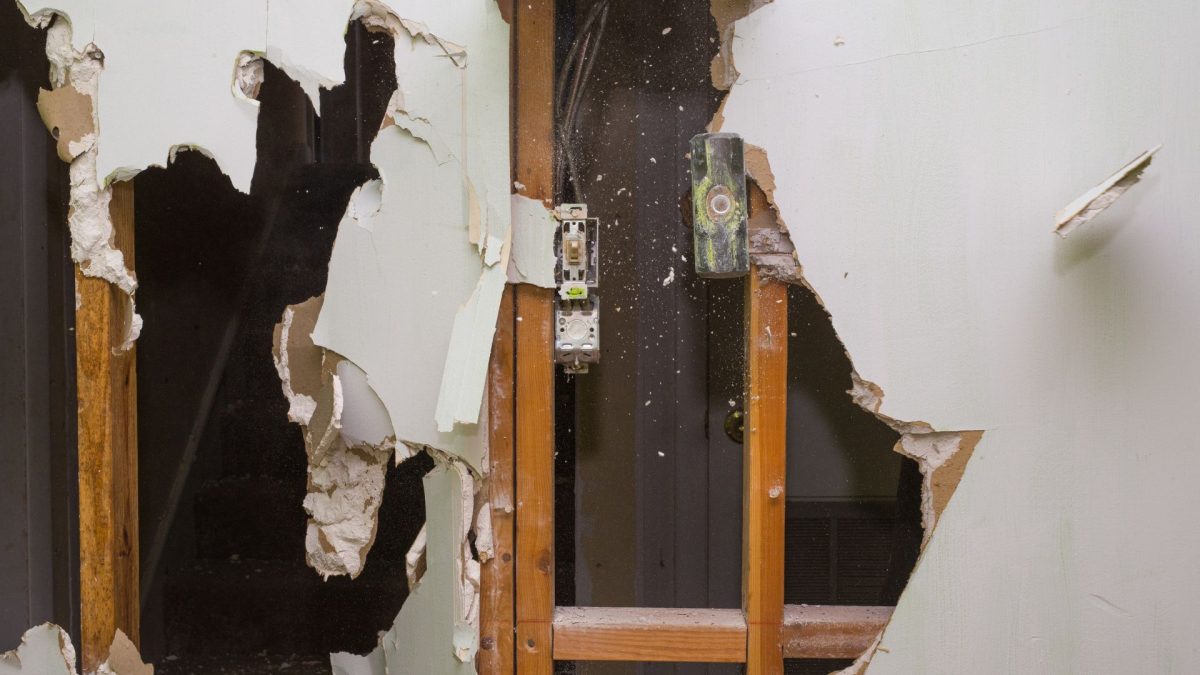
Removing drywall from a home is far more than a structural change. It is a radical act that can redefine the way a space is ed. The exposed framework, whether it is beams, studs, or even electrical pathways, offers a glimpse into the bones of a house, creating an immediate sense of transparency and potential. Homeowners may envision open-concept layouts or the chance to install modern finishes that align with contemporary aesthetics. This act of removal can breathe new life into an otherwise dated space, allowing the natural character of the structure to shine. The walls that once restricted sightlines now give way to imagination, encouraging creativity in interior design. The shift can be subtle, yet it is transformative, suggesting to prospective buyers that the home is a flexible canvas rather than a fixed environment.
However, drywall removal carries practical considerations that impact the perceived value of a home. The process often reveals imperfections, moisture damage, or outdated wiring, which can be daunting to those unfamiliar with renovation. On the upside, addressing these issues upfront signals a commitment to maintenance and quality, potentially enhancing long-term value. Conversely, if left unresolved, the removal exposes vulnerabilities that might deter buyers, creating a tension between the allure of a modernized space and the risks of unfinished work. The outcome depends largely on execution. A home that embraces strategic drywall removal and thoughtfully integrates new design elements tends to communicate care, style, and investment potential, whereas haphazard demolition can evoke hesitation and skepticism in the housing market.
The Hidden Financial Implications of Wall Removal
When a homeowner contemplates removing drywall, the conversation inevitably turns to finances. At first glance, the cost of labor, materials disposal, and repairs may seem prohibitive. Yet the ripple effect on a home’s value often extends beyond simple budgeting. A clean and professionally executed removal can elevate the property’s appeal by showcasing updated infrastructure and contemporary design choices. Buyers are not merely assessing the square footage but also the potential to personalize and modernize spaces. Exposing walls can also make it easier to upgrade plumbing, electrical systems, or insulation, investments that enhance long-term efficiency and safety. These improvements translate into tangible value increases because they reduce the future burden for anyone considering purchasing the home.
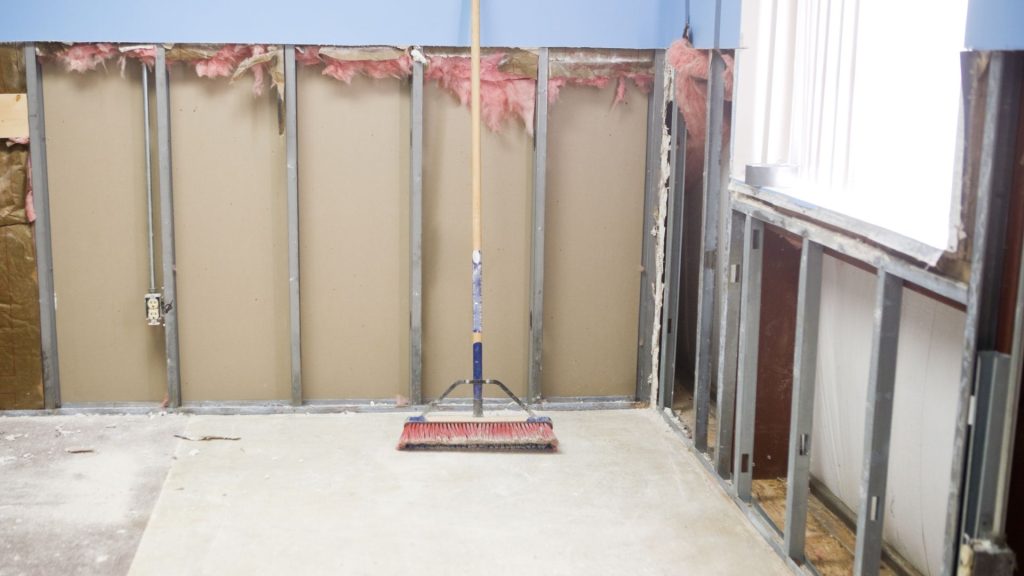
On the flip side, incomplete or messy removal may convey neglect or insufficient planning. Debris-filled rooms, uneven wall surfaces, or exposed utilities may create a sense of unfinished work that can lower buyer confidence. Financially, this could translate into lower offers, delayed sales, or additional bargaining leverage against the seller. The balance lies in executing the removal with foresight and precision, treating it as an investment rather than a cost-saving measure. Homeowners who approach the process with professional standards and creative design sensibilities can unlock hidden value, making the space feel expansive, modern, and ready for imaginative reconfiguration. Conversely, careless execution risks undermining the very equity the removal could create.
Creating Visual Impact and Perceived Space
Drywall removal dramatically changes the visual dynamics of a home. Walls do more than separate rooms; they shape the perception of space, light, and flow. By taking down select sections, a room can instantly appear larger and more inviting. Natural light can reach previously dim corners, creating warmth and an impression of openness. The visual appeal of exposed beams, brick, or timber can also lend a sense of authenticity that resonates with contemporary buyers. This type of alteration often shifts the home from ordinary to striking, giving it a competitive edge in markets where first impressions are crucial. The aesthetic transformation speaks not only to physical changes but also to the lifestyle possibilities inherent in the property.
Yet perception alone does not guarantee higher valuation. The choice of which walls to remove, how to frame openings, and whether to maintain structural integrity requires careful planning. Overly aggressive removal may compromise privacy or create awkward spatial relationships. A strategically opened space must balance openness with comfort, ensuring that living areas feel connected but functional. When executed thoughtfully, drywall removal can enhance flow and usability while also signaling to buyers that the home has been maintained with attention to detail and creativity. The perception of space, combined with visual impact, can subtly but powerfully influence how a home is valued and the speed at which it attracts interest in the real estate market.
The Role of Structural Integrity in Home Value
Drywall serves as more than decoration; it is a protective barrier that supports the structural integrity of walls. When walls are removed, the underlying framework becomes exposed, revealing the quality of construction and the condition of critical elements such as studs, wiring, and insulation. From a buyer’s perspective, this transparency can be a double-edged sword. On one hand, it allows for a clear assessment of the home’s robustness, signaling that nothing is hidden and that the structure is sound. On the other hand, any visible flaws or signs of wear may raise concerns, potentially influencing perceived value negatively. The careful evaluation of structural stability during drywall removal is therefore essential, as it directly affects market confidence and investment potential.
Furthermore, structural integrity considerations are closely tied to insurance and appraisal assessments. Homes that exhibit solid framing, level floors, and well-supported ceilings are often appraised higher than those with exposed damage or inconsistent construction quality. Prospective buyers may interpret well-executed removal as an opportunity to upgrade with minimal disruption, thereby enhancing long-term equity. Conversely, rushed or incomplete removal that exposes defects can translate into repair costs, insurance complications, and reduced appeal. Ultimately, the connection between structural integrity and drywall removal demonstrates that the physical condition of a home and its perceived value are inseparable, with careful planning and execution serving as key determinants of success.
Environmental and Health Considerations
Drywall removal is not only a cosmetic or structural endeavor but also an environmental and health consideration. Old drywall can harbor mold, dust, and other allergens that negatively affect indoor air quality. The process of removal, if done improperly, may release these particles into living areas, posing risks to residents. Conversely, professional and conscientious removal can improve air quality, reduce allergen exposure, and create a healthier living environment. These changes may seem subtle, yet for buyers, the implication of a safe, clean home can substantially influence their valuation perception. Homes that appear healthier and well-maintained often command higher interest and stronger offers.
In addition, environmentally responsible disposal practices add value in ways beyond aesthetics and health. Salvaging materials for recycling, reducing landfill contribution, and minimizing waste demonstrate conscientious stewardship of resources. Prospective buyers increasingly value sustainable practices, and a home that reflects these principles signals a forward-thinking approach to maintenance. The act of drywall removal, therefore, becomes a multi-dimensional process affecting not just space and design but also wellness and ecological responsibility. Homes that align with these priorities can enjoy enhanced desirability and perceived long-term value in a competitive housing market.
Enhancing Resale Potential Through Modernization
Drywall removal can act as a subtle yet powerful signal of modernization in a home. By strategically opening up walls, the property reflects current design trends that prioritize openness and light-filled interiors. Buyers increasingly look for spaces that feel adaptable, with room layouts that can accommodate modern living needs. Removing walls in a thoughtful manner allows homeowners to incorporate contemporary finishes, innovative storage solutions, or open-concept layouts without the perception of starting from scratch. The result is a home that communicates potential, rather than limitation, encouraging buyers to envision themselves inhabiting the space. A home that demonstrates adaptability through visible updates often commands higher offers and generates faster interest in competitive markets.
However, modernization through drywall removal must be carefully executed to avoid undermining value. The balance lies in preserving functional areas while introducing flexibility and aesthetic appeal. A poorly planned removal can disrupt traffic flow, reduce privacy, or create awkward room proportions, detracting from the property’s usability. Conversely, a design-minded approach ensures that each change aligns with buyer expectations and lifestyle needs. When coupled with updated infrastructure and finishes, drywall removal transforms a house into a modern, compelling environment, signaling care and investment. This thoughtful integration of design and function directly influences resale potential, turning a structural adjustment into a strategic move that enhances the home’s market position.
Revealing Opportunities for Energy Efficiency
Exposing walls through drywall removal offers homeowners a chance to improve energy efficiency. The process reveals insulation gaps, air leaks, or aging electrical systems, which might have gone unnoticed behind intact drywall. By addressing these issues during removal, homeowners can enhance comfort, reduce utility bills, and strengthen the overall efficiency of the home. Buyers often recognize the long-term benefits of these improvements, viewing them as indicators of a well-maintained, cost-conscious property. Homes that integrate energy-conscious upgrades during renovation often appeal to environmentally-minded buyers, translating into tangible value gains and increased marketability.
At the same time, neglecting efficiency opportunities can negatively impact perceived value. Exposed but untreated walls might highlight inefficiencies, outdated wiring, or insulation shortcomings, raising concerns about future costs and energy waste. Ensuring that energy-related improvements are implemented simultaneously with drywall removal demonstrates foresight and attention to both financial and environmental concerns. The process not only modernizes the space aesthetically but also strengthens its functional performance. In essence, drywall removal provides an entry point for holistic home improvement that aligns with buyer priorities, showcasing a property that is both visually appealing and thoughtfully maintained for long-term sustainability.
The Psychological Effect on Potential Buyers
Drywall removal has an often-overlooked psychological impact on potential buyers. Spaces that feel open, well-lit, and cohesive evoke positive emotions and create a sense of opportunity. Removing walls can shift a home’s atmosphere, making it appear more inviting, spacious, and adaptable. Buyers can more easily imagine their own furniture arrangements, lifestyle adaptations, and creative design ideas in an environment that feels flexible and uncluttered. This sense of possibility can significantly enhance perceived value, as homes that inspire imagination tend to attract more interest and competitive offers. Beyond physical improvement, drywall removal acts as a subtle tool for shaping emotional response during the buying process.
Nevertheless, the psychological effect can backfire if the space is left incomplete or chaotic. Exposed studs, debris, or uneven surfaces can cause discomfort or convey neglect, making potential buyers hesitate. The emotional impression of a home is as important as its structural quality, and drywall removal introduces an element of risk if not executed thoughtfully. Successfully managing this balance requires both technical skill and aesthetic sensibility, ensuring that the home feels inviting rather than intimidating. Done properly, drywall removal becomes more than a construction task—it transforms the property into a space that communicates care, creativity, and readiness for new occupants, reinforcing the home’s overall value in subtle but powerful ways.
Considerations for Historical or Older Homes
Older homes often possess architectural charm, character, and unique structural elements that contribute to their value. Drywall removal in such properties requires sensitivity to historical features like decorative beams, plaster textures, or original masonry. The process can reveal hidden treasures or structural issues that, if addressed carefully, enhance both aesthetics and functionality. Buyers of older homes often value authenticity, so revealing original elements can increase appeal by demonstrating the property’s history and uniqueness. Thoughtful drywall removal balances preservation with modern upgrades, creating a dialogue between past and present that adds depth and richness to the home’s perceived value.
However, mishandling drywall removal in older homes can diminish appeal and create unforeseen complications. Improper techniques may damage valuable original features or expose hidden problems, such as outdated electrical wiring or water damage, which could deter buyers. The key lies in precision and planning, respecting the home’s original architecture while integrating contemporary improvements. By approaching drywall removal with care, homeowners can enhance both the functionality and charm of older properties. This combination of preservation and modernization signals to buyers that the home is well-maintained, thoughtfully updated, and equipped to meet the demands of modern living without sacrificing its historical essence.
Long-Term Investment Versus Short-Term Gain
Drywall removal is a decision that balances immediate cost against potential long-term value. On one hand, the upfront expense of labor, disposal, and repair may seem significant. Yet, when performed with planning and professional oversight, removal can serve as a strategic investment. By addressing underlying structural issues, creating open layouts, and enhancing aesthetic appeal, homeowners can elevate both the marketability and appraisal value of their property. The long-term payoff often exceeds the initial outlay, providing a home that is more attractive, functional, and aligned with current design trends. Buyers are drawn to homes that are move-in ready with minimal additional work, and drywall removal can be a key factor in achieving that status.
Conversely, focusing solely on short-term savings by performing incomplete or hasty removal can backfire. Exposing unfinished walls, damage, or inefficient layouts may reduce buyer confidence and slow the sales process. Understanding the balance between cost, design impact, and market expectations is essential. By treating drywall removal as a calculated investment, homeowners can maximize returns, improve resale prospects, and enhance overall property value. The process becomes more than demolition—it is a strategic move that aligns construction decisions with the broader objective of long-term financial gain and market competitiveness.
Conclusion
Drywall removal can significantly influence a home’s value when executed with precision, creativity, and foresight. It offers opportunities to modernize spaces, reveal structural integrity, and improve both visual and functional appeal. Buyers respond not only to aesthetic upgrades but also to the promise of efficiency, adaptability, and thoughtful maintenance. Homes that embrace strategic removal of walls often feel more open, inviting, and ready for customization, creating a sense of opportunity that resonates with prospective owners. By combining design sensibility with careful planning, drywall removal transforms properties into compelling, high-value assets that align with contemporary market expectations while maintaining structural and aesthetic integrity.
For homeowners considering professional assistance, 24-7 Junk Removal in Palatine, IL, provides reliable services to manage debris and ensure safe, efficient removal of unwanted drywall. Their expertise in Junk Removal helps streamline the process, minimize disruption, and maintain a clean, organized environment during renovations. Located at 611 W. Wise Schaumburg, IL 60193, they can be reached at (773) 309-6966 or via email at support@24-7junk.com. Leveraging professional support not only simplifies the project but also maximizes the benefits to a home’s overall value, offering peace of mind and a polished, market-ready result for both sellers and buyers alike.