

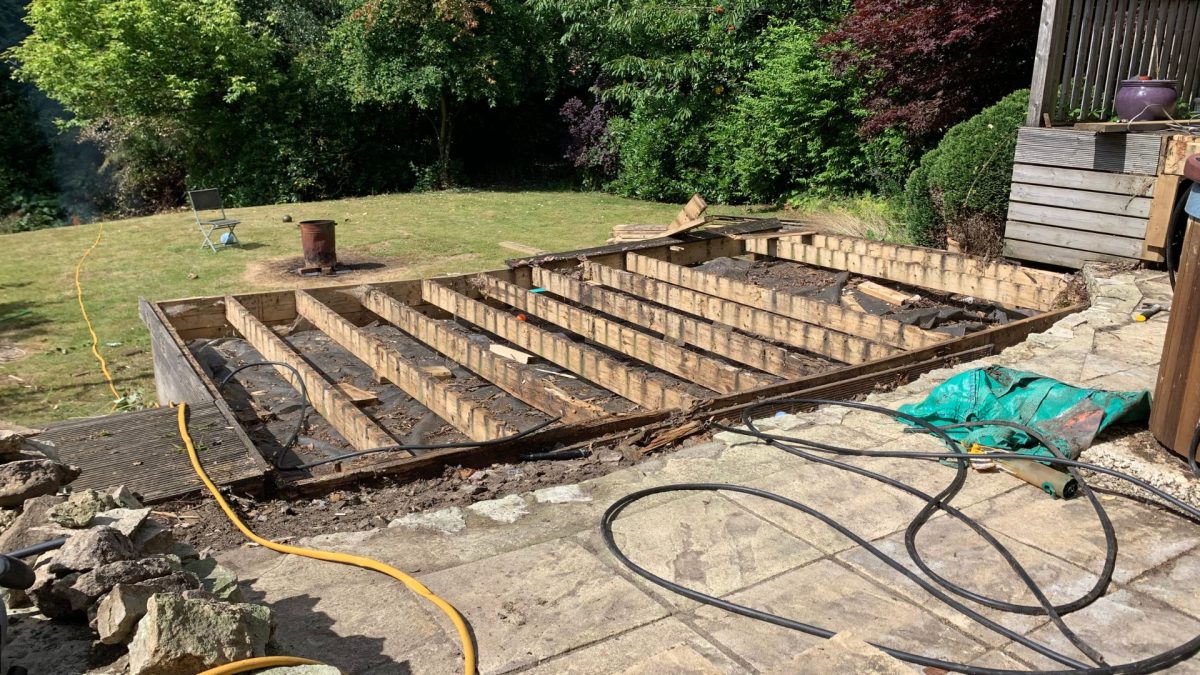
Removing an old deck can completely transform your outdoor space, opening up possibilities for fresh renovations. Old decks often occupy valuable real estate that could be repurposed for a garden, patio, or even an outdoor entertainment area. Clearing this space allows homeowners to visualize and plan new projects with ease, ensuring that any addition to the property blends seamlessly with existing structures. The process of deck removal eliminates physical obstacles and helps create a blank canvas where creativity can flourish. With the deck gone, uneven surfaces or hidden structural problems are revealed, providing an opportunity to address them before starting any construction.
Additionally, deck removal can reveal the true dimensions and contours of your property. Over time, decks may warp or deteriorate, hiding the actual ground level and potential drainage issues. By removing the deck, you gain a clear understanding of how the land can be used efficiently. This clarity is crucial for planning larger projects such as patios, outdoor kitchens, or landscaping renovations. In essence, clearing out an old deck is not just about removing wood and nails—it is about preparing your property for functional, aesthetic, and long-term improvements that maximize space and enhance usability.
Enhancing Property Safety
Old decks can become safety hazards due to rot, unstable boards, and weakened supports. Removing a compromised deck protects your property from potential accidents and ensures a safe environment for residents and visitors. A deteriorating deck is susceptible to collapse or splintering, creating liability risks. By taking the time to remove these structures, you can prevent injuries and structural damage while laying the groundwork for future enhancements. Safe demolition techniques allow for controlled removal of materials, reducing the risk of debris causing harm to nearby landscaping or property features.

Beyond physical safety, removing a deck addresses hidden issues like mold and insect infestations. Decks exposed to weather and moisture over the years can become breeding grounds for termites, ants, and other pests that may spread to adjacent areas of your home. Removing the deck allows for proper inspection and remediation, ensuring that new projects are built on a solid, healthy foundation. Eliminating these hazards early also protects your investment in future projects, making deck removal an essential step for property preparation that prioritizes safety and longevity.
Increasing Usable Outdoor Space
Deck removal opens the door to reclaiming outdoor space that might have been underutilized. Many older decks are restrictive in shape or size, limiting how you can use your backyard. By removing these structures, homeowners can redesign the layout to accommodate larger gatherings, recreational areas, or open lawns. Expanding usable space allows for greater flexibility in planning landscaping, patios, and other outdoor installations. Every square foot freed up can be transformed to suit lifestyle needs, creating a more inviting and functional environment.
This newly available space also encourages creative solutions for outdoor living. With the deck gone, homeowners can incorporate elements like pergolas, fire pits, or garden pathways that were previously impossible. The removal process ensures that the ground beneath is leveled and ready for new construction or landscaping projects. Transforming formerly occupied areas into multifunctional zones enhances both property value and aesthetic appeal, turning previously neglected spaces into vibrant areas that accommodate diverse activities and foster a welcoming atmosphere.
Simplifying Property Maintenance
Old decks require ongoing maintenance, from cleaning to staining and repairing damaged boards. Removing a deck eliminates this burden and streamlines property upkeep. Homeowners no longer have to worry about splintering wood, rusted nails, or water damage affecting structural integrity. Simplifying maintenance frees up time and resources for other improvements, allowing a property to evolve without the constant concern of deteriorating decking. Once removed, the area can be designed with low-maintenance materials such as concrete, pavers, or artificial turf, reducing the effort required to keep the outdoor space looking polished and inviting.
Moreover, deck removal addresses underlying problems that often go unnoticed until repairs become extensive and costly. Moisture trapped beneath a deck can encourage mold growth, rot, and soil erosion, creating long-term complications. By clearing away the deck, these issues can be corrected early, preventing future headaches and minimizing repair costs. Streamlined maintenance not only improves safety and aesthetics but also supports sustainability, as fewer resources are spent on continual deck upkeep. The result is a cleaner, more manageable property that is ready for future projects.
Revealing Structural Opportunities
Deck removal exposes the foundation beneath, revealing structural opportunities for future construction. Without the deck, homeowners can inspect soil conditions, drainage, and foundation stability, all of which are essential when planning new projects. Identifying these factors early ensures that additions like patios, gazebos, or outdoor kitchens are built on solid ground. Understanding the property’s structural dynamics allows for better project design, reduces unforeseen complications, and supports long-term durability of improvements.
Removing a deck also creates opportunities to enhance the property’s architecture and landscape integration. It becomes possible to design projects that flow naturally with existing features rather than working around an outdated deck. This increased visibility promotes smarter design choices, whether you’re adding levels, walkways, or plantings. Structural awareness gained through deck removal gives homeowners confidence that any new installation is secure, aesthetically aligned, and functionally optimized, creating outdoor spaces that are both practical and visually appealing.
Improving Aesthetic Appeal
An aging deck can detract from the overall beauty of a property, especially when wood is worn, faded, or damaged. Removing it instantly refreshes the outdoor space and allows for a modern, cohesive design. New projects can be tailored to match the home’s exterior style and landscaping vision. By eliminating dated materials, the property gains a cleaner, updated look, which enhances curb appeal and overall impression. The aesthetic benefits are compounded when new elements replace the deck, giving the property a polished and intentional design that complements both indoor and outdoor environments.
Deck removal also allows for creative landscaping opportunities that were previously constrained. With an open space, homeowners can explore color schemes, plant placement, and outdoor décor that harmonizes with new structures. Trees, shrubs, or decorative pathways can be incorporated without limitation, elevating the visual experience. Updating the look of the property through strategic removal supports design continuity, transforms outdated elements into modern features, and ensures that any new project is aesthetically pleasing and integrated seamlessly with the surroundings.
Supporting Future Renovations
Preparing for new projects is significantly easier when the deck is removed. Future renovations such as patio expansions, pool installations, or outdoor kitchens require a clear, unobstructed workspace. Deck removal prevents delays and obstacles during construction, creating an environment where projects can progress efficiently. Without the limitations imposed by an old structure, contractors and homeowners can implement designs more effectively, leading to better execution and fewer compromises in quality or vision.
Additionally, removing a deck ensures that new projects are built on a stable, unobstructed surface. This is especially important for weight-bearing structures like pergolas or hot tubs, where an unstable base could cause long-term problems. The process of removal provides the opportunity to inspect and, if necessary, improve foundational support. In doing so, deck removal not only facilitates smoother construction but also contributes to the longevity and reliability of future improvements, ensuring that the property is ready to accommodate a wide range of renovations with confidence and stability.
Reducing Environmental Hazards
Old decks can contribute to environmental hazards by harboring chemicals, mold, and treated wood residues. Removing these structures reduces potential contamination of soil and nearby plants. Proper disposal and recycling of materials minimize environmental impact while making way for sustainable landscaping or eco-friendly projects. Awareness of these hazards encourages responsible removal practices that protect both the home and the surrounding environment. Deck removal therefore supports environmental health while preparing the property for safe and sustainable development.
The process also reduces fire risks, especially for decks built with dry, untreated wood that can easily ignite. Eliminating flammable materials decreases the likelihood of accidental fires in outdoor spaces. This proactive approach to hazard reduction aligns with broader property improvement goals, ensuring that safety and sustainability are prioritized alongside aesthetic and functional upgrades. Removing the deck transforms the space into a safer, more environmentally conscious area ready for fresh development and thoughtful landscaping.
Facilitating Efficient Waste Management
Deck removal creates a significant volume of waste, including wood, nails, and hardware. Handling this efficiently is crucial to maintaining a clean work environment and preparing for new projects. By managing debris properly, homeowners prevent clutter and maintain accessibility to the site, ensuring that construction and landscaping activities can proceed without interruption. Effective disposal methods also support environmental responsibility, encouraging recycling and proper handling of materials that may otherwise end up in landfills unnecessarily.
Proper waste management during deck removal reduces stress and complexity associated with property renovation. Organizing debris removal allows for quicker transitions between demolition and construction phases. When materials are cleared systematically, contractors can work more efficiently and homeowners can enjoy a smoother renovation experience. The site becomes a controlled space, free from hazards and unnecessary obstacles, paving the way for new projects to be implemented successfully. Efficient waste handling ultimately enhances productivity, safety, and overall property readiness.
Maximizing Property Value
Removing an outdated deck can substantially increase property value by creating space for functional, modern improvements. Prospective buyers are often attracted to open, versatile outdoor areas that can be customized to suit personal preferences. A cleared, well-prepared space signals that the property has been maintained and updated thoughtfully. New projects built on a site free from aging structures contribute to higher resale potential and appeal, making deck removal an investment in long-term financial gain.
Additionally, a deck-free property demonstrates foresight and planning, which are valued attributes in real estate. Open spaces allow for innovative landscaping and structural enhancements that enhance curb appeal and livability. By addressing safety, aesthetics, and functionality, homeowners can maximize the impact of their outdoor spaces. The combination of increased utility, reduced hazards, and visual appeal ensures that deck removal contributes meaningfully to property value and prepares the site for projects that resonate with modern design trends.
Conclusion
Deck removal is a pivotal step in preparing a property for future improvements, offering safety, aesthetic, and functional advantages that transform outdoor spaces. Clearing away outdated or damaged structures creates opportunities for versatile layouts, landscaping enhancements, and sustainable projects. The process not only reduces hazards and simplifies maintenance but also provides a stable, level foundation for a wide range of construction and design activities. By investing in deck removal, homeowners gain a fresh perspective on their property, unlocking potential that may have been hidden by aging wood and obstructive structures.
For those in Palatine, IL seeking professional support with property preparation, 24-7 Junk Removal specializes in efficient and thorough deck removal and junk removal services. Their team ensures that debris is handled responsibly while preparing your property for new projects. Contact them at (773) 309-6966 or via email at support@24-7junk.com. Located at 611 W. Wise Schaumburg, IL 60193, they provide expert guidance and hands-on assistance to help transform your outdoor spaces and maximize the potential of your property. Proper deck removal is an investment in both safety and property value, and their team makes the process seamless and stress-free.