

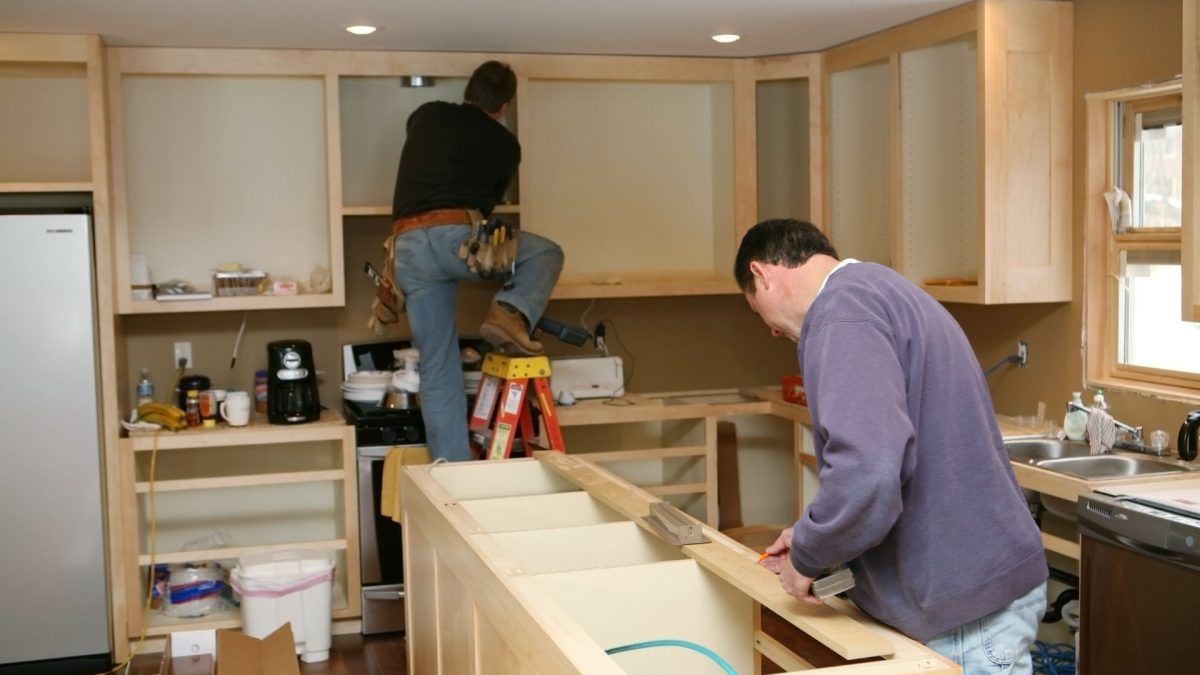
Many homeowners dive into a kitchen demolition thinking it will be a simple, straightforward process. However, kitchens are some of the most complex areas in a home due to the combination of plumbing, electrical wiring, cabinetry, and appliances. Attempting to remove old cabinets or countertops without a clear understanding of how these systems are interconnected can result in costly damage and dangerous situations. For instance, disconnecting plumbing improperly can lead to leaks that damage floors and walls, while mishandling electrical wiring may cause shorts or even fires. Recognizing the hidden complexities before beginning demolition is essential for avoiding accidents and ensuring the project stays on track.
Additionally, failing to plan for the disposal of materials can complicate the process further. Kitchens contain a mix of wood, metal, glass, and potentially hazardous materials such as old insulation or lead-based paint. Not knowing how to separate and remove these items responsibly can create both safety hazards and logistical nightmares. Homeowners often underestimate the time and effort required to dismantle cabinets, remove appliances, or break down countertops safely. Taking the time to understand the full scope of the demolition, including potential hidden issues, is critical for a smoother, safer, and more efficient renovation.
Neglecting Proper Safety Measures
Safety should always be a top priority during kitchen demolition, yet it is one of the most commonly overlooked aspects. Removing cabinets, appliances, or flooring involves sharp tools, heavy lifting, and exposure to dust and debris. Homeowners who skip protective gear such as gloves, safety goggles, and dust masks put themselves at risk of serious injury. Even seemingly minor slips or cuts can escalate into complications if not treated properly. Using the right equipment, from pry bars to power tools, in conjunction with protective gear, significantly reduces the likelihood of accidents.

Moreover, many individuals fail to secure their work area adequately, creating hazards for themselves and others in the household. Unstable flooring, protruding nails, and scattered debris can result in trips, falls, or other injuries. Containing dust and debris is equally important to prevent respiratory issues, especially when working with older homes where materials may contain harmful particles. Establishing a designated work zone, using tarps to control dust, and maintaining clear pathways are all essential steps for ensuring safety during demolition. Proper safety protocols not only protect your health but also preserve the integrity of your kitchen space for the upcoming renovation.
Failing to Turn Off Utilities
One of the most common mistakes in kitchen demolition is neglecting to properly shut off utilities. Water, electricity, and gas lines are hidden behind walls and cabinets, and accidentally damaging them can lead to significant hazards and expensive repairs. Water lines left active during demolition can cause flooding, damaging floors and adjoining rooms. Electrical wires that are not de-energized may result in shocks or fires if cut or disturbed inadvertently. Gas lines, if punctured, create a serious explosion risk that can endanger the entire household. Taking the time to locate and shut off all utilities before beginning work is crucial.
In addition to safety, shutting off utilities protects your property and reduces potential repair costs. Even minor water leaks or electrical shorts can cause delays and add to the complexity of the renovation. Calling professionals to identify and safely disconnect gas or electrical lines is often the wisest approach. While it may seem like an extra step, ensuring that all utilities are turned off provides peace of mind and allows the demolition process to move forward without the risk of dangerous surprises. Proper preparation in this area sets the tone for a safer, more efficient kitchen remodel.
Ignoring Structural Considerations
Another critical mistake is overlooking the structural elements of the kitchen. Walls, beams, and flooring support the weight of cabinets, countertops, and appliances. Removing these without understanding load-bearing structures can compromise the integrity of the home. Knocking down a wall without verifying whether it is structural may lead to sagging ceilings or floors, creating a costly and potentially unsafe situation. Even minor structural changes, such as altering doorways or creating openings, require careful assessment. Consulting with a professional before removing any significant element ensures that the demolition does not undermine the stability of the kitchen.
Beyond load-bearing walls, ignoring the condition of subfloors and ceilings can also create problems. Rotting wood or hidden mold may be revealed during demolition, and failure to address these issues can affect both the timeline and the cost of the renovation. Checking structural integrity before and during demolition allows for proactive solutions rather than reactive fixes. Understanding what can safely be removed and what requires reinforcement or professional intervention is key to avoiding major setbacks and ensuring the success of the kitchen project.
Not Planning for Waste Disposal
Many homeowners start a demolition without a clear plan for handling the debris, creating frustration and inefficiency. Kitchens generate a large amount of waste, from broken cabinets and countertops to packaging and old appliances. Improper disposal can lead to cluttered spaces, delayed timelines, and even fines if materials are left inappropriately. Identifying a method for sorting and removing junk, whether through a rented dumpster or a junk removal service, simplifies the cleanup process. Planning ahead helps maintain an organized workspace and prevents the debris from interfering with ongoing construction activities.
Additionally, not all materials should be disposed of in the same way. Cabinets, metal fixtures, and appliances often have recycling options, while certain older materials may need special handling due to toxicity. Without a disposal strategy, homeowners risk environmental harm or violations of local regulations. Allocating time and resources for responsible waste management ensures that demolition progresses efficiently while minimizing environmental impact. A clear disposal plan allows the project to move quickly and safely, keeping the renovation on track and free of unnecessary stress.
Underestimating Time and Labor Requirements
Kitchen demolition is often more time-consuming than homeowners anticipate. Dismantling cabinets, pulling out countertops, and removing flooring requires significant physical effort, particularly when dealing with large or older kitchens. Assuming the work can be completed in a single weekend can lead to fatigue, mistakes, and unfinished tasks. Breaking down the project into manageable stages helps maintain progress without compromising safety or quality. It also allows for proper handling of debris, tool use, and temporary storage of salvaged items.
Labor requirements extend beyond physical exertion. Careful attention must be paid to delicate items such as plumbing fixtures, wiring, and appliances, which can be damaged if removed hastily. Proper lifting techniques, coordination among helpers, and pacing the work over multiple sessions are all strategies to reduce strain and avoid accidents. Recognizing the intensity of the labor involved encourages a realistic approach, ensuring the demolition phase does not become overwhelming or hazardous. Careful planning for time and labor leads to a more controlled and effective renovation process.
Overlooking Permits and Local Regulations
A frequent oversight in kitchen demolition is failing to check for required permits or comply with local building regulations. Certain demolition activities, particularly those involving structural changes or electrical and plumbing work, may require permits to ensure safety and legal compliance. Ignoring these requirements can result in fines, project delays, or even mandatory reconstruction. Researching local codes and obtaining the necessary approvals before starting work prevents complications that could derail the renovation.
Complying with regulations also protects homeowners from potential legal liabilities. In addition to permits, there may be rules regarding the disposal of materials or working hours for construction projects in residential areas. Adhering to these standards ensures the demolition process respects the community and avoids unnecessary conflicts. Proactively handling legal and regulatory obligations allows the renovation to proceed smoothly and avoids surprises that could impact both budget and schedule. Staying informed and prepared is an essential step for a successful kitchen transformation.
Mishandling Hazardous Materials
Old kitchens may contain materials that pose health risks if mishandled. Asbestos, lead-based paint, and mold are common in older homes and can cause serious health problems if disturbed without proper precautions. Homeowners often underestimate the danger of these substances, leading to exposure and contamination. Recognizing potential hazards before demolition and using appropriate safety measures is crucial. Professional assessment and removal of these materials ensure a safe environment for both workers and residents.
In addition to health risks, improper handling of hazardous materials can result in regulatory violations and fines. Safe removal often requires specialized equipment, disposal methods, and protective gear. Taking the time to identify, contain, and properly dispose of hazardous substances mitigates risk and contributes to a safer, cleaner renovation site. Awareness and careful management of these materials protect both the immediate health of those involved and the long-term safety of the home environment.
Failing to Protect Surrounding Areas
Demolition can create dust, debris, and accidental damage to parts of the home not being renovated. Many homeowners neglect to shield adjacent rooms, flooring, or furniture, resulting in extensive cleaning or repair afterward. Using tarps, drop cloths, and temporary barriers can protect areas beyond the kitchen from dust infiltration and accidental impacts. Properly isolating the workspace reduces post-demolition cleanup and safeguards other home investments.
Additionally, attention should be given to ventilation during demolition. Dust and fumes from construction materials can spread rapidly, causing respiratory irritation or settling in areas not directly involved in the renovation. Ensuring proper airflow and sealing off unnecessary spaces helps maintain a safer and cleaner environment. Taking proactive measures to protect surrounding areas reduces potential setbacks and ensures that the renovation leaves the home in better condition than before demolition began.
Skipping Pre-Demolition Planning
Jumping straight into demolition without a detailed plan is a common error that leads to chaos. Pre-demolition planning involves mapping out the sequence of removal, identifying potential hazards, securing necessary tools, and coordinating labor. Skipping this stage increases the likelihood of mistakes, accidents, and incomplete demolition. A detailed plan allows for a logical flow of work, minimizes unnecessary handling of materials, and ensures critical systems like plumbing and electricity are safely managed.
Planning also involves assessing what can be salvaged or reused. Many kitchen elements, including cabinets, appliances, or hardware, may still have value if removed carefully. Creating a pre-demolition checklist ensures that all steps are considered and reduces the risk of overlooking important aspects of the project. Effective preparation saves time, minimizes stress, and contributes to a smoother renovation process.
Conclusion
Kitchen demolition is a complex and multi-faceted process that demands careful attention to detail, safety, and planning. Avoiding common mistakes such as underestimating labor, mishandling hazardous materials, or ignoring structural elements ensures a smoother and safer renovation. Proper preparation, including securing utilities, planning debris removal, and protecting surrounding areas, reduces risks and contributes to a more efficient workflow.
For homeowners in Palatine, IL looking to manage the aftermath of a demolition, 24-7 Junk Removal provides professional junk removal services to handle debris quickly and responsibly. Their team can remove cabinets, appliances, and construction waste efficiently, allowing you to focus on the next phase of your renovation. With a commitment to safety and customer satisfaction, they help homeowners navigate the challenges of demolition cleanup. Contact them at (773) 309-6966, visit their location at 611 W. Wise Schaumburg, IL 60193, or email support@24-7junk.com for reliable junk removal solutions.