

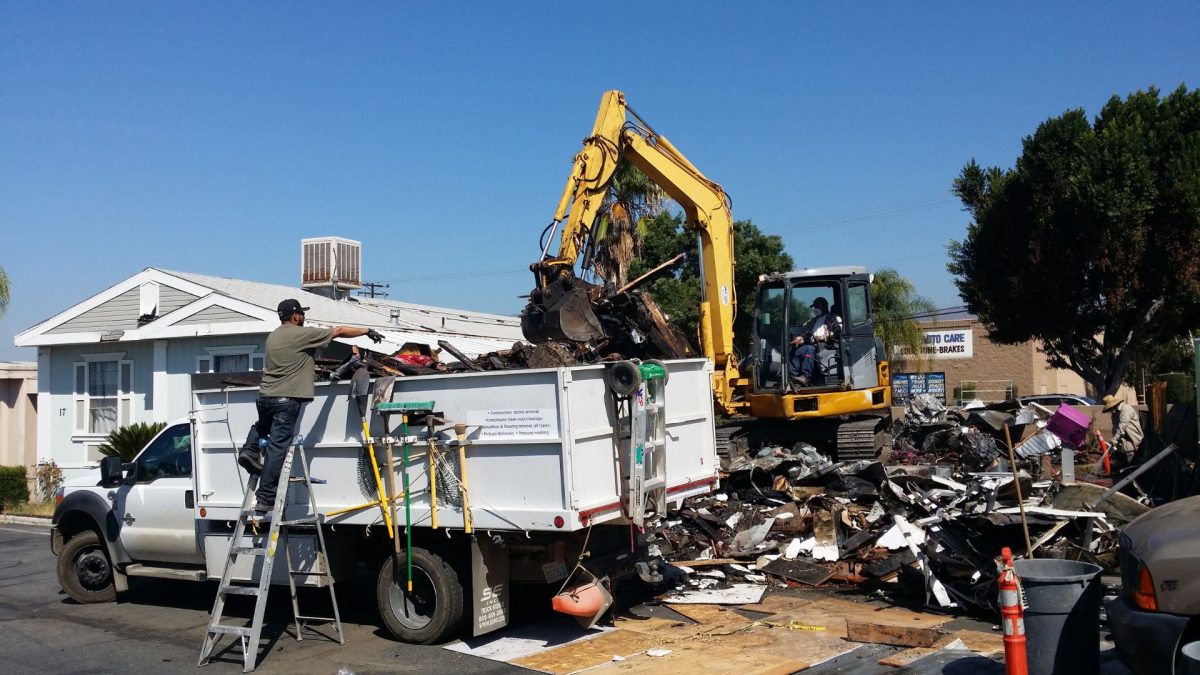
Demolition cleanup is an essential step in modern construction and renovation projects, playing a crucial role in protecting the environment. By properly disposing of materials like wood, concrete, metal, and drywall, demolition cleanup prevents these substances from ending up in landfills where they can take decades or even centuries to break down. Instead, many of these materials can be recycled or repurposed for new construction, reducing the demand for raw resources. For example, metals from old structures can be melted down and reused, and concrete can be crushed and incorporated into new building foundations. This careful approach not only conserves natural resources but also significantly minimizes the environmental footprint of construction activities.
Another critical aspect of reducing landfill waste is the sorting of demolition debris on-site. By separating recyclable items from non-recyclable trash, construction teams ensure that fewer materials are sent to landfills, which helps prevent soil contamination and reduces methane emissions from decomposing waste. Beyond the environmental impact, organized demolition cleanup also streamlines construction projects, making it easier to identify valuable materials that could be reused or donated. This proactive approach to waste management transforms what would be discarded into an opportunity for sustainability and resource efficiency, aligning demolition practices with broader ecological goals.
Promoting Recycling Through Effective Material Separation
Effective demolition cleanup goes beyond simply clearing debris; it actively promotes recycling and material recovery. By carefully sorting materials such as metals, plastics, glass, and wood, construction teams create opportunities for these items to be reintroduced into the supply chain. This process reduces the extraction of virgin materials, which often involves environmentally damaging mining and logging practices. Metals, for instance, can be recycled indefinitely without losing quality, while wood can be repurposed for new furniture or construction projects, minimizing the ecological footprint of renovation activities. Emphasizing recycling within demolition cleanup ensures that fewer resources are wasted and that valuable materials are given a second life.
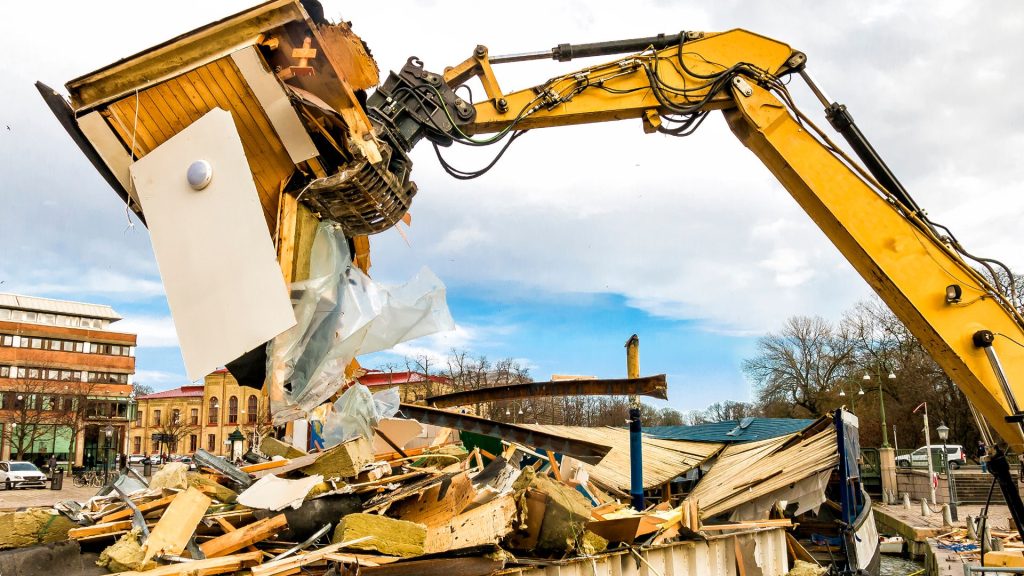
Material separation also allows for safer disposal of hazardous substances like asbestos, lead-based paints, and certain chemicals. By isolating these materials during demolition cleanup, environmental contamination is prevented, protecting both workers and surrounding communities. Recycling initiatives extend beyond construction materials as well; even items like glass and concrete can be processed and used in new infrastructure projects. These environmentally conscious practices underscore the potential of demolition cleanup to transform waste into usable resources, demonstrating a commitment to sustainability while preserving the natural environment for future generations.
Minimizing Air Pollution From Construction Debris
Demolition projects can create significant amounts of dust and particulate matter, which contribute to air pollution if not properly managed. Effective demolition cleanup helps to contain and manage this debris, ensuring that airborne particles are minimized. Materials such as drywall, wood, and concrete can produce dust that irritates the respiratory system and affects air quality in the surrounding community. By employing dust control measures, including water spraying, proper debris containment, and timely removal, demolition cleanup mitigates the environmental and health hazards associated with airborne pollutants.
Moreover, transportation of debris to recycling centers or landfills can further reduce airborne pollutants. By consolidating materials and planning efficient removal routes, construction teams lower vehicle emissions and decrease the overall carbon footprint of the demolition process. The integration of these practices into demolition cleanup not only protects the environment but also safeguards public health. Properly managed cleanup operations ensure that communities near construction sites experience cleaner air, making demolition projects more socially responsible while contributing to broader environmental sustainability efforts.
Conserving Natural Resources Through Material Reuse
Demolition cleanup offers a unique opportunity to conserve natural resources by enabling the reuse of salvaged materials. Wood, metal, glass, and stone can often be reclaimed and repurposed, reducing the need to extract new raw materials from the earth. This practice is particularly valuable for energy-intensive materials such as steel or aluminum, whose production involves significant greenhouse gas emissions. By incorporating salvaged materials into new projects, construction teams help preserve forests, reduce mining impacts, and lower energy consumption associated with manufacturing.
The process of identifying reusable materials during demolition cleanup requires careful planning and expertise. Items such as structural beams, cabinetry, and flooring can be cleaned and restored for use in future projects, while certain concrete elements can be crushed and repurposed for new foundations or roadwork. This approach fosters a circular economy within the construction industry, where materials are continually recycled, reused, and reintegrated rather than discarded. Beyond the immediate environmental benefits, material reuse also provides economic advantages by lowering costs for new construction while promoting sustainable practices that appeal to environmentally conscious stakeholders.
Protecting Soil and Water Quality During Cleanup
Construction debris left unmanaged can pose a serious threat to soil and water quality. Materials such as paint, adhesives, and treated wood may contain chemicals that leach into the ground, contaminating local waterways and ecosystems. Demolition cleanup mitigates these risks by ensuring proper containment and disposal of hazardous substances. By separating potentially harmful materials from general debris, cleanup operations prevent toxins from seeping into the soil, protecting plant life, groundwater, and nearby bodies of water.
Proper cleanup procedures also include erosion control and careful handling of sediment, which can further protect soil and water quality. Using tarps, barriers, and other containment strategies, construction teams minimize runoff during demolition activities. These practices not only reduce the environmental impact of construction sites but also help maintain the integrity of surrounding ecosystems. By prioritizing soil and water protection during demolition cleanup, projects demonstrate a commitment to responsible environmental stewardship while preventing long-term damage to natural habitats.
Reducing Greenhouse Gas Emissions From Waste Disposal
Demolition cleanup contributes to reducing greenhouse gas emissions by diverting materials from landfills and promoting recycling and reuse. Landfills are major sources of methane, a potent greenhouse gas produced when organic materials decompose anaerobically. By ensuring that wood, paper, and other compostable materials are properly managed and recycled, demolition cleanup helps reduce methane production, directly lowering emissions associated with waste disposal.
Additionally, recycling metals and other materials reduces the energy needed for manufacturing processes. Producing aluminum or steel from recycled materials consumes far less energy than creating them from raw ore, thereby decreasing carbon dioxide emissions. Transportation strategies during cleanup also play a role in reducing emissions, as consolidated debris removal and route optimization minimize fuel consumption. Through these methods, demolition cleanup becomes a critical element in fighting climate change, demonstrating that careful handling of construction waste can have far-reaching environmental benefits beyond the immediate project site.
Encouraging Sustainable Construction Practices
Demolition cleanup encourages sustainable construction practices by integrating eco-friendly waste management into every phase of a project. When construction teams prioritize cleanup and recycling, it fosters a culture of environmental responsibility across all stakeholders, from contractors to architects and homeowners. This mindset ensures that new building projects are designed with sustainability in mind, considering material selection, disposal methods, and opportunities for reuse from the outset.
Moreover, sustainable demolition practices often inspire innovations in construction methods. Modular designs, reusable components, and materials with lower environmental impact are more likely to be adopted when demolition cleanup emphasizes recycling and reuse. By creating a feedback loop between cleanup and construction planning, projects become increasingly efficient and environmentally conscious. This holistic approach not only benefits the environment but also enhances project reputation, attracting clients and partners who value sustainability and long-term ecological impact.
Preventing Hazardous Material Contamination
Many demolition sites contain hazardous materials such as asbestos, lead, and chemical residues. Improper disposal of these substances can harm both the environment and human health. Effective demolition cleanup ensures these materials are identified, isolated, and disposed of according to environmental regulations, preventing contamination of soil, water, and air. Proper handling protects workers, nearby residents, and wildlife from exposure to dangerous chemicals.
Hazardous material management also involves regular monitoring and documentation, ensuring compliance with local, state, and federal environmental standards. This diligence not only mitigates risk but also strengthens community trust in construction projects. By treating hazardous materials responsibly during demolition cleanup, construction teams uphold public safety, protect ecosystems, and demonstrate a proactive commitment to minimizing environmental harm.
Enhancing Community Health and Wellbeing
Demolition cleanup is not only about environmental protection; it also directly contributes to the health and wellbeing of surrounding communities. Proper debris removal reduces the risk of accidents, improves air quality, and prevents the spread of contaminants. Sites that are left unmanaged can attract pests, contribute to dust pollution, and create unsafe conditions for residents and passersby. By maintaining clean and organized demolition zones, construction teams foster safer neighborhoods and healthier living environments.
Additionally, visible commitment to environmental responsibility can inspire community engagement and awareness. When residents see proactive cleanup efforts, it reinforces the importance of sustainable practices and encourages broader participation in recycling and conservation initiatives. Demolition cleanup thus extends its impact beyond the immediate construction site, supporting community health and promoting a culture of environmental stewardship that benefits everyone.
Supporting the Circular Economy Through Material Recovery
Demolition cleanup plays a critical role in supporting a circular economy by recovering valuable materials and reintroducing them into production cycles. Items such as metals, wood, concrete, and glass can be processed and reused, reducing reliance on virgin resources. This practice promotes sustainability by maximizing the lifecycle of materials and minimizing environmental impact. By focusing on material recovery, demolition projects can transform waste into valuable resources, creating economic and ecological benefits simultaneously.
Material recovery also stimulates innovation within the construction and recycling industries. New technologies for sorting, processing, and repurposing debris allow for more efficient resource utilization. As more projects adopt these practices, the circular economy grows stronger, demonstrating that demolition cleanup is not merely a logistical necessity but a strategic opportunity to promote sustainability, conserve resources, and reduce the environmental footprint of construction activities.
Conclusion
The environmental benefits of demolition cleanup extend far beyond the immediate construction site, influencing air quality, soil and water health, greenhouse gas emissions, and resource conservation. By embracing proper disposal, recycling, and material recovery, demolition projects contribute to a more sustainable future, protecting natural ecosystems while fostering responsible community practices. Thoughtful cleanup ensures that hazardous materials are safely managed, reducing risks to both human health and the environment. These efforts create a ripple effect that encourages sustainable construction and strengthens the overall environmental consciousness of the industry.
For residents and businesses in Palatine, IL, professional junk removal services such as 24-7 Junk Removal provide a comprehensive solution to demolition cleanup needs. By offering efficient, eco-conscious debris removal, the team at 611 W. Wise Schaumburg, IL 60193 ensures that projects remain safe and environmentally responsible. To schedule a cleanup or learn more about sustainable demolition practices, call (773) 309-6966 or email support@24-7junk.com. With expert handling, materials are properly sorted, hazardous substances are managed responsibly, and valuable debris is diverted from landfills, ensuring every project supports a greener, healthier future for the community.