

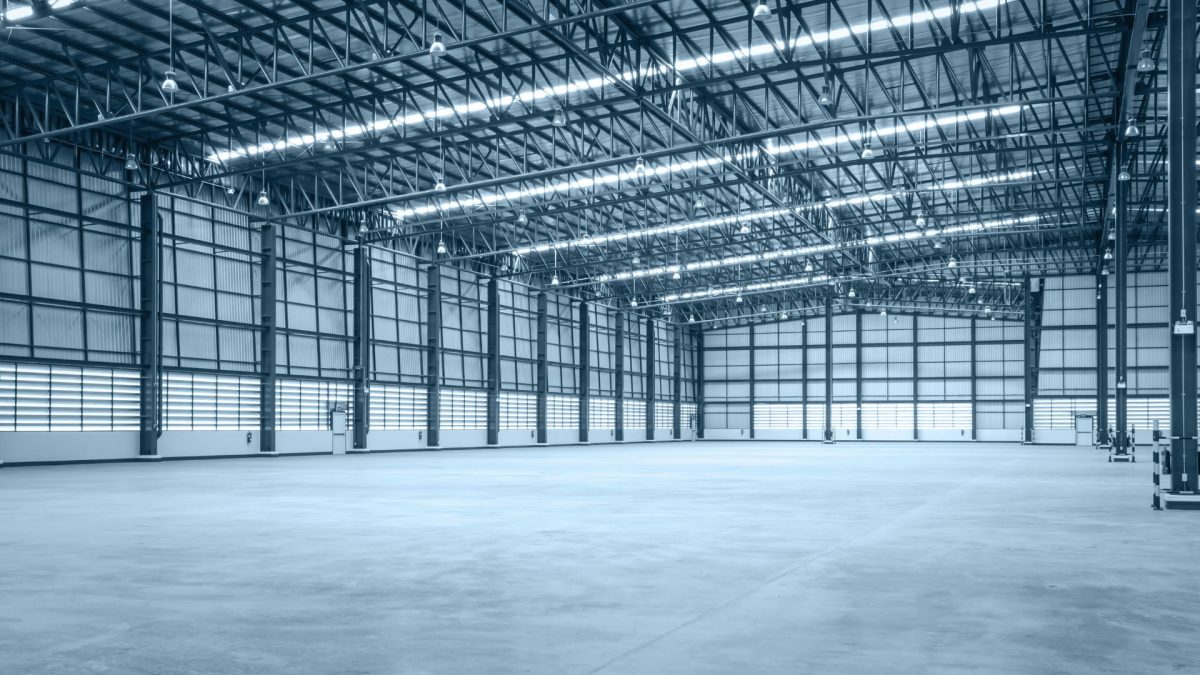
Cleaning out a warehouse requires more than just picking up items and throwing them away. It begins with careful planning to ensure that the process moves smoothly and efficiently. Understanding the layout of the warehouse, the types of items stored, and the level of clutter is essential. Without this foresight, a cleanout can become chaotic, wasting time and effort. A detailed plan helps identify which areas need immediate attention and which can be addressed later. It also allows for the creation of zones for items that need to be discarded, recycled, or kept. The organization of these zones will make the actual removal process faster and safer. Planning ahead ensures workers are not overwhelmed by unexpected obstacles or bulky items that could disrupt the workflow. This step is fundamental in reducing stress and creating a methodical approach to clearing out a warehouse space. The goal is to transform a cluttered, inefficient storage area into an orderly and functional environment.
Preparation also involves assembling the right tools and materials for the cleanout. Heavy-duty gloves, boxes, bins, and protective equipment help workers handle the materials safely. Having moving carts or forklifts available for large, cumbersome objects can prevent injuries and save time. Additionally, knowing where waste disposal areas or recycling centers are located ensures that items are removed responsibly. Communication plays a vital role at this stage, as everyone involved should understand their responsibilities and the overall process. By dedicating time to planning and preparation, warehouse cleanouts can be executed in a way that minimizes disruptions and ensures a more organized, productive space at the end.
Assessing Warehouse Inventory
Before any items are removed, it is crucial to evaluate what the warehouse contains. Taking inventory helps determine which materials are still useful and which are unnecessary clutter. Some items may be outdated or no longer needed, but others might be valuable and require careful handling. Evaluating inventory allows managers to make informed decisions about what stays, what can be donated, and what needs to be recycled or discarded. It also helps prevent accidental disposal of important items. Assessing inventory provides clarity, making the removal process more precise and intentional rather than random and inefficient. Without this step, workers risk wasting time sorting through unnecessary items repeatedly or inadvertently disposing of valuable materials.
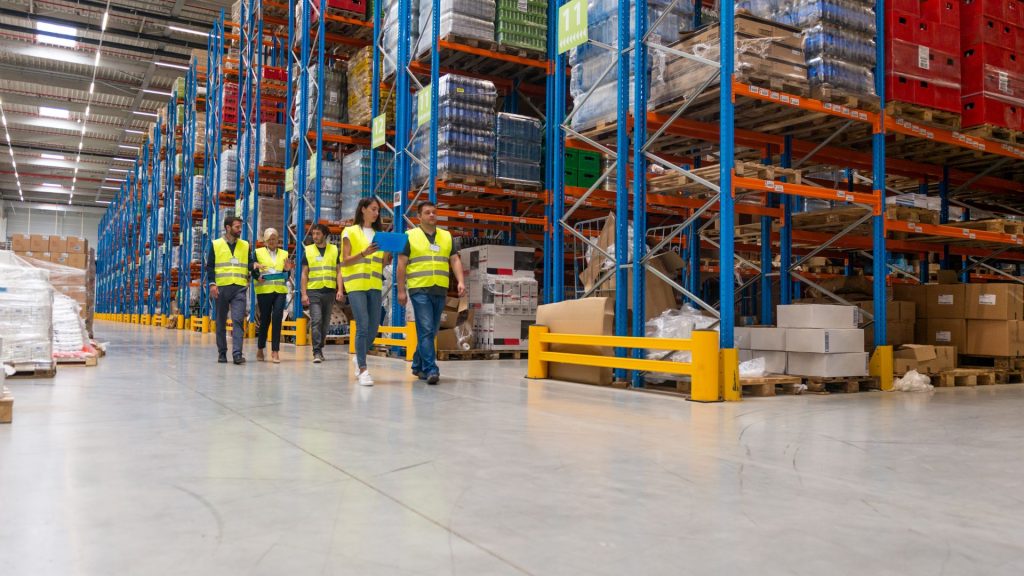
Inventory assessment also helps in estimating the effort required for the cleanout. By knowing the types of items and their quantities, teams can allocate appropriate resources and tools for the job. It is easier to plan for transportation, storage, and disposal when the inventory is fully understood. Additionally, careful evaluation can reveal hidden safety hazards such as old chemical containers, sharp objects, or unstable stacks of materials. Identifying these risks beforehand allows for proper precautions, reducing the chance of accidents. Ultimately, taking the time to assess the warehouse inventory ensures the cleanout is organized, safe, and efficient, providing a clear roadmap for the tasks ahead.
Sorting and Categorizing Items
Once inventory is assessed, the next step is to sort and categorize the items within the warehouse. This step transforms a messy, overwhelming space into organized sections that are easier to manage. Sorting involves separating items based on their purpose, condition, and value. Some items may be designated for donation, others for recycling, and some for permanent disposal. Categorizing materials ensures that workers know where each item belongs and prevents unnecessary clutter from building up again during the cleanout process. Organizing items in this way allows for a smoother flow of operations, as each category can be handled according to its unique requirements. This approach also streamlines decision-making, making it clear which items need special attention and which can be moved quickly.
Categorizing items also reduces the risk of errors and potential hazards. For example, fragile or heavy items can be grouped separately to prevent damage or injury. Hazardous materials, such as chemicals or flammable products, should be clearly identified and handled following safety guidelines. Proper organization helps workers navigate the warehouse more efficiently, saving time and energy during removal. Additionally, categorization enables better utilization of space, ensuring that useful items are stored properly rather than being discarded unnecessarily. By taking the time to sort and categorize items, warehouse cleanouts become more structured, manageable, and safe for everyone involved.
Efficient Removal Techniques
Effective removal techniques are critical for completing a warehouse cleanout successfully. Moving items efficiently requires the right tools, equipment, and a clear plan. Using carts, dollies, or forklifts for heavy objects prevents injuries and speeds up the process. Breaking down larger items into smaller components can also make transport easier and safer. Employing teamwork ensures that heavy or awkward items are moved carefully without causing damage to property or workers. Planning the route for removal, including staging areas for discarded or recyclable items, allows the process to flow seamlessly. Eliminating bottlenecks and avoiding repeated handling reduces the effort required and enhances overall efficiency.
Additionally, maintaining a systematic approach during removal prevents chaos and ensures safety. Clearing one section at a time and following a pre-determined sequence allows workers to track progress and avoid missed areas. Communication among team members is crucial to coordinate movements, especially when handling large machinery or hazardous materials. Efficient removal techniques not only save time but also minimize stress, making the cleanout less physically and mentally taxing. By focusing on careful planning, proper equipment, and coordinated efforts, the warehouse cleanout can be completed swiftly while maintaining safety and organization.
Handling Hazardous or Sensitive Materials
During a warehouse cleanout, encountering hazardous or sensitive materials is not uncommon. Proper handling of these items is essential to avoid accidents and comply with safety regulations. Hazardous materials may include chemicals, flammable substances, or outdated electronics, each requiring specific disposal methods. Identifying these materials early prevents contamination or harm to workers and the environment. Proper labeling, containment, and transport procedures ensure that these items are removed safely and responsibly. Special care must be taken with sensitive materials, including confidential documents or proprietary products, which may require secure handling or shredding before disposal.
Handling hazardous materials also demands adherence to legal and environmental standards. Workers should be trained in safe disposal methods and equipped with protective gear when necessary. Coordination with professional waste removal services or recycling facilities may be required for certain items, especially those that cannot be disposed of in standard landfill sites. Establishing a clear protocol for hazardous materials reduces confusion and ensures the cleanout remains safe for all involved. Addressing sensitive materials properly protects both the organization and its employees, preserving valuable assets while maintaining compliance with regulations. This step highlights the importance of vigilance and responsibility during every warehouse cleanout.
Time Management Strategies
Managing time effectively is essential for a successful warehouse cleanout. Without a structured approach, tasks can take longer than expected, creating frustration and increasing costs. Establishing a clear schedule helps ensure that each stage of the cleanout, from planning to removal, is completed in an orderly manner. Allocating specific time blocks to sorting, packing, and disposal ensures that nothing is overlooked. Time management also allows for breaks and rest periods, which are crucial for maintaining productivity and preventing burnout during physically demanding work. Planning the workflow carefully prevents unnecessary delays and allows the cleanout to be completed on schedule.
Prioritization is another key component of time management. Addressing high-traffic areas or sections with the most clutter first creates visible progress and motivates the team. Breaking the cleanout into smaller, manageable tasks helps prevent feeling overwhelmed by the scale of the project. Additionally, monitoring progress throughout the day ensures that the process remains on track, allowing for adjustments if certain areas take longer than anticipated. Effective time management not only improves efficiency but also reduces stress, making the warehouse cleanout a smoother, more organized process for everyone involved.
Waste Disposal and Recycling
Proper waste disposal and recycling are vital during a warehouse cleanout. Discarding items responsibly reduces environmental impact and ensures compliance with local regulations. Different materials may require separate disposal methods, such as electronics, plastics, metals, and general refuse. Recycling as much as possible not only supports sustainability but also reduces the amount of waste sent to landfills. Organizing items for disposal and recycling beforehand helps streamline the process, ensuring that materials are handled correctly without causing delays or confusion. This approach also fosters a culture of responsibility and environmental awareness during warehouse cleanouts.
Recycling and waste disposal also offer practical benefits for the cleanout. Separating materials efficiently prevents contamination, making it easier to transport items to the appropriate recycling or waste facilities. Proper labeling and containment reduce the risk of injury or accidental spillage, maintaining a safer working environment. Additionally, recycling valuable materials can offset some costs associated with disposal, making the cleanout more cost-effective. Integrating sustainable practices into the cleanout process demonstrates foresight and professionalism, transforming a potentially overwhelming task into an opportunity for responsible management of materials and resources.
Maximizing Warehouse Space
A successful warehouse cleanout often reveals opportunities to maximize the available space. By removing unnecessary items and reorganizing remaining materials, storage efficiency can be greatly improved. Implementing shelving, stacking strategies, or designated zones for different categories of items helps create a more functional layout. Maximizing space not only improves accessibility but also reduces the time spent searching for needed materials. A well-organized warehouse enhances workflow and allows staff to operate more efficiently, reducing clutter-related frustrations and bottlenecks.
Optimizing warehouse space also contributes to long-term maintenance. With clearly defined areas for storage, the risk of clutter accumulating again is minimized. Regularly reassessing storage needs and implementing improvements ensures that the warehouse remains organized and functional over time. The process of clearing out a warehouse provides a unique opportunity to rethink how space is used, encouraging smarter organization strategies and better utilization of every square foot. This proactive approach transforms the warehouse into a cleaner, safer, and more efficient environment.
Safety Protocols During Cleanouts
Safety is a central concern during any warehouse cleanout. Ensuring that all workers are aware of hazards and equipped with proper protective gear prevents accidents and injuries. Clear communication and adherence to safety guidelines reduce the risk of mishaps when moving heavy objects, handling hazardous materials, or navigating tight spaces. Safety protocols also include ensuring fire exits are accessible, using proper lifting techniques, and securing unstable stacks of items. Maintaining a safe environment allows the cleanout to progress smoothly while protecting the health and well-being of everyone involved.
Additionally, safety protocols foster accountability and structure throughout the cleanout. Workers are more confident and efficient when they understand potential risks and how to mitigate them. Pre-cleanout briefings, ongoing supervision, and routine checks help maintain a high standard of safety. By prioritizing precautionary measures, organizations can avoid costly accidents and maintain compliance with workplace regulations. A focus on safety demonstrates professionalism, ensuring that the warehouse cleanout is executed responsibly and without incident.
Post-Cleanout Organization
After the removal of unnecessary items, the focus shifts to maintaining an organized warehouse environment. Establishing a system for ongoing storage, labeling, and inventory tracking ensures that the space remains orderly in the long term. Implementing clear procedures for incoming materials prevents future clutter, while periodic audits help maintain organization. Proper post-cleanout strategies also improve efficiency, making it easier to access needed items without creating disarray. A well-maintained warehouse promotes productivity and reduces the stress associated with searching for misplaced items.
Post-cleanout organization also involves evaluating the effectiveness of the cleanout process itself. Understanding what worked well and where improvements are needed allows for better planning in future cleanouts. Incorporating lessons learned enhances workflow and storage strategies, ensuring that the warehouse continues to operate efficiently. Regular maintenance, thoughtful layout design, and consistent labeling practices help sustain a clutter-free environment. By prioritizing long-term organization, the benefits of a warehouse cleanout extend far beyond the immediate removal of items, creating a more productive, safer, and visually appealing space for everyone who uses it.
Conclusion
A warehouse cleanout is a transformative process that requires careful planning, organization, and attention to detail. From assessing inventory to sorting, categorizing, and removing items, each step plays a crucial role in creating a safer and more efficient workspace. Effective time management, proper handling of hazardous materials, and sustainable waste disposal practices further enhance the outcome, ensuring the cleanout is not only productive but also environmentally responsible. Maximizing space, implementing safety protocols, and maintaining post-cleanout organization solidify the long-term benefits of a well-executed cleanout. These measures create a functional and organized environment, allowing warehouse operations to proceed more smoothly and efficiently.
For those in Palatine, IL, seeking professional assistance with warehouse cleanouts, 24-7 Junk Removal provides expert services to handle the process seamlessly. With their skilled team, they ensure that all items are removed responsibly, whether for disposal, recycling, or repurposing. Contact them at (773) 309-6966 to schedule a service and transform your warehouse into an organized, efficient space. Their attention to detail, commitment to safety, and professional approach make warehouse cleanouts stress-free, saving both time and effort for businesses in the area.