

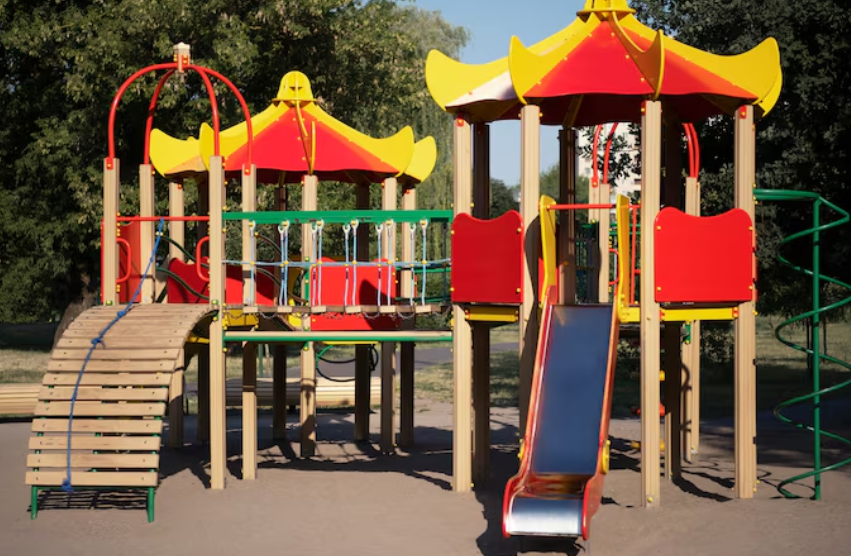
Before any playset comes down, the surrounding area must be carefully prepared to avoid accidents and ensure a smooth process. This involves clearing the space of any toys, garden equipment, or debris that could interfere with dismantling. Assessing the condition of the playset itself is crucial, as weathered or rotting materials require extra caution during removal. Safety measures, including gloves and protective eyewear, are essential to prevent injuries. A well-prepared area not only protects people but also helps the cleanup proceed efficiently.
Additionally, identifying potential hazards like underground sprinklers, shallow roots, or uneven terrain ensures the removal team can work without unexpected interruptions. Marking boundaries for safe operation and considering nearby structures or fences prevents damage during the process. Preparing the area thoroughly minimizes delays and reduces the chance of accidents. By taking these steps, the entire removal and cleanup experience becomes safer and more predictable, making the transition from an old playset to a clear yard seamless and stress-free.
Dismantling the Playset Safely
The dismantling stage is where precision and care are paramount. Each component, from swings and slides to support beams, is carefully separated to avoid breaking or splintering. Starting from removable elements such as swings, ladders, or climbing ropes, the process gradually moves to the main frame. Using proper tools, including wrenches, screwdrivers, and possibly power tools, ensures each piece comes apart without unnecessary force. Removing hardware systematically also allows for potential recycling or repurposing of materials.

During dismantling, maintaining a safe environment is critical. Team members must communicate clearly to coordinate movements, especially when lifting heavy or awkward sections. This coordination prevents accidents and protects surrounding landscaping. If the playset is particularly large or old, extra hands may be needed to stabilize sections as they are removed. Proper dismantling sets the stage for a smooth cleanup, avoiding damage to both the yard and the materials being removed.
Handling Hazardous or Heavy Materials
Playsets often include heavy lumber, metal supports, or treated wood that can be hazardous if not handled correctly. Identifying these materials in advance allows the removal team to bring appropriate safety gear and equipment, such as lifting straps, dollies, or reinforced gloves. This preparation reduces the risk of injury and damage to property. Heavier pieces are typically removed first, ensuring stability throughout the process. Proper lifting techniques, including bending at the knees and keeping the back straight, are essential for safe handling.
Treated wood, in particular, may contain chemicals that require careful disposal. Separating hazardous materials from recyclable or reusable components ensures environmental responsibility. Teams can then sort items for donation, recycling, or safe disposal. Handling these materials with care not only protects workers but also aligns with eco-friendly practices, keeping the cleanup efficient and conscientious.
Efficient Loading and Transport
Once the playset has been dismantled, the next focus is moving the pieces from the yard to the transport vehicle. Proper organization is key, as stacking materials incorrectly can lead to damage or injury. Heavy sections are loaded first, with lighter items like swings and small beams on top. Using tools like carts, dollies, or ramps facilitates the safe transfer of materials from the ground to the vehicle, especially if the terrain is uneven.
Transport planning also plays a role in efficiency. Mapping out the shortest path from the yard to the truck and considering obstacles like trees, fences, or slopes minimizes the effort required. Securely fastening the load prevents shifting during transport, avoiding accidents and property damage. A well-organized loading and transport phase ensures that cleanup is completed smoothly and the playset components arrive at their disposal site safely.
Sorting Materials for Disposal or Recycling
Sorting is an important step in responsible playset removal. Not all materials are destined for the landfill; wood, metal, and plastic parts can often be recycled or repurposed. Separating items into categories allows for a more eco-friendly approach and reduces overall waste. Wood may be chipped for mulch, metal parts sent to recycling centers, and plastic components repurposed if in good condition.
Proper sorting also simplifies the final disposal process. When materials are clearly organized, the removal team can efficiently load them into the appropriate bins or vehicles. This reduces time spent on-site and ensures compliance with local waste regulations. By taking the time to sort materials, the cleanup process aligns with environmental responsibility while maintaining efficiency and safety.
Site Cleanup After Playset Removal
After the playset is gone, the yard often requires cleanup to restore its original condition. This includes raking debris, removing nails, screws, and splinters, and leveling any holes or uneven spots left by the playset’s legs. This step is crucial to ensure the space is safe for children or pets and ready for future use. Leaving sharp or hazardous materials behind can create safety risks, so thorough inspection is essential.
In addition to debris removal, addressing minor repairs to the lawn or landscaping can enhance the overall appearance of the yard. Filling holes, reseeding grass, and smoothing soil ensures the area is visually appealing and functional. A complete site cleanup transforms a previously cluttered or hazardous space into a safe and inviting yard, completing the playset removal process successfully.
Time Considerations for Playset Removal
The time required for playset removal depends on the size, material, and complexity of the structure. Smaller, modular playsets may be dismantled and removed in a few hours, while larger, custom-built structures could take an entire day or more. Factoring in preparation, dismantling, loading, and cleanup ensures accurate scheduling and avoids surprises. Planning for adequate time also allows for safe handling and thorough disposal of materials.
Unexpected challenges, such as weather, damaged components, or difficult terrain, can affect the timeline. Allowing flexibility in the schedule ensures that the removal process remains safe and efficient. Professional teams often account for these variables, providing realistic estimates and completing the work without rushing, which preserves both safety and quality of the cleanup.
Tools and Equipment Commonly Used
Playset removal requires specific tools and equipment to ensure efficiency and safety. Standard hand tools like wrenches, screwdrivers, and hammers are complemented by power tools for stubborn bolts or large beams. Safety gear such as gloves, helmets, and protective eyewear is essential for protecting the removal team from splinters, nails, and sharp edges. Additional equipment like dollies, lifting straps, and carts helps manage heavy or awkward sections without injury.
Having the right tools reduces the physical strain on workers and minimizes the risk of damage to the playset materials. In some cases, additional machinery may be used for exceptionally large or complex structures. Professional teams plan and bring all necessary equipment in advance, ensuring the removal and cleanup process is smooth, safe, and effective from start to finish.
Safety Precautions During Removal
Safety is the cornerstone of any playset removal project. Accidents can occur if proper precautions are not taken, making protective measures essential. Workers must use gloves, sturdy shoes, and eye protection, especially when dealing with rusted nails or splintered wood. Coordinating movements and lifting techniques also prevents strain or injury. Clear communication among team members ensures everyone is aware of each step, reducing the likelihood of accidents.
Another important safety measure is securing the area from bystanders, particularly children and pets. This prevents accidental contact with tools or falling components. Additionally, assessing the playset’s stability before attempting to dismantle it reduces the risk of sudden collapses. Prioritizing safety ensures the removal process is conducted responsibly, protecting both the workers and the surrounding environment.
Professional Expertise and Assistance
Engaging experienced professionals for playset removal can save time, effort, and potential frustration. Skilled teams understand the best dismantling methods, proper lifting techniques, and efficient ways to transport and dispose of materials. Their experience allows them to anticipate challenges, such as weather effects or structural instability, and respond safely. Professional services also often include complete cleanup, leaving the yard ready for new installations or landscaping.
Experts bring not only technical knowledge but also an understanding of environmental responsibility. They can sort materials for recycling, donation, or safe disposal, reducing environmental impact. Choosing professional assistance ensures a smoother, faster, and safer removal process, while minimizing physical strain and potential hazards for homeowners.
Conclusion
Playset removal and cleanup is a complex process that requires planning, safety, and efficiency to complete successfully. From preparing the area to dismantling, sorting materials, and restoring the yard, each step plays a vital role in ensuring a smooth transition. Attention to detail and proper handling of hazardous or heavy materials is critical for protecting both the team and the property. Professional equipment, tools, and expertise contribute significantly to reducing time, risk, and environmental impact, making the entire experience more manageable and effective.
For those seeking reliable assistance with junk removal, 24-7 Junk Removal in Palatine, IL provides comprehensive services tailored to playset removal and cleanup. Their trained team ensures safe handling of all materials, sorting for recycling or disposal, and complete yard restoration. Contact them at (773) 309-6966 or visit their location at 611 W. Wise Schaumburg, IL 60193 for prompt, professional service. Email inquiries can be sent to support@24-7junk.com, ensuring every project is managed with care and expertise.