

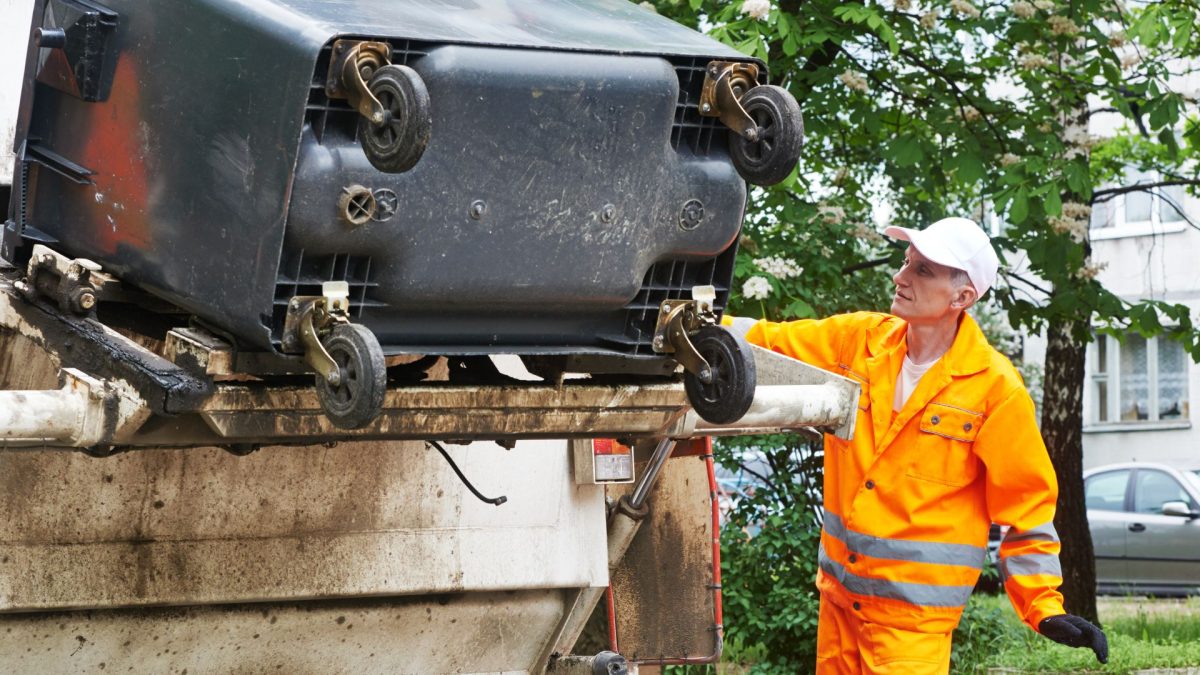
When you schedule a junk removal service, your items embark on a journey that extends far beyond your doorstep. Once collected, junk is carefully sorted to determine what can be donated, recycled, or responsibly disposed of. Items that still have life in them may find a new home through donation centers, helping families, schools, and community organizations. Electronics, metals, and other recyclable materials are separated to minimize landfill impact, demonstrating that junk removal is more than just clearing space—it’s about creating a positive environmental footprint. By understanding where each piece of discarded material goes, you gain a clearer picture of how everyday clutter transforms into resources that benefit others.
Beyond simple disposal, this process ensures compliance with local environmental standards. Trained teams evaluate items for hazardous components such as batteries, chemicals, and e-waste, guaranteeing they are handled safely. Organic waste is also sorted to support composting efforts where possible. This meticulous attention to detail reflects a growing commitment within the junk removal industry to embrace sustainability. Ultimately, your decision to remove junk responsibly contributes to a larger ecosystem of reuse, recycling, and environmental stewardship, showing that every object has potential beyond its initial use.
Sorting and Recycling
After collection, the focus shifts to sorting and recycling, which plays a critical role in minimizing environmental impact. Recyclable materials such as metals, plastics, and paper are separated into dedicated streams to ensure they re-enter the production cycle. Appliances and electronics are carefully dismantled so valuable components like copper wiring or circuit boards can be salvaged. This prevents harmful substances from contaminating the environment while simultaneously reducing the need for raw materials. Recycling turns what might seem like waste into raw resources, demonstrating how junk removal can actively contribute to a circular economy.
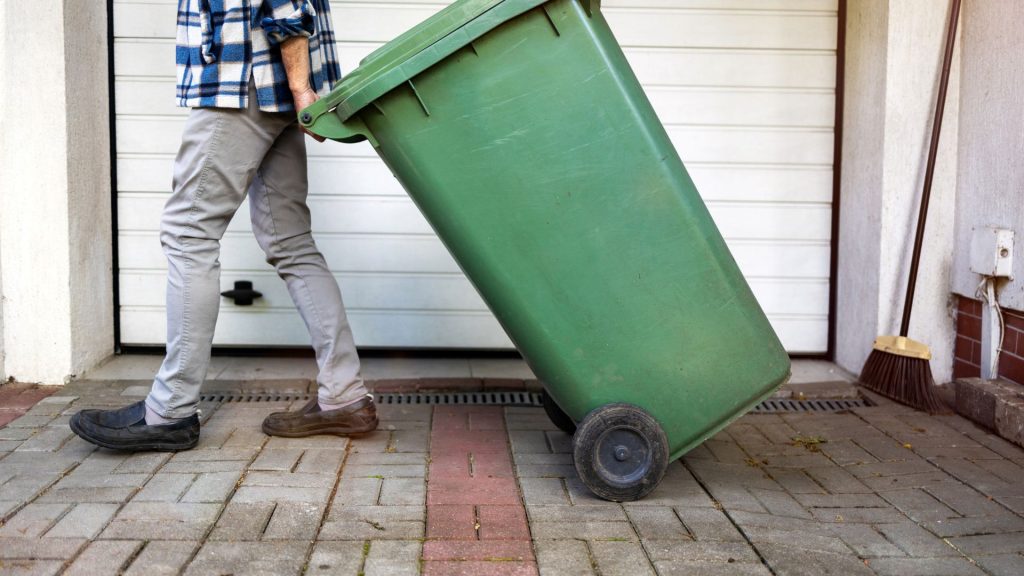
The sorting process also involves assessing items for donation eligibility. Clothing, furniture, and gently used household goods may be directed to nonprofit organizations that provide vital support to local communities. Items that cannot be reused or recycled are disposed of responsibly in compliance with municipal regulations. By following these steps, the junk removal process becomes an orchestrated effort to reduce landfill waste, support social programs, and promote environmental responsibility. Every item is given consideration, and every decision is aimed at extending the life cycle of materials wherever possible.
Donation Opportunities
Donation is a pivotal part of the journey for many items. Objects that are still functional or in good condition are redirected to charities and organizations in need. Furniture, household goods, and clothing may brighten the lives of families and individuals who could not otherwise afford them. The donation process not only alleviates clutter from homes but also ensures that perfectly usable items find a purpose beyond their original ownership. This approach underscores a philosophy that values reuse over disposal, encouraging communities to embrace sustainability in practical, everyday ways.
In addition to helping others, donating items reduces the strain on recycling facilities and landfills. Every item donated represents a tangible reduction in waste and contributes to a larger culture of environmental responsibility. Companies that specialize in junk removal often partner with multiple donation centers to streamline the process, ensuring that items are delivered to organizations where they can make the most impact. By understanding the donation pathway, individuals can appreciate that decluttering is not merely about clearing space but about generating value and purpose from items that might otherwise have been discarded.
Environmental Responsibility
Responsible junk removal extends far beyond convenience—it serves as a proactive step toward environmental stewardship. Every piece of recycled material, every donation made, and every properly disposed item prevents unnecessary waste from accumulating in landfills. E-waste and hazardous materials are carefully processed to prevent contamination of soil and water, protecting both local ecosystems and public health. This approach reflects an industry-wide commitment to reducing environmental footprints, showing that thoughtful disposal practices have tangible benefits for communities and the planet alike.
Beyond environmental protection, responsible junk management also reduces the carbon footprint associated with manufacturing new products. Recycling metals and plastics lowers the need for energy-intensive production from raw materials, conserving natural resources. Organic materials diverted from landfills can be composted, supporting nutrient-rich soil for agriculture and landscaping. When each step is carefully considered—from collection to final processing—junk removal becomes a vehicle for sustainability, proving that even small actions, like removing old furniture or appliances, can contribute to a healthier environment and a cleaner community.
The Role of Professional Services
Professional junk removal services play an essential role in ensuring that discarded items are managed correctly. Experienced teams not only provide the manpower for heavy lifting and transport but also bring expertise in sorting, recycling, and donation logistics. By outsourcing the process to trained professionals, homeowners and businesses can ensure that their waste is handled responsibly and efficiently. This expertise reduces the likelihood of materials being sent to landfills unnecessarily and maximizes the potential for reuse, reflecting a growing awareness that junk removal is as much about ethical disposal as it is about convenience.
In addition, professional services help navigate complex disposal regulations that vary by material type and locality. Electronics, appliances, and hazardous waste require specialized handling that ordinary disposal methods cannot accommodate. By leveraging professional resources, individuals and businesses can meet legal requirements while supporting eco-friendly initiatives. This collaboration between service providers and clients enhances the overall impact of junk removal, transforming what could be a simple cleanup task into a strategic effort to minimize environmental harm and promote social responsibility.
Processing E-Waste
E-waste represents one of the fastest-growing waste streams, and proper disposal is critical to prevent environmental and health hazards. Electronics such as computers, televisions, and smartphones contain toxic substances like lead, mercury, and cadmium, which require careful handling. Once collected, e-waste is dismantled to recover valuable metals and safely dispose of hazardous components. This process not only reduces pollution but also ensures that precious resources are recovered for future manufacturing. Professional junk removal services are equipped to manage e-waste with compliance and precision, making electronic disposal safer and more environmentally friendly.
Recycling e-waste also helps conserve finite resources, reducing the need for mining and extraction of raw materials. Salvaging metals like gold, silver, and copper allows these elements to be reused in new products, supporting a circular economy. By understanding the e-waste process, clients can see that even seemingly small actions, like discarding an old laptop responsibly, have a ripple effect on sustainability. Each item diverted from landfill contributes to a broader effort to reduce pollution, recover resources, and protect both human health and the environment from the hazards associated with electronic waste.
Furniture and Appliance Reuse
Large household items, such as furniture and appliances, often have significant potential for reuse. When removed by professional services, these items are carefully assessed for donation or resale opportunities. Furniture in good condition can furnish homes, offices, or community centers, while appliances may be refurbished or recycled for parts. This approach not only prevents unnecessary landfill accumulation but also supports communities in need, creating a tangible link between discarded items and social impact. The act of reuse emphasizes that value extends beyond initial ownership and that thoughtful disposal can benefit both people and the environment.
In addition to donation, recycling components of furniture and appliances reduces the demand for new raw materials. Metals, plastics, and wood can be repurposed, while electronics within appliances are salvaged responsibly. By separating items into their constituent materials, the junk removal process transforms waste into reusable resources. This systematic approach ensures that every piece of furniture or appliance contributes to sustainability goals, demonstrating that the lifecycle of an item does not end at disposal but continues through donation, resale, and recycling initiatives.
Hazardous Material Management
Certain items, like paints, chemicals, and batteries, require specialized handling to prevent environmental contamination. Professional junk removal teams are trained to identify and safely transport hazardous materials to certified facilities. This ensures that toxic substances do not leach into soil or waterways, protecting ecosystems and public health. Proper management of hazardous waste reflects an essential aspect of responsible junk disposal, highlighting that not all items can be discarded casually. The meticulous approach to hazardous materials underscores the care taken throughout the junk removal process to prioritize safety, compliance, and environmental stewardship.
Beyond safety, proper hazardous material management contributes to broader sustainability efforts. Chemicals and batteries that are correctly processed can sometimes be recycled or neutralized, further reducing environmental impact. By investing in professional handling, clients participate in an ethical disposal chain that preserves natural resources while mitigating potential hazards. This holistic perspective ensures that junk removal is not simply a matter of clearing space but a deliberate strategy to protect both the planet and the people who inhabit it, showing that responsible disposal extends beyond convenience to conscientious care.
The Final Destination
Once items are sorted, recycled, or donated, the final destination of each piece of junk is carefully tracked. Materials bound for recycling facilities are delivered to processing centers where they are transformed into raw materials for new products. Donated goods reach charitable organizations, serving individuals and communities that benefit directly from reuse. Items that cannot be recycled or donated are disposed of in compliance with local regulations, ensuring that environmental impact is minimized. Understanding the final stage of the process provides a sense of closure, revealing how junk removal is an orchestrated effort from collection to responsible end-of-life handling.
The final destination is not merely about discarding items—it reflects a philosophy of responsibility and stewardship. Each decision in the process, from sorting to donation to recycling, is aimed at extending the lifecycle of materials while protecting the environment. By embracing professional junk removal services, individuals and businesses participate in a system that values resource efficiency, community support, and sustainable practices. The culmination of these efforts demonstrates that junk removal is a multi-step journey with meaningful outcomes beyond clearing space, emphasizing the broader societal and environmental benefits of responsible disposal.
Innovative Disposal Techniques
Modern junk removal services employ innovative techniques to maximize reuse and recycling. Advanced sorting technologies, specialized recycling equipment, and partnerships with donation centers enhance efficiency and minimize waste. By integrating these strategies, junk removal becomes a dynamic process that prioritizes both convenience and environmental responsibility. Innovative disposal techniques also allow for better handling of complex items like electronics, composite materials, and bulky furniture, ensuring that all materials are processed in ways that preserve value and reduce environmental harm.
These approaches also support a circular economy by transforming discarded items into raw materials and usable goods. Collaborations with local charities and recycling centers streamline logistics, creating a system where items are redirected to areas where they are most needed. Continuous improvements in technology and methodology allow junk removal services to adapt to evolving waste streams and sustainability standards. By embracing innovation, the industry ensures that every step of the process—from pickup to final processing—maximizes positive outcomes for both the environment and the community.
Community Impact
The journey of junk extends beyond environmental considerations to influence communities positively. Donations from discarded items furnish homes, support local organizations, and provide essential resources to families in need. Recycling initiatives reduce landfill dependency, mitigate pollution, and create awareness about responsible consumption. Every item removed responsibly contributes to a healthier, cleaner, and more sustainable community. Junk removal becomes a vehicle for civic engagement, demonstrating that individual actions, when aggregated, can produce meaningful social and environmental change.
The community impact of responsible junk removal also includes education and awareness. By witnessing how items are repurposed, recycled, or donated, community members become more conscious of their consumption habits and the potential longevity of everyday objects. This ripple effect encourages more sustainable lifestyles, fosters community collaboration, and strengthens the local economy through resource reuse. In essence, responsible junk removal cultivates a culture of care, showing that the disposal of old items is not an ending but a transformation that benefits both people and the planet.
Conclusion
Understanding the journey of junk from your home or business to its final destination highlights the importance of responsible disposal. Each step—from sorting and recycling to donation and processing of hazardous materials—reflects a commitment to environmental stewardship, community support, and sustainability. Professional services ensure that all items are handled efficiently, ethically, and in accordance with regulations, maximizing the potential for reuse and minimizing landfill impact. The journey of junk becomes a powerful example of how thoughtful practices can create value from what was once considered waste.
For residents and businesses in Palatine, IL, 24-7 Junk Removal provides a comprehensive solution for junk removal that prioritizes both efficiency and responsibility. Their team can handle residential, commercial, and specialized items while ensuring that donations and recycling are maximized. With services available throughout the area and a focus on environmentally conscious practices, you can transform clutter into meaningful contributions for your community. To schedule a junk removal service or learn more, contact 24-7 Junk Removal at (773) 309-6966, or visit their office at 611 W. Wise Schaumburg, IL 60193. You can also reach them via email at support@24-7junk.com to discuss your needs and receive a free estimate.