

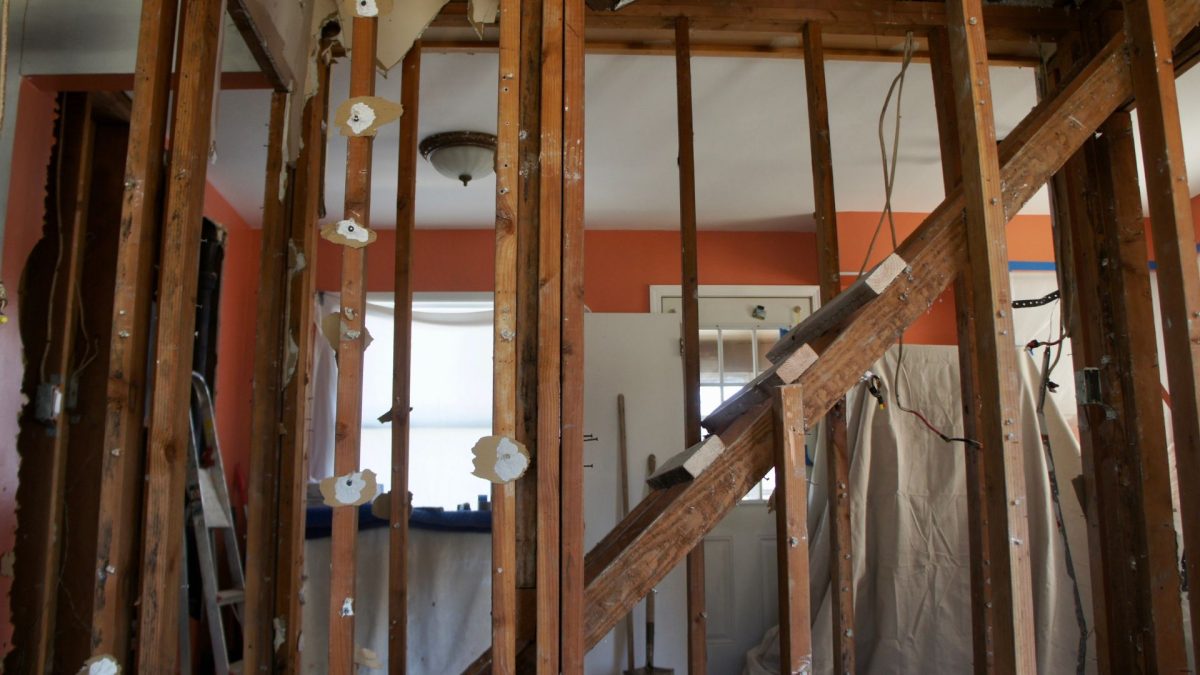
Removing drywall is an essential task when renovating a space. The process can seem straightforward at first glance, but it requires careful planning to avoid creating more work or unnecessary hazards. Drywall comes in different types and thicknesses, so knowing what type you are dealing with is crucial. Standard drywall is easier to handle, while fire-resistant or moisture-resistant panels demand more attention and care. Identifying the type of drywall also helps you choose the right tools for removal, ensuring the work progresses efficiently. Without proper preparation, the removal process can damage underlying structures or even pose safety risks.
In addition to knowing the type, preparing the space before tearing down walls is vital. Remove furniture, fixtures, and delicate items to protect them from dust and debris. Cover floors and any remaining items with protective sheeting. Ensure that electrical outlets, light switches, and plumbing fixtures are either turned off or properly safeguarded to prevent accidents. Adequate preparation not only improves safety but also streamlines cleanup later. Approaching drywall removal with a clear plan reduces the chance of injury and creates a more manageable renovation environment.
Choosing the Right Tools for Efficient Drywall Removal
Using the appropriate tools can make drywall removal faster and less strenuous. Basic hand tools such as utility knives, hammers, and pry bars are useful for smaller areas or minor repairs. For larger projects, power tools like reciprocating saws and drills with specialized bits can save time and reduce physical strain. Selecting tools designed for drywall prevents unnecessary damage to adjacent surfaces like wood framing or metal studs. Each tool has a purpose, and using them effectively can turn a daunting task into a methodical process.
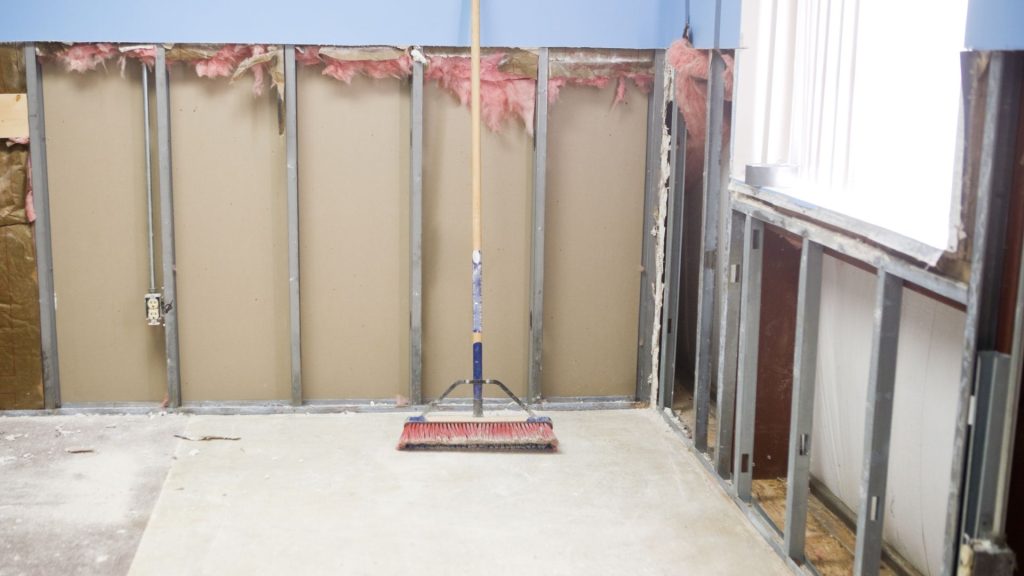
Safety equipment is also part of your toolkit. Gloves, goggles, and dust masks protect against splinters, airborne particles, and sharp edges. Proper footwear is essential when working in spaces littered with debris. Using protective gear consistently ensures that even in unexpected situations, injuries are minimized. When tools and safety measures are thoughtfully combined, drywall removal becomes a controlled operation rather than a chaotic demolition, allowing for a smoother renovation workflow.
Preparing the Space to Minimize Dust and Debris
Drywall removal generates a significant amount of dust that can spread throughout your home. Establishing containment strategies is crucial to keep the area clean and protect other parts of your property. Covering vents, doorways, and floors with plastic sheeting or tarps reduces the migration of dust and helps contain small debris particles. Sealing off the renovation area with temporary barriers is an effective strategy, especially in multi-room projects. Creating a controlled workspace enhances safety and makes cleanup much simpler once the demolition is complete.
Ventilation is another key factor in minimizing airborne dust. Open windows or use portable fans to direct dust away from living spaces. Wetting drywall slightly can reduce dust clouds during removal, making the environment safer to work in. Even though extra steps may seem time-consuming, they save significant effort during post-renovation cleaning. Thoughtful preparation of the space ensures that drywall removal doesn’t lead to a messier renovation than necessary, maintaining both safety and efficiency.
Removing Drywall Panels Without Damaging Underlying Structures
The objective during drywall removal is to eliminate panels while keeping the supporting framework intact. Rushing through the process can damage studs, wiring, or plumbing, complicating subsequent renovation work. Starting from the top and working downward is a common strategy, as it allows gravity to assist in panel removal while reducing physical strain. Cutting along seams and carefully prying panels away minimizes unnecessary damage and preserves structural integrity.
Being mindful of hidden hazards behind drywall is equally important. Electrical wires, plumbing pipes, and HVAC components can run behind walls and may not be visible at first glance. Using tools cautiously and proceeding incrementally ensures you do not puncture or sever essential systems. By respecting the framework beneath the drywall, you safeguard the overall stability of your project and prevent costly repairs that could arise from careless removal.
Handling Drywall Waste and Disposal Responsibly
Drywall disposal is often overlooked but plays a critical role in the renovation process. Large amounts of drywall generate considerable waste, and improper disposal can lead to environmental and safety concerns. Sorting materials, bagging small debris, and breaking down panels into manageable sections facilitate easier transportation. Understanding local disposal regulations ensures that you remain compliant with municipal requirements and reduce the environmental impact of renovation projects.
Recycling options may also be available for drywall materials. Certain facilities accept gypsum for reuse, turning construction waste into a sustainable resource. Even if recycling isn’t feasible, segregating drywall from other materials prevents contamination and simplifies handling. Planning for waste management from the beginning makes the removal process more efficient and less stressful, allowing you to maintain a clean and organized workspace throughout your renovation.
Ensuring Safety During Drywall Removal
Safety is paramount in any demolition project. Drywall panels are heavy, awkward to maneuver, and can cause injuries if mishandled. Wearing protective gloves, goggles, and sturdy footwear reduces the risk of cuts, scrapes, and punctures. Being aware of your surroundings and maintaining good posture while lifting panels prevents strains and accidents. Implementing safety protocols from the start ensures that the renovation process remains smooth and avoids unnecessary setbacks caused by injuries.
Electricity is another concern during drywall removal. Turn off circuits or ensure that wires are properly insulated to avoid shocks. Careful inspection of the area before removal identifies potential hazards such as loose nails, sharp edges, or protruding screws. Safety awareness combined with proper technique ensures that both you and your property are protected throughout the project, making drywall removal a controlled and manageable task.
Working Efficiently in Tight or Difficult Spaces
Renovations often involve areas with limited access, such as corners, closets, or narrow hallways. These spaces present unique challenges for drywall removal and require strategic planning. Utilizing smaller tools, adjusting panel sizes, and cutting sections methodically allows you to work efficiently without causing damage. Awareness of your surroundings and patience when navigating confined spaces minimizes frustration and prevents accidental harm to the structure.
Lighting is also crucial in tight areas. Portable lamps or headlamps improve visibility, helping you identify studs, screws, and hidden obstacles. Working systematically and avoiding rushed movements ensures that drywall removal remains organized and manageable, even in challenging locations. By adapting your approach to the specific conditions of the space, you maintain safety and efficiency throughout the renovation process.
Protecting Adjacent Surfaces During Demolition
During drywall removal, nearby surfaces like flooring, trim, and cabinetry are vulnerable to damage. Implementing protective measures preserves these areas and reduces additional repair costs. Covering floors with heavy-duty plastic, using padding for trim, and temporarily removing fragile items prevents scratches, dents, and breakage. Protecting surrounding surfaces ensures that the renovation does not create unintended damage, saving time and money in the long run.
Careful movement of drywall panels is essential to avoid contact with nearby surfaces. Maintaining a clear path for debris and using lifting techniques that minimize swinging or dropping panels protects your property. Attention to detail in this regard fosters a more professional and controlled environment, demonstrating foresight and consideration that benefits the overall renovation outcome.
Planning for Electrical and Plumbing Considerations
Drywall often conceals critical systems such as wiring, outlets, and plumbing. Before removing panels, it is essential to plan for these systems to avoid disruption or costly repairs. Identifying locations of pipes and wires, and ensuring that circuits are deactivated, allows removal to proceed safely. Planning ahead prevents accidental punctures or cuts that could delay the project or create hazards.
Coordination with professionals, such as electricians or plumbers, may be necessary for complex systems. Even in DIY projects, understanding the layout and potential risks ensures smoother execution. A thoughtful approach to electrical and plumbing considerations protects both workers and property while maintaining the integrity of the renovation process.
Keeping the Workspace Organized Throughout the Project
An organized workspace improves efficiency, safety, and overall productivity during drywall removal. Establishing designated areas for debris, tools, and panel sections prevents clutter from hindering progress. Consistently removing debris reduces tripping hazards and ensures that work continues smoothly without unnecessary interruptions. Maintaining order in a chaotic renovation environment is key to achieving both speed and quality results.
Scheduling regular cleanup sessions throughout the project rather than leaving everything until the end prevents overwhelming messes. Labeling tools, maintaining clear pathways, and monitoring material placement enhances workflow and reduces frustration. By keeping the workspace organized, you create a safer and more manageable environment, ultimately making drywall removal and subsequent renovation tasks more efficient and controlled.
Conclusion
Drywall removal is a challenging but essential part of any renovation project. Approaching the task with proper planning, appropriate tools, and safety measures ensures that panels are removed efficiently while protecting the surrounding structures and systems. Preparation, careful execution, and ongoing organization throughout the process create a manageable and productive environment, allowing the renovation to progress smoothly.
When managing drywall removal, professional junk removal services can simplify the process, especially in handling debris and waste responsibly. 24-7 Junk Removal in Palatine, IL provides efficient Junk Removal services, ensuring that your renovation site remains clean and safe. They can be reached at (773) 309-6966, and their team is prepared to manage waste removal effectively. Whether for large-scale renovations or smaller home projects, their expertise in debris handling supports a more organized and stress-free renovation experience, allowing you to focus on completing your space with confidence.