

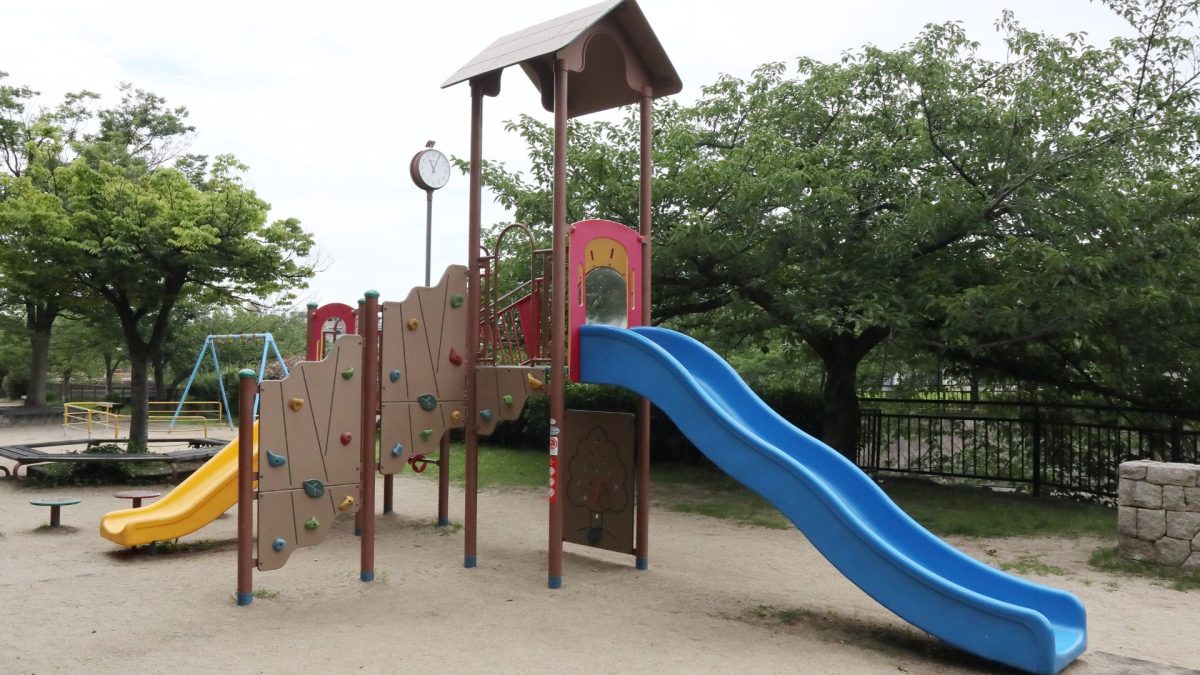
Before taking any action, carefully examine the playset’s condition. Look for signs of rot, rust, or structural instability that could pose safety hazards during removal. Understanding the materials and construction will help you plan the safest method for disassembly. Wooden playsets often require different handling than metal or plastic, so knowing the exact composition is essential. Additionally, identifying the location of bolts, screws, and anchors can save time and prevent damage to your property.
Ignoring early warning signs or rushing into removal can lead to unnecessary injuries or complications. Evaluating the surrounding area is equally important; check for overhead power lines, uneven ground, or nearby obstacles that could interfere with the process. A comprehensive assessment sets the stage for a controlled and efficient removal, minimizing risks to both individuals and property. Taking these steps ensures that your playset removal project begins with a clear understanding of potential challenges and the safest path forward.
Clear the Area Around the Playset
Preparing the surrounding space is crucial before dismantling a playset. Remove any obstacles, toys, or debris to create a safe working zone. Clearing the area prevents tripping hazards and allows for easy maneuvering of large sections during disassembly. It’s also wise to notify family members or neighbors about the work to avoid accidental interruptions or injuries. Creating a designated area for parts and hardware keeps everything organized and reduces the likelihood of losing components.
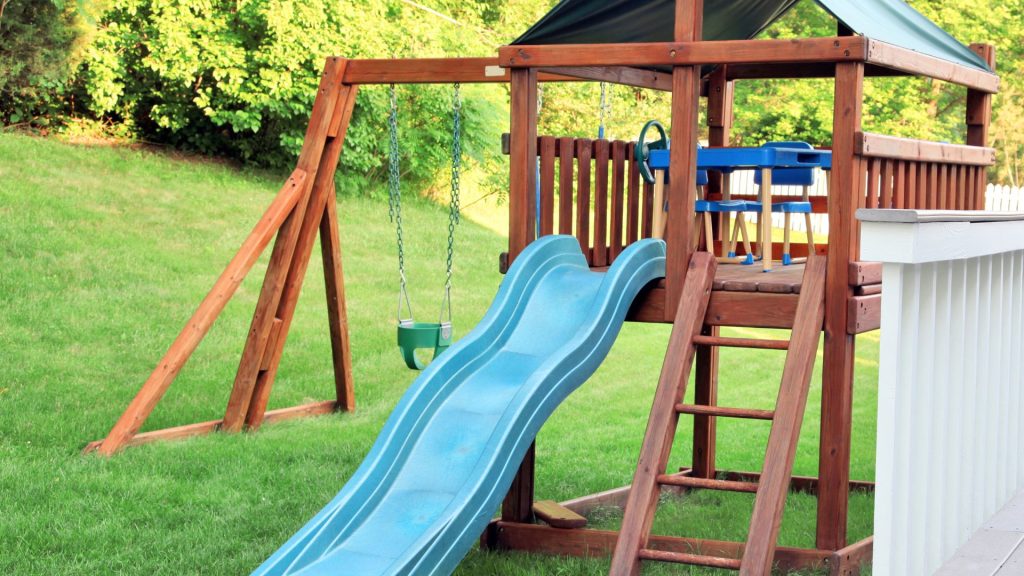
Attention to detail in this preparatory stage saves time and effort later. Consider placing protective coverings over landscaping, such as grass or mulch, to prevent damage from tools or falling pieces. Planning the layout of disassembled parts can also streamline disposal or transport. By thoughtfully preparing the area, you create a safer and more efficient environment that supports a smooth removal process from start to finish.
Gather the Right Tools and Equipment
Having the proper tools on hand is essential for a safe and efficient playset removal. Wrenches, screwdrivers, drills, and saws may all be necessary depending on the playset’s construction. For larger or anchored playsets, consider equipment for lifting heavy sections safely. Using the correct tools reduces the risk of injury and ensures components are dismantled properly without causing unnecessary damage.
Safety gear is equally important. Gloves, protective eyewear, and sturdy footwear protect against splinters, falling hardware, or unexpected accidents. For certain types of playsets, additional supports or straps may be required to stabilize large pieces during removal. Ensuring that all tools and equipment are ready before starting prevents interruptions, keeps the workflow smooth, and helps maintain a controlled environment during dismantling.
Dismantle the Playset Methodically
Begin by removing smaller, detachable components such as swings, slides, or climbing ropes. This step-by-step approach reduces the risk of parts collapsing unexpectedly. Once the minor elements are out of the way, move to the larger structural components, loosening bolts and screws systematically. Maintaining a logical sequence avoids confusion and ensures each section can be removed safely.
Keep track of hardware by collecting bolts, nuts, and screws in labeled containers. This organization not only simplifies disposal but also aids in any potential future reuse of materials. Working methodically minimizes mistakes and creates a safer removal environment. By prioritizing order and careful handling, you can dismantle the playset efficiently while protecting both yourself and surrounding property.
Protect the Surrounding Landscape
Playset removal can be tough on your yard, so taking steps to protect landscaping is vital. Lay down tarps or plywood sheets under areas where heavy pieces will be set down. This precaution prevents gouges, broken branches, and other damage to grass or garden beds. Protecting nearby plants and structures ensures that your outdoor space remains intact and visually appealing even after the removal process.
Consider the impact on soil and drainage as well. Heavy components dropped on soft ground can create depressions or compact soil, which may affect future planting. Proper placement of tarps or temporary pathways for maneuvering large pieces mitigates these issues. Thoughtful landscape protection helps maintain the overall aesthetic and functionality of your yard while supporting a smooth and damage-free removal process.
Dispose of Materials Responsibly
After dismantling the playset, proper disposal of materials is essential. Wooden parts, metal components, and plastic sections should be sorted according to local recycling regulations. Salvaging or donating usable parts can reduce waste and support community projects. Being mindful of disposal not only benefits the environment but also simplifies the final cleanup process.
Check for any hazardous materials such as treated wood or sharp metal edges. These require special handling to prevent injuries or environmental contamination. Organizing materials by type and condition makes it easier to arrange pickup, donation, or recycling. Responsible disposal practices ensure your playset removal is environmentally conscious and leaves your property clean and ready for future use.
Consider Hiring Professional Help
While DIY removal is possible, professional assistance can offer significant advantages. Experienced teams have the knowledge, tools, and manpower to dismantle playsets efficiently and safely. They can also handle large or anchored structures that may be difficult for homeowners to manage. Using professional services reduces risk and saves considerable time, especially for complex or older playsets.
Professionals also often include hauling and disposal in their services, relieving you of the burden of transporting heavy parts. Their expertise ensures minimal damage to your property and the surrounding landscape. By opting for trained personnel, you can streamline the removal process, ensure safety, and complete the project with less stress and effort.
Prioritize Safety at Every Step
Safety should never be compromised during playset removal. Maintain clear communication among all individuals involved, and use proper lifting techniques to avoid strain or injury. Wearing protective clothing and ensuring tools are handled correctly reduces the chance of accidents. Awareness of surroundings and potential hazards is crucial throughout the entire process.
Establishing safety protocols, such as using spotters or securing unstable sections, further enhances protection. Taking breaks to prevent fatigue and staying hydrated contributes to maintaining focus and energy. Emphasizing safety at every stage not only prevents injuries but also makes the removal process smoother and more controlled, allowing work to progress efficiently without unexpected setbacks.
Plan for Seasonal Considerations
The timing of playset removal can affect both safety and ease of work. Avoid wet or icy conditions that make surfaces slippery and increase the risk of accidents. Similarly, extreme heat can lead to fatigue, making manual labor more hazardous. Planning removal during mild weather with stable ground conditions facilitates safer handling and reduces stress on equipment and individuals.
Consider seasonal landscaping factors as well. Soil conditions, plant growth, and nearby vegetation may influence the best approach for removal. By aligning your playset dismantling with favorable seasonal conditions, you enhance safety, efficiency, and the likelihood of a clean, damage-free removal process.
Keep an Eye on Future Projects
Think beyond removal and consider how the cleared space will be used in the future. Planning ahead ensures the area is prepared for landscaping, new installations, or other outdoor projects. Removing a playset presents an opportunity to improve your yard, and taking the time to envision future use maximizes the value of the cleared space.
Evaluate the potential for repurposing salvaged materials or redesigning the yard layout. Strategic planning can transform the removal process into the first step of a larger home improvement project. Maintaining foresight ensures that the area remains functional, safe, and visually appealing, turning the completion of playset removal into a stepping stone for future enhancements.
Conclusion
Removing a playset is a task that benefits from careful planning, attention to detail, and consideration of both safety and environmental responsibility. Each step, from initial assessment to dismantling and disposal, plays a crucial role in ensuring the process is smooth and efficient. By following a methodical approach, homeowners can minimize risk, protect their property, and maintain a clean and organized outdoor space. Implementing best practices also allows for easier future projects and a more enjoyable yard environment.
For professional assistance, 24-7 Junk Removal in Palatine, IL offers expert junk removal services, including playset dismantling and disposal. Their team is equipped to handle all sizes of playsets safely, while ensuring responsible recycling or donation of usable materials. Contact them at (773) 309-6966 to schedule a service. Their location at 611 W. Wise Schaumburg, IL 60193 ensures convenient access for local residents, and inquiries can also be sent via support@24-7junk.com for further information and personalized guidance.