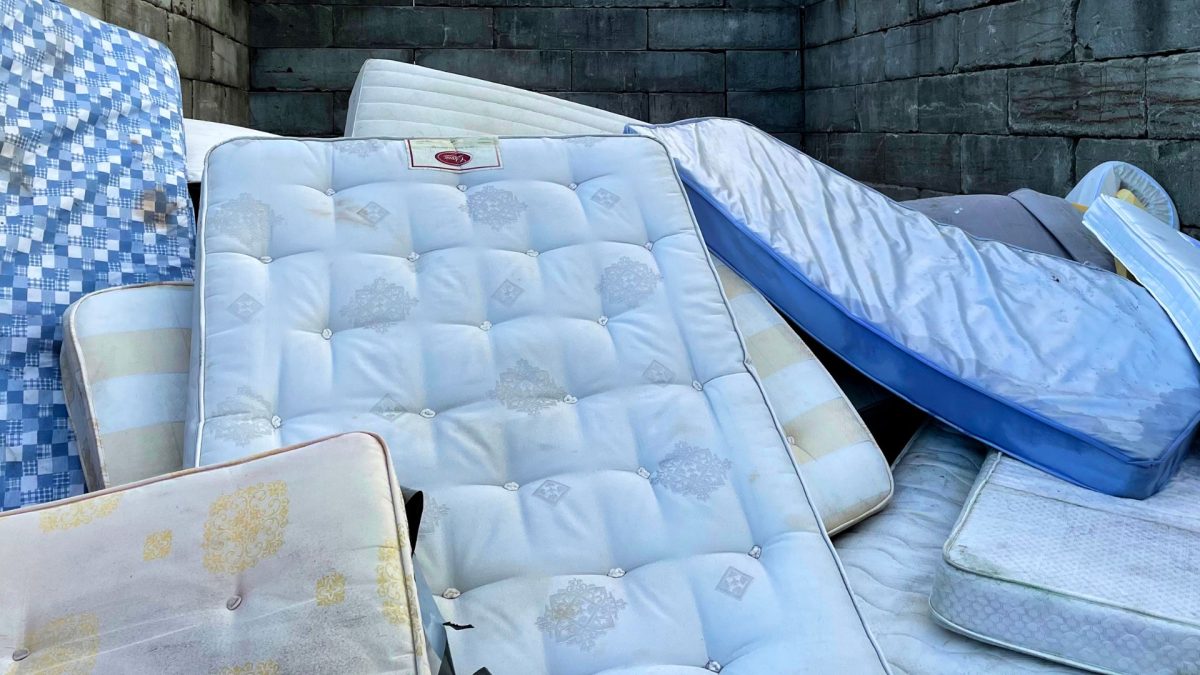
Disposing of an old mattress is rarely straightforward. Unlike everyday household waste, mattresses are bulky, heavy, and constructed from multiple materials that complicate standard disposal methods. Simply leaving them on the curb or dumping them in a landfill can cause environmental harm, as many components, such as foam, metal springs, and synthetic fabrics, are not biodegradable. The accumulation of discarded mattresses in landfills contributes to waste management challenges and increases pollution risks, making eco-conscious disposal critical. Understanding the composition of your mattress is essential before deciding on the disposal method. Knowing which parts are recyclable can help you reduce environmental impact and potentially benefit from specialized recycling services that process materials responsibly.
Several eco-friendly options exist to dispose of a mattress without contributing unnecessarily to landfill waste. For example, mattress recycling centers carefully separate springs, foam, and fabric to repurpose these materials into new products. Some charitable organizations accept gently used mattresses, offering a second life to items that would otherwise be discarded. Additionally, professional junk removal services have developed systems to responsibly collect and recycle mattresses, ensuring minimal environmental footprint. Exploring these solutions allows you to make an informed, environmentally conscious choice while alleviating the stress and labor associated with mattress disposal.
Benefits of Eco-Friendly Mattress Removal
Choosing eco-friendly mattress disposal offers advantages that extend beyond environmental preservation. By recycling and donating mattresses, you can significantly reduce landfill waste and help conserve natural resources. Materials like steel springs, foam, and textiles can be repurposed into new products such as carpet padding, insulation, and playground surfaces, creating a circular economy that benefits communities. Eco-friendly removal also supports responsible waste management policies and encourages sustainable practices within local areas. Engaging with professional services ensures that your mattress is disposed of safely, eliminating risks associated with hazardous materials or improper handling.
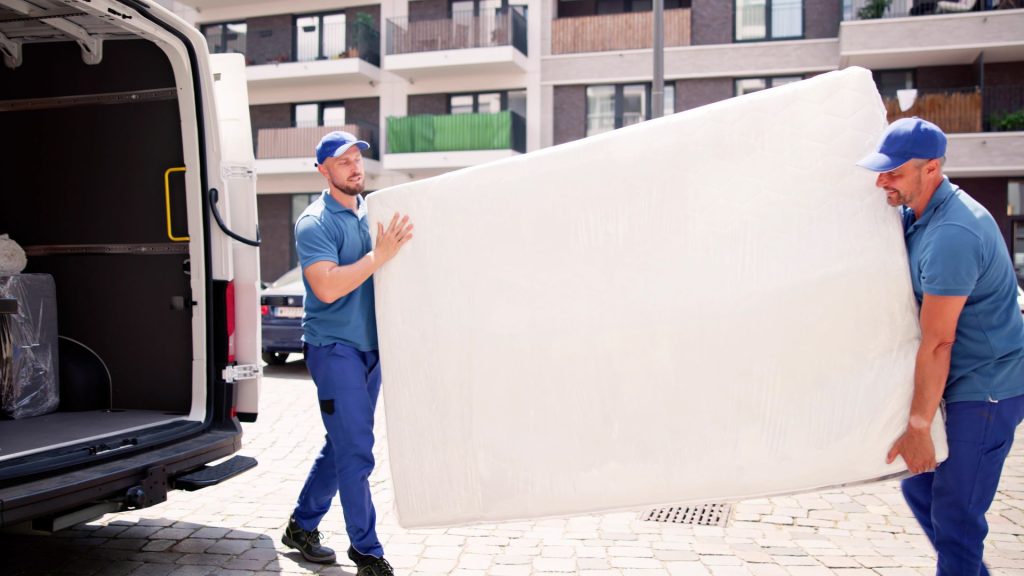
Another advantage is convenience. Handling a bulky item like a mattress can be physically challenging, especially in urban settings with limited disposal options. Using services designed for eco-friendly mattress removal saves time and effort while guaranteeing that your item is processed responsibly. Additionally, some organizations offer pickup services that combine donation, recycling, and disposal, meaning your mattress can have a second life without any logistical burden on your part. These benefits make eco-conscious mattress disposal not only an environmentally responsible choice but also a practical one for individuals and families managing household waste.
Local Recycling Centers and Programs
Many cities and municipalities provide specialized programs for mattress recycling to encourage responsible disposal. Local recycling centers often accept mattresses free of charge or for a nominal fee, separating materials for reuse or repurposing. These facilities play a vital role in diverting mattresses from landfills, helping communities meet sustainability goals. By utilizing local recycling programs, you contribute directly to reducing environmental pollution and promoting resource efficiency. Moreover, recycling centers can provide guidance on preparation, such as removing bed frames or wrapping mattresses for safe transport.
Engaging with these programs also supports local economies by creating jobs in recycling and waste management sectors. Centers often collaborate with manufacturers and other organizations to turn old mattresses into products like carpet padding, insulation, and even new furniture materials. Taking advantage of these services helps ensure that every component of your mattress has a second life, reducing waste and fostering innovation in materials recovery. In addition, local initiatives often provide educational resources, informing residents about proper disposal methods and the environmental benefits of recycling, encouraging more sustainable community practices.
Charitable Donations and Mattress Reuse
Donating a gently used mattress can be an impactful way to extend its lifecycle. Various charitable organizations accept mattresses in good condition, offering them to individuals and families in need. This approach minimizes waste while providing essential resources to those who may not afford new bedding. Donation centers typically evaluate items for cleanliness and structural integrity, ensuring that only safe, usable mattresses are redistributed. Choosing donation not only reduces landfill impact but also supports social initiatives, contributing to community welfare.
Beyond traditional charities, some local nonprofits and community programs organize mattress drives or furniture exchange events. Participating in such initiatives can make mattress disposal an opportunity for positive community engagement. These programs often include transport services, ensuring mattresses reach recipients safely. By opting for donation, you provide a sustainable alternative to discarding mattresses while helping address social inequalities. This method also reduces the demand for new mattress production, indirectly conserving resources and energy associated with manufacturing. Responsible reuse fosters a culture of sharing and environmental awareness, transforming what could be waste into valuable aid for others.
Professional Mattress Removal Services
Professional junk removal services offer an efficient, eco-friendly solution for mattress disposal. These companies specialize in handling bulky items, ensuring proper transport, recycling, or donation. Employing trained teams reduces physical strain and logistical challenges associated with moving heavy mattresses. Additionally, reputable services follow environmentally responsible protocols, separating recyclable components and coordinating with recycling centers or charitable organizations. This ensures your mattress is managed sustainably rather than contributing to landfill accumulation.
Using professional services provides peace of mind for homeowners and renters who may lack time, resources, or proper equipment for safe removal. Teams typically provide upfront estimates, schedule convenient pickups, and handle all labor-intensive aspects of disposal. By entrusting mattress removal to experts, you guarantee adherence to eco-friendly standards, minimizing negative environmental impact. Moreover, professional companies often have established partnerships with donation centers, maximizing the chances of mattresses being reused. This combination of convenience, safety, and sustainability makes professional removal an attractive and responsible option.
Upcycling and Creative Repurposing
Another eco-conscious option for mattress disposal is upcycling or repurposing components. Springs, foam, and fabric can be transformed into functional or decorative items. For instance, foam can be converted into cushions or pet bedding, while metal springs can be used in art projects or garden trellises. Even parts of the mattress fabric can be repurposed into crafting materials, insulation, or padding. Upcycling promotes creativity while reducing waste and resource consumption, offering an alternative approach to conventional disposal methods.
Repurposing mattresses also supports sustainability education and community projects. Schools, makerspaces, and local artists often seek recycled materials for workshops or installations. By providing components for creative reuse, you help foster environmental awareness and innovative thinking. Upcycling allows mattresses to serve a second life in unexpected ways, turning an old household item into useful, artistic, or functional products. This approach not only minimizes landfill contributions but also emphasizes personal involvement in sustainable practices, demonstrating that eco-conscious disposal can be engaging and impactful.
Environmental Benefits of Mattress Recycling
Recycling mattresses has substantial environmental advantages. By diverting mattresses from landfills, fewer toxins and non-biodegradable materials enter the ecosystem. Foam, synthetic fabrics, and adhesives can release harmful substances as they degrade, impacting soil and water quality. Recycling mitigates these risks while conserving energy and resources needed to produce new materials. Additionally, repurposed steel springs, textiles, and foam can reduce the demand for virgin raw materials, supporting resource efficiency and sustainable manufacturing.
Engaging in mattress recycling helps build a circular economy where materials are continually reused and repurposed. This reduces greenhouse gas emissions associated with production, transportation, and landfill decomposition. Communities benefit from cleaner environments and improved sustainability practices. Furthermore, widespread mattress recycling raises public awareness about the importance of responsible disposal and eco-conscious behavior, influencing future generations to prioritize environmental stewardship. By choosing recycling over landfill disposal, you actively participate in a system that supports environmental health, sustainability, and resource optimization.
Regulations and Guidelines for Mattress Disposal
Many regions enforce regulations to manage mattress disposal responsibly. These guidelines may include restrictions on curbside dumping, mandatory recycling, or landfill prohibitions. Understanding local rules ensures compliance and avoids fines or penalties. Regulations often encourage residents to use designated recycling centers or professional services that adhere to environmentally safe practices. Being informed about these requirements allows you to plan mattress disposal effectively while supporting community-wide sustainability efforts.
Following local guidelines also ensures mattresses are processed in ways that maximize reuse and minimize environmental harm. Some areas provide collection services, scheduled pick-ups, or partnerships with charitable organizations. Awareness of these options enables residents to select the most efficient, eco-friendly approach. By adhering to regulations, you contribute to broader initiatives aimed at waste reduction and responsible resource management. Proper disposal not only protects the environment but also fosters a culture of accountability and sustainability within your neighborhood, enhancing communal well-being.
Costs and Considerations
The expense of mattress disposal varies depending on the chosen method and local availability of services. Recycling centers may charge fees, while donation programs might require minimal contributions for transport or processing. Professional junk removal services provide quotes based on mattress size, quantity, and required labor. Understanding costs in advance allows you to make informed decisions, balancing convenience, sustainability, and budget considerations. Proper planning ensures that disposal aligns with both financial and environmental priorities.
Other considerations include accessibility and physical effort. Moving large mattresses without appropriate equipment or assistance can result in injury or damage to property. Professional services or local programs alleviate these challenges, offering safe, hassle-free solutions. Additionally, considering environmental impact, potential reuse, and local regulations ensures responsible disposal practices. By evaluating costs and logistics comprehensively, you can select a mattress disposal method that is both economical and ecologically sound, creating a balance between practicality and sustainability.
Preparing Your Mattress for Disposal
Before disposal, mattresses should be prepared to facilitate safe transport and processing. Removing bedding, covers, and personal items ensures hygiene and prevents contamination of recyclable materials. Some services require wrapping mattresses in protective covers to prevent damage during transport. Additionally, disassembling bed frames or separating parts may streamline removal and recycling, making the process smoother and more efficient. Proper preparation protects workers, equipment, and materials while promoting effective eco-friendly disposal practices.
Preparing mattresses thoughtfully also increases the likelihood of reuse or donation. Clean, intact mattresses are more attractive to charitable organizations or resale programs, extending their lifecycle. Proper preparation demonstrates responsibility and consideration for environmental and social impacts, ensuring the mattress achieves its maximum potential before disposal. By taking these preliminary steps, you contribute to a safer, cleaner, and more sustainable mattress disposal process, supporting both environmental and community welfare goals.
Conclusion
Choosing eco-friendly mattress disposal is a responsible decision that benefits the environment, conserves resources, and supports local communities. By exploring options such as recycling, donation, upcycling, and professional removal services, you ensure that your old mattress has a second life rather than contributing to landfill accumulation. These methods reduce waste, conserve energy, and promote sustainable practices, creating positive impacts for current and future generations. Additionally, eco-conscious disposal encourages community engagement, fostering social benefits alongside environmental responsibility.
For residents of Palatine, IL, 24-7 Junk Removal provides professional, efficient, and environmentally responsible mattress removal services. The team ensures your mattresses are properly recycled, donated, or repurposed, combining convenience with sustainability. You can reach 24-7 Junk Removal at (773) 309-6966 or visit 611 W. Wise Schaumburg, IL 60193 to schedule a pickup. Their staff also assists with planning, preparation, and safe transport, making junk removal seamless. By choosing their services, you support a local, eco-conscious business dedicated to reducing landfill waste and promoting green practices in the community.