

After a large family move, the amount of accumulated junk can feel overwhelming. It’s not just about the items left behind in the moving boxes, but also about the old furniture, broken appliances, and miscellaneous items that have been stored for years. Tackling this clutter requires a systematic approach, starting with sorting items into categories: keep, donate, recycle, or discard. Creating designated areas in your new home for each category can prevent the chaos from spreading, giving a clear visual representation of what needs attention. This method also ensures that decision-making becomes easier, as each item can be evaluated in context rather than haphazardly.
The sorting process should also consider sentimental value versus practicality. Family moves often involve old toys, heirlooms, and unused household goods that may trigger emotional decisions. Setting clear guidelines for what to keep and what to let go of helps maintain focus and keeps the process from becoming emotionally draining. By taking the time to thoughtfully categorize every item, the family can start fresh in their new home without unnecessary clutter taking over their living space.
Repurposing and Upcycling Items
Not every item that leaves a home after a move needs to be discarded. Many items can find a second life through repurposing or upcycling, which not only reduces waste but also saves money. Old furniture can be refinished or converted into creative storage solutions, while worn-out clothing can be transformed into cleaning rags or craft projects. This approach allows families to make environmentally conscious decisions while also rediscovering the potential hidden in seemingly useless items.
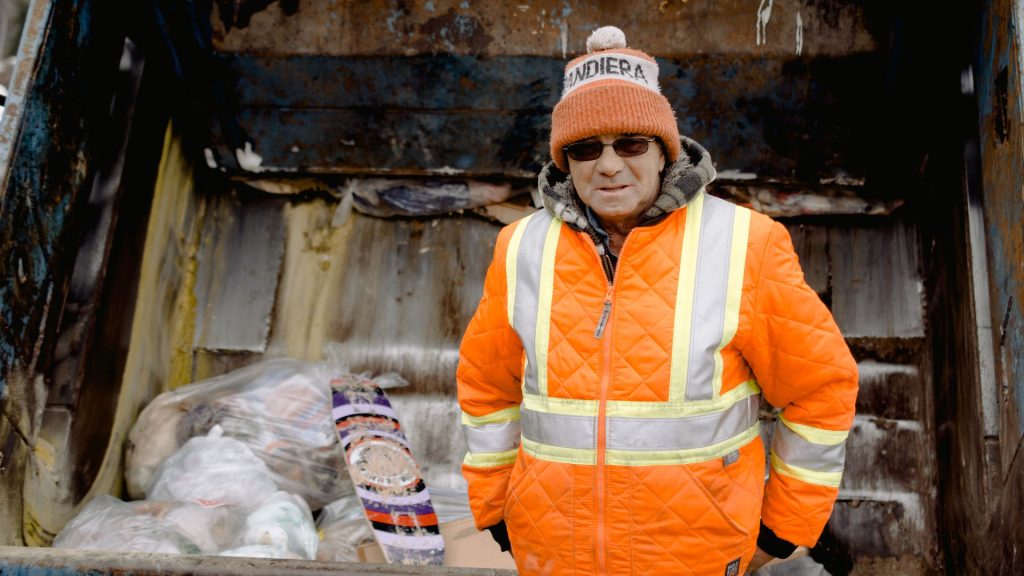
Upcycling encourages creative thinking and can even become a family project. Children can be involved in turning old boxes into organizational tools or decorating old furniture with fresh paint and new handles. The key is to view junk not as trash, but as a resource with untapped potential. By investing time in repurposing items, families reduce the burden on local landfills and may even develop a stronger appreciation for sustainability and ingenuity in everyday life.
Scheduling Professional Junk Removal
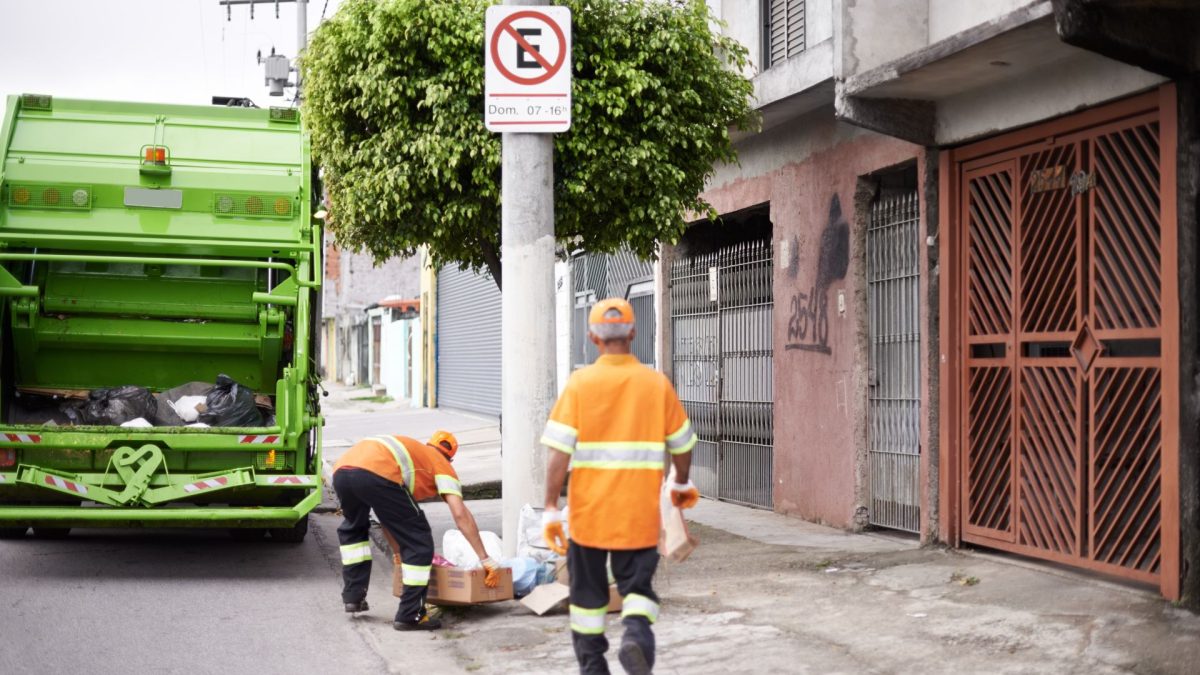
Even with careful sorting and repurposing, some items require professional assistance for safe and efficient removal. Large appliances, bulky furniture, and hazardous materials often cannot be disposed of through regular municipal services. Scheduling a professional junk removal service ensures these items are handled properly, reducing the risk of injury or property damage during the process. Professionals also streamline the task, often completing in hours what could take days for an untrained family to accomplish.
Choosing a reputable service involves researching local companies, checking their certifications, and understanding their disposal methods. Some companies specialize in donation and recycling programs, which helps ensure that usable items benefit the community rather than ending up in a landfill. By hiring experts, families save both time and stress, allowing them to focus on settling into their new home while ensuring that junk disposal is handled responsibly and safely.
Utilizing Storage Solutions Strategically
After a move, it’s common for families to face temporary space constraints. Storage solutions like bins, shelves, and designated closets can help manage the overflow of items until decisions about permanent placement are made. Clear labeling and categorization make retrieval easier and prevent unnecessary duplication or confusion. These storage strategies also reduce the visual impact of clutter, helping the family feel more settled and organized in their new environment.
Temporary storage also offers a grace period for decision-making. Some items may initially be set aside to determine their necessity after living in the new space for a while. By integrating smart storage solutions, families can avoid impulsive disposal while still maintaining a tidy and functional home. This thoughtful approach ensures that only truly unwanted items are eventually removed, making the entire process more deliberate and efficient.
Scheduling Cleanup in Phases
Attempting to clear an entire house of junk in one day can be overwhelming. Dividing the cleanup into phases, such as tackling one room at a time or handling items by category, reduces stress and improves efficiency. This staged approach provides visible progress, which can motivate family members to continue participating actively in the process.
Breaking down the task also allows for better decision-making. Handling smaller sections of the home at a time prevents decision fatigue and ensures that each item is properly evaluated. Phased cleanup also offers opportunities to reassess strategies mid-process, adapting storage, donation, or disposal plans as needed. By pacing the work, families can avoid burnout and maintain a sense of control over their new environment.
Donating and Giving Back
After a move, families often find items that are still usable but no longer needed. Donating these items to local charities or community organizations helps the environment and benefits those in need. Clothes, toys, furniture, and appliances can be given a second life through donation programs, allowing families to declutter responsibly while making a positive social impact.
Donation also offers the emotional satisfaction of helping others. Children can be involved in selecting items for donation, fostering a sense of empathy and community responsibility. By prioritizing donations over disposal, families reduce waste, support local organizations, and create an atmosphere of generosity within the home. This strategy also minimizes the environmental footprint associated with moving, making the transition smoother and more meaningful.
Recycling Properly
Certain items, especially electronics and large appliances, require specialized recycling procedures to prevent environmental harm. Local recycling centers often have specific guidelines for handling items like computers, TVs, and refrigerators. Following these regulations ensures that hazardous materials are safely disposed of and that recyclable components are effectively reused.
Proper recycling also prevents legal or financial consequences associated with improper disposal. Families should research local resources, including municipal programs and private recycling centers, to ensure compliance and maximize environmental benefit. By taking the time to recycle correctly, households contribute to sustainable practices, protecting both their community and the planet while responsibly managing post-move junk.
Managing Hazardous Materials
Some junk left over from a move may include hazardous materials such as paint, cleaning chemicals, batteries, and old electronics. Handling these items incorrectly can pose health risks or environmental damage. Specialized disposal procedures are necessary, often requiring professional services or designated drop-off locations for safe handling.
Families should segregate hazardous materials immediately upon unpacking, storing them in secure, labeled containers until proper disposal can be arranged. Consulting local guidelines ensures compliance with safety standards and reduces the risk of accidents. Addressing hazardous materials responsibly protects both family members and neighbors, highlighting the importance of careful planning during post-move cleanup efforts.
Maintaining Motivation During Cleanup
Cleaning up after a major move can feel daunting, especially when faced with an overwhelming amount of junk. Maintaining motivation is crucial to completing the process efficiently. Families can set realistic goals, create rewards for completing sections, and involve everyone in decision-making to keep energy levels high.
Using visual progress trackers or celebrating small milestones can also reinforce commitment. The key is to stay organized, pace the work, and maintain a positive mindset. By fostering a sense of accomplishment and shared responsibility, families can turn the cleanup process into a manageable and even rewarding experience rather than a stressful burden.
Planning for Future Moves
Once the initial cleanup is complete, families should consider strategies to prevent excessive junk accumulation in the future. Regular decluttering sessions, mindful purchasing habits, and efficient storage solutions can help maintain order and prevent clutter from becoming unmanageable. Planning ahead reduces stress during future moves and ensures that living spaces remain functional and enjoyable.
Developing a routine for evaluating items periodically encourages responsible ownership and prevents unnecessary accumulation. This proactive approach not only simplifies future relocations but also promotes a healthier, more organized lifestyle. By integrating lessons learned from the recent move, families can create a sustainable system that minimizes junk and maximizes the functionality of their home.
Conclusion
Managing junk after a big family move is a complex task that demands organization, patience, and strategic planning. By sorting items efficiently, repurposing what can be saved, scheduling professional removal when necessary, and using storage solutions wisely, families can transform post-move chaos into a streamlined and manageable process. Phased cleanups, proper recycling, and responsible handling of hazardous materials further enhance the efficiency and safety of the effort, ensuring that no item is left unmanaged or improperly disposed of.
For residents in Palatine, IL looking for reliable junk removal services, 24-7 Junk Removal provides expert assistance. Their professional team can handle everything from large furniture and appliances to hazardous materials, ensuring safe and efficient disposal. Contact 24-7 Junk Removal at (773) 309-6966 or visit their location at 611 W. Wise Schaumburg, IL 60193. For inquiries or scheduling, email support@24-7junk.com and experience comprehensive junk removal that simplifies post-move cleanup and restores order to your home.