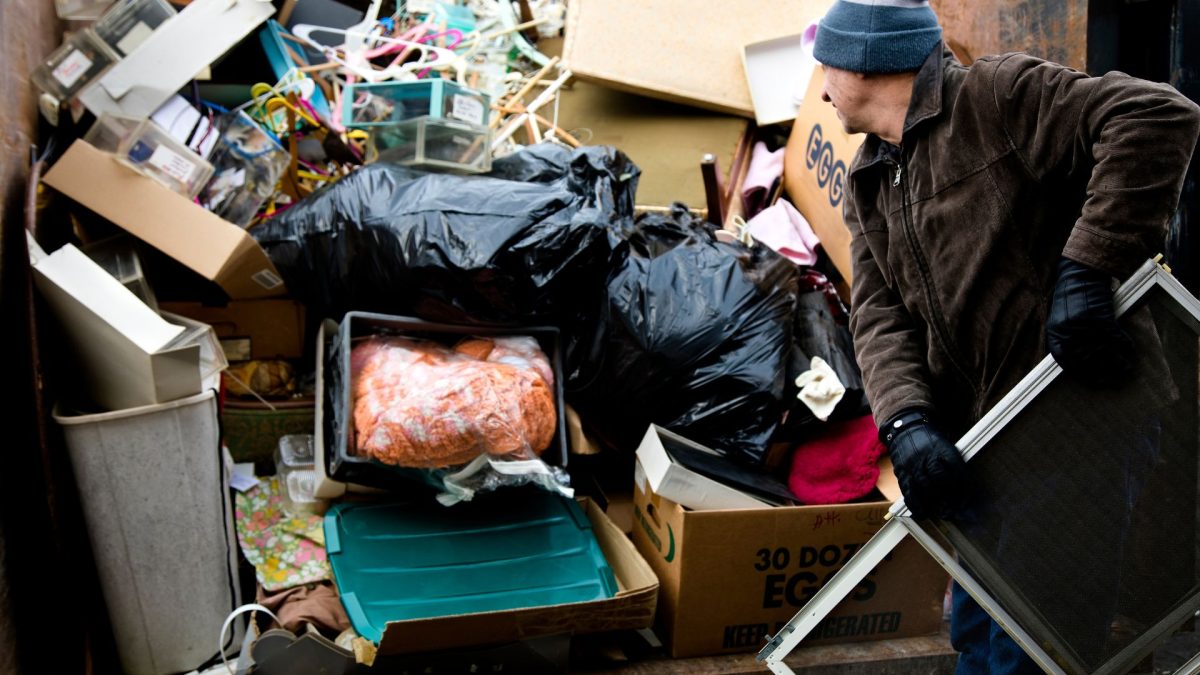
Scrap metal removal plays a significant role in reducing waste that would otherwise end up in landfills. Metals like steel, aluminum, and copper are infinitely recyclable, meaning that they can be melted down and reused without losing their quality. By collecting scrap metal from homes, businesses, and construction sites, communities are actively diverting materials from landfills, conserving natural resources, and minimizing environmental strain. Each ton of recycled metal reduces the need for mining raw materials, which not only saves energy but also preserves ecosystems that would otherwise be disrupted by extraction processes. The act of recycling scrap metal also mitigates harmful greenhouse gas emissions that result from producing metals from virgin sources, making it an environmentally responsible practice that has far-reaching consequences for our planet.
Beyond the environmental benefits, scrap metal removal supports a circular economy by turning discarded materials into valuable resources. It reduces clutter in living and workspaces while contributing to sustainability efforts on a broader scale. By establishing organized collection systems for scrap metal, communities foster a culture of recycling and environmental consciousness. This practice ensures that metals retain their value and are continuously repurposed, preventing unnecessary waste accumulation. As more individuals and businesses engage in scrap metal removal, the collective impact grows, demonstrating that small, mindful actions can generate significant positive change for the environment.
Reducing Landfill Pressure
Landfills face mounting pressure from the sheer volume of waste produced every year, and scrap metal comprises a substantial portion of this burden. Metals are not biodegradable and remain in the environment indefinitely, taking up space and potentially causing soil and water contamination through corrosion and leaching. Removing scrap metal from the waste stream reduces the strain on landfills, prolonging their lifespan and decreasing the need for new disposal sites. Communities that prioritize scrap metal collection can achieve substantial reductions in landfill volumes, alleviating one of the most pressing environmental challenges associated with modern waste management.

Scrap metal removal also encourages responsible disposal habits among households and businesses. When individuals are aware that metals can be recycled and reused, they are more likely to separate their waste effectively. This behavior minimizes the contamination of recyclable streams and enhances the efficiency of recycling facilities. In turn, recycling scrap metal becomes a streamlined process, further reducing waste and supporting environmentally conscious industries. The simple act of diverting metals from landfills embodies a proactive approach to waste reduction, showcasing how careful management of even small items can contribute to significant environmental benefits.
Energy Conservation Through Metal Recycling
Recycling scrap metal is remarkably energy-efficient compared to producing metals from raw ore. The process of melting and reprocessing metals consumes far less energy than extracting and refining them from natural resources. For example, recycling aluminum saves up to 95% of the energy required to create new aluminum products from bauxite ore. Similarly, recycling steel and copper significantly reduces energy consumption, translating into lower carbon emissions and a smaller ecological footprint. Scrap metal removal services therefore contribute to energy conservation by ensuring that valuable metals are continuously recycled rather than manufactured anew.
This energy-saving aspect extends beyond industrial benefits and has societal implications as well. Reduced energy consumption decreases reliance on fossil fuels, helping mitigate climate change and preserving finite energy resources for future generations. Communities that actively participate in scrap metal removal foster sustainable practices that ripple through local economies and environmental systems. By facilitating the efficient recycling of metals, these initiatives support cleaner production cycles and demonstrate how conscientious waste management can align economic and ecological interests harmoniously.
Supporting Circular Economy Practices
The concept of a circular economy revolves around keeping materials in use for as long as possible, minimizing waste, and encouraging the continual regeneration of resources. Scrap metal removal is integral to this system because metals can be recycled repeatedly without degradation. When scrap metals are collected and processed efficiently, they re-enter production cycles, reducing the need for virgin material extraction. This practice strengthens local and global recycling markets, creating economic opportunities and environmental advantages simultaneously. A robust scrap metal recycling network ensures that discarded metals are recognized as valuable resources rather than refuse, reinforcing the principles of a circular economy.
Businesses and municipalities that integrate scrap metal removal into their operations contribute to the establishment of sustainable industrial ecosystems. Scrap metals are often transformed into construction materials, automotive components, or consumer products, demonstrating the versatility of recycled resources. By viewing waste through the lens of resource recovery, communities cultivate innovative approaches to material management. Scrap metal removal exemplifies the seamless integration of economic value and ecological responsibility, illustrating how effective recycling strategies can support long-term sustainability goals while simultaneously reducing waste.
Reducing Pollution Through Scrap Metal Management
Improper disposal of scrap metal can lead to pollution in land, air, and water systems. Metals left in landfills can corrode and release harmful chemicals into surrounding soil and groundwater. Additionally, burning or incinerating scrap metal improperly releases toxic fumes and particulate matter, contributing to air pollution. Scrap metal removal services prevent these environmental hazards by ensuring metals are responsibly collected, processed, and recycled. By diverting metals from harmful disposal methods, communities protect local ecosystems and public health, showcasing the broader environmental implications of efficient scrap metal management.
This approach not only mitigates direct pollution but also supports cleaner industrial processes. Recycling metals reduces the need for smelting and mining, both of which are major sources of air and water pollution. By relying on recycled metals, manufacturers decrease emissions of sulfur dioxide, carbon dioxide, and other pollutants. The comprehensive impact of scrap metal removal extends beyond simple waste diversion, influencing the quality of natural resources and contributing to healthier communities. It is a preventative strategy that combines resource efficiency with environmental stewardship.
Economic Benefits of Scrap Metal Removal
Scrap metal removal is not only environmentally beneficial but also economically advantageous. Recycled metals have substantial market value, and businesses or individuals who engage in proper scrap collection can generate revenue from selling materials. The recycling industry creates jobs in collection, sorting, processing, and manufacturing sectors, contributing to local economies. Furthermore, reducing waste disposal costs through effective metal removal can lead to financial savings for municipalities and businesses alike. This intersection of environmental and economic benefits demonstrates the multifaceted value of scrap metal recycling.
Moreover, scrap metal removal encourages innovation and entrepreneurship within recycling markets. Specialized companies handle the logistics of collection and processing, while creative initiatives find new uses for recycled metals in construction, art, and industrial applications. By fostering such opportunities, scrap metal removal supports circular economic models that prioritize both profitability and sustainability. Communities benefit from a dual advantage: the reduction of environmental impact and the creation of tangible economic value, reinforcing the importance of responsible waste management practices.
Conserving Natural Resources Through Recycling
Scrap metal removal conserves natural resources by reducing the need to extract raw materials from the earth. Mining operations are energy-intensive and often lead to habitat destruction, soil erosion, and water contamination. By diverting scrap metal into recycling streams, communities minimize the demand for new ore, protecting forests, rivers, and ecosystems that might otherwise be compromised. Recycling metals ensures that these finite resources are preserved, supporting ecological balance and promoting responsible consumption practices across industries and households.
The conservation of natural resources through scrap metal removal also contributes to long-term sustainability goals. As global populations grow and resource demands increase, ensuring that metals are reused effectively is critical for future generations. Communities that invest in metal recycling initiatives foster a mindset of stewardship, encouraging residents and businesses to view waste as a valuable asset rather than disposable material. This approach aligns human activity with environmental preservation, demonstrating how intentional scrap management can safeguard the planet’s resources.
Enhancing Community Cleanliness and Safety
Removing scrap metal from residential and commercial areas significantly enhances community cleanliness and safety. Abandoned metal objects such as old appliances, fencing, or construction debris can pose physical hazards, including sharp edges, tripping risks, and structural instability. Timely scrap metal removal ensures that neighborhoods remain orderly, safe, and visually appealing. Clean spaces foster a sense of pride and well-being among residents, encouraging them to maintain environments that are free from clutter and hazards.
Additionally, community scrap metal collection initiatives prevent the illegal dumping of metals in public areas, which can degrade natural landscapes and create environmental hazards. Organized removal programs streamline the process of safely disposing of scrap metals while promoting civic responsibility. By maintaining tidy, safe, and environmentally friendly surroundings, scrap metal removal not only addresses waste management challenges but also contributes to healthier, more vibrant communities where residents feel secure and invested in their surroundings.
Promoting Sustainable Practices Among Businesses
Businesses play a crucial role in waste reduction, and scrap metal removal offers a tangible way for companies to adopt sustainable practices. Industrial and commercial operations generate substantial amounts of scrap metal through production, renovation, and equipment replacement. Proper collection and recycling of these metals demonstrate corporate responsibility, reduce environmental impact, and enhance a company’s public image. Businesses that prioritize scrap metal recycling also benefit from cost savings on waste disposal and can participate in green certifications or eco-friendly programs that attract environmentally conscious customers.
Beyond regulatory compliance, engaging in scrap metal removal encourages innovation in waste management strategies. Companies can implement programs for employee awareness, material reuse, and responsible disposal, fostering a culture of sustainability from within. Partnering with professional scrap metal removal services ensures that businesses handle their materials safely, efficiently, and in alignment with environmental standards. Such initiatives reinforce the broader message that economic activity and environmental stewardship can coexist harmoniously through proactive waste management practices.
Future Prospects for Scrap Metal Recycling
The future of scrap metal recycling is promising, driven by technological advancements, increased environmental awareness, and growing demand for sustainable practices. Modern recycling facilities are equipped with sophisticated sorting and processing systems that enhance efficiency, reduce contamination, and maximize resource recovery. Emerging trends in circular economy policies, government incentives, and corporate responsibility programs further encourage widespread adoption of scrap metal removal. As communities and businesses embrace these practices, scrap metal will increasingly be recognized as a vital resource rather than a disposable commodity.
Furthermore, integrating scrap metal removal into urban planning, construction projects, and consumer habits will ensure that metals continue to be diverted from landfills and reused effectively. Education and public engagement initiatives can amplify the benefits, demonstrating how simple actions such as separating metals or scheduling timely removal services contribute to large-scale environmental gains. The continued evolution of scrap metal recycling highlights a future in which sustainability and economic viability intersect, reinforcing the critical role of conscientious waste management in shaping a greener, more resilient world.
Conclusion
Scrap metal removal is a vital component of modern waste reduction efforts, offering environmental, economic, and social benefits. By diverting metals from landfills, communities conserve energy, reduce pollution, and protect natural resources, all while supporting a circular economy. Clean, safe neighborhoods and business practices also benefit from proper scrap metal management, fostering a culture of responsibility and sustainability. The ripple effects of scrap metal removal extend far beyond immediate waste disposal, illustrating how mindful practices can create meaningful environmental impact.
For those seeking professional assistance, 24-7 Junk Removal in Palatine, IL provides comprehensive services that handle scrap metal and other unwanted materials efficiently and responsibly. Residents and businesses can rely on their team to ensure that metals are recycled, repurposed, or donated when possible. Contact 24-7 Junk Removal at (773) 309-6966 or visit their location at 611 W. Wise Schaumburg, IL 60193 for sustainable junk removal solutions. Email inquiries can be sent to support@24-7junk.com to schedule a consultation and take proactive steps toward reducing waste through responsible junk removal practices.