

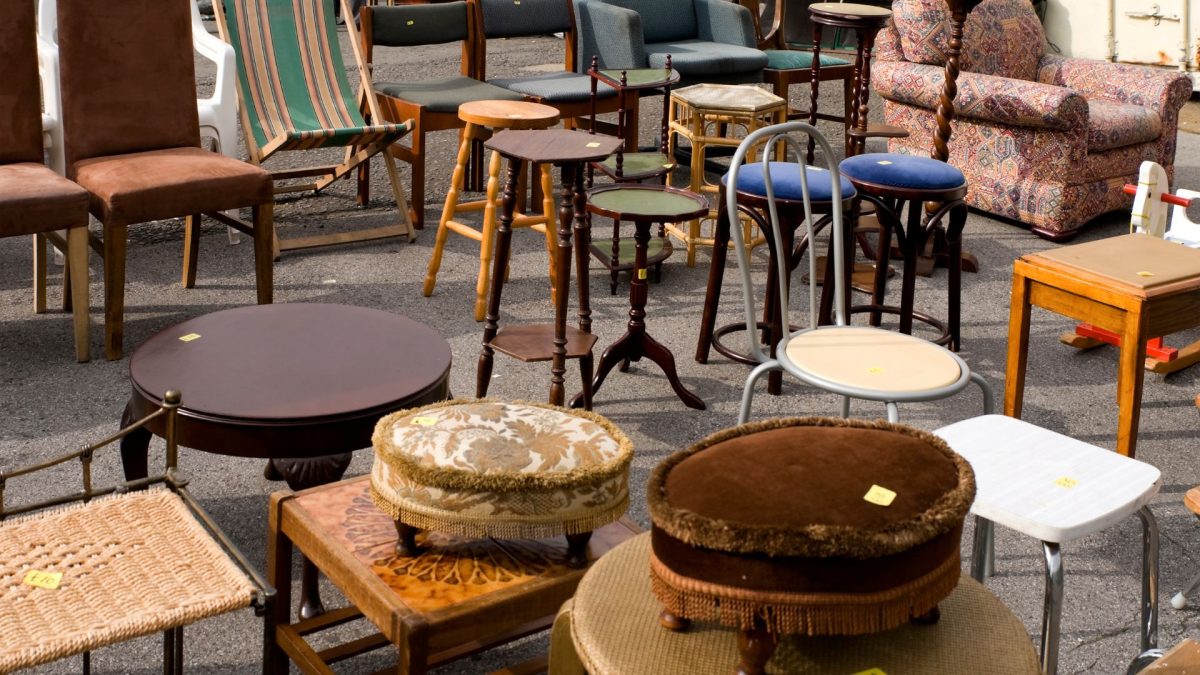
Clearing out old or unused furniture can instantly transform a home’s visual appeal. Crowded rooms often appear smaller and cluttered, no matter how meticulously they are organized. By removing bulky furniture that no longer serves a purpose, homeowners can create open spaces that allow natural light to flow more freely. Light has a remarkable way of enhancing colors, textures, and architectural details, making interiors feel more vibrant and inviting. The absence of oversized or outdated pieces allows eye-catching elements, such as accent walls or stylish flooring, to shine through. This simple adjustment can alter the perception of a room, turning a congested area into a serene and visually appealing environment.
Moreover, reclaiming space fosters a sense of organization and order. When furniture is strategically removed, it becomes easier to arrange remaining pieces in ways that promote functionality and comfort. Freeing up floor space not only allows for easier movement throughout the room but also opens opportunities for adding new decor that complements the home’s aesthetic. Minimalism often enhances visual harmony, and when combined with thoughtful furniture removal, it creates a balance between practicality and elegance. The overall atmosphere of the home improves, giving every corner a chance to breathe, while reducing visual chaos that can drain energy and detract from a room’s design.
Enhancing Natural Light and Openness
Furniture removal significantly impacts how light interacts within a home. Large, outdated, or misaligned furniture can block sunlight, leaving spaces feeling dim and enclosed. By taking out unnecessary items, rooms suddenly become brighter, warmer, and more welcoming. Increased natural light not only enhances the mood but also emphasizes textures and finishes in flooring, walls, and decorative accents. As sunlight spreads, it highlights the flow of the space, making it feel larger and more cohesive. Bright, airy rooms naturally attract attention and create an inviting environment for both residents and guests, giving the home a fresh and invigorated feel.
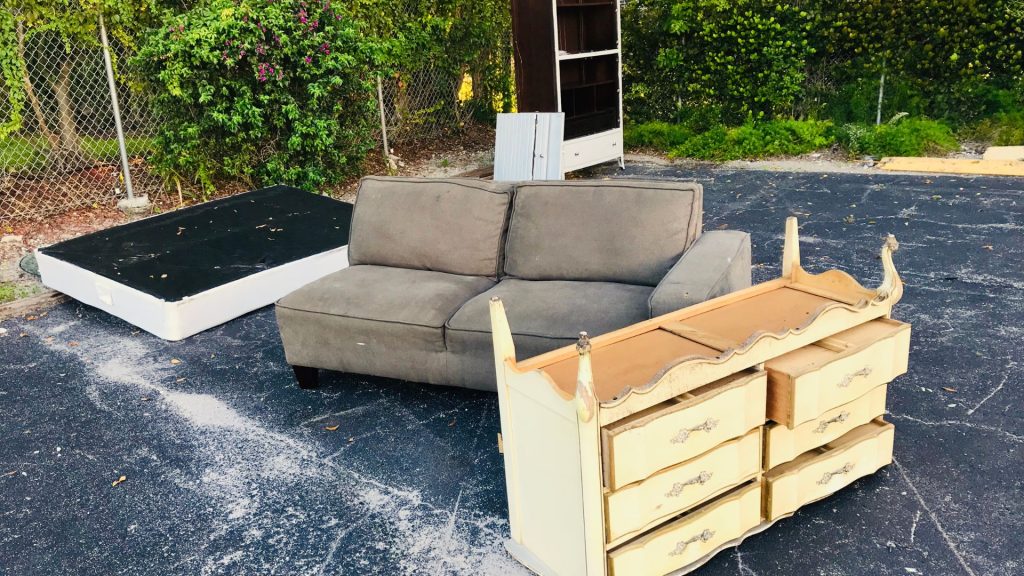
Beyond improving aesthetics, openness contributes to better spatial perception. Rooms free from heavy furniture allow individuals to navigate effortlessly and appreciate architectural details that might otherwise remain unnoticed. This newfound openness invites creativity in interior design, enabling homeowners to experiment with layouts that optimize functionality and comfort. The subtle benefits of removing furniture, like enhanced air circulation and improved visibility, contribute to an overall sense of freshness and vitality. With carefully planned removal, every area of a home can achieve a balance between beauty and practicality, leaving the space feeling more intentional, polished, and enjoyable.
Showcasing Interior Design Elements
Furniture removal can help highlight interior design features that were previously overshadowed. Large sofas, old cabinets, and crowded storage units often draw attention away from intricate details like moldings, wall art, or flooring patterns. By creating a more open layout, these elements can emerge as focal points, enhancing the character of a home. Removing unnecessary furniture also makes it easier to introduce complementary accessories such as rugs, plants, and accent lighting that reinforce the intended style. This process creates a layered, sophisticated environment where each design element can be appreciated individually while contributing to the overall harmony of the space.
A well-curated environment also benefits functional aspects. When rooms are free of redundant furniture, homeowners gain flexibility to reimagine layouts and optimize spaces for both utility and aesthetics. For instance, shifting seating arrangements or adding minimalistic pieces can create cozy nooks without overwhelming the room. By emphasizing existing features and introducing strategic enhancements, the home’s personality is expressed more clearly. This thoughtful approach ensures that the home feels intentional rather than cluttered, offering a more visually pleasing and relaxing environment for everyday life and special gatherings.
Reducing Clutter for Stress-Free Living
Clutter has a direct psychological impact, often causing stress and distraction. Removing furniture that is no longer in use eliminates not only physical obstructions but also mental strain. A decluttered environment supports mental clarity and fosters calmness, making it easier to focus and enjoy daily activities. The visual simplicity gained through furniture removal allows individuals to appreciate the home’s architecture and decor without competing for attention. Minimalistic surroundings also encourage cleaner habits, as fewer objects make it easier to maintain order and tidiness, resulting in a more serene and harmonious living environment.
The benefits extend beyond visual appeal. Simplified spaces enable more efficient cleaning and reduce the time spent navigating around cumbersome items. Rooms feel lighter and more breathable, enhancing comfort and livability. The act of removing furniture also invites a reassessment of priorities, encouraging thoughtful decisions about what to keep and what to discard. This process fosters a sense of accomplishment and intentional living. As the home transforms into a clutter-free sanctuary, inhabitants experience an improvement in both emotional and physical well-being, proving that less truly can be more when it comes to achieving a balanced, welcoming space.
Facilitating Renovations and Updates
Old furniture often stands in the way of renovation or redecorating efforts. By removing pieces that no longer fit or function, homeowners gain unobstructed access to walls, flooring, and ceilings that may need attention. Whether repainting, refinishing, or installing new fixtures, having an open workspace simplifies tasks and accelerates the process. The absence of bulky furniture allows contractors or DIY enthusiasts to move more freely, reducing the risk of damage to existing surfaces and ensuring that updates are executed efficiently. This proactive step is essential for maximizing both safety and effectiveness during home improvement projects.
In addition, furniture removal provides a fresh canvas for creative expression. Once the old pieces are cleared, the room can be assessed more objectively, revealing opportunities for improved flow and innovative design solutions. It encourages experimentation with layouts, textures, and color schemes that might have been previously limited by immovable or oversized items. This flexibility ensures that renovations and updates align with personal taste and modern aesthetics, resulting in spaces that feel cohesive and revitalized. Ultimately, removing furniture before undertaking improvements streamlines the process while amplifying the impact of every design choice.
Improving Room Functionality
Every home has areas that could benefit from improved functionality, and removing the wrong furniture is often the key to unlocking potential. Overfilled spaces can obstruct natural pathways, reduce usable square footage, and limit seating or storage options. By eliminating unnecessary items, rooms become more adaptable for multiple purposes, whether entertaining guests, creating home offices, or establishing exercise areas. The result is a living environment that responds to lifestyle needs rather than imposing restrictions. When the space is liberated, homeowners enjoy enhanced movement and accessibility, fostering a more practical and comfortable home.
Beyond everyday convenience, furniture removal enables smarter organization. Rooms that are no longer burdened by extraneous items can accommodate more effective storage solutions and functional layouts. For instance, clearing a cluttered corner might allow for shelving, modular units, or multi-purpose furniture that enhances usability without compromising aesthetics. A functional space aligns with daily routines, making chores, leisure, and social interactions more efficient and enjoyable. The adaptability achieved through strategic removal ensures that homes evolve in harmony with changing needs, maintaining both visual appeal and practical utility over time.
Highlighting Flooring and Structural Features
Flooring and structural elements often go unnoticed when covered by excessive furniture. By removing large pieces, homeowners can finally showcase hardwood, tile, or carpet surfaces that add warmth and character to rooms. Open spaces draw attention to architectural elements such as beams, staircases, or decorative columns that may otherwise be hidden. This visibility enhances the home’s overall aesthetic and communicates a sense of care and sophistication. Furniture removal allows natural patterns, colors, and materials to emerge, transforming the perception of the space and creating an environment that feels more cohesive and thoughtfully designed.
Additionally, uncovering structural features encourages maintenance awareness. Floors and surfaces previously hidden are now accessible for cleaning, polishing, or minor repairs. Homeowners can spot wear and tear that might have gone unnoticed, ensuring longevity and improved functionality. The act of revealing these elements often inspires further design choices, such as complementing colors, textures, or furniture placement that harmonize with the underlying architecture. Ultimately, this focus on structural and flooring highlights amplifies the elegance of a home, blending practicality with visual appeal to create an environment that is both inviting and enduring.
Enhancing Safety and Accessibility
Overcrowded spaces can present safety hazards, particularly in homes with children, elderly individuals, or pets. Large, unneeded furniture can obstruct exits, create tripping risks, and hinder emergency navigation. Removing these obstacles dramatically improves safety, making movement throughout the home more predictable and secure. Open pathways allow for quicker response in case of emergencies, while reducing the likelihood of accidents caused by accidental bumps or falls. Homeowners gain peace of mind knowing that their environment supports safer daily activities for everyone living under the roof.
Furniture removal also enhances accessibility for those with mobility challenges. Clear walkways and open spaces simplify navigation for wheelchairs, walkers, or temporary injuries, allowing residents to maintain independence and comfort. It ensures that rooms can be enjoyed without limitations imposed by misplaced or oversized items. This dual benefit of safety and accessibility reinforces the importance of strategic furniture removal, creating an environment that is welcoming, practical, and accommodating for diverse needs. By prioritizing clear and functional spaces, homeowners foster a home that is as secure as it is aesthetically pleasing.
Encouraging Sustainable Disposal Practices
Discarding old furniture responsibly contributes to a sustainable home environment. Removing items no longer in use can reduce clutter while ensuring that they are recycled, donated, or disposed of in an eco-conscious manner. Many materials from furniture, such as wood, metal, and fabrics, can be repurposed, reducing landfill waste and supporting environmental responsibility. This approach reflects a commitment to sustainability while simultaneously enhancing the home’s appearance. By thoughtfully removing furniture, homeowners not only create functional spaces but also participate in a cycle of reuse that benefits the broader community.
Sustainability-oriented removal also encourages mindful consumption. Understanding which items no longer serve a purpose fosters intentionality in acquiring new furniture, preventing unnecessary accumulation in the future. Incorporating environmentally friendly disposal methods reinforces a connection between personal living spaces and global ecological impact. Over time, this practice cultivates a sense of responsibility and stewardship, aligning the home’s physical organization with broader environmental ethics. By coupling aesthetic improvement with conscientious disposal, homeowners achieve a harmonious balance that benefits both their immediate surroundings and the planet.
Refreshing Your Home for Social and Personal Enjoyment
A visually appealing, uncluttered home creates an inviting atmosphere for both residents and guests. Removing furniture that contributes to overcrowding allows for more functional entertainment areas, seating arrangements, and open spaces conducive to social interaction. Spaces feel more welcoming and adaptable, whether hosting gatherings, enjoying quiet moments, or pursuing hobbies. The freshness achieved through furniture removal elevates the overall mood of the home, encouraging residents to spend more time in areas that previously felt confined or neglected.
The psychological impact of an organized and refreshed environment cannot be overstated. A decluttered home fosters positive energy, reduces stress, and promotes relaxation. Visitors are likely to appreciate the thoughtful layout and clear sightlines, which reflect care and attention to detail. For homeowners, these improvements translate to a renewed sense of pride and satisfaction, reinforcing emotional well-being. The act of removing furniture becomes more than a practical task—it transforms the home into a space that supports comfort, connection, and daily enjoyment, creating a foundation for memorable experiences and enhanced quality of life.
Conclusion
Furniture removal plays a pivotal role in enhancing a home’s overall appearance, functionality, and atmosphere. By clearing out outdated or unnecessary pieces, spaces are freed up to allow for natural light, improved layouts, and better visibility of interior features. Rooms feel more inviting, balanced, and harmonious, offering both practical and aesthetic benefits. Decluttering through furniture removal supports a healthier living environment, reduces stress, and fosters easier cleaning and organization. Beyond visual improvement, it allows for renovations, highlights structural features, and enhances safety and accessibility throughout the home. The transformation is noticeable immediately, turning previously congested areas into open, enjoyable, and welcoming spaces.
For residents in Palatine, IL, 24-7 Junk Removal provides professional and reliable services for all furniture and junk removal needs. Their team ensures that items are removed safely and efficiently while supporting environmentally responsible disposal practices. With a focus on customer satisfaction and attention to detail, they help homeowners reclaim their spaces and elevate their living environments. Contact 24-7 Junk Removal at (773) 309-6966 to schedule a service or consult about customized solutions. Their expertise makes the process seamless, creating a home that is not only cleaner and more organized but also visually stunning and welcoming for everyday life and social enjoyment.