

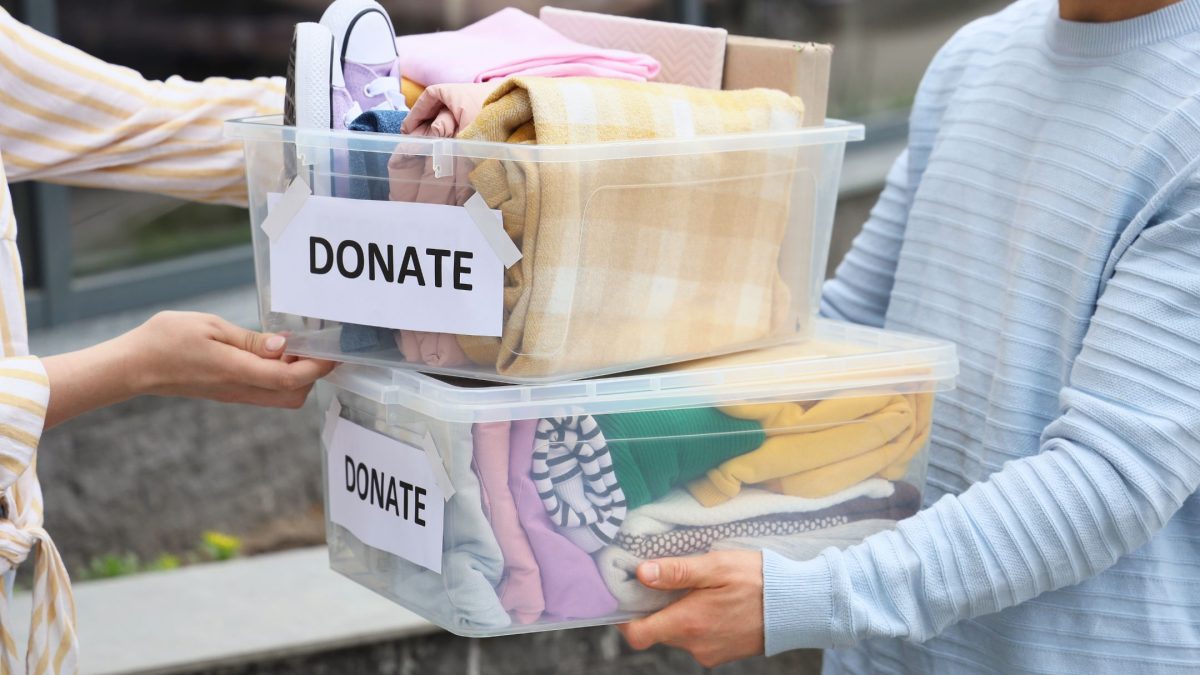
Donation pickup services play a vital role in reinforcing the fabric of a community. By offering residents a convenient way to donate items they no longer need, these services ensure that resources circulate efficiently, reaching those who truly benefit. Items like clothing, furniture, and household goods find new homes instead of languishing in storage or landfills. This circulation not only helps families and individuals in need but also fosters a culture of generosity and care. Communities thrive when people are empowered to contribute without logistical hurdles, making donation pickups an unsung pillar of local support networks.
The presence of a reliable donation pickup service also encourages more frequent giving. Without the stress of transporting items to donation centers or figuring out complex drop-off logistics, community members are more likely to declutter responsibly. This, in turn, reduces waste and promotes sustainability while directly impacting local charities and nonprofits. Residents experience a sense of purpose and connection, knowing their unwanted items are helping someone nearby. Ultimately, these services act as a bridge, connecting generosity with tangible community improvement.
Reducing Environmental Impact
One of the most significant benefits of donation pickup services lies in their ability to reduce environmental strain. Instead of discarded items ending up in landfills, many donated goods are reused, repurposed, or recycled. This minimizes the production demand for new materials, conserving natural resources and cutting down pollution. Every item picked up and donated lessens the carbon footprint associated with manufacturing and waste management. Communities that integrate donation pickups into their routines contribute to long-term ecological health and encourage a mindset of sustainable living among residents.
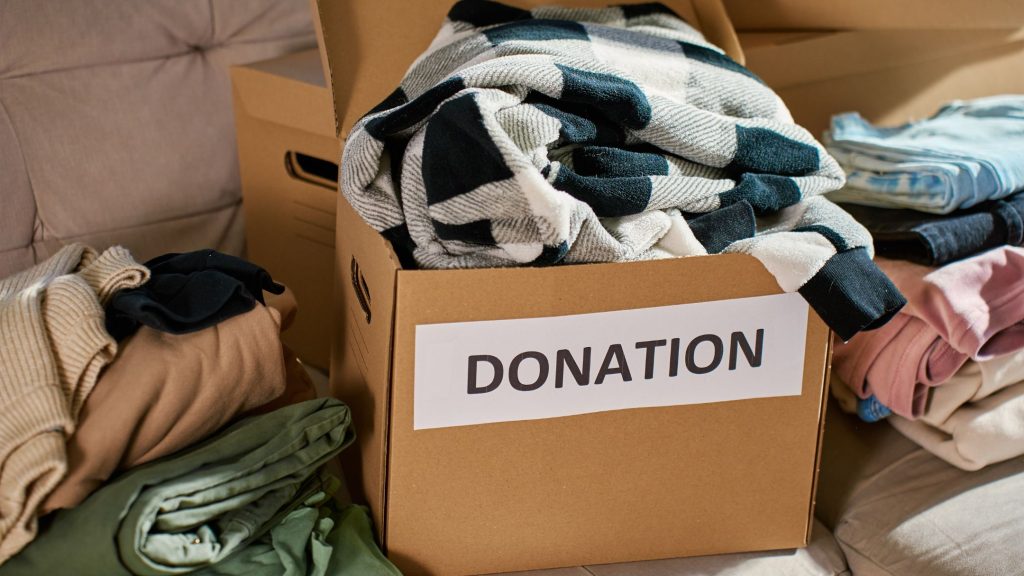
Donation pickups also help mitigate the negative impact of improper disposal. Electronics, furniture, and textiles can release harmful chemicals or occupy valuable landfill space when discarded carelessly. By directing these items to donation channels, communities prevent environmental contamination and make more efficient use of available resources. This not only preserves the surrounding environment but also instills environmental responsibility in citizens. Over time, the adoption of such practices nurtures greener, cleaner neighborhoods where both people and the planet benefit from thoughtful waste management.
Promoting Social Equity
Donation pickup services contribute directly to social equity by redistributing resources to individuals who might otherwise struggle to afford essentials. These services often collaborate with local charities and social programs, ensuring items reach low-income families, elderly residents, and marginalized groups. By making it easier to donate, communities support vulnerable populations and reduce economic disparity. The convenience of pickup services ensures that giving back is accessible to all residents, not just those with transportation or mobility options.
Moreover, donation pickups create opportunities for community engagement beyond financial assistance. Volunteers, local organizations, and recipients interact through collection programs, fostering understanding and empathy across social divides. This helps cultivate a culture where mutual support is normalized, and no one feels left behind. In neighborhoods where resources are unevenly distributed, these services act as vital connectors, bridging gaps and ensuring that everyone benefits from communal generosity and shared assets.
Enhancing Community Health and Safety
Donation pickup services also play a role in promoting healthier, safer neighborhoods. By removing clutter and unused items from homes and public areas, these services reduce hazards that can cause accidents or attract pests. Cluttered living spaces often contribute to stress and anxiety, so decluttering through donation pickups can improve mental well-being for residents. Additionally, clearing away unused furniture, old appliances, and other large items minimizes fire risks and improves overall community safety.
With safer, cleaner streets and homes, communities become more inviting and livable. People can move freely without tripping over discarded goods, and children enjoy safer play areas. The visual improvement in neighborhoods also fosters civic pride, encouraging residents to maintain tidy environments and further participate in local initiatives. Donation pickups thus indirectly enhance both physical and psychological well-being, demonstrating how organized giving can ripple positively through community life.
Supporting Local Charities
Local charities greatly benefit from donation pickup services, as they often rely on steady streams of donated items to fund operations or provide for clients. By offering pickup options, residents can contribute easily, ensuring a consistent supply of goods that nonprofits can sell, redistribute, or repurpose. These donations help charities save resources, allowing them to focus on delivering essential services rather than logistics. Strong donation systems amplify the impact of charitable organizations within a community, making them more resilient and effective.
Additionally, donation pickups reduce the burden on charities by streamlining the collection process. Without efficient pickup services, charities might spend excessive time and effort coordinating donations, potentially limiting their outreach. Pickup services create a reliable pipeline, allowing nonprofits to plan programs more effectively and reach a broader audience. Communities that support these systems indirectly strengthen the operational capacity of local charities, fostering a culture where giving is both seamless and impactful.
Encouraging Mindful Consumption
Donation pickups help cultivate a culture of mindful consumption by prompting residents to evaluate their belongings. Knowing that items can be easily donated encourages people to consider sustainability before making new purchases. It promotes intentional buying habits and discourages hoarding, ultimately reducing unnecessary waste. This practice not only benefits the environment but also nurtures responsible consumer behaviors, creating long-term community habits that align with sustainability goals.
Residents who participate in donation pickups often become more aware of their consumption patterns, learning to value longevity over disposability. By reflecting on which items are truly needed versus those that can serve others, communities develop a more conscious approach to resource management. Over time, this awareness fosters an ethos of collective responsibility, where residents actively participate in creating a cycle of reuse and sustainability, setting an example for future generations.
Facilitating Emergency Support
Donation pickup services can also be instrumental in times of emergency or crisis. When natural disasters, fires, or other emergencies occur, communities often require rapid access to resources. Pickup services enable quick collection and redistribution of essential items, including clothing, bedding, and household goods, to affected individuals. By providing a structured system for donations, these services ensure that relief efforts are more organized and responsive, helping residents recover more efficiently.
Moreover, having a consistent donation infrastructure means that communities are better prepared for unexpected situations. Residents can quickly contribute needed items without delay, knowing there is a reliable channel in place. This readiness fosters a sense of resilience, strengthening social cohesion during challenging times. Communities equipped with efficient donation pickups are therefore better positioned to respond collectively, minimizing hardship and supporting rapid recovery for those in need.
Building Community Connections
Donation pickup programs strengthen social cohesion by bringing people together around common goals. These services often involve collaboration between volunteers, local businesses, and residents, creating networks of engagement that extend beyond the act of giving. People interact while organizing pickups, learning about the needs of neighbors, and discovering opportunities to contribute. These interactions build trust and foster a sense of belonging, essential components of vibrant communities.
Beyond the logistical aspects, donation pickups encourage storytelling and shared experiences. Recipients may share how donated items improved their lives, while donors learn the tangible impact of their generosity. These exchanges humanize community life, reminding residents that every contribution matters. In this way, donation pickups not only redistribute goods but also nurture enduring relationships, enriching the social fabric and making neighborhoods more cohesive and supportive.
Supporting Local Economies
Donation pickups indirectly benefit local economies by providing goods that might otherwise be discarded. Items in good condition can be sold in thrift stores or repurposed by small businesses, generating revenue while reducing landfill contributions. This circulation of goods keeps money within the community, creating microeconomic benefits for local entrepreneurs and charities alike. The reinvestment of resources enhances overall economic resilience, supporting community growth and sustainability.
Additionally, the logistics of pickup services themselves create local employment opportunities. From drivers and organizers to warehouse staff and administrative personnel, these programs contribute to job creation. Communities benefit not only from the redistribution of goods but also from the economic activity generated by the service. This dual impact reinforces the idea that donation pickups are both socially and economically valuable, enriching neighborhoods in multiple ways simultaneously.
Promoting Lifelong Philanthropy
By simplifying the act of giving, donation pickups encourage lifelong habits of philanthropy. When residents see that donating is straightforward and impactful, they are more likely to integrate giving into their daily lives. This establishes a culture where generosity is normalized and valued, and where people understand the direct benefits their contributions provide. Over time, this can foster a community-wide ethos of ongoing support and mutual care, strengthening social cohesion and civic responsibility.
The convenience and visibility of donation pickups serve as constant reminders that helping others is accessible. When children and adults alike observe the practice in their neighborhoods, it instills early lessons in compassion, sustainability, and civic engagement. Communities that embrace donation pickups cultivate not just immediate benefits but also long-term cultural shifts, embedding philanthropy into everyday life and creating generations of residents committed to improving their surroundings.
Conclusion
Donation pickup services provide far-reaching benefits for communities by ensuring that unused items are repurposed effectively. They strengthen local support networks, reduce environmental impact, and promote social equity, making neighborhoods healthier and safer. Additionally, these services support local charities, encourage mindful consumption, and provide emergency assistance when needed. By connecting residents, creating economic opportunities, and fostering lifelong philanthropic habits, donation pickups serve as a catalyst for both social and environmental progress. Communities that embrace these systems experience tangible improvements in quality of life, cohesion, and resilience.
For residents in Palatine, IL, 24-7 Junk Removal offers professional and convenient donation pickup services designed to make a difference. Their team ensures that all items are handled responsibly, benefiting both the community and the environment. To schedule a pickup or learn more about their junk removal services, contact 24-7 Junk Removal at (773) 309-6966 or visit their office at 611 W. Wise Schaumburg, IL 60193. Their commitment to recycling and donations ensures that every contribution creates meaningful impact, turning unwanted items into valuable resources for those in need.