

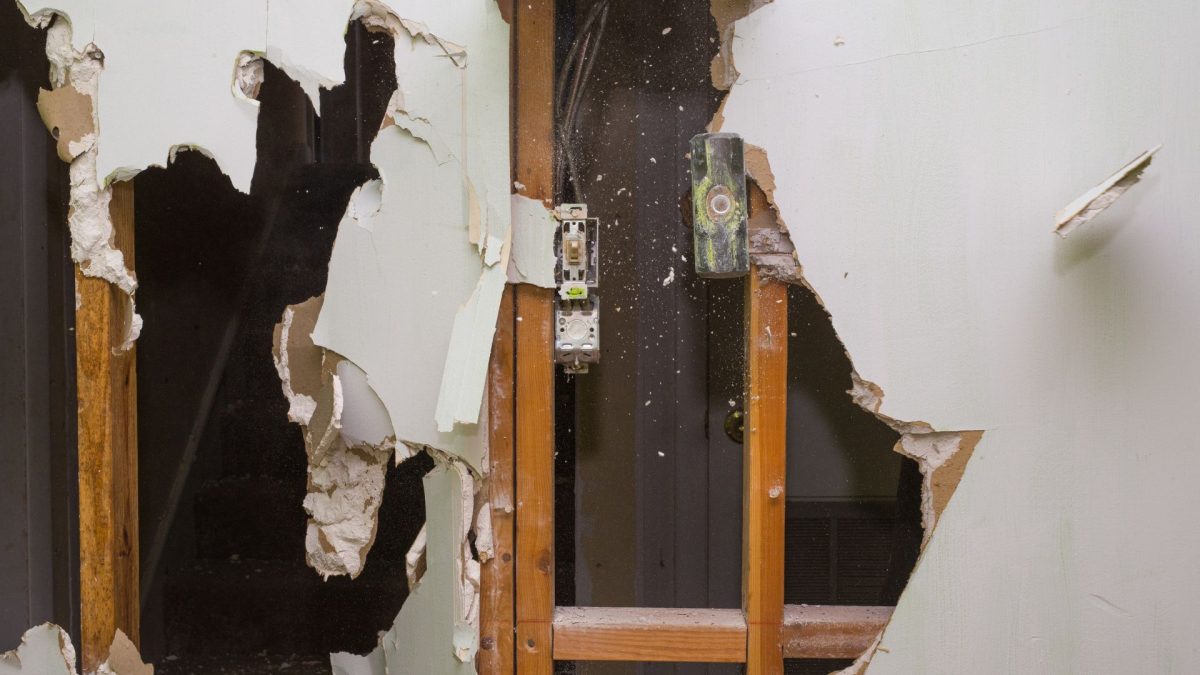
Every home renovation begins with a vision, but before the transformation can take shape, something old often needs to go. Drywall removal plays a pivotal role in that process, quietly setting the stage for new beginnings. It’s the unsung step that bridges the dream and the execution. The walls you take down hold decades of stories, but beneath them lie the practical realities—wiring, insulation, framing—that determine the success of your next design move. Removing drywall clears the way for electricians, plumbers, and remodelers to bring a fresh flow of energy into your space.
What seems like a simple act of tearing down actually allows for discovery. Many homeowners are surprised at what they find behind their walls—hidden damage, outdated wiring, even evidence of water leaks. By addressing these issues early, you build a stronger, safer foundation for whatever comes next. Drywall removal is more than demolition—it’s the quiet preparation that ensures every upgrade stands firm. Without it, a renovation risks being only skin deep. With it, the possibilities open wide.
Preparing for the Process: What Homeowners Should Know
Preparation shapes the difference between a smooth drywall removal and a chaotic one. It starts with observation—understanding the layout of your home, the type of drywall installed, and any potential obstacles behind the panels. Turning off power and water sources before you begin isn’t just a precaution; it’s a necessity. The unseen wires and pipes behind those walls can turn a simple project into a costly repair if ignored. Taking the time to map out where these systems run creates confidence before a single nail is pried loose.
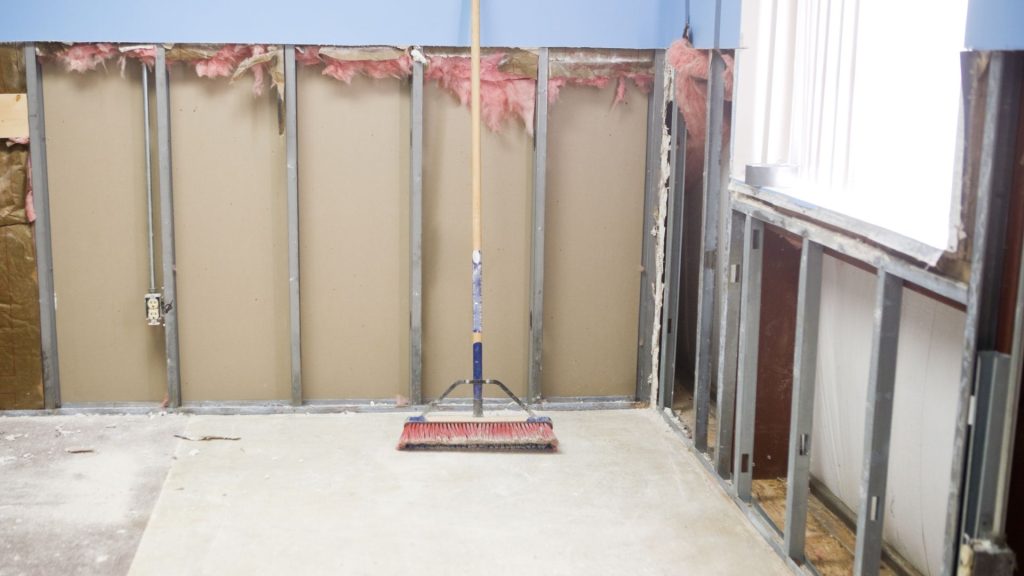
But preparation isn’t only technical—it’s mental. Expect dust, noise, and some disruption. Protecting floors, covering furniture, and sealing vents will keep the mess contained and cleanup manageable. Many homeowners underestimate the amount of fine dust drywall creates, lingering even in nearby rooms. With proper planning, though, the experience can be surprisingly efficient. When you know what to expect, the process transforms from something intimidating into an empowering step toward renewal.
Signs It’s Time to Remove Old Drywall
Walls may appear sturdy, but drywall tells its own story. Over time, water leaks, structural settling, and even humidity can compromise its condition. Discoloration, cracking, bubbling paint, and persistent musty odors are all warning signs. If your wall feels soft when pressed or flakes easily, it may have absorbed moisture beyond repair. Sometimes, even invisible issues like mold can grow inside the wall cavity, quietly spreading until the drywall itself becomes unsafe to keep.
Other times, the motivation isn’t damage but design. Older homes often feature textured finishes, uneven seams, or layers of outdated paint that clash with today’s clean, minimalistic trends. Removing drywall gives you a fresh start—a smooth canvas to build on. It also provides access for rewiring or adding new insulation, both of which improve comfort and energy efficiency. Recognizing when drywall has served its time is part of being proactive about your home’s well-being. Renewal always begins with release.
Safety Precautions During Drywall Removal
Safety is non-negotiable during drywall removal. Even in newer homes, the dust and debris that result from the process can irritate lungs and eyes. Wearing protective gear like respirator masks, gloves, and goggles creates a barrier between you and those particles. Good ventilation matters just as much—opening windows and using fans helps circulate air and reduce lingering dust. It’s easy to underestimate how quickly air quality can drop when walls come down.
In older structures, safety takes on an even more critical tone. Some walls may contain asbestos or lead-based paint, materials that require professional handling. Before starting, testing for hazardous materials is wise. What seems like a simple DIY project can become dangerous without that step. Safety isn’t just about preventing injuries—it’s about ensuring your home remains a healthy environment even after the work is done. When caution leads the way, the outcome feels lighter, cleaner, and more secure.
Environmental Considerations When Disposing of Drywall
What happens to all that debris after removal is often an afterthought, but it shouldn’t be. Drywall disposal carries environmental weight because of its composition. Gypsum, the core material, can release sulfur gases when mixed with organic waste in landfills. This makes responsible handling crucial. Instead of tossing it out with everyday trash, drywall should be separated and sent to facilities equipped to recycle or process it properly.
Some drywall materials can even be repurposed. Recycled gypsum can be transformed into new drywall sheets or used to improve soil quality in agriculture. Making eco-conscious choices during renovation adds meaning to your project—it’s a way of giving back while you build anew. Responsible disposal also keeps your property cleaner, minimizing leftover dust and debris. With a little planning, even something as ordinary as wall removal can contribute to sustainability.
Hidden Benefits of Removing Drywall Before Redesigning
At first glance, drywall removal seems like a purely practical step. Yet beneath the surface, it unlocks benefits that reach far beyond what’s visible. Once the walls come down, you gain access to the heart of your home’s infrastructure. You can inspect for leaks, update wiring, improve insulation, or identify structural wear. These upgrades, though hidden behind walls, can dramatically enhance comfort, safety, and long-term efficiency.
The act itself also marks emotional progress. Watching the walls come down is a visible sign that transformation is underway. It’s often the first tangible moment when a renovation shifts from imagination to reality. Homeowners describe it as freeing—a literal breaking open of space and possibility. With every section removed, the home begins to breathe again, ready for its next chapter. Removing drywall isn’t destruction; it’s preparation for creation.
How Professional Services Simplify Drywall Removal
There’s a fine art to drywall removal, and while it might look simple, professionals know the rhythm behind it. They work efficiently, cutting along seams, avoiding damage to studs, wiring, and plumbing. Specialized tools help them limit dust, speed up cleanup, and preserve reusable materials. When handled professionally, drywall removal becomes less of a disruption and more of a synchronized process—swift, tidy, and controlled.
Hiring experts also ensures compliance with safety and waste regulations. They know where and how to dispose of materials responsibly, reducing environmental impact. Professional crews arrive equipped with gear that keeps your property clean and safe from airborne particles. For many homeowners, that peace of mind is invaluable. It means focusing on design choices rather than managing debris. The difference lies in experience, and experience turns what could be chaos into a well-coordinated step forward.
Integrating Drywall Removal Into Larger Renovation Plans
In the bigger picture of renovation, drywall removal isn’t an isolated task—it’s a connector between what was and what will be. It bridges demolition and construction, ensuring each trade involved has clear access to the home’s core structure. Electricians can safely rewire, plumbers can adjust lines, and designers can visualize new layouts. Without this step, progress often feels forced, limited by what the old walls allow.
Timing is everything. Scheduling drywall removal early prevents damage to new installations later and keeps momentum flowing. Communication between contractors becomes smoother when this phase is clearly outlined. A well-planned removal phase eliminates delays and sets the rhythm for the entire renovation timeline. When integrated properly, drywall removal becomes less about tearing down and more about laying groundwork for efficiency and design harmony.
Cost Factors to Consider Before Starting
Estimating drywall removal costs can feel tricky because so many variables are involved. The size of the area, condition of the drywall, accessibility, and even ceiling height can affect pricing. In homes with multiple drywall layers or heavy damage, removal often takes longer, increasing labor time. If asbestos or mold is discovered, specialized handling may add to the expense. These aren’t just extra costs—they’re safeguards ensuring the work meets safety standards.
Homeowners should also account for potential surprises. Once the walls are open, you might uncover outdated wiring or water damage that needs repair. Though these discoveries can affect the budget, they also prevent future headaches. It’s far better to handle hidden issues now than patch them later. Building a flexible budget makes the process less stressful and allows you to move forward confidently, knowing each dollar serves your home’s integrity.
Post-Removal Preparation for New Installations
Once the drywall is gone, your space transforms into a blank canvas filled with opportunity. This phase is all about groundwork—inspecting the framing, sealing gaps, and ensuring the structure is ready for new installations. Electricians can add outlets or upgrade wiring, and plumbers can reroute lines without obstruction. It’s the perfect moment to make behind-the-scenes improvements that will never be this accessible again.
A thorough cleaning follows the removal. Dust can linger, settling into corners and air ducts if not properly handled. Vacuuming, wiping surfaces, and sealing walls prepare the environment for fresh drywall or alternative finishes. Skipping these steps can affect paint adhesion or trap fine debris behind new panels. Think of this stage as the quiet before the creative storm—a pause that ensures the next layers of your renovation rest on perfection, not haste.
Conclusion
Every renovation tells a story of renewal, and drywall removal is the unsung first chapter. It may not carry the excitement of picking finishes or colors, but it builds the foundation for everything beautiful that follows. Removing drywall opens up not just your walls but your options. It allows you to repair what’s hidden, update outdated systems, and redesign your space with clarity. The process is as much about discovery as it is about preparation—each panel removed brings you closer to the home you imagine.
When it’s time to handle this crucial step with care and precision, turn to 24-7 Junk Removal, proudly serving Palatine, IL and surrounding communities. Their professional Junk Removal services make drywall disposal and cleanup efficient and worry-free. They combine safety, speed, and environmental responsibility in every project. To schedule assistance, contact them at (773) 309-6966 or visit their office at 611 W. Wise Schaumburg, IL 60193. You can also email support@24-7junk.com for inquiries or appointments. With the right help, your renovation begins not with stress—but with confidence and clarity.