

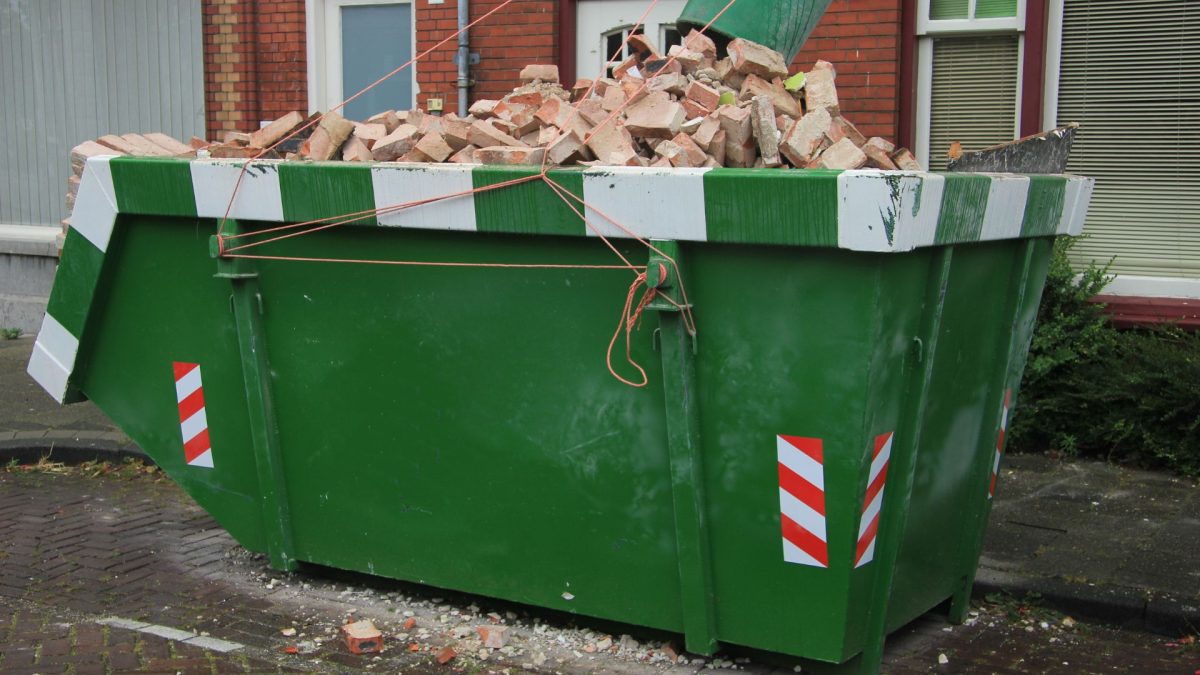
Construction projects, whether large or small, inevitably produce debris. This debris ranges from wood scraps, metal remnants, and concrete fragments to old insulation and roofing materials. While it might seem harmless initially, accumulating construction debris can significantly affect safety, workflow efficiency, and environmental health on-site. Neglecting proper debris removal can lead to hazardous work environments, increased risk of injury, and unnecessary delays in project timelines. Moreover, unorganized debris can attract pests, contribute to environmental contamination, and diminish the professional appearance of a construction site.
Understanding the types of debris generated is crucial before planning removal. Each material requires specific handling and disposal methods to meet safety standards and local regulations. Separating recyclables, hazardous materials, and general waste is an essential first step. When managed effectively, debris removal not only improves safety but also enhances the productivity of workers and optimizes space usage. By treating debris as a manageable component rather than an afterthought, project managers can maintain a clean and organized site, ensuring smoother operations and reduced long-term costs associated with cleanup and waste management.
Planning Your Debris Removal Strategy
Before the actual removal begins, it is important to devise a comprehensive debris removal plan. This plan should outline the types of materials expected, disposal routes, recycling opportunities, and safety protocols. Anticipating the volume of debris allows project managers to allocate adequate resources, including containers, transportation, and labor. Planning ahead also ensures compliance with local waste disposal regulations and environmental standards, avoiding potential fines and legal issues.
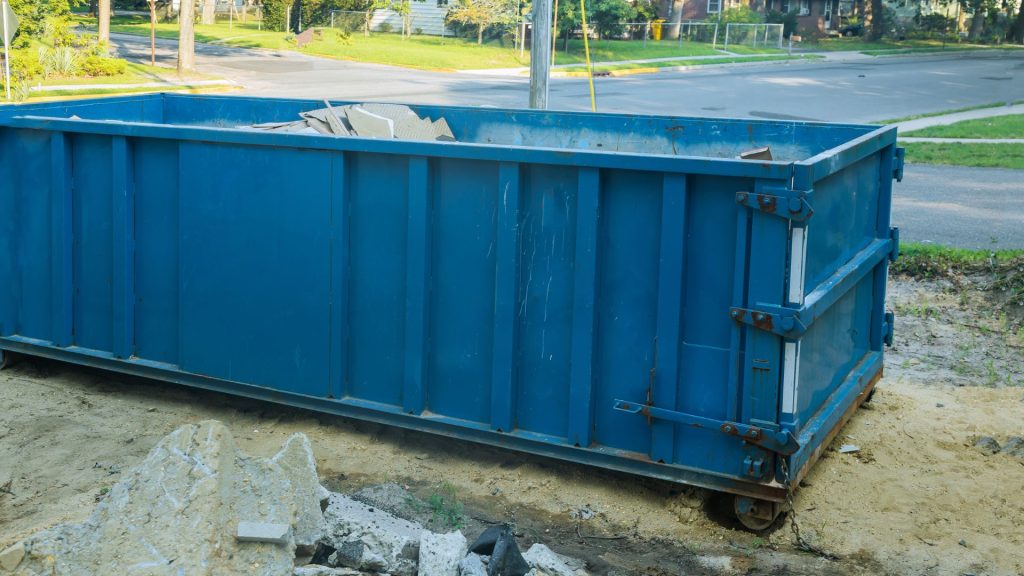
Communication plays a critical role in executing the debris removal plan effectively. Workers should be trained on identifying materials that can be recycled or donated, as well as those that require special handling. Establishing a clear schedule for debris collection reduces clutter accumulation and prevents bottlenecks during critical phases of construction. Additionally, engaging professional debris removal services can streamline the process, offering expert handling, safe disposal, and sometimes even on-site sorting to maximize recycling and minimize landfill impact. With thoughtful planning, debris removal becomes an organized process rather than a disruptive task.
Gathering the Right Equipment
Successful construction debris removal depends on having the right tools and equipment. Protective gear such as gloves, helmets, and safety glasses is essential to prevent injuries during handling. Additionally, shovels, wheelbarrows, brooms, and heavy-duty garbage containers are fundamental for transporting debris efficiently. For larger projects, heavy machinery such as skid steers, forklifts, or compact loaders may be required to manage bulky or heavy materials safely.
Choosing the appropriate equipment also involves considering the type of debris present. Sharp metal pieces, broken concrete, and hazardous materials require reinforced containers and specialized handling tools. Investing in quality equipment ensures the removal process is faster, safer, and more efficient. Furthermore, having well-maintained machinery reduces downtime and minimizes the risk of accidents. By matching equipment with project needs, construction teams can maintain momentum while keeping the site organized and compliant with safety protocols, reducing stress and promoting a productive working environment.
Sorting and Categorizing Debris
Sorting construction debris into distinct categories streamlines the removal process and ensures environmentally responsible disposal. Typically, debris can be divided into recyclable materials, hazardous waste, general construction waste, and organic matter. Metal, wood, and cardboard can often be recycled, while certain materials like asbestos, treated wood, and chemical containers require specialized disposal methods. Proper categorization prevents contamination, reduces landfill contributions, and may even provide financial benefits if recyclable materials are sold or repurposed.
This phase requires careful attention to detail and collaboration among team members. Setting up clearly labeled collection areas and educating workers on sorting procedures improves compliance and minimizes confusion. The sorting process not only facilitates easier handling but also enhances workplace safety by separating sharp or dangerous materials from more manageable waste. By approaching debris removal systematically, construction teams can minimize environmental impact, reduce costs, and maintain a safer, cleaner worksite throughout the project lifecycle.
Safe Handling and Transportation
Handling and transporting construction debris safely is critical to prevent injuries and ensure compliance with regulations. Workers should use proper lifting techniques, employ mechanical aids for heavy loads, and wear personal protective equipment at all times. For hazardous materials, additional precautions, such as containment in sealed containers and proper labeling, are mandatory. Ensuring that debris is transported using suitable vehicles and secured appropriately reduces the risk of accidents during transit.
Transportation logistics also play a role in efficiency and cost management. Scheduling regular pickups, coordinating with licensed waste disposal facilities, and choosing appropriate routes for large loads prevent unnecessary delays. By integrating safety and logistical considerations, debris removal becomes a structured process that safeguards workers, protects the environment, and maintains smooth project operations. Attention to these details reinforces a culture of responsibility, reducing the likelihood of incidents and enhancing overall project performance.
Utilizing Professional Debris Removal Services
Hiring professional debris removal services can significantly simplify the cleanup process. Experts bring the experience, equipment, and knowledge necessary to manage large volumes of debris safely and efficiently. They understand local regulations, proper disposal channels, and recycling opportunities, ensuring compliance and sustainability. Engaging professionals also reduces the burden on construction teams, allowing them to focus on core project tasks rather than cleanup.
Professional services offer additional benefits, including flexible scheduling, rapid response for urgent cleanup needs, and environmentally responsible disposal. Their expertise in handling bulky, hazardous, or complex debris ensures that no materials are improperly discarded, mitigating liability risks. By outsourcing debris removal, construction managers can streamline operations, maintain regulatory compliance, and foster a safer, cleaner work environment. Ultimately, this approach enhances project efficiency and minimizes disruptions, delivering a smoother workflow from start to finish.
Environmental Considerations and Recycling
Environmental responsibility is an increasingly important aspect of construction debris removal. Recycling and repurposing materials such as metal, concrete, and wood reduces the demand for raw resources, minimizes landfill waste, and decreases the carbon footprint of construction projects. Properly handling hazardous materials prevents soil and water contamination, protecting both the local ecosystem and public health.
Implementing environmentally conscious practices requires planning and diligence. Segregating recyclable materials, arranging for proper disposal of hazardous items, and partnering with certified recycling centers are effective strategies. Educating workers on sustainable disposal methods fosters a culture of environmental stewardship on-site. By prioritizing eco-friendly debris removal, construction teams contribute to long-term sustainability, comply with regulations, and enhance the community’s perception of their projects as responsible and conscientious.
Time Management and Scheduling
Efficient debris removal relies heavily on effective time management. Planning collection schedules, coordinating with disposal facilities, and allocating adequate manpower ensures debris is cleared promptly, preventing it from interfering with construction progress. Delayed debris removal can stall work, create safety hazards, and increase project costs, making proactive scheduling essential for smooth operations.
Time management also involves contingency planning for unexpected debris volumes or hazardous materials. Establishing buffer periods, preparing additional storage options, and maintaining open communication with team members and service providers can prevent delays. A well-organized schedule keeps the worksite orderly, enhances productivity, and reduces stress for all personnel involved. By treating debris removal as a critical component of project management rather than a secondary task, construction teams can maintain momentum and meet deadlines efficiently.
Cost Management and Budgeting
Budgeting for debris removal is a crucial aspect of construction project planning. Anticipating disposal costs, labor expenses, and potential recycling revenue allows managers to allocate funds accurately and avoid financial surprises. Transparent budgeting also supports better decision-making, enabling teams to prioritize resources effectively and explore cost-saving opportunities.
Monitoring costs throughout the project helps identify inefficiencies, such as excessive waste generation or suboptimal disposal methods. Comparing in-house removal versus professional services can reveal the most cost-effective approach. Additionally, incorporating environmentally responsible practices like recycling can offset expenses while promoting sustainability. By integrating cost management into debris removal planning, construction projects remain financially viable and operationally efficient, ensuring both economic and environmental benefits.
Ensuring Compliance and Safety Standards
Compliance with local regulations and adherence to safety standards is essential in debris removal. Construction sites must follow waste disposal laws, occupational safety guidelines, and environmental regulations to avoid fines, legal issues, or accidents. Establishing a compliance checklist and conducting regular inspections ensure that procedures are correctly followed throughout the project.
Safety training for workers is equally important, covering proper lifting techniques, handling hazardous materials, and the use of personal protective equipment. Clear signage, restricted access areas, and emergency protocols further reinforce safe practices. Ensuring compliance and safety not only protects workers and the environment but also enhances the credibility and professionalism of the construction project. Prioritizing these standards results in smoother operations and a safer, more efficient site for all involved.
Conclusion
Construction debris removal is a complex yet essential component of any building project, demanding careful planning, equipment selection, and adherence to safety and environmental protocols. From identifying and categorizing debris to safely handling and transporting materials, each step is critical to maintaining a clean, organized, and efficient worksite. Utilizing professional services can further enhance efficiency, ensure compliance with regulations, and promote sustainable disposal practices, ultimately reducing stress and liability for project managers and workers alike.
For residents and businesses in Palatine, IL seeking reliable junk removal, 24-7 Junk Removal provides professional assistance for all types of construction debris. Their experienced team offers safe, efficient, and environmentally responsible services designed to meet project demands. Contact 24-7 Junk Removal at (773) 309-6966 or visit their location at 611 W. Wise Schaumburg, IL 60193 to schedule a service. For inquiries, email support@24-7junk.com and experience a seamless, hassle-free debris removal process tailored to your needs.