

Categories
Playset Removal

Playset Removal: A Fun Project for Your Yard

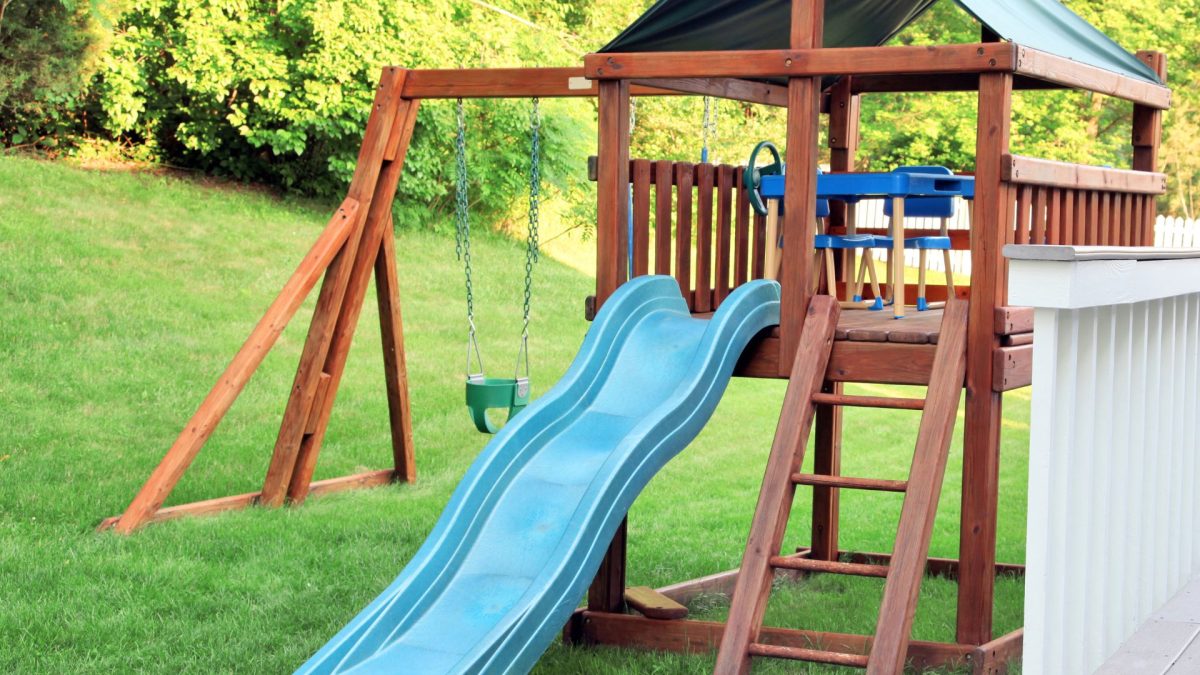
There’s a strange kind of nostalgia that lingers in the backyard where an old playset stands. Once alive with laughter and motion, it now leans slightly, sun-faded and silent. Taking it down might seem bittersweet, but it opens the door to something new. Playset removal isn’t just a matter of hauling off wood and bolts—it’s an act of reclaiming space, of reshaping your yard’s potential. Every board dismantled clears a little more room for the next chapter of outdoor life.

The process can feel surprisingly satisfying. With the right approach, what looks like a messy teardown becomes a purposeful project. Each swing chain and slide section removed represents both memories and opportunity. Before long, that corner of your yard—once occupied by the echoes of childhood—becomes an open canvas. Whether you envision a garden, a patio, or a quiet patch of green, playset removal marks the start of something refreshing.

When Memories Fade, Function Takes Priority

There comes a moment when you realize the playset isn’t being used anymore. The laughter that once filled the air has given way to overgrown grass and forgotten toys. As seasons pass, the wood begins to weather and rust starts creeping along the metal frame. What was once joy now poses a hazard. Choosing to remove it isn’t abandoning memories—it’s making space for the present. The yard evolves, and so should what fills it.
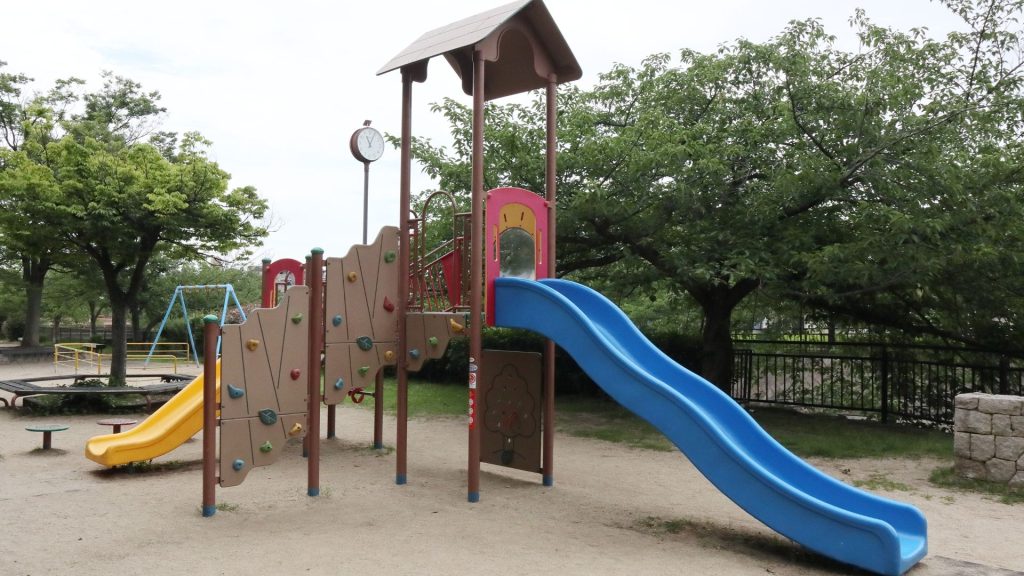
Safety becomes a driving force in the decision. Rotted boards and loose bolts make the structure unsafe for children or pets. Rather than letting it deteriorate further, you can turn its removal into a proactive step. The transformation brings relief and new possibilities—a yard that feels open, functional, and renewed. It’s not about erasing what was; it’s about allowing the space to breathe again.

The Joy of Taking Things Apart

Few outdoor projects carry the same hands-on satisfaction as playset removal. It’s physical, visual, and immediate. The sight of progress—piece by piece—brings an unexpected sense of accomplishment. Each loosened screw, each dismantled beam, feels like progress unfolding right in front of you. Even more so when you do it safely, methodically, and with purpose.

It’s a blend of nostalgia and productivity. The moment you detach the final swing chain or lift the slide away, you’re reminded of time passing, but also of renewal. The area that was once dedicated to laughter becomes something different—a patch of promise ready for reinvention. What began as a seemingly laborious task turns into a gratifying project that brings both closure and inspiration for what’s next.

Safety and Strategy Before the First Cut

Before a single board is removed, planning matters. It’s not about charging in with tools and brute force. It’s about understanding how the playset was built, which parts are under tension, and how to take it apart safely. Structural awareness saves you from injury and prevents unnecessary mess. The last thing anyone wants is a sudden collapse or splinters flying across the yard.

Preparation also means checking for hidden dangers. Nails, sharp edges, and even pests may be tucked within the old frame. Gloves, goggles, and patience are essential allies here. Breaking the job into stages—detaching swings, disassembling slides, and cutting down the frame—keeps everything under control. When done right, safety doesn’t slow progress; it amplifies it. Removing something big with care feels deliberate, intentional, and deeply satisfying.

Reimagining the Space Once It’s Gone

Once the last board is cleared away, a strange quietness settles in. That open space, bare and bright, feels larger than expected. Suddenly the yard feels new again—like the first blank page of a story waiting to be written. Some turn it into a garden, others extend their patio or create a space for family gatherings. What you do next defines the transformation’s purpose.

The best part is how freeing it feels. Playset removal doesn’t just clear physical clutter—it lifts mental weight. You begin seeing your yard differently, thinking in terms of what could be rather than what was. Fresh grass, new furniture, even a hammock perhaps—the possibilities stretch wider than the space itself. The absence of the playset becomes a symbol of forward movement and creative renewal.

Sustainable Playset Disposal

The aftermath of removal doesn’t have to mean waste. So much of a playset can be recycled or repurposed. Metal chains, bolts, and brackets can be sent to recycling facilities. Wooden beams, if not rotted, can find new life as garden borders or DIY furniture. Instead of dumping everything in a landfill, you can approach disposal as a continuation of the project’s purpose—clearing clutter responsibly.

Even the process of sorting materials has its quiet rewards. There’s satisfaction in knowing you’ve handled the project with thoughtfulness from start to finish. Sustainability adds another layer of pride to the effort. The environment benefits, your conscience stays clear, and your yard becomes both cleaner and greener. Playset removal, when done responsibly, becomes less about destruction and more about renewal—in every sense.

Turning Labor into Leisure

It might start as work, but it ends with freedom. The physical effort of dismantling, lifting, and hauling offers a strange kind of therapy. Muscles ache in the best way, sweat feels like progress, and at the end of the day, the sight of cleared ground brings contentment. It’s not just about removing—it’s about restoring.

Once the last remnants are gone, a new phase begins: rest. You look at the open space and feel ownership in a way that’s hard to describe. You earned this. That patch of earth is yours again, unburdened and full of potential. Whether you use it for relaxation or creation, it stands as a quiet reward for the effort you invested in reclaiming it.

How Playset Removal Boosts Property Appeal

Few realize how much visual weight an old, deteriorating playset carries. Its removal instantly upgrades curb appeal and makes the entire yard feel larger and better maintained. If you’re thinking of selling your home or simply refreshing its look, this single project can change first impressions completely. Clean lines, open spaces, and an uncluttered view of the landscape create a sense of care and harmony.

Even appraisers and potential buyers notice. They see usable square footage instead of a forgotten structure. A yard that once looked dated suddenly feels versatile and ready for modern living. It’s a small effort with big visual payoff. Whether you plan to list your home or simply enjoy it more, removing that playset can make your outdoor space feel current, balanced, and renewed.

The Hidden Freedom in Letting Go

There’s an emotional undercurrent in playset removal that few talk about. It’s the quiet release of attachment. You look at the swings that once held your children, the slide they raced down, and you feel a mix of pride and nostalgia. Taking it apart isn’t easy emotionally, but it’s freeing. It means you’ve embraced the flow of time rather than resisting it.

Every piece you remove feels like turning a page. By the end, what’s left isn’t just an empty space—it’s perspective. You’ve made room for the next stage of life, for new uses and new memories. That’s the quiet beauty in letting go: realizing that space, once given back to you, becomes potential again.

From Childhood to Change

Every playset has a story. The chipped paint, the worn steps, the squeaky swing—all of it tells the tale of laughter, scraped knees, and sunny afternoons. But everything built for one phase of life eventually gives way to another. Removing it isn’t about erasing that history; it’s about honoring it by allowing change to take its place.

Once gone, the yard feels open but not empty. The memories stay, even if the structure doesn’t. What fills the space afterward—flowers, chairs, or simply silence—becomes the new chapter. The evolution feels natural, almost poetic. In a way, playset removal becomes a celebration of growth, not loss, marking the gentle shift from what was once childhood to what is now possibility.

Conclusion

There’s something deeply fulfilling about transforming an old playset into a clean, open space that reflects where you are today. The process, though laborious at times, brings renewal both to your yard and your mindset. When handled with care, it’s more than just physical removal—it’s a meaningful shift toward clarity, safety, and creativity.

If you’re ready to take that next step, reach out to 24-7 Junk Removal in Palatine, IL. Their expert team understands the care and precision required for effective junk removal, ensuring every piece is cleared responsibly. You can visit them at 611 W. Wise Schaumburg, IL 60193, email support@24-7junk.com, or call (773) 309-6966 for dependable service that transforms your property with ease. The space you reclaim today can become tomorrow’s new beginning.
Categories
Playset Removal

The Best Methods for Managing Playset Removal

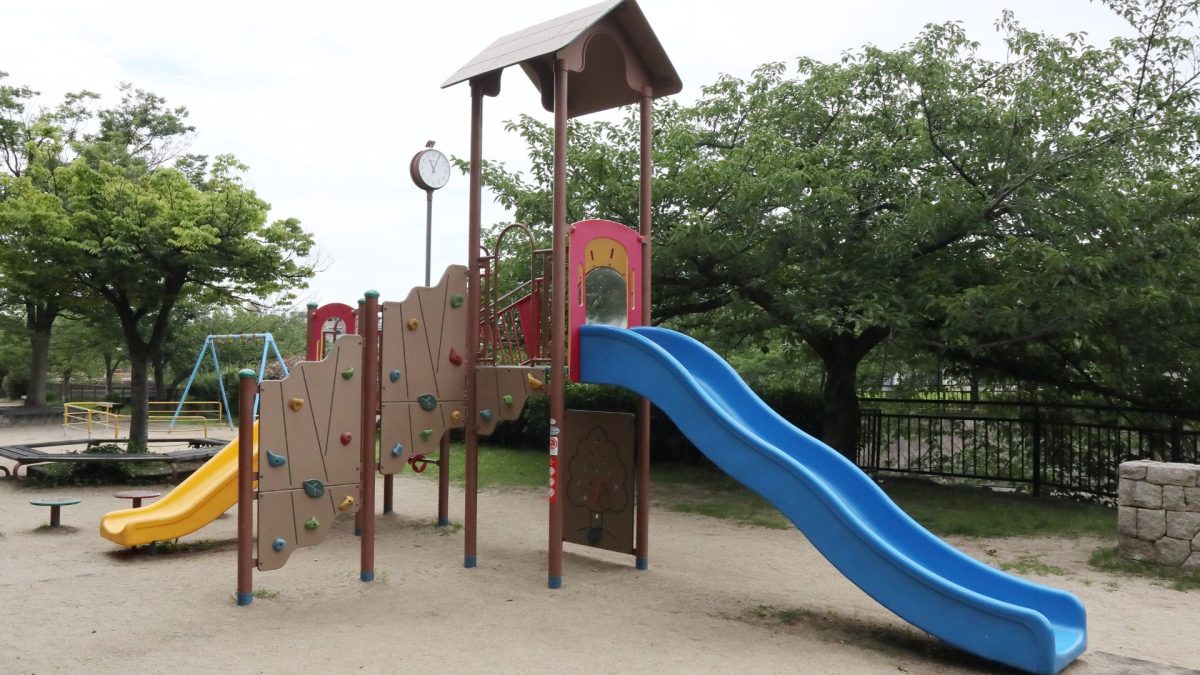
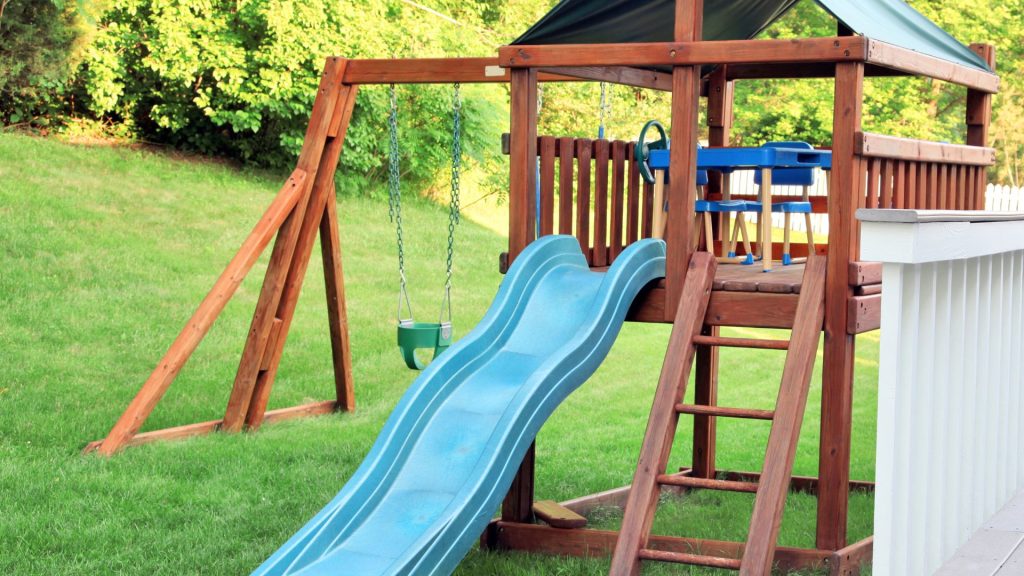
Taking down an old playset might sound simple at first glance, but once you start, the scale of the task becomes clear. Playsets are often built to withstand years of energetic play, meaning they’re anchored deep, bolted tight, and crafted from durable materials like pressure-treated wood, metal, or thick plastic. Before dismantling, it’s essential to assess every part of the structure. Look for corrosion, worn bolts, or rotted boards. These not only make the job trickier but can also create safety risks during the process. Taking photos and making notes can help you plan your removal in stages, reducing surprises later.

Another factor to consider is accessibility. A playset often occupies the backyard, an area with limited vehicle access. You’ll need to decide where debris will go once dismantled and how to transport it out safely. If you’re in a residential area, this may mean multiple trips through narrow gates or pathways. Proper planning prevents backtracking and wasted effort. With the right tools—wrenches, pry bars, drills, and perhaps a reciprocating saw—you’ll be ready to begin efficiently. Understanding the scope helps ensure safety, keeps your workflow organized, and saves unnecessary stress once demolition begins.

Preparing the Area Before the Removal Process

Before jumping into physical removal, it’s wise to spend time preparing the workspace. Clear out toys, garden furniture, or plants near the playset. Anything within a few feet of the structure should be moved to create safe movement around the site. This not only prevents accidental damage but gives you room to maneuver large pieces once you begin taking the playset apart. It’s a simple step but one that can significantly reduce frustration mid-project.

Next comes inspecting the ground beneath the playset. Many are installed over mulch, grass, or rubber padding. You’ll need to evaluate how to manage this once the structure is gone. If mulch or padding is still in decent condition, you can repurpose it for garden use. If it’s worn or decomposing, disposal might be necessary. Another overlooked factor is checking for underground anchors or cemented posts. These can be tougher to remove and may require heavier tools or professional help. Preparing ahead of time ensures you won’t get stuck mid-way, staring at a stubborn post embedded in concrete.

Choosing Between DIY and Professional Playset Removal

When considering playset removal, one of the biggest decisions is whether to handle it yourself or call in professionals. DIY removal can seem appealing—especially for those who enjoy hands-on projects. However, there’s more to consider than just time and tools. Some playsets are bolted together with dozens of steel fasteners or built with treated lumber that’s heavier than it appears. Without proper safety gear and equipment, the task can become risky.

Professional removal services, on the other hand, offer expertise and efficiency. They come equipped with the tools needed to disassemble, haul, and dispose of every component safely. What might take a homeowner several days can often be completed in a fraction of the time. Professionals also understand local regulations for disposing of treated wood or metal components, ensuring everything is handled responsibly. While DIY can be satisfying, sometimes hiring experienced help is the more practical—and safer—choice.

The Importance of Safety During Playset Dismantling

Safety isn’t just a priority during playset removal—it’s the foundation. Before beginning, inspect every bolt and beam. Many old playsets have sharp edges, rusted hardware, or wood splinters that can cause injury. Wearing gloves, goggles, and long sleeves is a must. You’ll also want to make sure that kids and pets stay well away from the area. It might seem harmless, but one falling board can do significant damage if someone is standing nearby.

When dismantling, work from the top down. Taking off roofs or swings first helps reduce the risk of collapse. Heavy parts like slides or monkey bars should be detached with care, preferably with an extra pair of hands. If you’re using power tools, always double-check cords and outlets before plugging in. A calm, steady pace helps prevent accidents. Rushing is the easiest way to make mistakes. Think of safety not as a hindrance but as an investment in finishing the project without harm.

Handling and Sorting Playset Materials for Disposal

Once you’ve disassembled the playset, you’ll find yourself surrounded by piles of materials—wood, metal, plastic, and sometimes even fabric parts. It’s tempting to toss everything together, but sorting them properly can make a big difference in how easily you can dispose of or recycle them. Separate the materials first. Metal parts, for instance, can often be recycled at a scrap yard, while wood pieces may need to go through specific disposal channels depending on whether they were pressure-treated.

Plastic slides and accessories are often recyclable too, though this depends on your local recycling rules. Hardware such as bolts or nails should be placed in containers to avoid puncturing trash bags or causing injury. For wood that’s still in decent shape, consider repurposing it for small garden projects or outdoor décor. Responsible material handling helps reduce waste and environmental impact. It’s one of those small actions that adds up to a cleaner community and a smoother removal process overall.

Environmental Considerations in Playset Disposal

Playsets may seem like just another backyard structure, but the way they’re disposed of can have a real impact on the environment. Many older sets are built from pressure-treated wood, which contains chemicals designed to resist decay. While effective for durability, these compounds shouldn’t end up in landfills without proper handling. Disposing of them responsibly prevents harmful substances from leaching into the soil or groundwater.

Metal and plastic components are typically easier to recycle, but not all recycling centers accept large or bulky items. Calling ahead before hauling materials away saves unnecessary trips. Some communities even have designated drop-off sites for playground or construction debris. By sorting carefully and following eco-friendly disposal practices, you turn what could have been waste into potential reuse. Small efforts like this help preserve the environment while maintaining the spirit of sustainability within your home improvement plans.

Efficient Techniques for Disassembling a Playset

The key to efficient disassembly lies in strategy. Start with the accessories—slides, swings, and ladders—before moving on to the main frame. This reduces weight and stabilizes the structure as you work. A cordless drill can make quick work of screws and bolts, but patience matters more than speed. Trying to force pieces apart too quickly can lead to splintered wood or bent hardware, making disposal harder later.

Labeling parts as you remove them can also help if you plan to reuse certain pieces elsewhere. Keep a tarp nearby for stacking smaller components to prevent clutter. When cutting metal or removing anchored posts, it’s often easier to work in sections. If parts of the playset are cemented into the ground, use a reciprocating saw or enlist help for lifting. Breaking down a large playset efficiently is all about pacing—slow enough to stay safe, fast enough to keep momentum.

Cleaning Up After Playset Removal

Once the last piece of wood or metal is gone, the cleanup begins. The removal process often leaves behind scattered screws, bolts, splinters, and bits of rubber mulch. Begin by sweeping or raking the area thoroughly. Magnets can help collect any stray nails or screws hidden in the grass. After clearing debris, check for any uneven spots in the ground where posts or anchors were removed. These can be filled with soil and leveled for safety.

If your plan is to repurpose the area for a garden, patio, or new installation, preparing the soil is the next step. Remove any leftover mulch or plastic sheeting that might interfere with planting or paving. A fresh layer of topsoil can help restore the area’s appearance and encourage grass regrowth. The cleanup isn’t just about aesthetics—it ensures your yard remains safe and usable for whatever comes next.

Timing Your Playset Removal for Best Results

Timing plays a surprisingly big role in the success of your playset removal. The best time is typically during mild weather—spring or early fall—when temperatures are comfortable and the ground isn’t too wet or frozen. Working in extreme conditions can be both uncomfortable and unsafe, especially if you’re dealing with heavy or slippery materials. Scheduling during dry weather helps ensure that tools and materials stay manageable throughout the process.

Another timing consideration is coordination with local waste collection schedules. If your municipality has specific pickup days for bulk items or recyclables, plan your removal accordingly. This helps prevent having piles of debris sitting in your yard for days or weeks. By aligning your timing with weather and waste collection schedules, the project flows more smoothly from start to finish.

Repurposing Old Playset Materials Creatively

One person’s discarded playset can become another’s creative project. Before hauling everything away, consider what parts might still have life in them. Wooden beams can transform into raised garden beds or rustic benches. Slides can double as makeshift ramps for yard storage spaces, while metal bars can be repurposed for trellises or simple outdoor décor.

Even small pieces can be upcycled with a little imagination. The swing chains, for instance, can be used for hanging planters or DIY hammocks. If you have kids, involve them in turning old playset parts into new outdoor art or birdhouses. Repurposing materials not only reduces waste but adds personality to your space. It’s a creative way to celebrate what once was a source of joy and turn it into something new and meaningful.

Conclusion

Tearing down a playset is more than just a cleanup task—it’s about reclaiming space while ensuring every step is safe, efficient, and environmentally responsible. Whether you decide to handle it on your own or call in a professional, thoughtful planning makes all the difference. Organizing materials, maintaining safety, and following proper disposal practices turn what could be a chaotic project into a smooth, satisfying one.

For homeowners in Palatine, IL, who need dependable Junk Removal, 24-7 Junk Removal offers expert service with care and efficiency. They handle everything from disassembly to cleanup, saving you time and effort. Located at 611 W. Wise Schaumburg, IL 60193, their team is ready to assist with playset removal and other hauling needs. For inquiries, reach them at (773) 309-6966 or email support@24-7junk.com. When it comes to creating a clutter-free yard, they make the process simple, safe, and stress-free.

Categories
Playset Removal

How to Maximize Efficiency During Playset Removal

Before beginning the removal of a playset, taking the time to assess the space ensures the process flows without unnecessary interruptions. Clearing the surrounding yard of obstacles, toys, or garden equipment creates a safe environment that allows each step to be executed smoothly. An organized space also minimizes the risk of tripping hazards, making the dismantling not only more efficient but safer for everyone involved. Considering the layout of the playset in relation to nearby structures, fences, or landscaping allows you to plan the direction of each component’s removal. When space is used strategically, it reduces the need to repeatedly move heavy parts across the yard, saving both energy and time.

Having the proper tools on hand before starting prevents delays and helps in tackling the dismantling systematically. Wrenches, screwdrivers, hammers, and saws should be arranged in a way that is easily accessible during each stage of the removal. If the playset is secured with bolts and screws, grouping them by type in containers prevents mix-ups, allowing for a seamless reassembly or disposal. Assessing the structure for any worn or fragile materials prior to dismantling also prevents accidents or broken components during the process. Planning each step thoughtfully in advance ensures that efficiency is maximized, setting the stage for a smooth and organized removal from start to finish.

Understanding the Structure of the Playset

Gaining a clear understanding of the playset’s construction is essential before attempting to take it apart. Each playset is designed differently, featuring varied connections, joints, and support systems that dictate how pieces can be separated without causing damage. By studying the layout, including the types of fasteners used and how beams are interconnected, you reduce the chance of unexpected difficulties. Knowing which components can be safely disassembled first helps maintain balance and prevents sections from collapsing unexpectedly. Visualizing the sequence of removal in advance allows the task to proceed logically and efficiently, cutting down on wasted effort.

Assessing whether the structure is anchored into the ground or free-standing informs the method and tools needed for removal. Grounded posts may require digging or loosening soil before being lifted out, while free-standing frames can often be disassembled piece by piece. Identifying load-bearing parts versus decorative features ensures that the proper steps are taken to maintain safety during the process. A comprehensive understanding of the playset structure saves time by preventing trial-and-error approaches. Recognizing weak points or areas of potential resistance before starting allows for careful planning and streamlined execution, making the overall removal faster and safer.

Sorting Materials for Efficient Disposal

Effective disposal begins with sorting the materials as playset pieces are removed. Wood, metal, plastic, and hardware components each have unique handling requirements, so separating them as you work avoids confusion later. This approach simplifies recycling efforts, ensuring that materials are reused when possible and disposed of according to local regulations. Sorting also allows you to identify which components may be salvageable for future projects or donations. By dividing the parts into categories from the start, you eliminate extra handling steps, keeping the process flowing smoothly.

Separating materials also reduces hazards by preventing sharp metal pieces or splintered wood from being mixed with other debris. It allows for more organized transportation to dumpsters or recycling centers, avoiding unnecessary trips and conserving labor. Each pile can be labeled or marked to keep track of its destination, improving coordination with any additional workers or professional removal services. Taking the time to sort materials during dismantling enhances overall efficiency and maintains a structured workflow, preventing last-minute confusion or delays in the final cleanup phase.

Using the Right Tools for Speed

The tools you choose greatly impact the speed and ease of removing a playset. A toolkit stocked with essentials such as power drills, wrenches, and saws allows each component to be addressed efficiently. Hand tools are ideal for precision work, while power tools handle larger, stubborn bolts and screws with minimal effort. Using the appropriate tool for each task minimizes the risk of stripping fasteners or damaging parts unnecessarily, which would otherwise slow down the process.

Organizing your tools to be within arm’s reach while working enhances workflow and reduces downtime. Consider using tool belts or portable toolboxes to move easily between sections of the playset. Regular maintenance of tools, such as sharpening blades or checking battery levels, ensures they perform optimally. Efficient tool usage saves energy, reduces frustration, and accelerates the overall dismantling timeline. When combined with proper planning, the right tools make playset removal not only faster but also safer for everyone involved.

Disassembling in Logical Order

Removing a playset is more efficient when components are disassembled in a carefully considered sequence. Starting with non-load-bearing pieces such as slides, ladders, or swings prevents structural imbalances that could create hazards. Gradually moving toward larger, load-bearing sections ensures stability during removal, reducing the risk of unexpected collapses. Following a logical order also allows you to anticipate which pieces can be handled alone and which require multiple people.

Breaking down the playset methodically keeps the process smooth and avoids repeated adjustments or repositioning. If certain parts are disassembled out of order, it may be necessary to reassemble or stabilize sections temporarily, wasting time and effort. By prioritizing pieces based on size, weight, and structural role, each step becomes predictable and manageable. A systematic approach ensures that each segment can be removed efficiently without compromising safety or causing delays, streamlining the entire removal process from start to finish.

Managing Heavy Components Safely

Large beams and structural posts often present the biggest challenge during playset removal. Handling these heavy components safely requires planning and teamwork to avoid injury and property damage. Using lifting straps, dollies, or other equipment reduces strain on the body while keeping the parts controlled. Assigning specific roles during lifting and maneuvering ensures that everyone knows their responsibilities, creating a coordinated effort that moves quickly and safely.

Breaking down heavier pieces into smaller, manageable sections before removal can further enhance efficiency. If a large beam can be separated into shorter lengths, it becomes easier to transport, reducing the need for multiple trips or extra personnel. Planning the path of removal in advance ensures there is enough clearance to navigate each piece out of the yard without obstruction. By combining proper lifting techniques, tools, and teamwork, handling heavy components becomes a seamless part of the overall removal process.

Protecting the Surrounding Landscape

Efficiency in playset removal is not just about speed but also preserving the surrounding area. Lawns, flowerbeds, and nearby structures can be easily damaged if pieces are dragged or dropped carelessly. Laying down protective mats or tarps in high-traffic areas prevents gouges in the soil and scratches on patios or decks. Protecting the landscape allows you to maintain a neat work environment, minimizing the need for post-removal repairs or cleanup.

Mindful movement of materials is especially important when navigating tight corners or slopes. Planning the route for each piece in advance ensures that the path is clear, preventing accidents and preserving fragile elements of the yard. This approach reduces the likelihood of delays caused by having to fix accidental damage, allowing the removal process to remain fluid. Incorporating landscape protection into the workflow ultimately balances efficiency with care, creating a smoother and safer project.

Minimizing Waste Through Recycling

Sorting and recycling components of the playset reduces landfill contributions while promoting environmental responsibility. Wood can be repurposed for outdoor projects, metal frames can be melted down, and plastic parts may be reused in creative ways. Identifying recyclable elements early allows you to plan their transport separately, keeping the workflow organized and efficient. Minimizing waste also helps reduce disposal costs, making the project more economical.

Recycling also aligns with broader sustainability goals by keeping usable materials out of landfills. Labeling and storing items designated for recycling ensures that nothing is accidentally discarded. Incorporating recycling into the removal process helps maintain focus and structure, avoiding unnecessary sorting at the final disposal stage. A conscious approach to waste management enhances efficiency while contributing positively to environmental stewardship, ensuring the process is responsible as well as streamlined.

Coordinating with Team Members

When playset removal involves multiple people, clear communication is essential for efficiency. Establishing a plan for each stage, assigning roles, and signaling actions reduces confusion and prevents accidents. Each team member should understand the sequence of removal and the priority of certain components, enabling synchronized efforts that move the project along quickly. Coordination also helps in handling heavy or awkward pieces that require more than one person.

Regular check-ins during the dismantling process help address any unexpected challenges without slowing progress. Adjusting roles or strategies in response to obstacles keeps momentum high and prevents unnecessary delays. Maintaining a cooperative environment ensures that each step is executed safely and efficiently. Proper coordination transforms a complex task into a streamlined operation, maximizing speed without sacrificing safety or precision.

Planning for Final Cleanup

The final cleanup stage determines how polished and efficient the entire removal process appears. Collecting debris immediately after each segment of dismantling prevents clutter from accumulating, which can slow down progress and create hazards. Having a designated area for temporary storage or transport ensures that materials are moved systematically and efficiently to their final disposal destination.

Preparing for cleanup also includes checking for small hardware pieces, nails, or screws left behind. Keeping track of these ensures safety and prevents them from becoming a problem for future yard use. A well-planned cleanup procedure reinforces the efficiency of the removal process, allowing the site to return to a functional state quickly. Incorporating cleanup into the workflow from the beginning avoids unnecessary delays at the end, ensuring the entire project is completed with speed and organization.

Conclusion

Maximizing efficiency during playset removal requires a combination of preparation, planning, and careful execution. Clearing the surrounding area, understanding the structure, using the right tools, and coordinating team efforts all contribute to a streamlined process that saves time and prevents accidents. By approaching each step thoughtfully and systematically, homeowners can minimize frustration and maintain control over a task that might otherwise seem daunting. Efficient removal not only protects the yard and playset components but also ensures that disposal is handled in an organized, responsible way.

For residents in Palatine, IL, 24-7 Junk Removal provides expert assistance for those seeking professional help with playset removal. Their team can handle every stage of the project, offering safe and efficient junk removal services. Whether managing heavy beams, sorting materials for recycling, or coordinating the final cleanup, they provide comprehensive support to ensure the job is completed quickly and effectively. Contact 24-7 Junk Removal at (773) 309-6966 to schedule service or discuss your removal needs, and experience how professional organization can transform a challenging task into a smooth and stress-free process.

Categories
Playset Removal

Safe Practices for Playset Removal

Removing a playset is more than just dismantling wood and metal; it’s a task that requires careful consideration, preparation, and safety awareness. Many playsets are built to last and are firmly anchored into the ground, which means haphazard attempts at removal can lead to accidents or damage to surrounding areas. Before starting, it’s crucial to survey the area for hazards such as uneven ground, hidden roots, or nearby structures that could be affected during the removal process. Safety should always be prioritized, including wearing protective gear such as gloves, helmets, and durable shoes to prevent injuries from splinters, falling parts, or tools slipping. Evaluating the weight and structure of each component helps determine whether extra manpower or mechanical assistance will be necessary.

Planning the disassembly sequence is another critical step. Removing the smallest and least stable pieces first reduces the risk of sudden collapses. Components like swings, slides, and climbing ropes require special attention because of their connections and potential to swing or fall unexpectedly. Identifying the materials in the playset, including wood types, metal parts, and plastic attachments, can inform the safest removal techniques. By taking the time to prepare and understand the intricacies of the playset, the process becomes far safer, more efficient, and less stressful. Proper planning also minimizes environmental impact and ensures that debris is handled responsibly.

Preparing the Work Area for Safe Removal

Creating a safe work environment begins with clearing the area around the playset. This includes removing lawn furniture, toys, garden tools, or any other obstacles that could trip workers or hinder movement. Ensuring there is ample space for maneuvering large parts is critical, especially when dismantling tall or heavy components. Marking boundaries for the removal zone can prevent accidental intrusion by pets or children, significantly reducing the likelihood of injuries. Additionally, inspecting the soil for soft spots or hidden hazards like rocks or irrigation lines is essential before applying force to anchor points or lifting sections of the structure.

Another consideration is accessibility for transporting debris once the playset has been dismantled. Setting up a clear path to a truck or collection area prevents backtracking and reduces the risk of dropping materials on uneven surfaces. Safety signage, cones, or temporary barriers can enhance visibility, alerting anyone nearby to exercise caution. Maintaining organization throughout the removal process allows each piece to be handled in a controlled manner, preventing accidental falls and collisions. By establishing a clean, hazard-free work area, the task of playset removal becomes more predictable, reducing risks and allowing for smoother workflow.

Using the Right Tools for the Job

Selecting appropriate tools is vital for both efficiency and safety during playset removal. Standard hand tools such as hammers, screwdrivers, and wrenches are essential, but specialized equipment like pry bars, ratchets, or cordless drills can make the process faster and less strenuous. Using the wrong tool often leads to slips, stripped screws, or broken parts, creating potential hazards. Each tool should be inspected for functionality and condition before use to ensure reliability during the operation. Proper tool selection also minimizes the risk of personal injury and damage to materials, which is particularly important if parts of the playset are being salvaged or recycled.

Safety extends to the handling of heavy components as well. Lifting straps or dollies can help manage larger pieces, reducing strain on the body and preventing sudden shifts that could cause falls. Keeping tools organized and within reach also prevents unnecessary movements that can lead to accidents. Additionally, protective gear such as goggles, dust masks, and work gloves is essential when cutting, prying, or hammering, as debris and splinters are common during disassembly. Ensuring all equipment is used correctly and efficiently enhances safety, preserves the integrity of the materials, and reduces the overall time spent on the removal project.

Dismantling Structures with Care

The process of dismantling a playset should be methodical and deliberate. Each part should be addressed individually, starting with removable accessories like swings, slides, and ropes, before tackling larger support beams. Removing hardware systematically and storing it safely prevents accidents caused by sharp objects or loose pieces. Taking care to disassemble the structure in the correct order maintains stability and avoids unexpected collapses. This attention to sequence is especially important for older playsets, which may have weakened joints or rusted fasteners that can fail under pressure.

Attention to detail during dismantling is critical, as even minor oversights can result in injury. Inspecting each joint and connection before applying force helps identify potential problem areas, such as stripped screws or damaged bolts. In some cases, lubricating stubborn fasteners can prevent snapping or sudden movements. Teamwork is often necessary for lifting large components, and communication ensures that everyone is aware of movement and timing. Methodical dismantling not only protects those involved but also preserves reusable components, reduces material waste, and simplifies debris management once the playset has been removed from the site.

Handling Heavy and Awkward Components

Playsets often include sizable beams, slides, and climbing structures that are awkward to maneuver. Attempting to lift these pieces alone can result in strained muscles, lost balance, or dropped components. Proper lifting techniques, such as bending at the knees and keeping the back straight, are essential to prevent injuries. Whenever possible, enlist additional help to share the weight and maintain stability while moving large sections. Using equipment like dollies or straps can further reduce physical strain and allow for more controlled placement of heavy materials.

Balancing and transporting oversized parts requires spatial awareness and careful planning. Identify pathways that allow for smooth movement without obstacles or tight turns. Breaking larger pieces into smaller sections when feasible makes handling easier and safer. Communication among team members during lifting and moving ensures that everyone is synchronized and prepared for sudden shifts in weight. By respecting the weight and complexity of each component, injuries are minimized, and the playset can be dismantled efficiently. Adequate preparation for heavy lifting is one of the most critical aspects of safe playset removal.

Managing Hardware and Fasteners

Hardware such as screws, bolts, and nails may seem small, but they can pose significant hazards if handled carelessly. Organizing and storing fasteners in labeled containers during disassembly prevents accidental punctures, trips, or loss of critical pieces. Keeping a record of which hardware belongs to which section of the playset can also assist with potential reuse or recycling. Failing to manage fasteners properly often leads to cluttered workspaces, increasing the chance of accidents and slowing down the removal process.

Inspecting fasteners for damage is equally important. Rusted or stripped screws can be unpredictable and may break during removal, posing a risk to hands or eyes. Using the correct driver or wrench ensures better control and reduces the likelihood of slipping. Safe handling includes keeping sharp objects away from body contact and ensuring that they are not left on the ground where they could injure others. Proper hardware management safeguards the workers and maintains organization throughout the dismantling process, contributing to a safer and more efficient playset removal experience.

Disposal and Recycling of Materials

Once the playset has been dismantled, attention must turn to proper disposal and recycling. Playsets are often composed of wood, metal, and plastic, each of which requires different handling. Separating materials at the source makes recycling or donation easier and reduces the burden on landfills. Wood can often be repurposed for other projects, while metal parts are valuable for scrap recycling. Plastic components, such as slides and swings, can sometimes be recycled depending on local regulations.

Transporting debris safely is just as important as proper disposal. Large or sharp objects should be secured in containers or wrapped to prevent injury during transport. Avoid overloading vehicles, as this can cause accidents or damage to surrounding property. Adhering to local guidelines for material disposal ensures compliance with environmental regulations and reduces the ecological impact of the removal. Thoughtful handling of dismantled materials demonstrates responsibility and minimizes hazards associated with leftover debris, completing the removal process in a safe and sustainable manner.

Dealing with Uneven Ground and Anchors

Playsets are often secured in ground that is uneven, sandy, or partially landscaped. Removing anchors, such as concrete footings or buried metal rods, requires special care to prevent sudden releases that can cause injury. Digging around the base carefully and using leverage tools like pry bars allows for controlled removal of anchors without damaging the surrounding area. Soil stability should always be considered, especially on slopes or soft ground, to avoid slips or collapses.

Working with stubborn anchors can be physically demanding, making patience and technique essential. Applying force gradually rather than abruptly reduces the risk of uncontrolled movements. For concrete or deeply embedded posts, cutting tools may be required, and protective equipment such as gloves and goggles becomes even more important. Properly handling anchors not only ensures safety during the removal process but also maintains the integrity of the yard for future landscaping or play structures. Taking the time to address these challenges carefully prevents accidents and supports long-term site maintenance.

Prioritizing Personal Safety During Removal

Personal safety is paramount when dismantling a playset. Protective clothing, sturdy shoes, and gloves are the minimum requirements to reduce the risk of cuts, splinters, or other injuries. Eye protection is recommended, especially when cutting, hammering, or prying parts. Headgear may be necessary if components are overhead or if working under elevated structures. Establishing clear communication among all workers prevents accidental movements that could result in injury or damage.

Mental preparedness and focus are equally important. Rushing or attempting to multitask increases the likelihood of mistakes and accidents. Breaks should be taken regularly to prevent fatigue, as tired workers are more prone to errors. By respecting both physical and mental safety, the playset removal process becomes a controlled, predictable, and secure operation. Following these precautions ensures that every step is executed with care, reducing the risk of injury and promoting a safer work environment for everyone involved.

Planning for Future Site Use

Once a playset has been safely removed, consideration should be given to the future use of the cleared area. Uneven surfaces, leftover anchor holes, or residual debris can interfere with landscaping or construction plans. Filling holes, leveling the ground, and clearing all remaining materials prepares the site for new installations or general yard use. Ensuring a clean and safe space prevents accidents for children, pets, or visitors after the removal process.

Evaluating the site also offers an opportunity to improve safety and functionality. Areas that previously supported heavy structures may require soil reinforcement or drainage improvements. Installing new play equipment or landscaping features is easier when the ground is prepped and free from hazards. By planning for the next steps and addressing potential risks, the site transitions smoothly from a dismantled play area to a safe, functional, and visually appealing space for future activities.

Conclusion

Removing a playset is a complex task that requires planning, patience, and attention to safety. From preparing the area to dismantling structures, managing hardware, and handling heavy components, each step demands care and proper technique. Taking the time to follow safe practices not only prevents injuries but also protects the yard and surrounding property. Thorough planning ensures efficiency, reduces stress, and allows for responsible handling of materials, including recycling and disposal.

For professional assistance with playset removal and related tasks, 24-7 Junk Removal in Palatine, IL provides expert services tailored to ensure safety and convenience. Their team is equipped to manage the entire process, from dismantling to debris removal, using safe and efficient methods. Contact them at (773) 309-6966 for junk removal services and support. Their location at 611 W. Wise Schaumburg, IL 60193 makes it convenient for residents in the area, and inquiries can also be directed to support@24-7junk.com for detailed information. Relying on experienced professionals simplifies the process, giving peace of mind that the work is handled safely and responsibly.

Categories
Playset Removal

The Dos and Don’ts of Playset Removal

Before taking any action, carefully examine the playset’s condition. Look for signs of rot, rust, or structural instability that could pose safety hazards during removal. Understanding the materials and construction will help you plan the safest method for disassembly. Wooden playsets often require different handling than metal or plastic, so knowing the exact composition is essential. Additionally, identifying the location of bolts, screws, and anchors can save time and prevent damage to your property.

Ignoring early warning signs or rushing into removal can lead to unnecessary injuries or complications. Evaluating the surrounding area is equally important; check for overhead power lines, uneven ground, or nearby obstacles that could interfere with the process. A comprehensive assessment sets the stage for a controlled and efficient removal, minimizing risks to both individuals and property. Taking these steps ensures that your playset removal project begins with a clear understanding of potential challenges and the safest path forward.

Clear the Area Around the Playset

Preparing the surrounding space is crucial before dismantling a playset. Remove any obstacles, toys, or debris to create a safe working zone. Clearing the area prevents tripping hazards and allows for easy maneuvering of large sections during disassembly. It’s also wise to notify family members or neighbors about the work to avoid accidental interruptions or injuries. Creating a designated area for parts and hardware keeps everything organized and reduces the likelihood of losing components.

Attention to detail in this preparatory stage saves time and effort later. Consider placing protective coverings over landscaping, such as grass or mulch, to prevent damage from tools or falling pieces. Planning the layout of disassembled parts can also streamline disposal or transport. By thoughtfully preparing the area, you create a safer and more efficient environment that supports a smooth removal process from start to finish.

Gather the Right Tools and Equipment

Having the proper tools on hand is essential for a safe and efficient playset removal. Wrenches, screwdrivers, drills, and saws may all be necessary depending on the playset’s construction. For larger or anchored playsets, consider equipment for lifting heavy sections safely. Using the correct tools reduces the risk of injury and ensures components are dismantled properly without causing unnecessary damage.

Safety gear is equally important. Gloves, protective eyewear, and sturdy footwear protect against splinters, falling hardware, or unexpected accidents. For certain types of playsets, additional supports or straps may be required to stabilize large pieces during removal. Ensuring that all tools and equipment are ready before starting prevents interruptions, keeps the workflow smooth, and helps maintain a controlled environment during dismantling.

Dismantle the Playset Methodically

Begin by removing smaller, detachable components such as swings, slides, or climbing ropes. This step-by-step approach reduces the risk of parts collapsing unexpectedly. Once the minor elements are out of the way, move to the larger structural components, loosening bolts and screws systematically. Maintaining a logical sequence avoids confusion and ensures each section can be removed safely.

Keep track of hardware by collecting bolts, nuts, and screws in labeled containers. This organization not only simplifies disposal but also aids in any potential future reuse of materials. Working methodically minimizes mistakes and creates a safer removal environment. By prioritizing order and careful handling, you can dismantle the playset efficiently while protecting both yourself and surrounding property.

Protect the Surrounding Landscape

Playset removal can be tough on your yard, so taking steps to protect landscaping is vital. Lay down tarps or plywood sheets under areas where heavy pieces will be set down. This precaution prevents gouges, broken branches, and other damage to grass or garden beds. Protecting nearby plants and structures ensures that your outdoor space remains intact and visually appealing even after the removal process.

Consider the impact on soil and drainage as well. Heavy components dropped on soft ground can create depressions or compact soil, which may affect future planting. Proper placement of tarps or temporary pathways for maneuvering large pieces mitigates these issues. Thoughtful landscape protection helps maintain the overall aesthetic and functionality of your yard while supporting a smooth and damage-free removal process.

Dispose of Materials Responsibly

After dismantling the playset, proper disposal of materials is essential. Wooden parts, metal components, and plastic sections should be sorted according to local recycling regulations. Salvaging or donating usable parts can reduce waste and support community projects. Being mindful of disposal not only benefits the environment but also simplifies the final cleanup process.

Check for any hazardous materials such as treated wood or sharp metal edges. These require special handling to prevent injuries or environmental contamination. Organizing materials by type and condition makes it easier to arrange pickup, donation, or recycling. Responsible disposal practices ensure your playset removal is environmentally conscious and leaves your property clean and ready for future use.

Consider Hiring Professional Help

While DIY removal is possible, professional assistance can offer significant advantages. Experienced teams have the knowledge, tools, and manpower to dismantle playsets efficiently and safely. They can also handle large or anchored structures that may be difficult for homeowners to manage. Using professional services reduces risk and saves considerable time, especially for complex or older playsets.

Professionals also often include hauling and disposal in their services, relieving you of the burden of transporting heavy parts. Their expertise ensures minimal damage to your property and the surrounding landscape. By opting for trained personnel, you can streamline the removal process, ensure safety, and complete the project with less stress and effort.

Prioritize Safety at Every Step

Safety should never be compromised during playset removal. Maintain clear communication among all individuals involved, and use proper lifting techniques to avoid strain or injury. Wearing protective clothing and ensuring tools are handled correctly reduces the chance of accidents. Awareness of surroundings and potential hazards is crucial throughout the entire process.

Establishing safety protocols, such as using spotters or securing unstable sections, further enhances protection. Taking breaks to prevent fatigue and staying hydrated contributes to maintaining focus and energy. Emphasizing safety at every stage not only prevents injuries but also makes the removal process smoother and more controlled, allowing work to progress efficiently without unexpected setbacks.

Plan for Seasonal Considerations

The timing of playset removal can affect both safety and ease of work. Avoid wet or icy conditions that make surfaces slippery and increase the risk of accidents. Similarly, extreme heat can lead to fatigue, making manual labor more hazardous. Planning removal during mild weather with stable ground conditions facilitates safer handling and reduces stress on equipment and individuals.

Consider seasonal landscaping factors as well. Soil conditions, plant growth, and nearby vegetation may influence the best approach for removal. By aligning your playset dismantling with favorable seasonal conditions, you enhance safety, efficiency, and the likelihood of a clean, damage-free removal process.

Keep an Eye on Future Projects

Think beyond removal and consider how the cleared space will be used in the future. Planning ahead ensures the area is prepared for landscaping, new installations, or other outdoor projects. Removing a playset presents an opportunity to improve your yard, and taking the time to envision future use maximizes the value of the cleared space.

Evaluate the potential for repurposing salvaged materials or redesigning the yard layout. Strategic planning can transform the removal process into the first step of a larger home improvement project. Maintaining foresight ensures that the area remains functional, safe, and visually appealing, turning the completion of playset removal into a stepping stone for future enhancements.

Conclusion

Removing a playset is a task that benefits from careful planning, attention to detail, and consideration of both safety and environmental responsibility. Each step, from initial assessment to dismantling and disposal, plays a crucial role in ensuring the process is smooth and efficient. By following a methodical approach, homeowners can minimize risk, protect their property, and maintain a clean and organized outdoor space. Implementing best practices also allows for easier future projects and a more enjoyable yard environment.

For professional assistance, 24-7 Junk Removal in Palatine, IL offers expert junk removal services, including playset dismantling and disposal. Their team is equipped to handle all sizes of playsets safely, while ensuring responsible recycling or donation of usable materials. Contact them at (773) 309-6966 to schedule a service. Their location at 611 W. Wise Schaumburg, IL 60193 ensures convenient access for local residents, and inquiries can also be sent via support@24-7junk.com for further information and personalized guidance.