

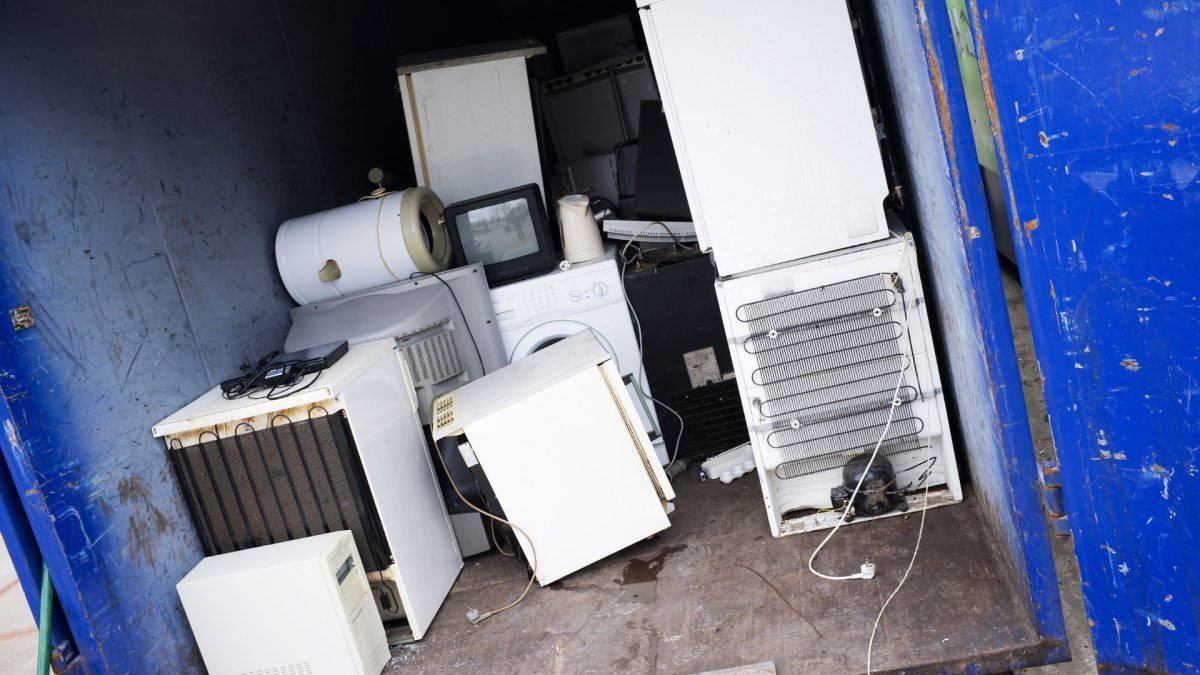
Getting rid of a large appliance like a refrigerator or freezer can feel overwhelming at first. These bulky machines are heavy, awkward to maneuver, and often filled with residual ice, water, or even leftover food. Trying to transport them without proper preparation can result in damage to your floors, walls, or even your own body. Many people underestimate the planning required to safely remove such appliances from their homes, making the process more stressful than it should be. The sheer size and weight of these items make it impractical to rely on standard trash pickup services, and hauling them alone could lead to injury or costly mishaps.
Understanding the logistics before attempting removal can save time and prevent accidents. It’s essential to consider how you will move the appliance, what tools or equipment you might need, and whether professional assistance is necessary. Taking apart doors or disconnecting water and power lines beforehand can make the process smoother. Proper planning reduces frustration, helps you avoid fines for improper disposal, and ensures the appliance is removed in a way that is environmentally responsible. This preparation stage is crucial to making the whole experience manageable, and it allows you to focus on what matters most: safely clearing space in your home without unnecessary hassle.
Preparing Your Refrigerator and Freezer for Removal
Before moving your refrigerator or freezer, preparation is key. Start by emptying all contents, including frozen items, shelves, and drawers. Defrosting your appliance is critical, as water from melting ice can spill and create slippery hazards. The process of defrosting may take several hours, but skipping this step can complicate transportation and cleanup. Ensuring that all doors are securely closed or removed makes handling easier and prevents accidental swings that could damage walls or floors. Removing smaller components like shelves or bins also reduces the appliance’s weight and makes it easier to manage.
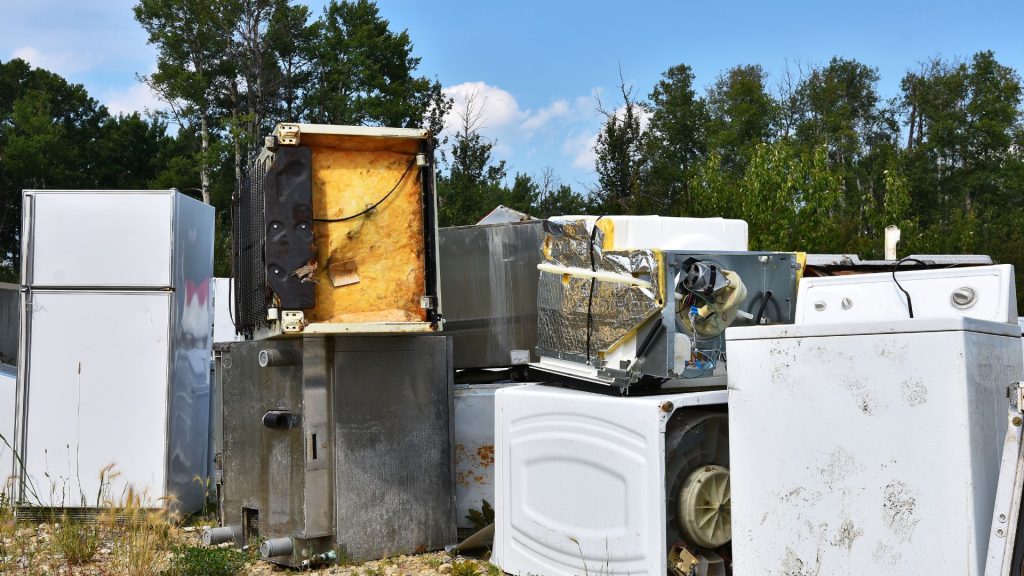
Cleaning the appliance is another essential step. Residual food or spills can create unpleasant odors, attract pests, or cause leaks during transport. Wiping down the interior and exterior surfaces ensures a cleaner removal process. Disconnecting electrical and water connections safely prevents accidents or damage to your home’s plumbing and electrical systems. Properly preparing your appliance not only protects your property but also makes the entire process smoother, faster, and safer. Thoughtful preparation reduces stress and helps ensure the appliance reaches its next destination efficiently, whether it is recycling, donation, or professional disposal.
Evaluating Local Disposal Regulations
Disposing of large appliances is subject to local rules and regulations. Many cities and municipalities require specific permits or scheduling for the removal of refrigerators and freezers, and some impose fines if appliances are discarded improperly. Understanding these regulations helps avoid unnecessary legal trouble and ensures the appliance is handled in an environmentally responsible way. Different regions may have unique rules regarding refrigerants, insulation materials, and recycling protocols that need careful consideration before removal. Ignoring these regulations can result in hefty penalties and could contribute to environmental harm.
It is wise to research your local waste management services or municipal recycling programs before attempting disposal. Some locations offer scheduled bulky item pickups or require drop-off at a designated facility. Others may require professional certification for handling appliances with refrigerants, which is critical for environmental safety. By familiarizing yourself with these rules, you can plan an appropriate disposal strategy that aligns with local laws and sustainability goals. This proactive approach minimizes stress and ensures your old refrigerator or freezer is removed responsibly without risking fines or environmental hazards.
Choosing Between Donation, Recycling, or Disposal
When getting rid of a refrigerator or freezer, several options are available. Donation is a viable choice if the appliance is still in working condition. Local charities, shelters, or resale stores may accept appliances for reuse, extending their life and benefiting someone in need. Recycling is another environmentally friendly option, as it ensures valuable materials like metals and plastics are repurposed rather than sent to landfills. Finally, disposal is sometimes necessary for appliances that are broken beyond repair. Selecting the right path depends on the appliance’s condition, your schedule, and the facilities available in your area.
Considering each option carefully helps ensure the most responsible outcome. Donation programs often have specific requirements, such as operational appliances or recent model years. Recycling centers may charge fees or require drop-off at specific locations. Proper disposal may involve professional services to safely remove refrigerants and dismantle components. Taking time to evaluate these options allows you to make an informed decision, balancing convenience, environmental responsibility, and community support. This approach ensures that your old appliance finds its best next life while minimizing environmental impact.
Hiring Professional Junk Removal Services
Professional junk removal services make getting rid of a refrigerator or freezer significantly easier. Trained teams have the equipment, experience, and knowledge to safely transport and dispose of bulky appliances without damaging your property. They also understand how to manage refrigerants and other components that require special handling, reducing environmental risks. Choosing professional assistance removes the stress of lifting, maneuvering, and disposing of heavy items yourself, saving both time and physical effort.
Beyond physical labor, these services streamline logistics and ensure regulatory compliance. Professionals know where to take appliances for recycling or proper disposal, which avoids costly mistakes. Scheduling is flexible, and some services offer same-day pickup, making the process convenient for busy households. Engaging professionals also prevents injuries and property damage, which could occur if you attempt to manage the appliance alone. Overall, hiring experts is a safe, efficient, and environmentally responsible way to clear space while meeting legal and safety requirements.
Safe Transportation Techniques
Transporting a refrigerator or freezer safely requires careful planning and the right equipment. Large appliances can be top-heavy and difficult to balance, posing a risk of tipping over. Using a sturdy dolly, straps, and protective padding ensures stability and reduces the chance of damage to floors, walls, or the appliance itself. Moving slowly and steadily, with a clear path and assistance from another person, helps prevent accidents and injuries. Attention to corners, stairs, and doorways is crucial to navigate without scratches or dents.
Proper lifting techniques protect both you and the appliance. Bend your knees rather than your back, keep the appliance upright, and avoid sudden movements. Preparing the vehicle or moving area by securing blankets or padding further prevents damage during transit. For appliances that require removal of doors or shelving, handle each component carefully to avoid breakage. Thoughtful preparation for transportation allows the appliance to be moved efficiently and safely, reducing stress and ensuring that the next steps of recycling or disposal proceed smoothly.
Environmental Considerations During Disposal
Refrigerators and freezers contain materials and chemicals that can harm the environment if not disposed of properly. Refrigerants, oils, and insulation materials need careful handling to prevent pollution. Throwing appliances in the trash or leaving them on the curb can lead to ozone depletion and other ecological consequences. Understanding the environmental impact motivates responsible disposal, either through professional services or certified recycling centers that follow strict environmental protocols.
Choosing eco-conscious disposal methods also preserves natural resources. Metals, plastics, and electronic components can be recycled and reused in new products. Even when appliances are no longer operational, extracting valuable materials helps reduce landfill waste. Ensuring refrigerants are properly recovered prevents greenhouse gas emissions and contributes to a cleaner environment. Prioritizing environmentally responsible practices when discarding old appliances benefits both your community and the planet, aligning efficiency with sustainability.
Cost-Effective Disposal Strategies
Finding affordable ways to get rid of an old refrigerator or freezer requires planning. Scheduling pickups with local waste management, donating appliances for tax deductions, or using recycling centers can reduce or eliminate costs. Preparing the appliance properly minimizes potential fees and avoids unnecessary fines from improper disposal. Budget-conscious strategies often include combining appliance removal with other junk removal tasks, saving time and money.
Another way to optimize cost is researching multiple service providers. Comparing rates, services offered, and pickup schedules ensures you select the most economical option without sacrificing safety or compliance. DIY removal can sometimes save money, but risks and hidden costs, such as damage or injuries, may outweigh savings. Strategic planning, combined with responsible preparation, guarantees that disposal is cost-effective, convenient, and compliant with local regulations.
Time-Saving Tips for Quick Removal
Efficient refrigerator and freezer removal saves time when approached strategically. Clearing the surrounding area, emptying and defrosting the appliance, and having transportation ready ensures a smoother process. Preparing necessary tools, like straps, dollies, and padding, in advance reduces delays. Scheduling pickup or professional service at a convenient time further streamlines the removal.
Organizing steps in a logical sequence minimizes interruptions and prevents last-minute complications. Assigning specific tasks or enlisting helpers speeds up the process. Pre-checking doorways, hallways, and vehicle access ensures no surprises during the move. Time-saving strategies reduce frustration, allow quicker clearing of space, and ensure appliances are removed efficiently, making the experience less stressful and more manageable.
Avoiding Common Mistakes During Appliance Removal
Common mistakes in refrigerator or freezer disposal include neglecting defrosting, improper lifting techniques, and ignoring local regulations. Skipping defrosting can result in water damage, while poor lifting methods increase the risk of injury. Not checking local disposal rules can lead to fines or improper handling of hazardous materials. Awareness of these pitfalls is critical to a smooth removal experience.
Preventive measures include careful preparation, securing help for lifting, and researching legal requirements. Using protective equipment and professional tools reduces damage risks. By planning each step and avoiding common errors, the process becomes safer, faster, and more efficient. Attention to detail ensures the appliance is removed responsibly, keeping your home, yourself, and the environment safe.
Conclusion
Efficiently removing an old refrigerator or freezer involves careful planning, preparation, and knowledge of disposal options. By understanding the challenges, preparing appliances properly, and evaluating local regulations, homeowners can ensure a smooth process. Choosing between donation, recycling, or professional disposal allows the appliance to be handled responsibly, reducing environmental impact. Safe transportation, cost-effective strategies, and attention to common mistakes further simplify the removal process while protecting property and preventing injury.
For residents in Palatine, IL, professional assistance from 24-7 Junk Removal ensures reliable and efficient service. Their team provides hassle-free appliance removal, handles all necessary recycling, and adheres to environmental standards. Contact 24-7 Junk Removal at (773) 309-6966 to schedule your refrigerator or freezer pickup. Their expertise in junk removal helps homeowners save time, reduce stress, and dispose of bulky appliances safely, making the experience seamless from start to finish.