Embarking on a kitchen demolition project requires more than just swinging a hammer and pulling out old cabinets. The first step in a successful demolition is a comprehensive assessment of the space and materials involved. Identifying what can be salvaged, reused, or discarded can save both time and money while also reducing environmental impact. Kitchen demolition is not only about removing the visible elements such as countertops and cabinets, but also about uncovering hidden aspects like plumbing, electrical systems, and structural components that may need careful handling. Being aware of these factors ensures that the demolition process does not inadvertently cause damage to the rest of your home or create hazardous situations. Planning every phase, from removing small appliances to tackling flooring and walls, helps to streamline the project.
A critical part of understanding the scope is acknowledging the physical and mental preparation required. Demolition can be physically demanding, and having the right tools and safety equipment is essential. Gloves, protective eyewear, dust masks, and sturdy footwear can prevent accidents and make the process more manageable. Mapping out the project with a step-by-step plan allows for a systematic approach that avoids rushed decisions and unnecessary stress. Taking the time to assess the kitchen layout, materials, and potential challenges provides a foundation that transforms what might seem like a chaotic task into an organized, efficient, and even rewarding experience.
Preparing the Kitchen for Safe Demolition
Before any demolition begins, the kitchen must be thoroughly prepared to ensure safety and efficiency. Disconnecting utilities like electricity, water, and gas lines is paramount. Attempting to remove fixtures or appliances without proper disconnection can lead to dangerous accidents, including electric shocks or water damage. Additionally, clearing out the kitchen of personal items, dishes, and small appliances prevents unnecessary clutter and creates a clean work area. Protective coverings for floors in adjacent rooms or hallways help contain dust and debris, minimizing cleanup afterward. This preparation phase is not only about safety but also about creating an organized environment that allows each demolition step to proceed smoothly.

Another critical aspect of preparation is identifying areas that require professional assistance. Removing a countertop may seem straightforward, but handling heavy stone materials or dismantling cabinetry connected to plumbing or electrical systems may require expertise. Understanding which tasks you can safely manage and which ones necessitate professional help prevents costly mistakes and potential injuries. Furthermore, planning for debris removal ahead of time ensures that the space does not become overcrowded with discarded materials, allowing for continuous work without interruptions. Adequate preparation sets the tone for a demolition process that is both safe and efficient, enabling a smoother transition into the next phase of kitchen renovation.
Tools and Equipment for Efficient Demolition
Having the right tools at your disposal is essential for a kitchen demolition that runs smoothly and efficiently. Basic hand tools such as hammers, pry bars, and screwdrivers are fundamental for removing cabinets, fixtures, and panels. Power tools like drills, reciprocating saws, and circular saws significantly reduce effort and save time when tackling more substantial materials such as hardwood floors or stone countertops. A sturdy ladder or step stool is also important for reaching higher cabinets and light fixtures safely. Equipping yourself with protective gear including gloves, goggles, and dust masks ensures that the demolition process does not compromise your health. The combination of appropriate tools and protective equipment transforms what could be a chaotic experience into a controlled, organized project.
In addition to tools, having proper disposal solutions is critical. Trash bags, heavy-duty bins, and containers for recyclable materials help manage debris as it accumulates. Renting a dumpster or coordinating with a local disposal service allows for continuous workflow without constant trips to the landfill. This level of organization reduces stress and prevents the work area from becoming unsafe or unmanageable. Planning your demolition toolkit with attention to both efficiency and safety not only saves time but also protects your home from accidental damage, ensuring that each step in the demolition process is as productive and controlled as possible.
Removing Cabinets and Countertops Safely
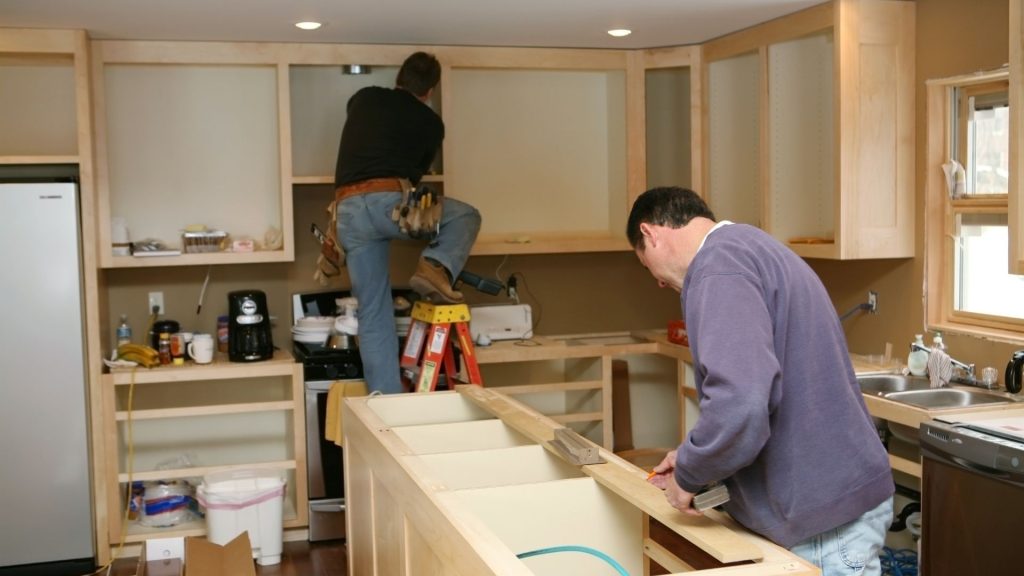
Cabinets and countertops are often the first elements to be removed during kitchen demolition. The process requires both strategy and caution to prevent injuries and damage. Begin by emptying cabinets of any remaining items and removing doors and drawers. Carefully unscrewing or prying the units from walls, while paying attention to how they are attached, prevents structural damage. Countertops, especially those made of granite or marble, are heavy and require careful handling. Lifting with proper technique and, if necessary, enlisting additional help reduces the risk of injury and ensures that surfaces are removed without chipping or cracking. Planning each step carefully allows for a smoother demolition experience.
In addition to the physical removal, consider the potential for repurposing or recycling. Wooden cabinets can be refurbished, while countertops may be suitable for resale or reuse in another project. Identifying these opportunities not only reduces waste but also provides potential cost savings. Safety remains paramount during this stage, as improper handling of heavy or awkward materials can lead to accidents. Using protective padding, proper lifting techniques, and coordinated teamwork allows for a demolition process that is not only safe but also efficient, leaving the kitchen ready for its next phase of renovation without unnecessary setbacks.
Dealing with Flooring and Tiling Challenges
Removing kitchen flooring and tiles presents unique challenges during demolition. Materials like ceramic tiles or hardwood can be difficult to detach from the subfloor and may produce dust and debris that spreads quickly. Starting by clearing the surface and loosening edges with appropriate tools such as a chisel or floor scraper allows for a systematic approach. Working in manageable sections helps maintain control and reduces the risk of injury. Some flooring materials, especially those installed with adhesives, may require specialized removal techniques to avoid damage to the subfloor or surrounding areas. Planning for these challenges in advance ensures that the project proceeds smoothly.
Handling flooring removal also involves careful disposal and recycling considerations. Broken tiles or damaged hardwood should be separated from reusable materials. Ensuring a clean, safe working environment during this stage prevents slips, trips, and falls. Dust management is equally important, as particles from tiles or cement can be harmful if inhaled. Using protective gear, ventilating the space, and employing cleanup strategies allow for efficient and safe flooring demolition. Addressing these challenges thoughtfully reduces stress and accelerates the overall kitchen demolition process, creating a clear canvas for new flooring installations.
Managing Plumbing and Electrical Fixtures
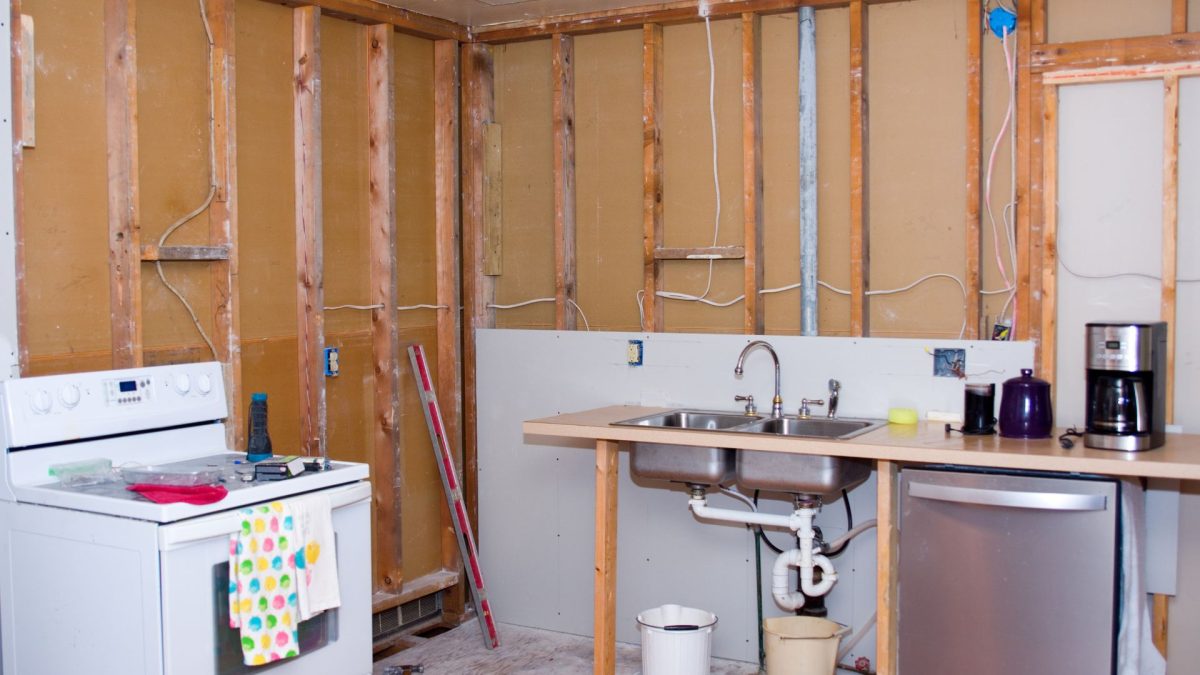
Kitchen demolition often reveals hidden complexities behind walls and under floors, especially involving plumbing and electrical systems. Disconnecting these systems safely is essential to prevent accidents, such as water leaks or electrical shocks. Before demolition begins, identify shut-off valves and circuit breakers, ensuring they are securely turned off. Carefully removing sinks, faucets, and appliances linked to plumbing requires patience and attention to detail. Mishandling pipes or wires can cause costly damage that may delay the renovation process, so prioritizing proper handling and planning is critical.
Electrical fixtures, including outlets, lighting, and appliances, require similar attention. Removing wiring and ensuring circuits are deactivated prevents dangerous incidents. For more complex setups or unfamiliar configurations, consulting a professional can save time and protect safety. Documenting the placement of electrical and plumbing connections before removal helps during the reconstruction phase, ensuring the new kitchen installation aligns seamlessly. Efficiently managing these hidden systems not only ensures safety during demolition but also sets a solid foundation for future renovations, avoiding unforeseen challenges and costly setbacks.
Dust Control and Debris Management
Dust and debris are inevitable during a kitchen demolition, but managing them effectively minimizes disruption and maintains safety. Protective coverings on floors, walls, and furniture in adjoining areas prevent the spread of dust, while using plastic sheeting and temporary barriers can isolate the work zone. Vacuum systems or industrial dust extractors further reduce airborne particles, creating a healthier environment for those involved. Taking the time to plan for dust control prevents excessive cleanup later and reduces the risk of respiratory issues, making the demolition process more efficient and less taxing.
Debris management is equally important, as piles of discarded materials can quickly create unsafe working conditions. Strategically placing bins, bags, or containers for different types of waste ensures smooth workflow and easy disposal. Coordination with local disposal services or renting a dumpster helps maintain momentum by allowing continuous removal without frequent interruptions. Proper debris management not only improves safety but also enhances productivity, allowing the demolition team to focus on the task at hand rather than navigating through clutter. These strategies ensure a controlled, organized environment throughout the kitchen demolition process.
Salvaging and Recycling Materials
Demolition does not have to mean waste. Many kitchen materials can be salvaged or recycled, reducing environmental impact and providing potential cost benefits. Cabinets, hardware, and fixtures may be refurbished or donated, while tiles, wood, and metals can often be recycled. Identifying materials with reuse potential before starting demolition ensures that valuable resources are not discarded unnecessarily. Thoughtful salvage practices reflect responsible planning and allow homeowners to contribute positively to environmental sustainability while preparing their kitchen for renovation.
Recycling materials also simplifies debris disposal and helps maintain a safer working environment. Separating items into categories such as metals, plastics, and wood ensures that each type of material is handled appropriately. Working with recycling centers or local donation programs allows for responsible disposal while supporting the community. By integrating salvage and recycling into the demolition process, homeowners can approach kitchen renovations with a sense of efficiency and responsibility. This not only enhances the project’s organization but also creates opportunities for creative reuse in future home improvements.
Planning for Structural Modifications
Kitchen demolition often uncovers opportunities for structural modifications, such as expanding space or reconfiguring layouts. Careful planning is essential to ensure that any changes maintain the integrity of the home’s structure. Load-bearing walls, support beams, and existing framing must be assessed before removal or alteration. Consulting with professionals ensures that modifications are safe and comply with building codes. Planning these changes in advance prevents costly mistakes and allows for a smoother transition from demolition to construction.
Structural modifications may also involve re-routing plumbing or electrical systems to accommodate a new layout. Thorough documentation of existing configurations aids in planning adjustments and ensures a seamless renovation process. Considering both aesthetic and functional aspects during this stage helps homeowners achieve a design that enhances usability and value. Planning thoughtfully for structural changes allows demolition to become a stepping stone rather than a disruptive process, creating a well-organized foundation for the kitchen transformation that follows.
Hiring Professional Assistance
While some homeowners may attempt DIY kitchen demolition, enlisting professional assistance can significantly improve efficiency, safety, and outcome. Professionals bring experience, specialized tools, and knowledge of local codes to handle complex tasks. From safely removing cabinets and countertops to managing plumbing, electrical, and structural elements, professional teams streamline the process and reduce potential hazards. Their expertise allows for faster completion and minimizes mistakes that could lead to additional costs or delays.
Professional demolition services also provide solutions for debris removal and disposal, ensuring the project stays organized and clean. Partnering with experts reduces the physical strain on homeowners and offers peace of mind that the demolition is conducted safely and efficiently. The value of professional assistance is reflected in the smooth transition from demolition to renovation, where homeowners can focus on design and finishing touches rather than managing heavy, potentially hazardous work. Engaging skilled professionals enhances both the safety and quality of a kitchen transformation.
Conclusion
Kitchen demolition is a multifaceted process that requires careful planning, safety awareness, and strategic execution. From preparing the space and disconnecting utilities to removing cabinets, flooring, and hidden systems, each step plays a crucial role in ensuring a smooth renovation experience. Managing dust, debris, and potential hazards is essential for safety and efficiency, while salvaging and recycling materials contributes to environmental responsibility. Thoughtful planning for structural modifications and understanding when to seek professional assistance enhances the overall process, making the transformation less stressful and more effective.
For those in Palatine, IL seeking professional support with kitchen demolition or general Junk Removal, 24-7 Junk Removal offers reliable services. With experienced teams, proper equipment, and a focus on safety, they help homeowners efficiently remove debris and unwanted materials. To schedule assistance, contact them at (773) 309-6966 or via email at support@24-7junk.com. Their services are designed to streamline the process, making the transition from demolition to renovation as smooth as possible, while ensuring a clean and organized worksite every step of the way. Visit their location at 611 W. Wise Schaumburg, IL 60193 for additional support.