Categories
Furniture Removal

How Furniture Removal Can Improve Your Home’s Appearance

Clearing out old or unused furniture can instantly transform a home’s visual appeal. Crowded rooms often appear smaller and cluttered, no matter how meticulously they are organized. By removing bulky furniture that no longer serves a purpose, homeowners can create open spaces that allow natural light to flow more freely. Light has a remarkable way of enhancing colors, textures, and architectural details, making interiors feel more vibrant and inviting. The absence of oversized or outdated pieces allows eye-catching elements, such as accent walls or stylish flooring, to shine through. This simple adjustment can alter the perception of a room, turning a congested area into a serene and visually appealing environment.

Moreover, reclaiming space fosters a sense of organization and order. When furniture is strategically removed, it becomes easier to arrange remaining pieces in ways that promote functionality and comfort. Freeing up floor space not only allows for easier movement throughout the room but also opens opportunities for adding new decor that complements the home’s aesthetic. Minimalism often enhances visual harmony, and when combined with thoughtful furniture removal, it creates a balance between practicality and elegance. The overall atmosphere of the home improves, giving every corner a chance to breathe, while reducing visual chaos that can drain energy and detract from a room’s design.

Enhancing Natural Light and Openness

Furniture removal significantly impacts how light interacts within a home. Large, outdated, or misaligned furniture can block sunlight, leaving spaces feeling dim and enclosed. By taking out unnecessary items, rooms suddenly become brighter, warmer, and more welcoming. Increased natural light not only enhances the mood but also emphasizes textures and finishes in flooring, walls, and decorative accents. As sunlight spreads, it highlights the flow of the space, making it feel larger and more cohesive. Bright, airy rooms naturally attract attention and create an inviting environment for both residents and guests, giving the home a fresh and invigorated feel.
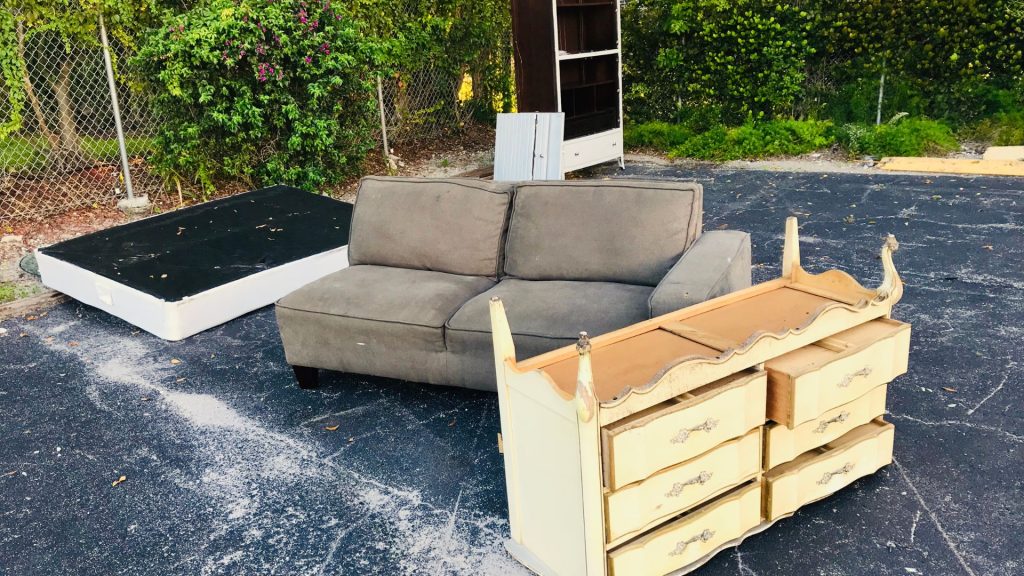
Beyond improving aesthetics, openness contributes to better spatial perception. Rooms free from heavy furniture allow individuals to navigate effortlessly and appreciate architectural details that might otherwise remain unnoticed. This newfound openness invites creativity in interior design, enabling homeowners to experiment with layouts that optimize functionality and comfort. The subtle benefits of removing furniture, like enhanced air circulation and improved visibility, contribute to an overall sense of freshness and vitality. With carefully planned removal, every area of a home can achieve a balance between beauty and practicality, leaving the space feeling more intentional, polished, and enjoyable.

Showcasing Interior Design Elements

Furniture removal can help highlight interior design features that were previously overshadowed. Large sofas, old cabinets, and crowded storage units often draw attention away from intricate details like moldings, wall art, or flooring patterns. By creating a more open layout, these elements can emerge as focal points, enhancing the character of a home. Removing unnecessary furniture also makes it easier to introduce complementary accessories such as rugs, plants, and accent lighting that reinforce the intended style. This process creates a layered, sophisticated environment where each design element can be appreciated individually while contributing to the overall harmony of the space.

A well-curated environment also benefits functional aspects. When rooms are free of redundant furniture, homeowners gain flexibility to reimagine layouts and optimize spaces for both utility and aesthetics. For instance, shifting seating arrangements or adding minimalistic pieces can create cozy nooks without overwhelming the room. By emphasizing existing features and introducing strategic enhancements, the home’s personality is expressed more clearly. This thoughtful approach ensures that the home feels intentional rather than cluttered, offering a more visually pleasing and relaxing environment for everyday life and special gatherings.

Reducing Clutter for Stress-Free Living

Clutter has a direct psychological impact, often causing stress and distraction. Removing furniture that is no longer in use eliminates not only physical obstructions but also mental strain. A decluttered environment supports mental clarity and fosters calmness, making it easier to focus and enjoy daily activities. The visual simplicity gained through furniture removal allows individuals to appreciate the home’s architecture and decor without competing for attention. Minimalistic surroundings also encourage cleaner habits, as fewer objects make it easier to maintain order and tidiness, resulting in a more serene and harmonious living environment.

The benefits extend beyond visual appeal. Simplified spaces enable more efficient cleaning and reduce the time spent navigating around cumbersome items. Rooms feel lighter and more breathable, enhancing comfort and livability. The act of removing furniture also invites a reassessment of priorities, encouraging thoughtful decisions about what to keep and what to discard. This process fosters a sense of accomplishment and intentional living. As the home transforms into a clutter-free sanctuary, inhabitants experience an improvement in both emotional and physical well-being, proving that less truly can be more when it comes to achieving a balanced, welcoming space.

Facilitating Renovations and Updates

Old furniture often stands in the way of renovation or redecorating efforts. By removing pieces that no longer fit or function, homeowners gain unobstructed access to walls, flooring, and ceilings that may need attention. Whether repainting, refinishing, or installing new fixtures, having an open workspace simplifies tasks and accelerates the process. The absence of bulky furniture allows contractors or DIY enthusiasts to move more freely, reducing the risk of damage to existing surfaces and ensuring that updates are executed efficiently. This proactive step is essential for maximizing both safety and effectiveness during home improvement projects.

In addition, furniture removal provides a fresh canvas for creative expression. Once the old pieces are cleared, the room can be assessed more objectively, revealing opportunities for improved flow and innovative design solutions. It encourages experimentation with layouts, textures, and color schemes that might have been previously limited by immovable or oversized items. This flexibility ensures that renovations and updates align with personal taste and modern aesthetics, resulting in spaces that feel cohesive and revitalized. Ultimately, removing furniture before undertaking improvements streamlines the process while amplifying the impact of every design choice.

Improving Room Functionality

Every home has areas that could benefit from improved functionality, and removing the wrong furniture is often the key to unlocking potential. Overfilled spaces can obstruct natural pathways, reduce usable square footage, and limit seating or storage options. By eliminating unnecessary items, rooms become more adaptable for multiple purposes, whether entertaining guests, creating home offices, or establishing exercise areas. The result is a living environment that responds to lifestyle needs rather than imposing restrictions. When the space is liberated, homeowners enjoy enhanced movement and accessibility, fostering a more practical and comfortable home.

Beyond everyday convenience, furniture removal enables smarter organization. Rooms that are no longer burdened by extraneous items can accommodate more effective storage solutions and functional layouts. For instance, clearing a cluttered corner might allow for shelving, modular units, or multi-purpose furniture that enhances usability without compromising aesthetics. A functional space aligns with daily routines, making chores, leisure, and social interactions more efficient and enjoyable. The adaptability achieved through strategic removal ensures that homes evolve in harmony with changing needs, maintaining both visual appeal and practical utility over time.

Highlighting Flooring and Structural Features

Flooring and structural elements often go unnoticed when covered by excessive furniture. By removing large pieces, homeowners can finally showcase hardwood, tile, or carpet surfaces that add warmth and character to rooms. Open spaces draw attention to architectural elements such as beams, staircases, or decorative columns that may otherwise be hidden. This visibility enhances the home’s overall aesthetic and communicates a sense of care and sophistication. Furniture removal allows natural patterns, colors, and materials to emerge, transforming the perception of the space and creating an environment that feels more cohesive and thoughtfully designed.

Additionally, uncovering structural features encourages maintenance awareness. Floors and surfaces previously hidden are now accessible for cleaning, polishing, or minor repairs. Homeowners can spot wear and tear that might have gone unnoticed, ensuring longevity and improved functionality. The act of revealing these elements often inspires further design choices, such as complementing colors, textures, or furniture placement that harmonize with the underlying architecture. Ultimately, this focus on structural and flooring highlights amplifies the elegance of a home, blending practicality with visual appeal to create an environment that is both inviting and enduring.

Enhancing Safety and Accessibility

Overcrowded spaces can present safety hazards, particularly in homes with children, elderly individuals, or pets. Large, unneeded furniture can obstruct exits, create tripping risks, and hinder emergency navigation. Removing these obstacles dramatically improves safety, making movement throughout the home more predictable and secure. Open pathways allow for quicker response in case of emergencies, while reducing the likelihood of accidents caused by accidental bumps or falls. Homeowners gain peace of mind knowing that their environment supports safer daily activities for everyone living under the roof.

Furniture removal also enhances accessibility for those with mobility challenges. Clear walkways and open spaces simplify navigation for wheelchairs, walkers, or temporary injuries, allowing residents to maintain independence and comfort. It ensures that rooms can be enjoyed without limitations imposed by misplaced or oversized items. This dual benefit of safety and accessibility reinforces the importance of strategic furniture removal, creating an environment that is welcoming, practical, and accommodating for diverse needs. By prioritizing clear and functional spaces, homeowners foster a home that is as secure as it is aesthetically pleasing.

Encouraging Sustainable Disposal Practices

Discarding old furniture responsibly contributes to a sustainable home environment. Removing items no longer in use can reduce clutter while ensuring that they are recycled, donated, or disposed of in an eco-conscious manner. Many materials from furniture, such as wood, metal, and fabrics, can be repurposed, reducing landfill waste and supporting environmental responsibility. This approach reflects a commitment to sustainability while simultaneously enhancing the home’s appearance. By thoughtfully removing furniture, homeowners not only create functional spaces but also participate in a cycle of reuse that benefits the broader community.

Sustainability-oriented removal also encourages mindful consumption. Understanding which items no longer serve a purpose fosters intentionality in acquiring new furniture, preventing unnecessary accumulation in the future. Incorporating environmentally friendly disposal methods reinforces a connection between personal living spaces and global ecological impact. Over time, this practice cultivates a sense of responsibility and stewardship, aligning the home’s physical organization with broader environmental ethics. By coupling aesthetic improvement with conscientious disposal, homeowners achieve a harmonious balance that benefits both their immediate surroundings and the planet.

Refreshing Your Home for Social and Personal Enjoyment

A visually appealing, uncluttered home creates an inviting atmosphere for both residents and guests. Removing furniture that contributes to overcrowding allows for more functional entertainment areas, seating arrangements, and open spaces conducive to social interaction. Spaces feel more welcoming and adaptable, whether hosting gatherings, enjoying quiet moments, or pursuing hobbies. The freshness achieved through furniture removal elevates the overall mood of the home, encouraging residents to spend more time in areas that previously felt confined or neglected.

The psychological impact of an organized and refreshed environment cannot be overstated. A decluttered home fosters positive energy, reduces stress, and promotes relaxation. Visitors are likely to appreciate the thoughtful layout and clear sightlines, which reflect care and attention to detail. For homeowners, these improvements translate to a renewed sense of pride and satisfaction, reinforcing emotional well-being. The act of removing furniture becomes more than a practical task—it transforms the home into a space that supports comfort, connection, and daily enjoyment, creating a foundation for memorable experiences and enhanced quality of life.

Conclusion

Furniture removal plays a pivotal role in enhancing a home’s overall appearance, functionality, and atmosphere. By clearing out outdated or unnecessary pieces, spaces are freed up to allow for natural light, improved layouts, and better visibility of interior features. Rooms feel more inviting, balanced, and harmonious, offering both practical and aesthetic benefits. Decluttering through furniture removal supports a healthier living environment, reduces stress, and fosters easier cleaning and organization. Beyond visual improvement, it allows for renovations, highlights structural features, and enhances safety and accessibility throughout the home. The transformation is noticeable immediately, turning previously congested areas into open, enjoyable, and welcoming spaces.

For residents in Palatine, IL, 24-7 Junk Removal provides professional and reliable services for all furniture and junk removal needs. Their team ensures that items are removed safely and efficiently while supporting environmentally responsible disposal practices. With a focus on customer satisfaction and attention to detail, they help homeowners reclaim their spaces and elevate their living environments. Contact 24-7 Junk Removal at (773) 309-6966 to schedule a service or consult about customized solutions. Their expertise makes the process seamless, creating a home that is not only cleaner and more organized but also visually stunning and welcoming for everyday life and social enjoyment.
Categories
Furniture Removal

Understanding the Costs of Furniture Removal

Furniture removal costs can vary widely depending on several underlying factors. One of the most influential elements is the type and size of furniture that needs to be removed. Large, heavy items like sectional sofas, wardrobes, or bed frames typically require more effort, specialized equipment, and additional manpower, which can increase the overall cost. In contrast, smaller pieces such as chairs or side tables often demand less labor, making them more affordable to remove. Another significant factor is the condition of the furniture. Items in poor condition may require special handling or disposal methods, which can further impact pricing. Additionally, accessibility plays a crucial role. If the furniture is located in areas that are difficult to reach, such as upper floors without elevators, narrow hallways, or tight corners, removal can take longer and necessitate extra effort, adding to the expense. Understanding these variables can help homeowners or businesses anticipate costs more accurately.

The timing and urgency of the service can also affect pricing. Scheduling a removal during peak periods or requesting same-day services might result in higher rates due to demand and limited availability. Some companies also consider the distance between the property and disposal or recycling facilities, as longer travel can contribute to increased fees. Certain furniture items, such as electronics-laden entertainment units or vintage pieces, may require specialized handling, certifications, or compliance with local disposal regulations, subtly influencing cost calculations. Being aware of these nuanced factors allows property owners to plan ahead and budget accordingly for furniture removal services, ensuring that the process remains efficient and cost-effective.

The Role of Size and Weight in Cost Determination

The physical dimensions and weight of furniture are fundamental in establishing removal charges. Larger items inherently demand more labor to lift, maneuver, and transport safely. Heavy dressers, mattresses, and sofas can necessitate multiple team members to avoid injury or damage, which naturally increases labor costs. Beyond manpower, size and weight also dictate the type of transportation required. A standard pickup truck may suffice for small items, while larger loads could require specialized vehicles or multiple trips, both of which add to expenses. Additionally, heavier furniture contributes to wear and tear on equipment and vehicles, another hidden cost that service providers factor into their pricing.

Space and packaging requirements also influence cost. Furniture with fragile components, intricate designs, or antique features requires careful wrapping or disassembly to prevent damage. Disassembly adds labor time, and wrapping materials contribute to overall fees. Furthermore, the manner in which furniture is loaded, stacked, and transported can affect the service’s efficiency. If items cannot be compactly organized due to their size or shape, the company may need additional trips or labor, resulting in incremental costs. Considering these variables when planning furniture removal ensures a clearer understanding of why prices differ and prepares clients for a fair assessment of the service needed.

Transportation and Disposal Fees

Transportation and disposal play a significant role in the total cost of furniture removal. Once furniture is removed from a home or business, it must be transported to appropriate disposal, recycling, or donation facilities. Fees may be incurred for landfill use, recycling processing, or specialized disposal of certain items. Items containing metal, electronics, or hazardous materials often require specific handling and disposal procedures that can increase overall expenses. The distance to the nearest disposal or donation facility is another contributing factor, as longer travel times can increase fuel costs and labor hours, which service providers often pass on to the customer.

In some cases, companies offer environmentally responsible options, such as donating usable furniture to charitable organizations or recycling materials to reduce landfill impact. While these practices are socially beneficial, they may involve additional handling and sorting, subtly affecting costs. Some providers may include a flat transportation fee, while others calculate expenses based on mileage or weight. Understanding how transportation and disposal requirements interact with furniture characteristics helps clients make informed decisions and avoid unexpected charges. Selecting a service that transparently explains these components ensures that furniture removal is both practical and economically manageable.

Labor and Expertise Considerations

Labor costs form a significant portion of furniture removal pricing, influenced by the expertise required for safe handling. Moving heavy or bulky furniture often necessitates trained personnel to prevent injury and property damage. Experienced teams bring knowledge of proper lifting techniques, disassembly procedures, and careful navigation of tight spaces, all of which contribute to efficient and risk-free removal. Hiring professionals ensures that furniture is removed safely, minimizing the chance of damage to floors, walls, or the items themselves. Complexity of the removal process, such as maneuvering through staircases or elevators, also plays a role in labor costs.

In addition to general handling, certain types of furniture may require specialized skills. Antique furniture, delicate materials, or custom-built pieces often demand careful assessment and additional precautions. Labor costs can also increase when a removal job involves multiple pieces or requires several team members. Companies may charge hourly rates or flat fees based on labor intensity, which are influenced by both the number of items and the intricacy of the removal. Understanding the relationship between labor, skill, and safety allows clients to appreciate the value of professional services while anticipating the associated costs.

Scheduling and Convenience Factors

Timing and scheduling convenience can significantly impact the cost of furniture removal. Flexible scheduling may allow companies to optimize routes and crew allocation, potentially reducing fees. Conversely, urgent requests or last-minute bookings often command premium pricing due to immediate availability and the need to prioritize the service over other scheduled jobs. Weekend or holiday removals may also incur higher rates, reflecting labor demands and operational constraints. Planning ahead and scheduling during regular hours typically offers a more cost-effective solution.

The convenience factor also includes the level of service provided. Full-service removal, where professionals handle packing, disassembly, transport, and disposal, can be more expensive than partial or self-service options. Additional conveniences, such as same-day removal, room-to-room handling, or furniture donation coordination, can subtly raise prices but also save time and reduce stress. Clients should weigh the benefits of convenience against the potential cost increase, ensuring they select a service that aligns with both their budget and expectations for ease of process.

Impact of Furniture Condition on Cost

The condition of furniture can heavily influence removal pricing. Items that are broken, water-damaged, or otherwise deteriorated often require extra handling to prevent further damage or mess during removal. Such conditions may necessitate protective gear, additional labor, or specific disposal methods, adding to the overall expense. Conversely, furniture in good condition is easier to handle, can often be donated, and may even reduce disposal costs, as some companies pass on the benefit of resale or donation to customers.

Additionally, the presence of hazardous materials or embedded electronics can further affect costs. Older furniture may contain lead paint or other substances that must be treated according to local regulations. Disposing of such items safely often involves specialized facilities and fees. Awareness of furniture condition before scheduling removal allows homeowners and businesses to plan more effectively and avoid surprises. Properly assessing and communicating the state of items can ensure accurate estimates and a smoother removal process.

Environmental and Disposal Options

Increasingly, furniture removal services incorporate environmentally responsible options into their pricing models. Recycling, repurposing, or donating furniture not only reduces landfill waste but can influence cost structures. Companies that prioritize sustainable practices may charge slightly more for the added labor and logistics required to divert items from landfills. However, clients often gain peace of mind knowing their old furniture is being handled responsibly.

The environmental impact extends beyond disposal. Transportation methods, route planning, and consolidation of loads are often optimized to reduce emissions and fuel use. Some companies partner with local charities or recycling centers to ensure furniture finds a second life whenever possible. Choosing services that integrate environmental considerations can offer both ethical benefits and long-term cost efficiencies, balancing ecological responsibility with practical removal needs.

Hidden Fees to Watch For

While advertised furniture removal prices often appear straightforward, hidden fees can emerge if details are overlooked. Some companies charge extra for difficult access, stair carries, or unusually large items. Disassembly, wrapping, or special handling may also incur additional costs not initially reflected in quotes. Awareness of these potential surcharges is critical for accurate budgeting.

Transportation, disposal, and administrative fees can also subtly influence the total cost. Companies may include charges for landfill tipping, fuel, or processing certain materials. Understanding the terms of service and requesting a detailed estimate helps clients identify and plan for any hidden costs. Transparency in pricing ensures a smoother experience, minimizing surprises and fostering trust between customers and service providers.

Comparing Local vs National Providers

Selecting between local and national furniture removal providers can affect overall cost and service quality. Local companies often have lower overhead, flexible scheduling, and personalized service. Their proximity may reduce transportation fees and offer faster response times. National providers may benefit from standardized pricing, broader coverage, and consistent practices, but these advantages sometimes come at a premium cost.

Local providers also tend to have stronger connections with recycling centers, donation facilities, and local regulations, which can influence disposal options and reduce hidden fees. National chains might have established processes for certain types of furniture or hazardous materials but may lack flexibility in handling unique items or urgent requests. Comparing both options helps clients balance cost, convenience, and service quality to find the most suitable provider for their specific removal needs.

Seasonal and Market Influences on Pricing

Furniture removal costs can fluctuate depending on seasonal trends and local market conditions. Peak moving seasons, such as spring and summer, often result in higher demand, which can drive up prices. Conversely, scheduling removals during off-peak times may offer more affordable options. Market dynamics, including labor availability, fuel prices, and local disposal fees, also play a role in shaping costs.

Awareness of these factors allows clients to strategically schedule removal services to minimize expense. Additionally, market conditions may influence service availability and the speed at which removals can be performed. Being mindful of timing, local economic factors, and seasonal demand can help homeowners and businesses secure more favorable rates while ensuring timely and efficient furniture removal.

Conclusion

Understanding the costs associated with furniture removal involves more than simply knowing the size of your items. Factors like labor, transportation, disposal requirements, condition, and convenience all intertwine to shape pricing. By carefully considering these elements, property owners can anticipate expenses, make informed choices, and avoid unexpected charges. Transparent communication with removal services ensures clarity and a smoother experience throughout the process.

For those seeking reliable furniture removal and Junk Removal services in Palatine, IL, 24-7 Junk Removal offers professional, efficient, and environmentally responsible solutions. With a dedicated team ready to handle items of all sizes and conditions, residents and businesses can enjoy hassle-free removals. Contact 24-7 Junk Removal at (773) 309-6966 or visit 611 W. Wise Schaumburg, IL 60193 for a free consultation. Their knowledgeable staff provides tailored service, ensuring that every removal is handled safely, efficiently, and responsibly, making your space clutter-free without stress.

Categories
Furniture Removal

How to Reduce Stress During a Furniture Removal

When it comes to furniture removal, proper planning can significantly reduce stress and prevent last-minute chaos. Begin by assessing the pieces you intend to remove and determining their size, weight, and the effort required. This allows you to visualize the process and anticipate potential challenges, such as narrow doorways, steep stairs, or tight corners. Creating a rough timeline and breaking down the tasks into smaller steps can also help you feel more in control. Instead of rushing the removal, you can approach it systematically, which lowers anxiety and keeps your mind focused on the practicalities rather than the overwhelming nature of the task.

In addition to assessing the furniture itself, consider the surrounding environment. Clear pathways and remove obstacles to ensure that the movement of furniture is safe and efficient. This prevents injuries and accidental damage to your home or the furniture itself. Communicating the plan to anyone helping you, whether friends, family, or hired professionals, ensures everyone knows their role. By organizing your space and your team ahead of time, you can transform a potentially stressful experience into a manageable project, giving you a sense of accomplishment once everything is removed smoothly.

Choosing the Right Removal Method

Selecting an appropriate removal method is essential to reducing tension during furniture removal. Different types of furniture and home layouts may require unique approaches, such as disassembling larger pieces, using dollies or carts, or enlisting the help of professional services. By identifying the best method for each item, you can save time and avoid the frustration that often comes with heavy lifting or navigating awkward spaces. Understanding the tools and techniques required in advance ensures that the process remains organized and controlled, which ultimately keeps stress levels low.

It is equally important to evaluate your own physical capabilities when choosing a removal method. Overestimating your strength or underestimating the difficulty can result in fatigue, strain, or injury, amplifying stress unnecessarily. If a piece of furniture is too heavy or bulky, requesting professional assistance or renting equipment can be the safer and less stressful option. Careful method selection also helps maintain a smoother workflow, preventing delays and allowing you to focus on the task at hand with confidence and clarity.

Decluttering Before the Removal

Decluttering your space before removing furniture can dramatically simplify the process and ease your mind. Often, the stress associated with furniture removal stems from the accumulation of unnecessary items around or inside furniture, creating clutter and obstacles. By sorting through belongings and deciding what to keep, donate, or discard, you not only lighten the load but also create a more organized environment that makes removal easier. This preemptive step allows you to approach the removal with clarity and a sense of readiness.

Decluttering also has psychological benefits. A tidy, organized space reduces the mental strain that comes from navigating a crowded area while attempting to move large pieces. Knowing that your surroundings are prepared allows you to focus on the physical act of furniture removal rather than dealing with distractions or unexpected obstacles. Taking the time to declutter before the removal day also gives you a chance to emotionally detach from items you no longer need, which can make the entire process feel less chaotic and more controlled.

Enlisting Assistance for a Stress-Free Experience

Enlisting help from friends, family, or professionals can transform a strenuous furniture removal into a manageable and even collaborative task. Attempting to handle heavy pieces alone not only increases the risk of injury but also adds pressure and anxiety. By distributing the workload, you reduce personal strain and can focus on coordinating and guiding the removal instead of struggling physically with each item. This shared effort encourages efficiency and makes the process feel less overwhelming.

Professional assistance often brings tools, equipment, and expertise that you may not have readily available. Movers or junk removal specialists know the best techniques for lifting, maneuvering, and transporting bulky furniture safely, which minimizes the likelihood of damage or accidents. Having trusted support can also provide reassurance and peace of mind, allowing you to stay calm and focused. Knowing that experienced hands are on the job transforms the removal process from a stressful ordeal into a structured, safe, and achievable task.

Timing the Removal for Convenience

Choosing an optimal time for furniture removal can significantly reduce tension and enhance efficiency. Early mornings or weekends are often ideal, as they allow for ample daylight and uninterrupted attention. Planning a specific day and timeframe prevents the anxiety of last-minute decisions or rushing through the process. By setting aside enough time, you can handle unforeseen delays without feeling pressured, keeping stress levels lower.

Consider other external factors when timing your removal, such as traffic conditions if transporting furniture offsite or coordinating with any additional services, like disposal or recycling facilities. By anticipating these details, you maintain control over the schedule and ensure the process runs smoothly. A well-timed removal allows you to pace yourself, take short breaks, and address challenges calmly rather than reacting under stress. Proper timing also contributes to a sense of preparedness, making the task feel more structured and manageable.

Preparing the Space for Safe Movement

Creating a safe environment for furniture removal is essential to minimize stress and prevent accidents. Before starting, ensure pathways are clear of obstacles, cords, rugs, or small objects that could cause trips or falls. By arranging the area for unobstructed movement, you can focus on lifting and transporting furniture efficiently without constantly worrying about hazards. This proactive approach keeps both you and anyone assisting you safe and reduces the likelihood of injury.

Additionally, consider protective measures for walls, door frames, and floors. Using blankets, pads, or other cushioning materials prevents damage during the moving process, which reduces the emotional stress of potential repair work afterward. Being mindful of space and safety not only ensures a smoother removal but also contributes to a calmer atmosphere. With the environment prepared, you can focus entirely on the task, confident that the risk of accidents or damage is minimized.

Using Proper Lifting Techniques

Employing correct lifting techniques is crucial for both safety and reducing stress during furniture removal. Heavy or awkward pieces can strain muscles and joints if lifted incorrectly, creating physical discomfort and emotional tension. Bending at the knees, keeping the back straight, and using leg strength rather than relying solely on your arms can prevent injury and make lifting less daunting. Practicing these techniques with smaller items first can build confidence before tackling larger pieces.

When multiple people are involved, coordinated lifting ensures that weight is distributed evenly and movements are synchronized. Clear communication during lifts reduces misunderstandings and prevents sudden shifts that might cause accidents. By prioritizing proper technique, you not only protect your body but also maintain a sense of control and confidence, which is essential for reducing the stress often associated with heavy and cumbersome furniture.

Staying Hydrated and Taking Breaks

Physical exertion during furniture removal can quickly lead to fatigue, making the process more stressful than necessary. Regularly taking short breaks allows your muscles to recover and provides a mental pause, reducing the pressure of continuous effort. During these breaks, drinking water or a light snack replenishes energy levels and keeps you focused on the task ahead. Overlooking these simple measures can cause exhaustion and irritability, making the removal process feel more overwhelming than it needs to be.

Breaks also offer a chance to reassess your progress and adjust your approach if needed. Pausing to step back and review the layout, tools, or methods can prevent mistakes and save time in the long run. By incorporating rest periods, you create a rhythm that balances exertion with recovery, keeping both stress and physical strain manageable. This approach ensures that furniture removal remains a structured and controlled activity rather than a relentless and exhausting challenge.

Managing Emotional Attachments to Furniture

Furniture often carries sentimental value, making removal emotionally challenging. Accepting these feelings rather than suppressing them can reduce stress and provide a sense of closure. Acknowledging memories associated with each piece helps you make thoughtful decisions about whether to keep, donate, or discard items, rather than rushing through the process in a state of emotional tension. This conscious approach brings clarity and can prevent regret or frustration later on.

To make the removal process smoother, consider taking photos of cherished pieces before they leave your home. This preserves memories without retaining items that no longer serve a practical purpose. Emotional preparation allows you to approach the physical act of removal more calmly, knowing you have honored the sentimental significance of your belongings. Balancing practical steps with emotional awareness ensures that furniture removal is less stressful and more deliberate.

Organizing Post-Removal Cleanup

After furniture has been removed, the cleanup stage plays a critical role in reducing lingering stress. Dusting, sweeping, and checking the space for leftover debris ensures that the area feels complete and organized. Completing this final step brings a sense of accomplishment and allows you to fully transition from the removal process to enjoying a decluttered, open space. Ignoring post-removal cleanup can leave a sense of incompleteness, which prolongs the emotional and mental stress of the project.

Post-removal organization also provides a fresh start for future home arrangements. By systematically tidying and arranging the space, you can envision new layouts, storage solutions, or décor options. This proactive approach transforms what might be an exhausting finale into a rewarding experience. Taking the time to finalize the environment after removal ensures that stress is minimized and satisfaction with the process is maximized, leaving the area ready for its next purpose.

Conclusion

Reducing stress during furniture removal requires thoughtful planning, preparation, and attention to both physical and emotional needs. By organizing the space, selecting appropriate removal methods, and enlisting help when necessary, the process can be managed efficiently and safely. Incorporating breaks, proper lifting techniques, and emotional preparation ensures a smoother experience that minimizes frustration and fatigue. Careful timing and post-removal cleanup also play a vital role in completing the project with confidence and clarity.

For homeowners in Palatine, IL looking for professional assistance, 24-7 Junk Removal offers reliable services that take the burden off your shoulders. With expertise in handling furniture and other items, their team ensures a safe and efficient process. You can contact them at (773) 309-6966 or visit their location at 611 W. Wise Schaumburg, IL 60193 for a comprehensive junk removal experience. By trusting professionals, you can reduce stress, protect your home, and enjoy a clean, organized space without the worry of heavy lifting or logistical challenges.

Categories
Furniture Removal

Furniture Removal How to Make It Easier for You

Removing old or bulky furniture from your home can often feel like a daunting task. The sheer weight, awkward dimensions, and limited access points make the process intimidating, especially if you try to do it alone. Many homeowners underestimate the physical strain involved and end up risking injury or damage to their property. Even something that appears manageable, like a sofa or a dining table, can turn into a logistical headache when staircases, narrow hallways, or tight doorways are involved. Planning ahead and anticipating these challenges can save time and prevent unnecessary frustration. Taking measurements and assessing potential obstacles ensures a smoother removal process.

Another challenge lies in the disposal of furniture once it leaves your home. Not every piece can simply be thrown out at the curb, and certain items require proper handling or recycling. Understanding the best methods for removing and disposing of furniture can alleviate stress and make the experience more organized. Whether you are moving, downsizing, or decluttering, approaching the process with foresight transforms what could be a chaotic chore into a more manageable project. Creating a step-by-step plan and considering professional help can dramatically reduce the complexity of furniture removal.

Preparing Your Space Before Furniture Removal

Before moving any heavy items, it’s important to prepare the space to avoid accidents. Clear pathways, remove obstacles, and ensure there is enough room for maneuvering. Furniture removal becomes significantly easier when the environment is organized, as this prevents potential hazards like tripping or scratching walls and floors. Small steps such as securing rugs, moving fragile items out of the way, and adjusting lighting can make a noticeable difference in safety and efficiency. Preparation is not just about physical space but also about mental readiness. Knowing where each item will go or how it will be transported can reduce stress.

Beyond clearing the physical space, you should also gather any necessary tools. Items such as furniture sliders, dollies, straps, and blankets can make lifting and moving less strenuous. Removing drawers and cushions from larger pieces can reduce weight and allow for easier handling. Proper planning ensures that both the removal process and the eventual disposal of items are streamlined. A little effort upfront in organizing your home and gathering tools can save hours of frustration later. This preparation phase sets the foundation for a seamless furniture removal experience.

Disassembling Furniture for Easier Handling

Many large furniture pieces are too cumbersome to move in one piece. Disassembling furniture can reduce the risk of injury and make transport much more manageable. Items like beds, entertainment centers, and dining tables often come apart with just a few tools. By taking the time to remove screws, legs, and detachable parts, you significantly lighten the load and create a more efficient removal process. Keeping all hardware in a labeled bag prevents lost pieces and simplifies reassembly if needed. Disassembly is not just a practical step; it’s a way to protect your home from damage during moving.

Once furniture is broken down into smaller components, it becomes easier to navigate through tight hallways and staircases. Wrapping parts with blankets or moving pads provides extra protection for both the furniture and your home. Labeling parts for later assembly can prevent confusion and save time. Even when hiring professional services, disassembly reduces labor costs and speeds up the removal process. Thinking ahead about how each piece comes apart and how it will be handled creates a safer, more organized approach to furniture removal.

Choosing the Right Moving Equipment

Selecting the proper tools for furniture removal can make a significant difference. Items like dollies, hand trucks, and lifting straps reduce the strain on your body and prevent potential injuries. Furniture sliders allow heavy items to glide across floors without causing scratches or dents. Even household items like blankets or towels can serve as temporary protection. The right equipment not only improves efficiency but also safeguards your furniture and home from damage during transport. Investing in appropriate tools is a small step that yields substantial benefits.

Understanding the different options and their applications is key. A hand truck works best for boxes and stackable items, while a furniture dolly excels at heavier, bulkier pieces. Straps provide additional control and stability when lifting awkward furniture. Properly using these tools reduces fatigue and ensures safer handling. Preparing your moving equipment before starting the removal process allows you to work methodically and prevent accidents. When used correctly, these tools can transform a difficult furniture removal task into a manageable and less stressful experience.

Organizing a Furniture Removal Team

Moving heavy furniture alone can be risky, and enlisting help is highly recommended. A small, coordinated team ensures that items are lifted and transported safely. Each member should understand their role, whether it’s guiding, lifting, or protecting walls and doorways. Communication is essential, as even a brief lapse in coordination can lead to injuries or damaged items. Organizing a team doesn’t require professional experience, just willingness to work together efficiently. Even friends or family can make a huge difference in simplifying the removal process.

Assigning clear responsibilities prevents confusion and enhances safety. One person might focus on navigating tight corners, while another handles lifting, and a third guides the pathway. Establishing signals or verbal cues can further enhance coordination, especially when maneuvering cumbersome furniture. Teamwork reduces physical strain and makes moving large items less stressful. With careful planning and collaboration, even complex furniture removal can be executed smoothly, turning what is often a physically demanding task into a coordinated and manageable effort.

Proper Lifting Techniques to Prevent Injury

Using proper lifting techniques is crucial to prevent injury during furniture removal. Always lift with your legs, not your back, and maintain a firm grip on the object. Keeping your spine straight and avoiding twisting motions reduces the risk of strains. For heavier pieces, it may be necessary to lift in shifts or use a dolly to minimize direct handling. Proper technique not only protects your body but also ensures better control of the furniture during movement. Training your team on safe lifting practices contributes to a more efficient and injury-free process.

In addition to lifting techniques, pacing yourself is important. Avoid rushing through the removal, which can lead to mistakes and accidents. Taking short breaks during a long-moving session allows muscles to recover and maintains alertness. Wearing gloves can improve grip and prevent blisters, while sturdy footwear protects your feet from accidental drops. Safety should always take precedence over speed, as moving heavy furniture too quickly can result in damage or injury. Incorporating these strategies transforms furniture removal from a potentially hazardous task into a controlled and safe activity.

Handling Special Furniture Types

Certain furniture items require extra care during removal. Fragile antiques, glass-topped tables, and custom-built pieces need additional protection. Wrapping glass surfaces in bubble wrap or blankets prevents breakage, while cushioning delicate wood pieces avoids scratches and dents. Understanding the unique requirements of each item ensures that they arrive at their destination intact. Special care extends to furniture with complex mechanisms such as recliners or folding beds, which may need partial disassembly or secure positioning during transport. Recognizing these details ensures a smoother removal process.

Proper handling also includes considering weight distribution and balance. Oversized wardrobes or bulky couches may require more than two people to safely maneuver. Using moving straps and sliders can prevent accidental tipping or scratching of floors. Being mindful of the furniture’s structure and fragility enhances both safety and efficiency. Whether you are dealing with delicate heirlooms or heavy-duty modern pieces, attention to detail during the removal process is essential. Careful planning and awareness can prevent unnecessary damage and streamline the entire moving process.

Eco-Friendly Furniture Disposal Options

Removing furniture doesn’t mean it has to end up in a landfill. Many pieces can be recycled, donated, or repurposed, giving them a second life. Local charities, shelters, and thrift stores often accept gently used furniture, providing both environmental and social benefits. Recycling programs can handle materials such as metal frames, wooden components, or upholstered fabrics. Considering these options reduces waste and supports sustainable practices. Making eco-conscious choices adds value to the removal process beyond just clearing space in your home.

Planning ahead for disposal also simplifies the logistics of furniture removal. Sorting items based on their disposal method ensures that recyclables, donations, and trash are separated efficiently. This approach reduces confusion and makes the process more streamlined. Environmentally friendly furniture removal not only contributes positively to the community but also makes the entire experience more organized and less stressful. Taking the time to explore disposal options can transform a routine chore into a meaningful and responsible action.

Time-Saving Tips for Efficient Furniture Removal

Efficiency is key to reducing stress during furniture removal. Start by mapping out a clear path from the room to the moving vehicle, ensuring there are no obstacles along the way. Pre-planning where each piece will be placed in the vehicle optimizes space and reduces the number of trips required. Grouping items based on size or fragility streamlines loading and prevents damage. A systematic approach to furniture removal prevents confusion and saves both time and energy, making the process far less overwhelming.

Additionally, creating a checklist of steps can help maintain focus and prevent oversight. Mark which furniture is disassembled, which items require extra protection, and which are ready for disposal or donation. This level of organization ensures that nothing is forgotten and reduces the chances of unnecessary backtracking. Utilizing time-saving strategies not only enhances the efficiency of removal but also provides peace of mind. Planning, coordination, and preparation all contribute to a smoother, faster, and more manageable furniture removal experience.

Hiring Professional Assistance for Stress-Free Removal

While DIY furniture removal can work for smaller items, professional services offer a stress-free alternative. Professionals bring experience, specialized tools, and manpower to tackle large or complex items. They can navigate tight spaces, lift heavy pieces safely, and handle disposal responsibly. Engaging experts reduces the physical strain on you and minimizes the risk of property damage. Professionals also ensure compliance with local regulations regarding disposal or recycling, which adds an extra layer of convenience and peace of mind.

Professional services offer flexible options tailored to your needs. Whether it’s a single bulky sofa or an entire home of furniture, trained teams efficiently manage every step of the process. Their knowledge of proper lifting techniques, protective measures, and disposal options ensures a seamless experience. Choosing professional help saves time, reduces stress, and guarantees that furniture removal is conducted safely and responsibly. For homeowners seeking a hassle-free solution, this approach transforms a labor-intensive task into a smooth, organized process.

Conclusion

Furniture removal can be a challenging endeavor, but with careful planning and strategic execution, it becomes far more manageable. Preparing your space, disassembling larger items, using the right equipment, and coordinating a capable team are all essential steps that simplify the process. Prioritizing safety, considering eco-friendly disposal options, and employing efficient techniques ensures that the removal experience is smooth and organized. Taking these factors into account transforms furniture removal from a stressful chore into a well-orchestrated task.

For homeowners in Palatine IL seeking professional assistance, 24-7 Junk Removal offers reliable and efficient services. With expertise in handling bulky furniture, proper disposal, and eco-friendly practices, their team ensures a hassle-free experience. Contact 24-7 Junk Removal at (773) 309-6966 or visit 611 W Wise Schaumburg IL 60193 to schedule a pickup. Their commitment to customer satisfaction and safe, efficient junk removal makes them a trusted choice for anyone looking to clear out old furniture and reclaim space in their home.

Categories
Furniture Removal

The Best Practices for Safe and Efficient Furniture Removal

Removing furniture can be more complicated than it seems. A well-thought-out plan can save time, energy, and prevent damage to your home or belongings. Start by assessing the size and weight of the items you intend to remove. Identify narrow doorways, staircases, or tight corners that could create obstacles. This initial evaluation allows you to determine whether additional equipment, such as dollies or straps, might be necessary. Preparing in advance also helps in estimating how many people will be needed to safely move large pieces, reducing the risk of accidents or strain injuries. Taking the time to map out the process can turn what could be a chaotic task into a smooth and controlled operation.

Another essential aspect of planning is deciding the disposal method. Determine whether the furniture can be donated, recycled, or requires professional junk removal. Sorting items early prevents last-minute decisions and ensures that you handle each piece responsibly. By organizing the process from the start, you also minimize unnecessary trips and keep the removal process streamlined. This preparation stage is crucial for a stress-free and efficient experience, laying the foundation for a safe furniture removal session.

Assessing the Condition and Type of Furniture

Before lifting a single item, evaluate the furniture’s condition. Some pieces might be fragile, with loose joints or delicate materials that could break during handling. Identifying these weaknesses beforehand allows you to take special precautions, like reinforcing connections or wrapping surfaces to prevent scratches and dents. The type of furniture also matters. Heavy wooden dressers, metal frames, and upholstered sofas each present unique challenges. Understanding the specifics helps you determine the safest handling techniques for each item, reducing the likelihood of injury or property damage.

Pay attention to detachable parts as well. Removing drawers, cushions, or glass panels not only makes furniture lighter and easier to maneuver but also prevents accidents. Labeling components and keeping screws and bolts in a secure bag ensures that reassembly, if necessary, is straightforward. By taking a methodical approach to each piece, you create a safer and more predictable furniture removal experience. This preparation ultimately contributes to efficiency while protecting both your items and your home.

Clearing Pathways for Safe Movement

One of the most overlooked steps in furniture removal is ensuring clear pathways. Obstacles in hallways, doorways, or staircases can cause trips, falls, and even damage to the furniture itself. Start by moving smaller items and rugs out of the way, and make sure floors are clean and dry to avoid slips. If possible, create a direct route from the furniture’s current location to the vehicle or disposal area. Knowing your route in advance allows movers to focus on lifting and carrying without worrying about unexpected barriers.

Additionally, pay attention to door widths and ceiling heights. Some pieces may need to be tilted or disassembled to pass through narrow spaces. Removing doors from hinges or clearing wall-mounted items temporarily can prevent scratches and dents. By investing time in preparing the physical space, you minimize hazards and make each lift more controlled. Safe movement through well-cleared pathways is an essential component of an efficient furniture removal process.

Using Proper Lifting Techniques

Heavy furniture can be a serious risk for back injuries if lifted incorrectly. Always bend at the knees rather than the waist, keeping your back straight and using your legs to lift. This technique distributes the weight more safely and reduces strain on your spine. Coordinate with others when lifting larger items, ensuring that everyone lifts and moves together in unison. Communicating clearly during each step prevents sudden shifts in weight that could cause injury or damage.

Additionally, use tools like lifting straps or dollies to assist with particularly bulky or awkward pieces. These devices reduce the physical load and allow for smoother transport, especially over longer distances. Even with multiple people, relying on equipment for support ensures that furniture removal is safe and efficient. Proper lifting is not just about safety; it also helps maintain the integrity of the furniture, preventing cracks, scratches, or broken parts during the move.

Protecting Furniture and Home Surfaces

Furniture removal can result in accidental scratches, dents, or scuffs if surfaces are not properly protected. Use blankets, furniture pads, or bubble wrap to shield items from damage during transport. Cover sharp corners and edges to prevent gouging walls or doorframes. Taking these precautions ensures that both the furniture and your home remain in pristine condition, reducing the need for repairs or touch-ups after the move.

Protecting surfaces extends to floors as well. Sliding furniture across hardwood or tile without padding can cause scratches. Use sliders or lift furniture entirely to prevent dragging. Wrapping items not only safeguards them but also helps keep loose components, like knobs or drawer handles, in place during transport. By taking deliberate steps to protect your property, you create a safer environment that makes furniture removal a less stressful and more efficient task.

Disassembling Furniture When Necessary

Many furniture pieces can be dismantled to facilitate easier removal. Beds, tables, and cabinets often come apart in sections, reducing their weight and bulk. Disassembly minimizes the risk of injury and prevents damage to both furniture and home. Keep track of screws, bolts, and small components by storing them in labeled bags. This methodical approach ensures that reassembly will be simple and error-free once the furniture reaches its new location or disposal point.

Disassembling furniture also allows for smoother maneuvering through narrow doorways and staircases. It provides flexibility in transport, whether using a vehicle or a moving dolly. Taking the time to break down complex pieces reduces physical strain and streamlines the removal process. Ultimately, furniture disassembly is a practical step that promotes safety, efficiency, and preservation of your belongings.

Hiring Professional Help for Heavy or Bulky Items

Even with careful planning and proper techniques, some furniture is simply too heavy or bulky to handle safely on your own. Professional removal services have the experience, equipment, and manpower to transport large items without risk. They are trained to navigate tight spaces, lift safely, and secure furniture during transport. Engaging professionals ensures that your items are moved efficiently and without injury, saving you time and energy.

Professional services also provide environmentally responsible disposal options. Many companies prioritize donating usable furniture or recycling materials rather than sending everything to landfills. This approach not only reduces waste but also helps support local communities. Hiring experts is a worthwhile investment when dealing with cumbersome pieces, ensuring safety, efficiency, and responsible handling.

Disposing of Furniture Responsibly

Responsible disposal is an important consideration in furniture removal. Donating items in good condition extends their lifespan and benefits others in need. Recycling components, such as metal frames or wooden parts, reduces environmental impact. Avoiding landfill disposal whenever possible aligns with sustainable practices and supports community-oriented initiatives. Assess each piece individually to determine the best method of disposal, keeping environmental responsibility in mind.

Even furniture that is no longer usable can be processed in ways that minimize waste. Many removal services separate materials for recycling and safely discard items that cannot be repurposed. By planning disposal carefully, you contribute to a cleaner environment and reduce clutter efficiently. Responsible disposal practices complement safe removal techniques, creating a complete and conscientious approach to furniture management.

Efficient Loading and Transportation

Efficient loading is key to completing furniture removal quickly and safely. Arrange items in a vehicle to maximize space and prevent shifting during transit. Place heavier pieces at the bottom and lighter, fragile items on top. Use straps or ropes to secure the load, ensuring that nothing moves while traveling. Thoughtful loading protects both the furniture and the vehicle, reducing the risk of damage during transport.

Transportation also requires planning for access and parking. Ensure that the vehicle is close enough to the loading area to minimize carrying distance. Plan your route to avoid obstacles and tight turns. Taking these steps allows for smooth, efficient, and safe movement from your home to the disposal or donation site. Proper loading and transport are critical elements in the overall process of furniture removal.

Cleaning and Preparing the Area After Removal

Once furniture is removed, the space should be cleaned and prepared for future use. Dust, debris, and small scratches may need attention. Sweeping, vacuuming, or mopping the area ensures that the room is ready for new furniture or other purposes. Proper cleanup helps prevent injuries from leftover debris and contributes to a tidy, organized environment.

Consider any minor repairs that might be needed, such as filling holes or touch-up painting. Addressing these issues promptly preserves the aesthetics of your home and makes it easier to maintain cleanliness. Taking the time to properly clean and prepare the area ensures that the effort invested in furniture removal has lasting benefits. A well-maintained space reflects careful planning and attention to detail throughout the removal process.

Conclusion

Safe and efficient furniture removal requires careful planning, proper techniques, and responsible disposal practices. Each step, from assessing the furniture to cleaning the area afterward, contributes to a smooth process that protects both people and property. By taking these measures seriously, you can turn a potentially stressful task into a manageable and even rewarding experience.

For residents in Palatine, IL looking for professional assistance, 24-7 Junk Removal offers expert services designed to handle furniture and other items safely. Their team can provide junk removal solutions tailored to your needs, ensuring efficient and responsible disposal. Contact 24-7 Junk Removal at (773) 309-6966 or visit them at 611 W. Wise Schaumburg, IL 60193. Their knowledgeable staff is ready to help with all aspects of furniture removal, making the process easier and more efficient while supporting sustainable practices.