Categories
Flooring Removal

How Flooring Removal Prepares Your Home for New Finishes

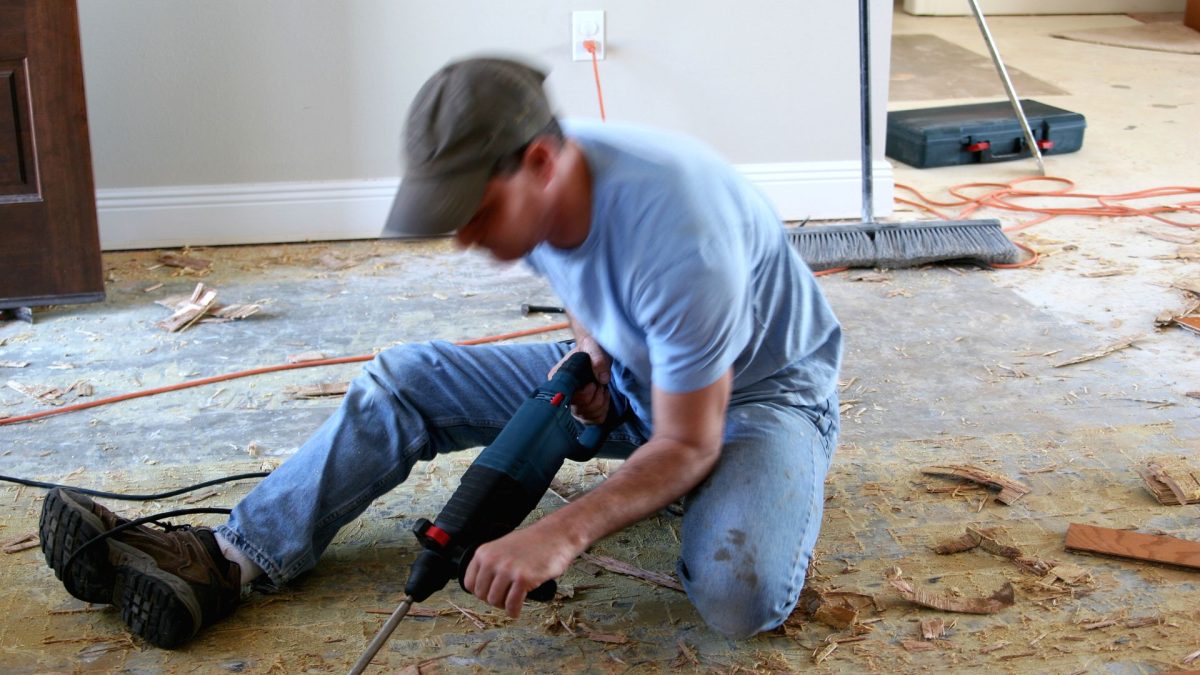
Removing old flooring opens the door to a completely fresh aesthetic in your home. Worn-out carpets, scratched hardwood, or outdated tiles can make any space feel dated and uninspiring. By removing these layers, homeowners create a blank canvas, allowing new materials to shine. The process also gives a chance to inspect the subfloor for damage, mold, or uneven surfaces that could compromise the integrity of the new finish. Skipping this step may result in imperfections showing through, diminishing the beauty of your new flooring.

In addition, flooring removal reduces hidden hazards. Old adhesives, nails, and staples can create safety risks if left unchecked. Clearing these ensures that the installation of new finishes is smooth and secure. The removal process also reduces allergens trapped in old carpets or flooring, making your home healthier. By dedicating time to this preparatory work, you not only enhance the appearance of your floors but also improve overall home safety and longevity.

Ensuring Subfloor Stability

A solid subfloor is crucial for any new flooring installation. Uneven surfaces or weakened sections can cause squeaks, cracks, or premature wear in the new material. Removing old flooring allows for proper evaluation and reinforcement where needed. This ensures that your new floors are not only visually appealing but also durable and safe for everyday use. Addressing subfloor issues early prevents costly repairs later.
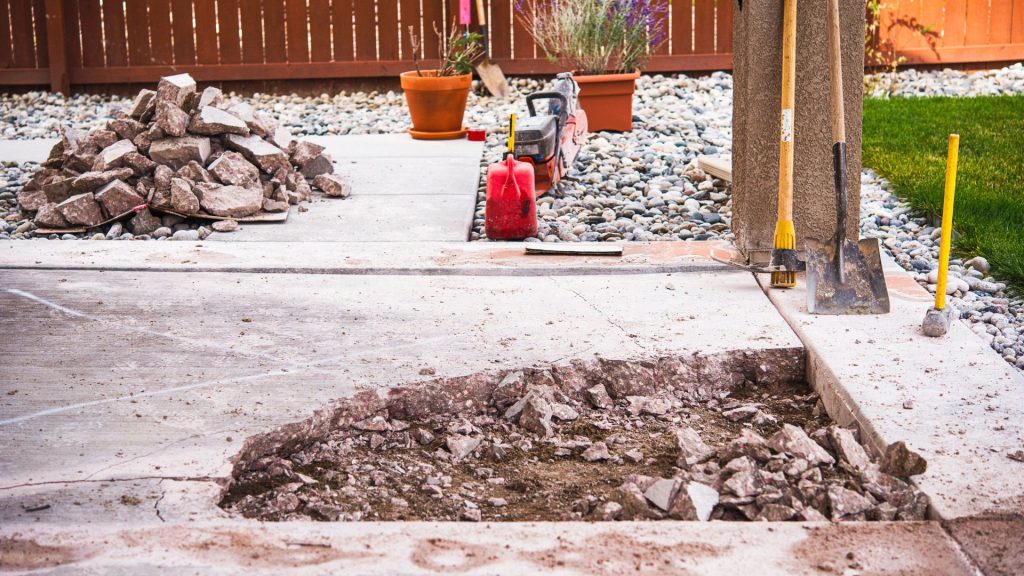
Moreover, identifying potential water damage or rot becomes possible once the old flooring is removed. Moisture-related problems can spread if overlooked, leading to structural issues and compromising the lifespan of new finishes. Taking the time to assess and stabilize the subfloor creates a foundation that supports longevity, quality, and the aesthetic appeal of your new floors. This step is essential for a lasting investment in your home’s interior.

Removing Hidden Debris and Dust

Flooring removal uncovers a hidden layer of debris accumulated over years. Dust, dirt, and small objects trapped beneath carpets or tiles can affect new flooring adhesion. Tackling this hidden mess prevents future issues like uneven tiles or warped boards. Clean subfloors also provide a more sanitary environment, which is especially important in kitchens and bathrooms where hygiene is paramount.

Additionally, eliminating old materials allows for proper disposal of hazardous substances like asbestos in older homes or adhesives with chemicals. By responsibly removing these elements, homeowners create a safer environment for their family. Clearing debris and dust also improves air quality, reducing irritants and promoting healthier living spaces. This thorough preparation ensures that your new flooring performs well and maintains its pristine appearance over time.

Improving Installation Accuracy

Accurate installation relies on a perfectly prepared floor. Uneven or dirty surfaces can lead to misaligned boards, gaps, and uneven grout lines. Flooring removal ensures that installers can work with precision, achieving professional results. Proper preparation allows for easier measurement, cutting, and fitting of new materials, which directly impacts the overall finish.

Furthermore, a clean and level subfloor reduces installation time and frustration. Installers can focus on precision rather than correcting issues caused by neglected surfaces. This proactive approach minimizes mistakes and guarantees that your flooring will not only look flawless but also function properly for years to come. A well-prepared foundation makes all the difference in achieving a polished, enduring result.

Enhancing Longevity of New Floors

The lifespan of new flooring is closely tied to the quality of the surface beneath it. Old, unstable flooring or untreated subfloors can lead to premature wear and damage. By removing existing materials, homeowners protect their investment, ensuring that new floors last as long as possible. This step prevents warping, sagging, or separation issues that often arise from neglecting the underlying structure.

In addition, removing old flooring allows for proper acclimation of new materials. Hardwood and engineered wood, for instance, require specific moisture levels to settle correctly. A clean, stable subfloor ensures these materials adapt naturally without stress. Properly preparing the floor maximizes durability and minimizes future maintenance, giving homeowners peace of mind and long-term satisfaction with their investment.

Facilitating Customization and Design Choices

When old flooring is removed, homeowners gain the freedom to explore design possibilities without limitations. Whether it’s switching from carpet to hardwood, tiles to vinyl, or experimenting with patterns, a clean slate allows for creativity. Removing previous materials ensures that the dimensions and layout of the space are fully understood, which aids in implementing customized designs and layouts that suit personal tastes.

This process also allows for integration of modern underfloor technologies, such as heating or soundproofing systems, which might be impossible to install over old layers. Preparing the surface properly ensures that new materials adhere correctly and function optimally. By removing old flooring, homeowners can truly shape the space to reflect their unique style and functional preferences.

Preventing Future Maintenance Issues

Old flooring often conceals problems that could lead to costly maintenance later. Mold, water damage, or uneven surfaces might remain hidden until new flooring begins to warp or crack. By removing existing layers, homeowners can identify and correct these issues before installation, avoiding headaches down the road.

Additionally, old adhesives or fasteners can interfere with new flooring performance. Tackling these challenges upfront ensures that the new surface remains intact and requires minimal upkeep. Proactive preparation not only extends the life of your floors but also saves money and effort in maintaining a pristine appearance over time. Proper removal lays the foundation for low-maintenance, long-lasting results.

Reducing Allergens and Improving Air Quality

Old carpets and flooring can harbor dust, pet dander, and other allergens that impact indoor air quality. Removing these surfaces helps reduce exposure to these irritants, promoting a healthier living environment. This step is particularly beneficial for households with children, elderly members, or those prone to respiratory issues.

By clearing away old flooring, homeowners can also inspect for hidden mold or mildew that may have formed over time. Addressing these concerns before installing new floors ensures the space is safe and healthy. Improved air quality enhances overall comfort and wellbeing while providing a clean canvas for beautiful, hygienic flooring solutions.

Streamlining Waste Management and Disposal

Proper disposal of old flooring materials is essential to keep the project organized and environmentally responsible. Removing materials efficiently and disposing of them safely prevents clutter and ensures that hazardous substances are handled correctly. This step sets the stage for a smoother renovation process and reduces environmental impact.

Additionally, organized removal allows homeowners or professionals to recycle or donate usable materials, contributing to sustainable practices. Efficient waste management not only makes the installation process more efficient but also aligns with responsible home improvement standards. This careful approach ensures that the transition to new flooring is both practical and conscientious.

Saving Time and Reducing Stress

Removing old flooring before installation saves time during the overall renovation process. Attempting to install new materials over existing layers often leads to complications that slow progress and increase frustration. A clean, prepared surface allows for faster, smoother installation, keeping the project on schedule.

This proactive approach also reduces stress for homeowners, knowing that the space is ready for a flawless finish. By addressing potential obstacles ahead of time, the renovation experience becomes more enjoyable and efficient. Investing time in proper removal ensures that the beauty and functionality of new flooring are achieved without unnecessary delays or difficulties.

Conclusion

Preparing your home for new flooring involves more than simply placing new materials on top of the old. Thorough removal of previous layers ensures a stable, clean, and safe subfloor, allowing your new finishes to last longer and perform better. This process also uncovers hidden issues, reduces allergens, and provides a smooth foundation for precise installation, contributing to a polished and durable result. Homeowners who invest in this preparatory step enjoy long-term satisfaction, peace of mind, and a home that truly reflects their vision.

For residents in Palatine, IL, 24-7 Junk Removal offers professional services to handle all your flooring debris efficiently. Their team specializes in junk removal, ensuring that old materials are removed, disposed of, or recycled responsibly. Contact 24-7 Junk Removal at (773) 309-6966 or visit their office at 611 W. Wise Schaumburg, IL 60193 to schedule a service. You can also reach them via email at support@24-7junk.com for any inquiries. By leveraging their expertise, homeowners can focus on transforming their living spaces without worrying about the cleanup process.
Categories
Flooring Removal

Flooring Removal What to Expect During the Process

The first step in any flooring removal project involves assessing the type of material currently installed. Each material presents its own set of challenges and requires a specific approach. Hardwood floors might need careful prying to avoid damaging the subfloor, while vinyl or laminate can often be pulled up more quickly but may leave behind stubborn adhesive residues. The process is not just about removing what is visible, but also addressing the hidden layers beneath the surface. Careful planning can minimize unnecessary damage and reduce cleanup time. Professionals often take stock of the space, gather necessary tools, and determine the safest removal strategy before lifting a single plank or tile.

Once the plan is in place, preparation becomes essential. Protecting adjacent surfaces, ensuring proper ventilation, and wearing safety equipment are critical steps that prevent injuries and reduce the mess. Dust, debris, and scraps are inevitable, and the more prepared one is, the smoother the removal becomes. Flooring removal requires patience and attention to detail. It is a process that combines both physical effort and methodical decision-making, allowing for a cleaner, more efficient transition to the next phase of renovation.

Identifying the Flooring Type and Materials

Before the removal begins, it is crucial to identify the type of flooring in place. Materials such as tile, laminate, carpet, hardwood, and vinyl all come with distinct challenges. Tiles, for instance, are often bonded with mortar, making them tougher to remove, while carpet is usually attached with staples or adhesive. Identifying the material helps in determining the right tools and techniques needed for removal, ensuring the job is completed efficiently and without unnecessary strain. Understanding the subfloor is also essential, as certain flooring types may leave residues or damage that need repair before installing new flooring.

Material identification also guides safety precautions. Some older materials, like vinyl or linoleum, may contain substances that require special handling to avoid exposure. Tools vary as well; while a crowbar and hammer may suffice for some materials, power tools might be necessary for tougher surfaces. This initial step helps streamline the removal process, minimizing surprises and preventing costly mistakes. Knowing what you are working with ensures that every action is calculated and effective, making the process smoother and more predictable for homeowners or contractors alike.

Preparing the Space for Flooring Removal

Preparation is one of the most overlooked but critical aspects of flooring removal. Clearing the room of furniture and other obstructions ensures that work can proceed uninterrupted and reduces the risk of accidental damage. Covering doorways and vents can contain dust, while laying protective sheeting on any remaining surfaces helps safeguard against scratches and debris. This stage also involves gathering all necessary tools and safety gear, including gloves, knee pads, and eye protection. Proper preparation sets the tone for the removal process, allowing work to proceed efficiently while keeping the area as clean as possible.

In addition to physical preparation, scheduling and planning play a role in ensuring a smooth process. Removing flooring can be labor-intensive, and having a clear timeline helps prevent fatigue or rushed mistakes. Coordination is especially important in larger projects where multiple rooms or floors are involved. Taking the time to mentally and physically prepare not only makes the task less overwhelming but also increases safety and efficiency. A well-prepared space is the foundation for a successful flooring removal project, minimizing disruption and laying the groundwork for the next phase of renovation.

Tools Needed for Flooring Removal

The success of a flooring removal project often hinges on having the right tools. Basic hand tools like hammers, crowbars, and putty knives are essential for prying and scraping surfaces. Power tools such as oscillating multi-tools or floor scrapers can speed up the process, especially with stubborn adhesives or thick flooring layers. The type of flooring determines the tools required, and investing in proper equipment prevents unnecessary damage to the subfloor. Having the right tools also reduces fatigue and makes the process more manageable, especially for larger spaces.

Safety gear is equally important. Gloves, goggles, and knee pads protect from sharp edges, dust, and debris. Some projects may require respiratory masks, especially when working with older flooring that could release harmful particles. Using the correct tools and safety equipment makes the process faster, cleaner, and safer. Preparing the right set of instruments in advance ensures that the work progresses without interruptions, making the task less stressful and more predictable, which is essential for maintaining momentum throughout the removal process.

Removing Hardwood and Laminate Floors

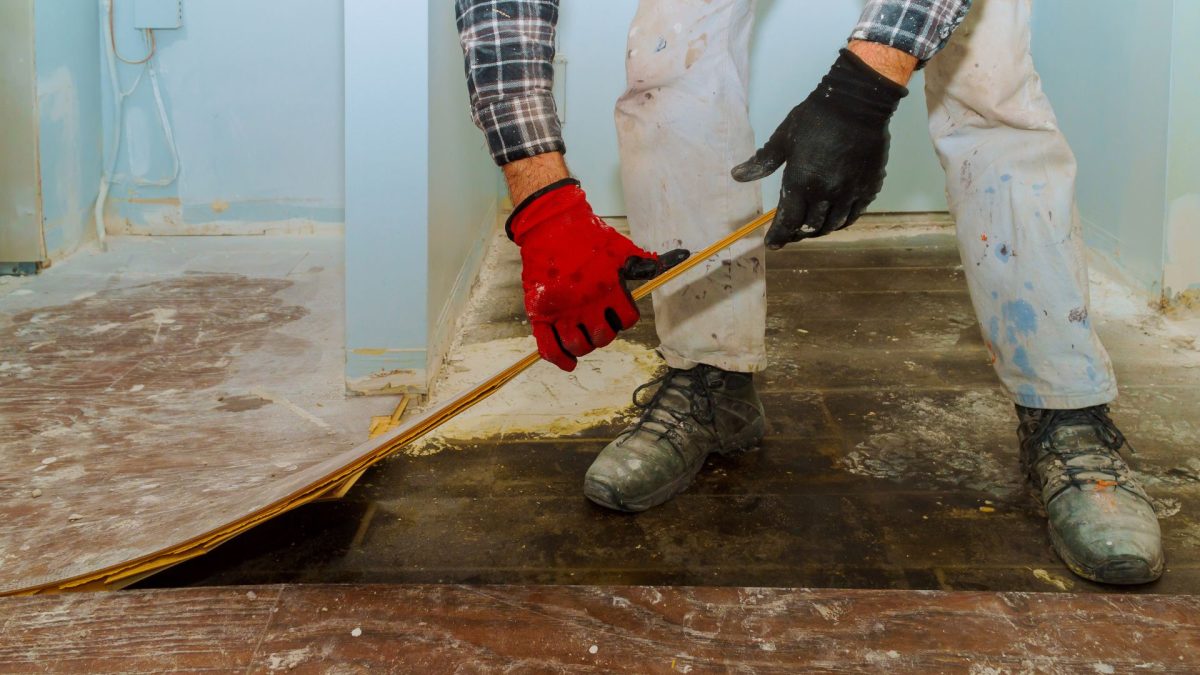
Hardwood and laminate floors require particular attention during removal. Hardwood often involves carefully prying up planks to prevent splintering and preserve the integrity of the subfloor. Laminate floors, while generally easier to remove, may be glued or locked tightly, requiring additional effort to pull apart. Starting in a corner or along a wall and working systematically across the room helps maintain control and efficiency. The process demands patience, as rushing can lead to damage that will require costly repairs.

Once planks are lifted, the subfloor often needs cleaning. Adhesive residues, nails, or staples must be removed before new flooring can be installed. This step ensures a smooth and even surface, reducing the risk of future issues such as uneven wear or squeaks. The removal of hardwood and laminate is labor-intensive but rewarding when approached with strategy and care. Proper execution at this stage lays the groundwork for a flawless flooring installation, setting the tone for the overall renovation.

Removing Tile Flooring

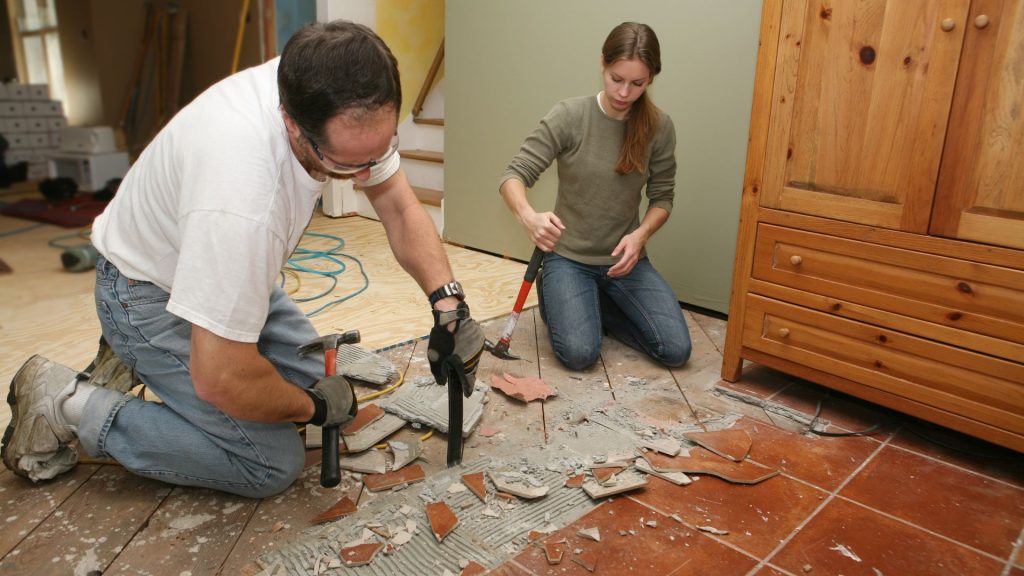
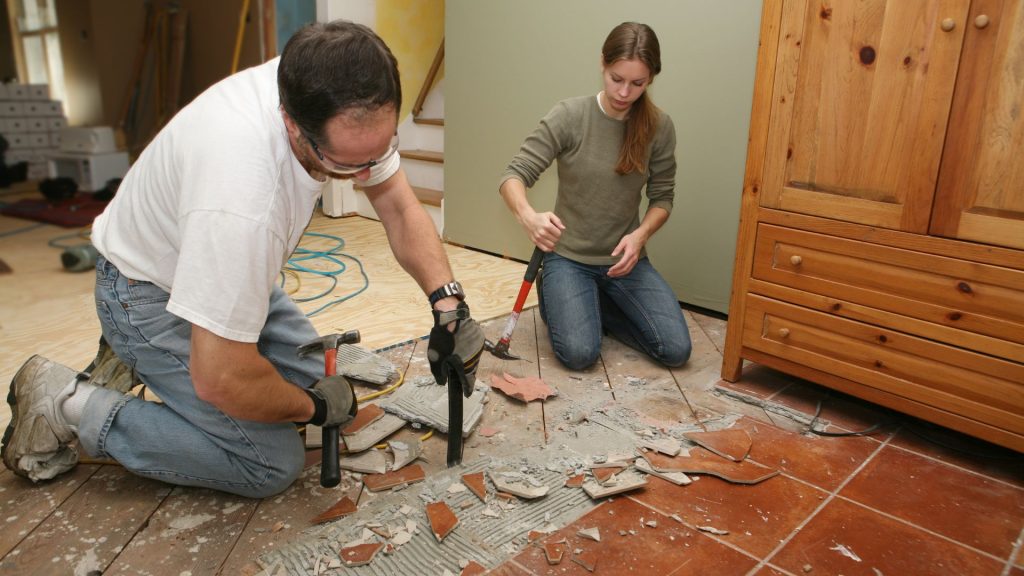
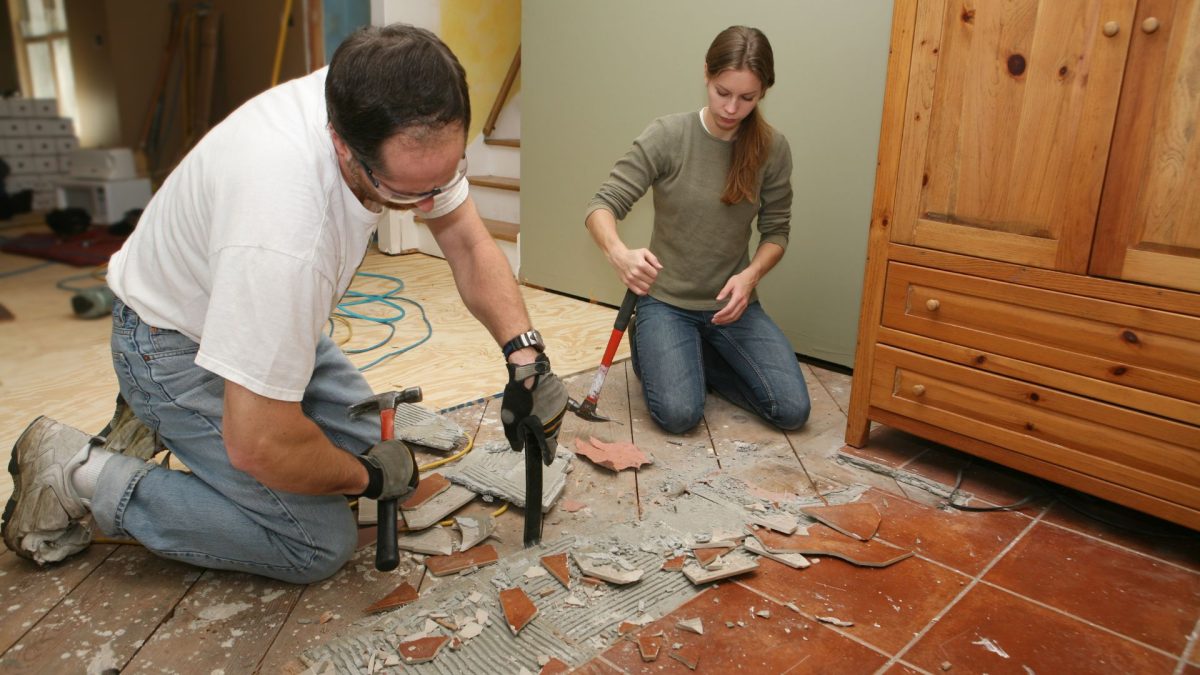
Tile removal presents its own unique set of challenges. Tiles are usually adhered with mortar or thin-set, which can be stubborn to remove. Starting at a loose edge or using a hammer and chisel to break tiles systematically reduces the risk of flying debris and excessive dust. Removing tile requires patience and a systematic approach, as working too quickly can damage the subfloor beneath or send shards into surrounding areas. Protective equipment is crucial to avoid injuries during this process.

Once tiles are lifted, scraping away the remaining mortar or adhesive ensures that the surface is ready for new flooring. This often requires specialized tools such as floor scrapers or grinders to achieve a smooth, clean base. Preparing the subfloor thoroughly prevents uneven installation and ensures longevity for the new flooring. Tile removal is a labor-intensive process, but careful technique minimizes damage and makes the next phase of flooring installation significantly easier and more predictable.

Removing Carpet and Vinyl Flooring

Carpet removal generally involves pulling up the material and removing staples or tack strips. Vinyl flooring may be glued down, requiring additional effort to lift and scrape away adhesive. Both types of flooring can be dusty and messy, making containment measures essential. Removing these floors is often quicker than hardwood or tile, but careful attention ensures that the subfloor remains intact and free from damage. Tools such as utility knives, pliers, and scrapers facilitate this process.

Preparation also extends to disposal. Carpet and vinyl often come in large, cumbersome pieces that require proper handling to avoid injury or mess. Rolling up carpet and cutting vinyl into manageable sections makes transport and disposal more manageable. The removal process, while straightforward, benefits from strategic planning and methodical execution. Proper technique ensures that the space is left clean, ready for the next phase, and minimizes strain on those performing the work.

Handling Adhesive and Residue Removal

After removing flooring, adhesive residues often remain on the subfloor. Addressing these residues is crucial for the success of the next flooring installation. Scraping and sanding may be required, and sometimes chemical adhesive removers are necessary to eliminate stubborn patches. Proper handling of these materials is important, as some can be hazardous if inhaled or come into contact with skin. The goal is a smooth, clean surface that is ready for a flawless new installation.

This stage often requires patience and careful technique. Rushing can leave uneven patches that compromise the new flooring or lead to squeaks and bumps. Protective gear is essential, as residue removal can generate dust and chemical exposure. Completing this step thoroughly ensures a smooth foundation, enhancing both the aesthetic and functional longevity of the new flooring. Proper residue removal is a critical part of the flooring removal process that sets the stage for successful installation and a polished final result.

Cleaning Up Debris During and After Removal

Flooring removal generates significant debris, including broken tiles, planks, nails, staples, and dust. Cleaning as you go helps maintain a safer work environment and reduces the risk of accidents. Containing debris in bags or containers allows for efficient disposal and prevents scattering across the home. Regularly sweeping and vacuuming helps manage dust levels and keeps the workspace organized. This stage is as much about safety as it is about aesthetics.

Post-removal cleanup is equally important. Thoroughly clearing the space prepares it for new flooring installation and ensures the area is safe for occupants. Protective masks, gloves, and proper disposal methods keep the process hygienic and efficient. A clean subfloor allows for accurate measurements and alignment during installation, preventing errors that could lead to uneven surfaces or future damage. Cleanup is a key part of a well-executed flooring removal project, making the transition to new flooring smoother and more enjoyable.

Avoiding Common Flooring Removal Mistakes

Mistakes during flooring removal can be costly and frustrating. Common errors include starting without the right tools, neglecting safety gear, or skipping subfloor preparation. Each mistake increases the risk of damage or injury and can extend the project timeline unnecessarily. Awareness of potential pitfalls allows for better planning and execution. Taking the time to work carefully and systematically reduces errors and ensures a cleaner, more efficient removal process.

Another common mistake is underestimating the difficulty of adhesive removal or subfloor preparation. Overlooking these steps can compromise the longevity of new flooring and result in additional repairs. Planning ahead, using proper techniques, and understanding the nuances of each material type help prevent setbacks. Flooring removal is as much about strategy as physical effort, and avoiding mistakes ensures a smoother, faster, and more successful renovation experience.

Safety Precautions During Flooring Removal

Safety is paramount in any flooring removal project. Protective equipment such as gloves, goggles, knee pads, and dust masks safeguard against cuts, splinters, dust, and chemical exposure. Ensuring proper ventilation is important when working with adhesives or older materials that may emit fumes. Taking regular breaks and using proper lifting techniques also prevents strain and injury. Prioritizing safety allows the removal process to proceed smoothly without unnecessary setbacks.

Being mindful of surroundings is equally important. Furniture, sharp tools, and debris can create hazards if not managed carefully. Marking off the work area and maintaining organization minimizes the risk of accidents. Flooring removal may be physically demanding, but adhering to safety protocols protects both workers and homeowners. A safety-conscious approach ensures that the project is completed efficiently and without incident, allowing the focus to remain on achieving a clean and ready-to-renovate space.

Planning for Disposal of Removed Flooring

Proper disposal of old flooring is a critical step often overlooked. Materials such as wood, tile, vinyl, and carpet must be handled appropriately to comply with local regulations and reduce environmental impact. Coordinating disposal methods in advance saves time and prevents delays. Recycling or donating salvageable materials can also minimize waste and benefit the community. Planning for disposal ensures that the space remains organized and ready for the next phase of renovation.

Disposal planning also influences the removal process itself. Knowing how to transport debris safely and efficiently reduces strain and prevents messes from spreading throughout the home. Whether utilizing professional hauling services or local waste facilities, proper planning ensures a smooth transition from old flooring to new. Efficient disposal is a crucial part of the process, keeping the project on track, minimizing environmental impact, and leaving the space clean and prepared for the next installation.

Conclusion

Flooring removal is a complex, labor-intensive process that requires planning, patience, and proper technique. Understanding the material, preparing the space, using the right tools, and following safety precautions ensures a smoother, more efficient process. Each step, from identifying the flooring type to removing adhesives and cleaning debris, contributes to a successful renovation. Homeowners or contractors who approach flooring removal methodically minimize mistakes, reduce stress, and lay the foundation for beautiful new flooring.

For residents in Palatine, IL, 24-7 Junk Removal offers professional junk removal services to handle all flooring debris efficiently. Their experienced team ensures safe, timely, and thorough cleanup, making your renovation process easier. Whether dealing with hardwood, tile, carpet, or vinyl, 24-7 Junk Removal can transport and dispose of materials responsibly. Contact them at (773) 309-6966 or visit 611 W. Wise Schaumburg, IL 60193 for more information or support via email at support@24-7junk.com. Their reliable services save time, reduce stress, and leave your space ready for the next step in your home improvement journey.

Categories
Flooring Removal

When to Call for Professional Flooring Removal Services

Flooring removal can often seem like a straightforward task, but it quickly becomes clear that it’s more complicated than it appears. Materials such as hardwood, laminate, tile, and vinyl each have unique installation methods and removal challenges. Attempting to remove flooring without the right tools or knowledge can lead to damage to subflooring, walls, or even adjacent rooms. The process also involves dealing with stubborn adhesives, nails, and underlayment, which can pose safety risks if handled improperly. Professionals bring not only the right equipment but also expertise in safely detaching these materials while minimizing mess and disruption.

Another critical factor is time efficiency. DIY flooring removal can stretch for days, creating ongoing inconvenience and potential exposure to dust and debris. Professionals streamline the process, employing specialized techniques and manpower that allow for rapid, clean removal. For homeowners preparing for renovation or replacement, this ensures that the space is ready for the next phase without unnecessary delay. Recognizing when a flooring project exceeds your personal capabilities is key, making professional services not just a convenience, but often a necessity.

Recognizing Signs Your Flooring Needs Professional Attention

Not all flooring issues are obvious, and many problems can worsen over time if ignored. Signs such as warping, bubbling, cracking, or water damage often indicate that the existing floor may need removal rather than repair. In these situations, attempting to patch or fix sections can be ineffective, creating recurring issues and potential structural problems beneath the surface. Professionals can assess the extent of damage and determine whether removal is the safest and most effective solution, preserving the integrity of your home.

In addition, older flooring materials might contain asbestos or other hazardous substances, especially in homes built several decades ago. Handling these materials without proper precautions can pose serious health risks. Licensed flooring removal experts are trained to identify and safely remove hazardous materials, ensuring compliance with local regulations and maintaining a safe environment. Knowing when to call professionals reduces the risk of injury, contamination, and future costly repairs.

Dealing with Subfloor Complications

The subfloor beneath your current flooring plays a crucial role in the longevity of any new flooring installation. Problems with the subfloor, such as moisture damage, uneven surfaces, or rot, often require more than simple DIY solutions. Removing the flooring carefully without damaging the subfloor is a delicate balance, and mistakes can lead to structural weaknesses or additional expenses during replacement.

Professional services have experience in handling these subfloor challenges efficiently. They can identify issues hidden beneath the existing surface and prepare the area for safe and effective installation of new flooring. This preventative approach ensures that the next layer of flooring sits properly, reducing future repairs or replacements. Trusting experts can save both time and money while safeguarding the overall quality of your home renovation project.

The Safety Benefits of Hiring Experts

Safety is a paramount concern during flooring removal. Heavy lifting, sharp tools, and potential exposure to dust or chemicals present risks to homeowners. Attempting to manage large, awkward pieces of flooring alone can lead to injury or accidents. Professionals are trained to handle these hazards, using appropriate safety gear and techniques to minimize risk and protect both themselves and your property.

Furthermore, proper disposal of removed flooring materials is an important safety consideration. Many materials cannot be thrown away casually, and some adhesives or chemicals require special handling. Experts ensure that all debris is removed responsibly, often recycling or donating suitable materials. By relying on professional services, you reduce the chance of injury, environmental harm, and post-removal cleanup challenges.

Time and Efficiency Considerations

Removing flooring is notoriously time-consuming, especially for those attempting a DIY approach. Stripping layers, handling adhesive, and dealing with debris can extend over multiple days, disrupting daily routines. Professional flooring removal services are designed to complete the process efficiently, often in a fraction of the time it would take for a homeowner attempting the task alone.

Efficiency also comes from expertise and proper tools. Professionals know the most effective techniques for each flooring type, and their experience allows them to anticipate problems before they arise. By choosing expert services, homeowners can minimize downtime, maintain their schedules, and move on to the next phase of their renovation without unnecessary delays.

Cost-Effectiveness in the Long Run

While hiring professionals might seem more expensive upfront, it can be cost-effective over time. Mistakes made during DIY flooring removal—such as damaging subfloors or requiring multiple attempts—can drive up overall expenses. Professional services prevent these errors, reducing the need for additional repairs and ensuring a smoother installation process for your new flooring.

Additionally, professionals have access to disposal methods and equipment that reduce hidden costs. Renting or purchasing tools, handling debris, and correcting mistakes can quickly exceed initial expectations. By investing in expert flooring removal, homeowners often save money, time, and stress, making it a financially wise choice for larger or complex projects.

Preparing for a Smooth Renovation Transition

Proper flooring removal sets the stage for a seamless renovation. Professionals not only remove old materials but also prepare the space for new installations, ensuring that surfaces are clean, even, and ready for the next steps. This preparation is crucial for achieving a polished final result and preventing problems like uneven flooring, squeaks, or premature wear.

A well-prepared space also benefits contractors who may be installing the new flooring. When removal is handled professionally, installers can focus on their work without delays caused by leftover debris or uneven subfloors. This coordination enhances overall project efficiency and improves the quality of the final installation, creating a more satisfying renovation experience.

Addressing Environmental Concerns

Flooring materials contribute significantly to landfill waste if not disposed of responsibly. Many homeowners are unaware of how to recycle or donate materials, which can lead to unnecessary environmental impact. Professional flooring removal services often prioritize sustainable disposal, recycling, or donation, reducing the ecological footprint of the renovation.

Experts are familiar with local regulations regarding material disposal and can guide homeowners toward environmentally responsible choices. By calling professionals, you ensure that your flooring removal project supports sustainability goals, reducing waste and promoting resource reuse. This approach aligns with growing environmental consciousness while maintaining the practicality of efficient removal.

Tackling Large or Multi-Room Projects

Projects that span multiple rooms or involve large areas require careful planning and significant manpower. Attempting such removal alone can be overwhelming and physically exhausting. Professional teams bring not only skill but also the manpower to handle extensive flooring efficiently and safely, ensuring consistent results throughout the property.

Larger projects also require coordination of debris removal, timing, and space management. Professionals streamline these tasks, avoiding clutter, preventing damage, and maintaining safety standards. Their presence ensures that even the most ambitious flooring projects can be completed with minimal disruption, allowing homeowners to enjoy the benefits of a fully renovated space sooner.

Specialized Flooring Types and Materials

Certain flooring types demand specialized knowledge for safe removal. Materials like engineered hardwood, thick carpet with padding, and ceramic or stone tiles present unique challenges, including heavy weight, adhesive complexity, or fragile composition. Missteps during removal can result in breakage, injury, or costly replacement.

Professional flooring removal services have experience with a wide range of materials, employing techniques tailored to each type. They know how to separate layers without causing damage, remove stubborn adhesives, and handle fragile or heavy items safely. By relying on experts, homeowners protect both their investment and their living environment while ensuring a smooth removal process.

Planning Around Home Renovation Timelines

Renovation projects often have tight schedules, with multiple tradespeople or contractors relying on timely completion of each phase. Flooring removal is an integral part of this timeline, and delays can cascade into broader project setbacks. Professionals offer predictable scheduling, helping homeowners maintain project momentum and avoid unnecessary complications.

Coordinating removal with other renovation activities also minimizes disruption to daily life. Professional teams plan logistics, manage debris removal, and ensure the space is ready for subsequent work, supporting a smooth renovation workflow. Engaging experts in this planning stage allows for better overall project management and reduces stress for homeowners navigating multiple tasks.

Conclusion

Deciding when to call for professional flooring removal services is ultimately about balancing safety, efficiency, and quality. Professionals provide expertise, tools, and techniques that homeowners rarely possess, ensuring a clean and effective removal process while preserving the integrity of subfloors and surrounding structures. Their involvement minimizes risks, reduces time and stress, and often proves more cost-effective over the long term, particularly for complex or hazardous flooring projects.

For residents in Palatine, IL, services such as 24-7 Junk Removal offer reliable solutions for flooring removal and other junk removal needs. Their team provides prompt, efficient, and responsible handling of debris while adhering to safety and environmental standards. Homeowners can contact 24-7 Junk Removal at (773) 309-6966 or visit 611 W. Wise Schaumburg, IL 60193 to schedule service or request a consultation. Their professional approach ensures that your flooring project transitions smoothly from removal to renovation with minimal hassle and maximum peace of mind.

Categories
Flooring Removal

Flooring Removal Why It’s the Best Option for Your Home

Removing old flooring can dramatically transform the look and feel of your home. Over time, floors accumulate scratches, stains, and general wear that no cleaning method can completely erase. By removing outdated or damaged flooring, you create a blank canvas that allows you to reimagine your living space. The aesthetic benefits extend beyond mere appearance. A clean, updated floor can alter the perception of space, making rooms feel larger, brighter, and more inviting. Whether it’s a worn-out carpet, chipped tiles, or dull laminate, removal sets the stage for a refreshed atmosphere that complements your home’s décor and personal style. The process may seem daunting, but professional assistance ensures that your floors are removed efficiently and safely, minimizing disruption and protecting the underlying structure from damage. The end result is a space that not only looks modern but also feels healthier and more comfortable for daily living.

Beyond the visual appeal, flooring removal provides the opportunity to address issues that may be hidden beneath the surface. Subflooring often suffers from moisture damage, mold growth, or warping that can compromise the integrity of your home if left unchecked. Removing old floors allows for inspection and repair, which prevents future problems and maintains the value of your property. It also creates a hygienic environment, eliminating accumulated dust, allergens, and bacteria trapped in old materials. For homeowners aiming for a long-term investment in their property, removing outdated flooring is a step toward a cleaner, safer, and more visually appealing living space. By taking the initiative now, you ensure that the new flooring installation is seamless, durable, and aligned with your home improvement goals.

Improving Safety and Preventing Accidents Through Flooring Removal

Old and damaged flooring can pose significant safety hazards within the home. Uneven surfaces, loose tiles, and fraying carpets increase the risk of slips, trips, and falls. For families with children or elderly members, these risks are especially concerning. Removing worn flooring eliminates potential obstacles and ensures a level, stable surface for walking and everyday activities. This precaution not only protects residents from injuries but also supports long-term structural health by preventing further deterioration caused by water seepage or subfloor instability. Professional flooring removal services employ the right tools and techniques to minimize disruption, avoid structural damage, and safely dispose of materials, ensuring that your home is both safe and well-maintained. The process may include identifying areas of rot or decay that are not visible from the surface, which could have otherwise caused serious issues in the future.

Moreover, flooring removal allows for modern safety enhancements that old materials might lack. For instance, outdated carpets may harbor allergens or synthetic materials that contribute to poor indoor air quality. Certain adhesives and underlays can release harmful substances over time. By removing these materials, you make room for safer, more eco-friendly flooring options. Additionally, professional services guarantee that debris is managed responsibly, reducing the risk of accidents during the removal process. Taking the step to remove unsafe flooring not only safeguards your family’s well-being but also ensures that the subsequent installation of new flooring can proceed without complications, offering peace of mind and a functional, accident-free home environment.

Addressing Structural Damage Hidden Beneath Old Flooring

Beneath the surface of your existing floors, structural damage may be quietly developing. Water leaks, pest infestations, and prolonged wear can compromise subfloor integrity, weakening the overall foundation of your home. Removing the old flooring is the only way to properly assess and address these hidden issues. Ignoring them can result in more severe problems such as warped wood, mold growth, or uneven surfaces, which may lead to costly repairs down the line. Flooring removal not only reveals the condition of the subfloor but also allows for professional evaluation and remediation. Ensuring that the base of your floors is solid protects your investment and creates a reliable foundation for new materials.

In addition to preventing long-term damage, removing compromised flooring provides an opportunity to enhance insulation and energy efficiency. Many older flooring systems were installed without modern moisture barriers or insulation, allowing heat loss and dampness. Once removed, homeowners can add protective layers, reducing energy costs and improving comfort throughout the house. This proactive approach safeguards both the structure and the quality of life within your home. The decision to remove old flooring becomes an integral part of a broader home maintenance strategy that prioritizes safety, efficiency, and durability, making it an essential consideration for anyone aiming to maintain or increase property value.

Preparing Your Home for Modern Flooring Installation

Installing new flooring starts with thorough preparation, and old flooring removal is a critical first step. Without a clean and stable surface, new materials cannot adhere properly, leading to warping, bubbling, or uneven finishes. Removing the previous layer ensures that the surface is level, free from debris, and ready for precise installation. This preparation is particularly important for hardwood, laminate, or tile floors, where minor imperfections can significantly affect the appearance and longevity of the material. Professional removal teams can handle complex layouts, corner edges, and tight spaces efficiently, ensuring that your home is ready for the next phase of renovation without unnecessary delays or complications.

Additionally, removing outdated flooring allows homeowners to rethink layout and design choices. You might discover opportunities to expand rooms, create uniform surfaces, or implement underfloor heating systems that were previously impossible. Modern flooring materials also offer advanced durability, aesthetic appeal, and eco-friendly options, but these benefits can only be fully realized if the foundation is properly prepared. By investing in careful removal, you avoid future setbacks, reduce installation challenges, and guarantee a smoother transition to the flooring that meets your home’s functional and visual requirements. Proper preparation ultimately sets the stage for a flawless finish that elevates the overall value and comfort of your property.

Reducing Allergens and Promoting a Healthier Home Environment

Old floors can accumulate layers of dust, dirt, mold, and bacteria over the years, creating a hidden health risk for families. Carpets, in particular, are notorious for trapping allergens and pet dander that aggravate respiratory conditions like asthma. Removing worn flooring eliminates these hazards and allows for a cleaner, more hygienic environment. Beyond aesthetic improvements, this step is crucial for enhancing indoor air quality. By clearing away outdated materials, homeowners can address hidden sources of contamination and choose flooring options that are easier to clean and maintain, ensuring a healthier living space for all members of the household.

In addition to improving air quality, flooring removal allows for proper moisture assessment and mold remediation. Damp subfloors or water-damaged layers can foster mold growth that threatens both the structural integrity of the home and the health of its occupants. Removing old flooring exposes these areas for treatment, ensuring a safer environment moving forward. With professional assistance, debris is disposed of safely and efficiently, reducing exposure to harmful substances. Choosing to remove old flooring is therefore a vital step not only for the visual and functional benefits of a renovation project but also for creating a cleaner, safer, and more comfortable home for everyone who lives there.

Increasing Property Value Through Thoughtful Renovation

Home improvement projects often focus on visible updates that immediately appeal to potential buyers, and flooring plays a pivotal role in that perception. Removing old, outdated flooring sets the stage for high-quality materials that enhance the overall appearance of your home. Fresh, modern flooring increases curb appeal, supports cohesive interior design, and signals to buyers that the home has been well-maintained. Even subtle changes, such as replacing worn carpet with hardwood or upgrading tile patterns, can yield a notable impact on market value. Flooring removal is the necessary first step in achieving these enhancements, as it allows for the seamless installation of new materials that impress both visitors and prospective buyers.

Beyond aesthetics, new floors installed over properly prepared surfaces can have a long-term return on investment. Buyers tend to appreciate properties where maintenance issues have been proactively addressed, reducing their immediate repair concerns. Old flooring often hides problems that might otherwise lead to negotiation concessions, whereas removal ensures that any underlying concerns are dealt with upfront. By removing worn flooring and upgrading to contemporary, high-quality alternatives, homeowners make a statement of care and foresight that increases the home’s overall appeal and market readiness, creating a tangible boost in property value.

Supporting Eco-Friendly Renovation Practices

Flooring removal provides an opportunity to incorporate environmentally responsible practices into your renovation. Many older flooring materials contain substances like adhesives or finishes that are not environmentally friendly, while modern options offer sustainable alternatives that reduce ecological impact. By responsibly removing and recycling old materials, homeowners can contribute to waste reduction and promote greener living. Professional services often have established processes for sorting and disposing of materials, ensuring that toxic substances are handled safely and reusable items are diverted from landfills. This commitment to eco-conscious removal makes the flooring transition not just a cosmetic improvement but also an environmentally responsible decision.

Furthermore, choosing sustainable flooring materials after removal can enhance energy efficiency and indoor air quality. Options like bamboo, cork, or recycled composites offer durability, minimal maintenance, and reduced chemical emissions. Preparing a clean, level foundation through removal maximizes the effectiveness of these environmentally friendly materials, ensuring longevity and performance. The process aligns with broader home improvement trends that prioritize sustainability, health, and long-term cost savings. By embracing eco-conscious flooring removal and installation, homeowners not only modernize their spaces but also make a positive contribution to environmental stewardship.

Minimizing Renovation Stress Through Professional Assistance

Flooring removal can be a physically demanding and time-consuming process, especially when dealing with multiple layers, adhesives, or old materials. Attempting it without proper experience or equipment may result in property damage or personal injury. Professional removal services offer expertise, tools, and efficient workflows that simplify the process and minimize disruption to your daily life. These professionals handle every aspect of removal, including lifting heavy materials, disposing of debris, and addressing unexpected challenges, allowing homeowners to focus on planning their new flooring installation and enjoying the transformation rather than worrying about the labor-intensive removal phase.

In addition to efficiency, hiring professionals ensures that removal is completed safely and thoroughly. Improper removal can leave behind residues or damage subflooring, compromising the performance of your new flooring. Experts anticipate potential issues, identify hidden hazards, and employ techniques that protect your home’s structure while completing the job promptly. The result is a stress-free experience with a foundation prepared for seamless installation. Opting for professional flooring removal not only saves time and effort but also ensures that your home renovation proceeds smoothly, paving the way for a beautiful, durable, and functional finished floor.

Allowing for Customization and Design Flexibility

Removing existing floors opens up possibilities for creative expression and customization. With outdated materials out of the way, homeowners can experiment with patterns, textures, and finishes that were previously constrained by the condition or style of old flooring. From intricate tile layouts to wide-plank hardwoods or textured vinyl, the blank canvas provided by removal allows for imaginative design choices that reflect personal taste and lifestyle. Renovations are no longer restricted by the limitations of previous flooring, giving homeowners the freedom to achieve a cohesive and visually striking interior that complements furnishings, color schemes, and functional needs.

Additionally, removal creates the opportunity to integrate modern amenities that enhance both form and function. Consider underfloor heating, soundproofing, or radiant insulation that require direct access to the subfloor. Without removal, these upgrades would be difficult or impossible to implement. By taking the time to properly remove old flooring, homeowners not only improve aesthetics but also future-proof their spaces, creating a versatile foundation for long-term customization. Thoughtful removal allows for precise measurement, planning, and execution, ensuring that design choices are executed flawlessly and aligned with both current trends and personal preferences.

Streamlining Home Maintenance for the Future

Once old flooring is removed and replaced with durable, modern materials, maintaining the home becomes significantly easier. Many contemporary flooring options are designed for low maintenance, resisting stains, scratches, and wear, which reduces cleaning time and prolongs their lifespan. By starting with a clean, properly prepared foundation, homeowners ensure that these benefits are maximized. Removing outdated flooring eliminates hidden dirt and imperfections that could compromise maintenance efforts, allowing for a smoother, more efficient upkeep routine and preserving the home’s beauty for years to come.

Furthermore, modern flooring systems often offer superior resistance to moisture, pests, and daily wear, which translates to long-term cost savings. Starting fresh with removal allows homeowners to choose materials suited to their lifestyle and environmental conditions, creating a practical and functional surface that supports everyday activities. Efficient installation over a properly removed foundation also reduces the likelihood of damage or repairs, minimizing disruption in the future. By investing in flooring removal today, homeowners pave the way for easier, more manageable home maintenance, ensuring that their investment continues to deliver both aesthetic and functional value for the long term.

Conclusion

Choosing to remove old flooring is one of the most effective steps homeowners can take to elevate the look, safety, and functionality of their living spaces. Outdated materials often conceal hidden damage, allergens, and hazards that compromise both health and structural integrity. By opting for removal, you not only create a visually appealing foundation for modern flooring but also address potential issues before they escalate, ensuring that your home is safe, clean, and ready for new design possibilities. Professional services provide the expertise, tools, and efficiency needed to complete this demanding task without unnecessary stress, protecting your property while delivering a seamless, well-prepared surface for your renovation. With removal, your home becomes a blank canvas, primed for customization, eco-friendly upgrades, and long-lasting value that reflects your style and commitment to quality living.

For residents in Palatine IL and surrounding areas, 24-7 Junk Removal offers expert flooring removal and Junk Removal services designed to simplify your renovation projects. Their team can handle the physical labor, debris disposal, and careful assessment needed to prepare your home for a flawless installation. Located at 611 W. Wise Schaumburg IL 60193, the company is just a call away at 773-309-6966, or reachable by email at support@24-7junk.com. Choosing professional flooring removal from 24-7 Junk Removal ensures safety, efficiency, and a high-quality foundation for your home improvements. Their expertise guarantees that your investment in new flooring will result in a beautiful, durable, and healthy living environment that enhances both daily comfort and long-term property value.

Categories
Flooring Removal

Best Practices for Flooring Removal

Removing old flooring is a task that extends far beyond simply lifting boards, tiles, or carpet. The process is about more than aesthetics—it involves carefully preparing the space to ensure the structural integrity of the subfloor remains uncompromised. Many homeowners and DIY enthusiasts underestimate the impact improper removal can have on their property. Prying up flooring without consideration can leave scratches, dents, or even holes in the subfloor, which may necessitate costly repairs or cause issues with the installation of new flooring. Proper planning ensures not only a cleaner result but also protects your investment in the new floor.

Assessing the type of flooring is crucial before beginning removal. Different materials—hardwood, laminate, vinyl, tile, and carpet—demand different techniques and tools. By understanding the nuances of each material, you reduce the risk of injury, material waste, or damage to the surrounding structure. Preparing for dust, debris, and potential hazards is part of a thorough removal process. Safety gear such as gloves, goggles, and knee pads is non-negotiable, while ensuring proper ventilation can reduce exposure to dust particles, mold, or chemical residues that sometimes exist under older floors. This preparatory phase lays the groundwork for a smoother, safer process and sets the tone for professional-quality results.

Tools and Equipment Needed for Safe Removal

Having the right tools is one of the most critical elements in effective flooring removal. Each type of flooring requires specialized equipment to prevent damage to the underlying subfloor while minimizing effort and physical strain. Hardwood or laminate floors often require pry bars, hammers, and sometimes circular saws for stubborn sections, whereas carpet removal demands sharp utility knives, pliers, and sometimes a knee kicker to loosen areas around walls. Tile removal may involve chisels, hammers, and mallets, while vinyl can require heat guns or scrapers to loosen adhesive. Being prepared with these tools saves time and prevents frustration that comes from improvising mid-task.

Beyond the essential removal tools, protective equipment cannot be overlooked. Safety goggles, dust masks, sturdy gloves, and knee pads are necessary to guard against flying debris, splinters, and dust inhalation. Drop cloths or tarps help contain the mess, keeping both the work area and surrounding home cleaner. Containing debris and preparing the workspace reduces the risk of slips, trips, and injuries, and streamlines the overall project. Thoughtful preparation ensures efficiency, protects your property, and guarantees the flooring removal is both effective and safe from start to finish.

Preparing the Space for Flooring Removal

Before tackling flooring, preparing the room properly is key to ensuring efficiency and safety. Remove all furniture, rugs, and any items that could obstruct movement or create tripping hazards. In some cases, doors or baseboards may need to be temporarily removed to allow full access to edges and corners. Creating a clear and open workspace facilitates smoother movements and allows workers to identify potential hazards, such as loose boards or nails, before they become accidents.

In addition, marking utilities and fragile areas like heating vents, electrical outlets, or plumbing lines prevents costly damage. Even subtle obstructions hidden under flooring can pose safety risks if overlooked. Establishing a debris removal path beforehand is also beneficial, making it easier to transport removed materials out of the space. When the environment is well-organized and prepped, the actual removal process is far less stressful and far more productive, minimizing downtime and reducing the chances of errors.

Techniques for Carpet Removal

Carpet removal may seem straightforward, but improper handling can cause unnecessary strain or damage to the subfloor. Begin by pulling up tack strips or staples holding the carpet in place. Cutting the carpet into manageable strips ensures easier handling and reduces the risk of muscle strain. Rolling and bundling sections immediately helps maintain a tidy workspace and prevents tripping hazards. Attention to detail during this phase guarantees a safer, more organized removal process.

Once the carpet is removed, inspect the padding underneath. Old padding often harbors allergens, mold, or odors and should be discarded to prevent problems with the new flooring. Cleaning the subfloor thoroughly, removing any remaining staples, nails, or adhesive residues, prepares it for installation of new flooring. By handling both the carpet and the underlying padding properly, the space becomes ready for a new layer of flooring that will lay flat, adhere properly, and last longer without issues.

Removing Hardwood and Laminate Flooring

Hardwood and laminate floors require careful attention due to their rigidity and potential reuse value. Start by removing trim and molding to access edges safely, then work gradually from one side of the room to the other. Using pry bars and hammers cautiously helps avoid splintering or cracking boards. For floors that are nailed down, gently prying boards from underneath ensures minimal subfloor damage. A methodical pace is essential; rushing can result in broken boards, damaged underlayment, and more work in the long run.

For glued-down hardwood or laminate, using a heat gun or adhesive remover softens the glue, making removal easier without excessive force. After the boards are lifted, the subfloor should be inspected for uneven areas, protruding nails, or other damage that could interfere with new flooring installation. Proper attention at this stage saves future headaches and ensures the next flooring project starts on a solid, even foundation, whether you’re installing hardwood, laminate, or another material.

Strategies for Tile and Vinyl Removal

Tile removal is often labor-intensive and requires a patient, strategic approach. Begin by chipping away grout between tiles using a grout saw or chisel, then carefully lift individual tiles. Starting from a corner or previously damaged area often makes the process more manageable. Vinyl removal can be equally challenging, especially when adhesives have strongly bonded it to the subfloor. Scoring the vinyl and applying heat with a heat gun softens the adhesive, simplifying the scraping process.

Protective measures are crucial for these tasks. Gloves, safety goggles, and dust masks reduce risk from sharp debris and airborne particles. Tarps or plastic sheeting contain dust and broken tiles, preventing damage to surrounding areas. Adequate ventilation helps keep the workspace safe and comfortable. The key to tile and vinyl removal is patience; rushing the process may damage the subfloor, requiring repairs that can significantly increase project time and cost.

Handling Adhesives and Subfloor Preparation

Adhesives left behind from old flooring can compromise the installation of new materials. Scrapers, heat guns, and specialized adhesive removers help remove stubborn residues effectively. Incomplete adhesive removal can cause uneven surfaces, poor adhesion, or bubbles in new flooring, leading to a short lifespan or an unsightly finish. Spending extra time on this phase ensures the subfloor is ready for seamless installation.

After removing adhesives, inspect the subfloor carefully for damage. Sanding high spots, filling low areas, or patching cracks creates a flat, even surface. Proper subfloor preparation is essential for achieving a professional appearance and avoiding future issues such as squeaking, warping, or uneven flooring. Attention to detail during this stage saves time and money later, ensuring that your new flooring not only looks great but performs well over time.

Safety Measures During Flooring Removal

Safety should always be a top priority during flooring removal. Floors may conceal nails, staples, broken glass, or chemical residues that can pose risks. Wearing protective gear such as gloves, goggles, and dust masks is essential. Proper lifting techniques and assistance when handling heavy materials reduce strain and prevent injury, especially when dealing with hardwood planks or large tiles.

Dust control is another critical aspect of safety. Frequent sweeping, vacuuming, and maintaining proper ventilation reduces exposure to airborne particles that can irritate the lungs or cause allergic reactions. Awareness of surroundings, proper tool handling, and adherence to safety protocols ensure that flooring removal is not only efficient but also safe, protecting both workers and the home environment from accidents or damage.

Eco-Friendly Disposal of Flooring Materials

Responsible disposal of removed flooring helps minimize environmental impact. Separate materials that can be recycled, such as hardwood, metal trims, or tiles, from general waste. Donating salvageable items can also reduce landfill contributions. Many materials can be repurposed creatively in other projects, extending their lifecycle and promoting sustainability.

Planning ahead for disposal ensures the project remains organized and efficient. Partnering with recycling centers or facilities that accept building materials promotes eco-friendly practices and may reduce disposal costs. Thoughtful management of debris contributes to a cleaner, safer environment and supports responsible renovation practices. Eco-conscious handling reflects care not just for the home but also for the wider community.

Efficient Cleanup and Site Restoration

After flooring removal, proper cleanup is essential to restore the space. Sweeping, vacuuming, and wiping down surfaces removes dust and debris. Inspect the subfloor for any minor damage and perform repairs as needed. Reinstalling trim, baseboards, and other components helps the space feel complete and ready for new flooring.

Organizing leftover tools and materials contributes to both safety and efficiency for the next stage of renovation. Ensuring that the workspace is free of hazards prevents accidents and provides a professional, polished look. Thorough cleanup and restoration enhance the durability of the new flooring and reflect a commitment to careful, high-quality work.

Conclusion

Effective flooring removal is a blend of planning, preparation, proper tools, and adherence to safety protocols. Each type of flooring presents unique challenges, and addressing these carefully preserves the subfloor and ensures a smooth transition to new materials. Attention to detail, patience, and strategic preparation result in a cleaner, safer, and more professional renovation process.

For residents and businesses seeking expert assistance, 24-7 Junk Removal in Palatine, IL offers professional Junk Removal services. Their team handles flooring debris safely and efficiently, ensuring spaces are ready for renovation without added stress. Contact 24-7 Junk Removal at (773) 309-6966 or visit their office at 611 W. Wise Schaumburg, IL 60193. For questions or service inquiries, email support@24-7junk.com. Their expertise guarantees eco-conscious, reliable solutions that save time and maintain safety, leaving homes and businesses ready for their next project.