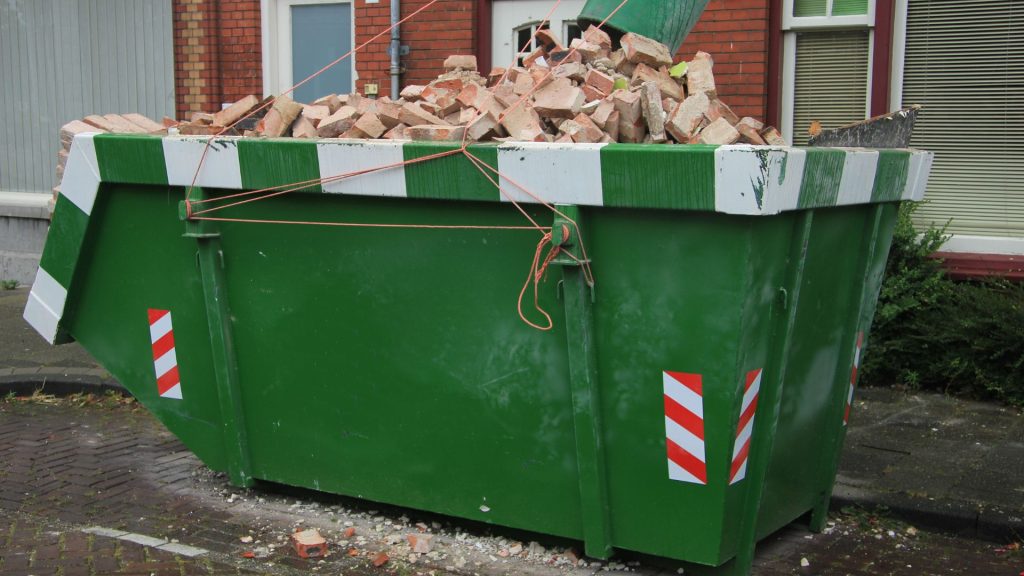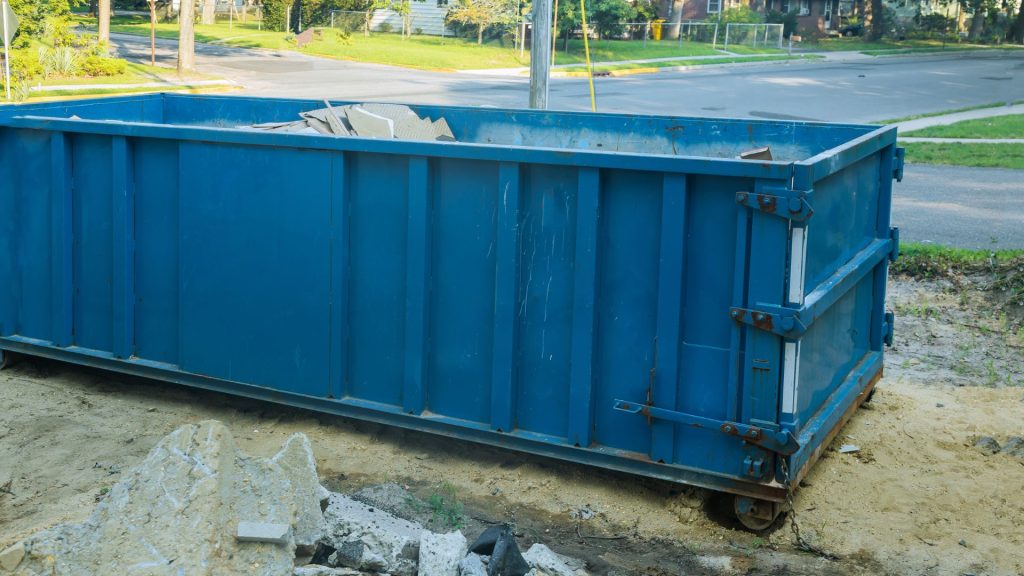
Construction sites are inherently risky environments, and accumulated debris only increases hazards for workers. Loose materials, broken tools, and discarded packaging can create trip-and-fall scenarios or obscure dangerous areas. By implementing professional debris removal, the site becomes significantly safer, reducing the likelihood of accidents and injuries. Workers can focus on their tasks without worrying about navigating through clutter, allowing for smoother, more efficient operations. Safety regulations are also easier to meet when debris is managed consistently, lowering potential legal and insurance complications that might arise from on-site accidents.
Moreover, keeping the site clean encourages responsible practices among all personnel. It promotes a culture where safety is a priority, which can increase overall productivity and morale. The removal of waste materials also helps in preventing potential damage to valuable equipment, as loose debris can scratch, dent, or otherwise harm machinery. With a proactive approach to debris removal, construction managers can ensure a professional environment where both human resources and equipment are safeguarded, supporting long-term project efficiency and quality.
Boosting Project Efficiency
A cluttered construction site can significantly slow down progress, as workers navigate obstacles and search for tools or materials amid scattered debris. Efficient debris removal ensures that pathways are clear, work areas are organized, and construction teams can move freely without obstruction. This streamlined workflow reduces delays and supports tighter scheduling, helping projects stay on track and meet deadlines more consistently. With a cleaner site, supervisors can easily monitor progress, locate issues, and implement changes without unnecessary disruptions.
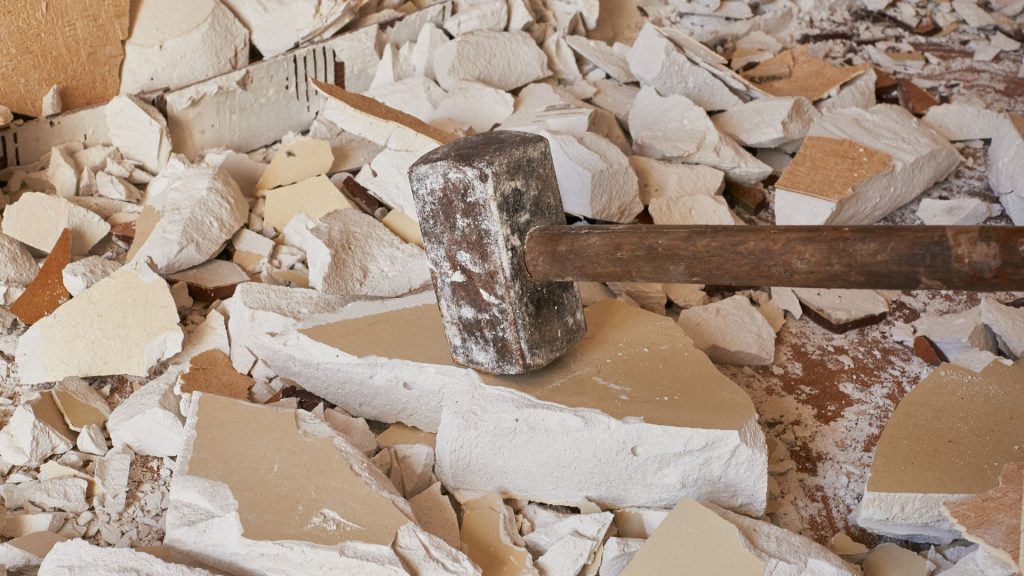
Additionally, construction debris removal reduces the likelihood of rework caused by hidden damage or misplaced materials. When materials are properly segregated and removed, inventory management becomes easier, and project teams can quickly identify what is available and what needs replacement. The organized environment also supports better coordination between different contractors and trades, minimizing downtime and improving overall productivity. Efficient debris handling directly contributes to cost savings, as time saved translates into labor cost reduction and smoother project execution, making every construction phase more effective.
Improving Environmental Responsibility
Construction debris often includes materials that can harm the environment if disposed of improperly. Professional debris removal ensures that recyclable and reusable materials are separated from waste, allowing for proper disposal and reducing the environmental footprint of your project. This approach not only complies with local regulations but also demonstrates a commitment to sustainable practices. By diverting waste from landfills and encouraging recycling, construction projects contribute to a healthier ecosystem and support long-term environmental goals.
Furthermore, sustainable debris management can enhance a company’s reputation in the community. Clients and stakeholders increasingly value environmentally responsible practices, and clean, organized sites reflect positively on the project team’s professionalism. Choosing to manage debris responsibly also prevents pollution and contamination of nearby areas, protecting soil, water, and air quality. Implementing debris removal with an emphasis on environmental impact fosters a conscientious approach that benefits both the project and the surrounding community, establishing a culture of accountability and ecological stewardship.
Preventing Damage to Equipment and Materials
Construction sites contain expensive tools, machinery, and building materials that can be easily damaged by scattered debris. By removing construction waste promptly, you reduce the risk of scratches, dents, or other forms of damage that may occur when equipment comes into contact with clutter. Proper debris management also minimizes the risk of contamination for sensitive materials, ensuring that all components remain in optimal condition until they are installed or used. Protecting equipment and supplies safeguards your investment and prevents costly replacements that could disrupt project timelines.
Moreover, organized removal of debris makes handling and storing materials easier, reducing the chances of mistakes or accidents during transport and installation. When work areas are free from waste, workers can access tools and materials efficiently without risking damage or loss. This approach also allows project managers to implement quality control more effectively, ensuring that only appropriate materials are used and that equipment is maintained in peak condition. Prioritizing debris removal is therefore not only a safety measure but a cost-saving strategy that protects the integrity of the entire construction process.
Streamlining Compliance with Regulations
Construction projects must adhere to a wide range of safety and environmental regulations, and unmanaged debris can lead to violations or penalties. Professional debris removal helps ensure compliance with OSHA standards and local environmental laws by maintaining a tidy, hazard-free site. Clear pathways, proper waste disposal, and organized storage all contribute to meeting regulatory requirements efficiently. Keeping the site within legal standards prevents delays caused by inspections or citations, supporting uninterrupted project progress and mitigating financial risks associated with non-compliance.
Additionally, organized debris management demonstrates proactive leadership to inspectors and clients, signaling a commitment to industry best practices. Contractors can document their waste handling methods, providing tangible evidence of compliance that may be required for audits or certifications. Streamlined compliance reduces administrative burdens and allows construction teams to focus on their core responsibilities. By integrating debris removal into standard operating procedures, construction managers can maintain consistent adherence to regulations, protecting both the project’s timeline and the company’s reputation.
Enhancing Project Aesthetics
The visual appearance of a construction site is often overlooked, yet it plays a crucial role in client perception and stakeholder confidence. Sites littered with debris can appear chaotic and unprofessional, potentially affecting client satisfaction and trust. Regular debris removal creates a more polished, organized environment that reflects positively on the construction team’s attention to detail. Clean and tidy sites are more welcoming to visitors, inspectors, and prospective clients, leaving a strong impression of efficiency and professionalism.
In addition, an aesthetically organized site helps workers navigate the environment more effectively, minimizing confusion and potential errors. Clear demarcation of materials and waste areas supports a structured workflow that benefits every aspect of construction operations. The sense of order on site can boost morale, as employees feel their work is valued in a well-maintained environment. Ultimately, visual organization contributes to a positive reputation, enhances team cohesion, and reinforces a culture of meticulous workmanship that elevates overall project quality.
Facilitating Faster Cleanup Post-Project
Once construction is complete, the final cleanup phase can be one of the most labor-intensive and time-consuming tasks. Efficient debris removal throughout the project simplifies this process, as large amounts of waste are continuously managed rather than allowed to accumulate. By addressing debris incrementally, the post-project cleanup becomes a smoother, faster operation that requires less manpower and fewer resources. This approach accelerates the transition from construction to occupancy or next-phase operations, reducing downtime and enhancing overall project efficiency.
Furthermore, ongoing debris management allows for better planning of disposal logistics, such as scheduling pickups and coordinating with recycling centers. Contractors can avoid last-minute surprises and costly delays caused by accumulated waste. Early and consistent removal of construction debris ensures that the site is ready for final inspections and handover without unnecessary complications. Efficient cleanup supports client satisfaction, reinforces professionalism, and enables the project to conclude on a high note, reflecting the team’s dedication to quality and organization.
Reducing Project Costs
Unmanaged construction debris can contribute to hidden costs, including delays, material damage, and increased labor requirements. Professional debris removal helps minimize these expenses by streamlining workflows, protecting materials, and preventing accidents that could result in medical or insurance costs. By investing in systematic debris removal, projects can achieve better budget control, reduce waste, and avoid financial overruns associated with disorganization. Efficient debris handling allows teams to allocate resources more effectively, supporting cost-conscious project management without compromising quality.
Additionally, proper debris management can facilitate resale or recycling of materials, providing potential financial returns that offset disposal costs. Salvaging reusable items not only reduces waste but also creates opportunities for secondary use in other projects. Project managers can also track material usage and waste generation more accurately, allowing for smarter procurement decisions in future endeavors. By reducing hidden costs through organized debris removal, construction projects gain greater financial predictability, making budgets more manageable and improving overall return on investment.
Supporting Worker Morale and Productivity
The presence of construction debris can negatively affect worker morale, creating a sense of disorganization and frustration. Professional debris removal contributes to a clean, safe, and orderly work environment that fosters productivity and a positive mindset among staff. When workers feel supported by a well-managed site, they are more motivated to complete tasks efficiently and maintain high-quality standards. Clear, accessible workspaces reduce stress and confusion, enabling employees to focus on their responsibilities without distraction.
In addition, investing in debris removal demonstrates a commitment to worker welfare, signaling that the project values safety, organization, and professional conduct. This proactive approach can reduce turnover, encourage team cohesion, and enhance overall job satisfaction. High morale often translates into better performance, fewer mistakes, and a stronger sense of accountability. By supporting the workforce through efficient debris management, construction projects can achieve higher productivity, improved quality, and a more harmonious working environment, benefiting both employees and project outcomes.
Enabling Efficient Material Recycling and Reuse
Construction projects generate significant amounts of recyclable and reusable materials, including metal, wood, and concrete. Professional debris removal services facilitate the sorting and disposal of these materials, ensuring that valuable resources are diverted from landfills and put to good use. Efficient recycling not only minimizes environmental impact but also aligns with sustainable building practices, which are increasingly valued by clients and regulatory authorities. By incorporating recycling into debris management, projects can contribute to circular economy practices and demonstrate environmental responsibility.
Moreover, the careful handling of reusable materials can support cost savings by providing resources for future projects or secondary construction purposes. Salvaged items can be repurposed creatively, reducing the need for new materials and lowering overall project expenditures. Organized recycling and reuse also streamline logistics, preventing contamination of materials and ensuring their usability. Through effective debris management, construction teams can maximize both environmental and financial benefits, creating projects that are sustainable, efficient, and mindful of long-term resource conservation.
Conclusion
Construction debris removal is an essential component of any successful project, enhancing safety, efficiency, and environmental responsibility throughout every phase. By keeping sites organized and clutter-free, workers can focus on their tasks without hazards, equipment remains protected, and compliance with regulations becomes more straightforward. Beyond these operational benefits, debris management contributes to cost savings, improved morale, and a positive perception among clients and stakeholders. Regular removal ensures smoother project execution and simplifies post-construction cleanup, creating a seamless transition to the next stage of development.
For businesses in Palatine, IL looking to maximize the benefits of junk removal, 24-7 Junk Removal provides reliable, professional services tailored to construction projects of all sizes. Their team ensures efficient debris management, sustainable disposal practices, and a commitment to safety and quality. Contact 24-7 Junk Removal at (773) 309-6966 or visit them at 611 W. Wise Schaumburg, IL 60193 to schedule a service or request additional information. Their knowledgeable staff is ready to support your project needs and ensure a clean, organized, and productive construction environment.