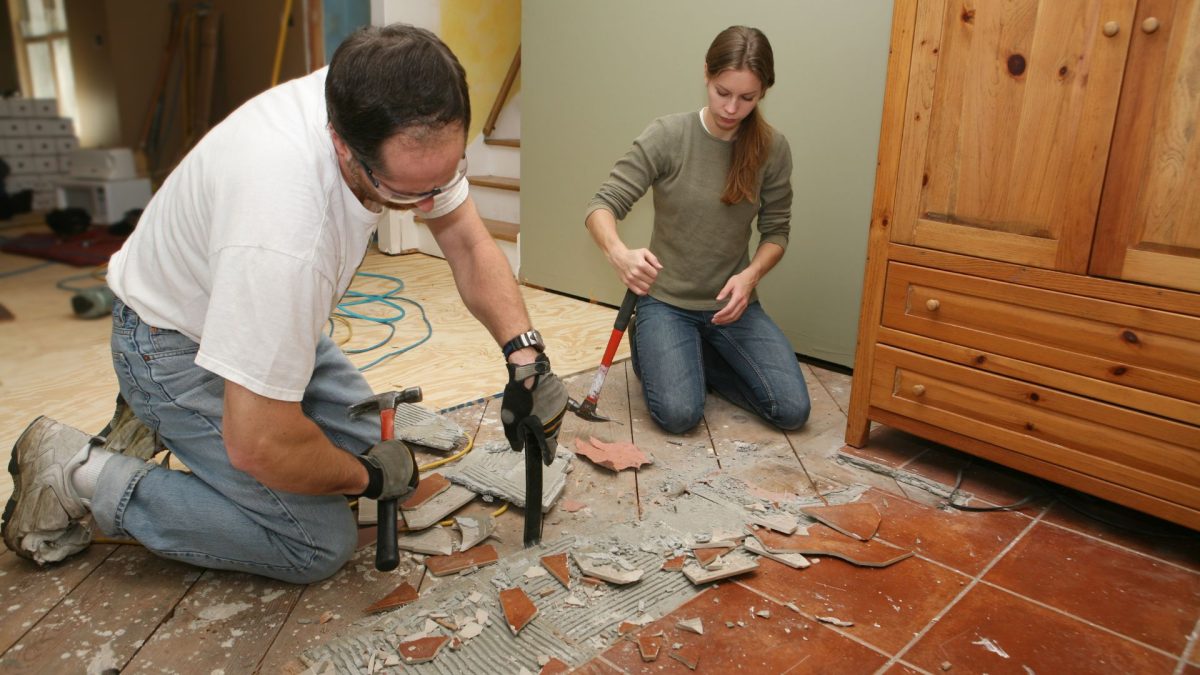
Before removing any flooring, preparation defines everything. Furniture, appliances, and even curtains that might catch dust should be moved aside, ensuring that the area is open for work. A clean space allows better visibility, and it prevents unnecessary accidents during the removal process. Covering nearby surfaces with protective sheets keeps the mess contained. Some forget how easily debris travels, but preparation saves hours of cleanup later. It’s not about rushing into pulling tiles or tearing carpet—it’s about setting the stage for a smoother process.
Once the room is cleared, inspect the type of flooring to understand how it’s attached. Vinyl, hardwood, and tile each have their quirks. Identifying adhesives, nails, or subfloor types helps determine which tools to use. By mapping out a removal plan, you minimize damage to the subfloor and create a more efficient workflow. Preparation turns chaos into controlled motion, where every move feels deliberate and strategic.
Choosing the Right Tools for the Job
Flooring removal isn’t about brute force—it’s precision with the right gear. Using improper tools can turn a simple project into a battle. For hardwood floors, a pry bar and a mallet are indispensable. Tile removal benefits from chisels and rotary hammers, while carpet lifting goes faster with a utility knife and pliers. Gloves and goggles are more than accessories—they’re non-negotiable shields against splinters and shards.
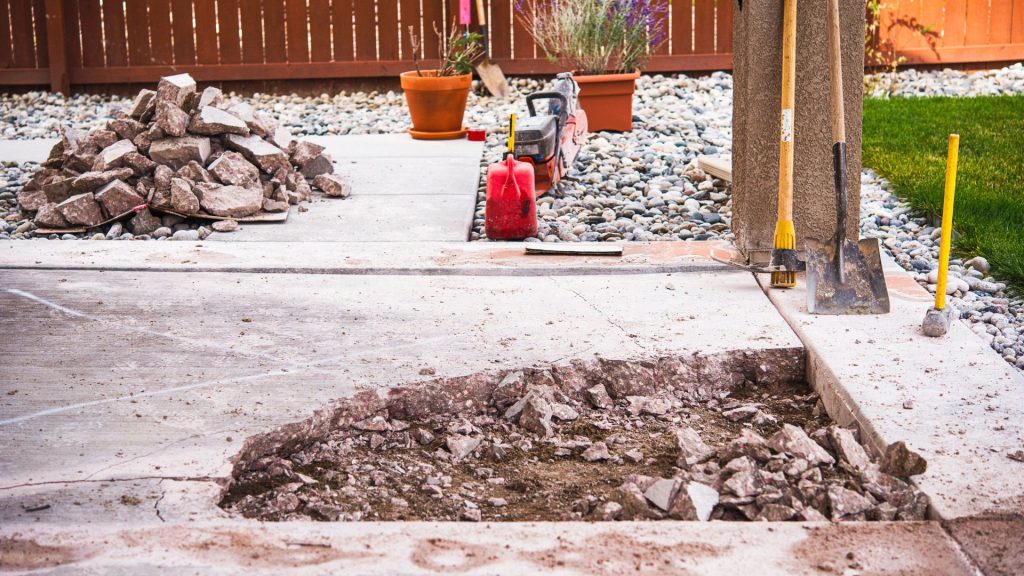
Selecting professional-grade equipment not only speeds up removal but also preserves the integrity of your subfloor. Homeowners sometimes underestimate the difference between consumer tools and contractor-grade options. A high-quality scraper, dust vacuum, and even a knee pad set the tone for efficiency and safety. When each tool serves a purpose, the job becomes less about exhaustion and more about smart execution. Efficiency in flooring removal begins with knowing what belongs in your toolkit.
Handling Dust and Debris During Removal
Flooring removal can turn any calm home into a clouded battlefield of dust and debris. Containment is key—plastic sheeting on doorways and vents prevents particles from spreading to other areas. An air purifier nearby can help reduce airborne contaminants that linger long after the floor is gone. Many overlook this, assuming sweeping alone will do, but fine dust sneaks into every corner if not managed properly.
As debris builds up, consistent removal keeps the workspace manageable. A heavy-duty trash bin or junk container positioned near the site allows for immediate disposal. The faster debris exits the area, the safer and cleaner the job becomes. For older homes, watch for potential hazards like asbestos or lead adhesives—those demand specialized disposal to protect everyone involved. Maintaining cleanliness throughout the process transforms a messy project into one that feels organized and controlled.
Removing Different Types of Flooring Safely
Each flooring type tells its own story of resistance. Hardwood often clings stubbornly to subfloors with nails or glue, while tiles crack under pressure but scatter dangerously when forced. Vinyl sheets require cutting into manageable strips, and carpets demand strength to roll and haul away. Respecting these differences keeps safety intact. Wearing gloves, masks, and sturdy footwear ensures protection against cuts or exposure to unseen substances beneath old floors.
Working methodically also avoids damaging what lies underneath. For example, forcing up planks with too much power risks gouging the subfloor, adding cost and labor later. Using controlled motion with the right leverage maintains balance between speed and care. Safe removal is not only about avoiding harm to oneself—it’s also about preserving the foundation for what’s coming next. Each movement, when intentional, saves time and prevents regret.
Sorting Reusable Materials from Waste
After the floor comes up, the aftermath often looks like chaos—but within the pile lies potential. Not every plank or tile belongs in the landfill. Many materials can be repurposed or recycled, reducing environmental impact and waste costs. Hardwood pieces, for instance, can find new life in crafts or smaller renovation projects. Even carpet padding can sometimes be recycled into industrial materials. Taking time to sort materials transforms cleanup into an eco-conscious decision.
Separating reusable elements from true waste isn’t just for sustainability—it saves money and supports local recycling programs. Having labeled containers for wood, tile, or general debris makes the process faster. It’s surprising how much volume is reduced when you intentionally divide instead of dumping everything together. Sorting is an act of mindfulness that benefits both the planet and the property owner.
Responsible Disposal and Recycling Options
Proper disposal is more than dropping flooring scraps at the curb. Many municipalities have strict guidelines for construction waste, requiring drop-offs at specific facilities. Researching disposal sites before removal saves stress later. Some materials, such as adhesives or vinyl, may require handling as hazardous waste. Ignoring these rules can result in fines or environmental harm. Responsible disposal is about being informed and proactive.
Recycling centers often accept materials like hardwood and tile, especially when they’re free of contaminants. Partnering with a local recycling service or junk hauling company ensures that your flooring waste doesn’t end up in landfills unnecessarily. By opting for sustainable disposal, homeowners contribute to cleaner communities and reduced pollution. What leaves your home responsibly helps preserve the environment for someone else’s future renovation.
Managing Heavy Flooring Materials During Haul-Out
The physical strain of carrying old flooring can take a toll if not handled strategically. Large sections of hardwood or tile can weigh more than expected, so breaking them into smaller, more manageable pieces helps prevent injuries. Using proper lifting techniques—bending at the knees, not the back—keeps you steady and safe. Mechanical aids like dollies or carts are invaluable when dealing with heavier loads.
It’s not only about muscle—it’s about rhythm. Loading items efficiently, starting with heavier materials at the base, stabilizes the weight in transport. Maintaining a clear path to the disposal area reduces trip hazards. For those working in tighter spaces or multi-level homes, patience becomes essential. Rushing increases the chance of slips or damage. Strategic hauling turns a grueling task into a safer, more balanced workflow.
Protecting Subfloors During Removal
Beneath every flooring lies the unseen hero—the subfloor. Damaging it during removal means costly repairs later. Using pry bars carefully rather than brute force avoids unnecessary tears or cracks. For glued floors, applying heat softens adhesive for a gentler lift. Understanding the subfloor material, whether plywood or concrete, dictates how much pressure it can endure. Protection begins with awareness of what’s underneath.
Covering exposed subfloor sections immediately prevents moisture absorption or surface damage. Once flooring is removed, a quick inspection reveals any issues like mold, rot, or warping that should be addressed before installing new material. A preserved subfloor extends the life of future flooring, ensuring durability and safety. Treating it with care turns removal from destruction into preparation for renewal.
Maintaining Safety Standards During the Process
Safety isn’t optional—it’s the backbone of every flooring removal. Wearing protective gear such as gloves, goggles, and sturdy shoes prevents cuts, splinters, and punctures. Ensuring proper ventilation helps disperse dust or fumes, particularly when dealing with adhesives or old finishes. Equipment should always be checked for defects before use, as even a small malfunction can cause serious injury.
It’s also wise to have a clear system for communication if working in teams. Everyone should understand their role and area of focus to prevent overlap or confusion. Marking hazardous areas with tape or signs reduces the risk of tripping or stepping on sharp objects. The best removal projects operate like synchronized choreography—each step taken with awareness, every motion done with safety in mind.
Cleaning and Preparing the Area for New Flooring
Once the old flooring disappears, what remains is a blank canvas waiting for transformation. The cleanup that follows is just as vital as removal itself. Vacuuming all debris and dust ensures a smooth surface for new materials to adhere properly. Any lingering nails, adhesive residue, or cracked spots must be addressed to guarantee even installation later. Neglecting this stage can compromise the lifespan of your new flooring.
After cleaning, inspect for structural concerns. If the subfloor feels uneven, sanding or leveling compounds can correct imperfections. A dry, debris-free base sets the tone for flawless results. The preparation might feel tedious, but it defines the final outcome. Cleanliness and attention to detail bridge the gap between demolition and renewal, making the next chapter of your flooring journey stronger than the last.
Conclusion
Flooring removal and disposal require precision, planning, and responsibility from start to finish. Each phase—from clearing the space to recycling waste—shapes the project’s success. Careful attention prevents damage, minimizes hazards, and creates a path toward a smoother installation. Professional assistance ensures that materials are handled safely, tools are used correctly, and every ounce of debris ends up where it should.
For residents in Palatine, IL seeking dependable Junk Removal, 24-7 Junk Removal delivers unmatched service that blends efficiency with environmental care. Reach out today at (773) 309-6966 or visit them at 611 W. Wise Schaumburg, IL 60193 for professional solutions that make flooring disposal effortless. You can also email support@24-7junk.com to schedule fast and reliable help from a trusted local team.