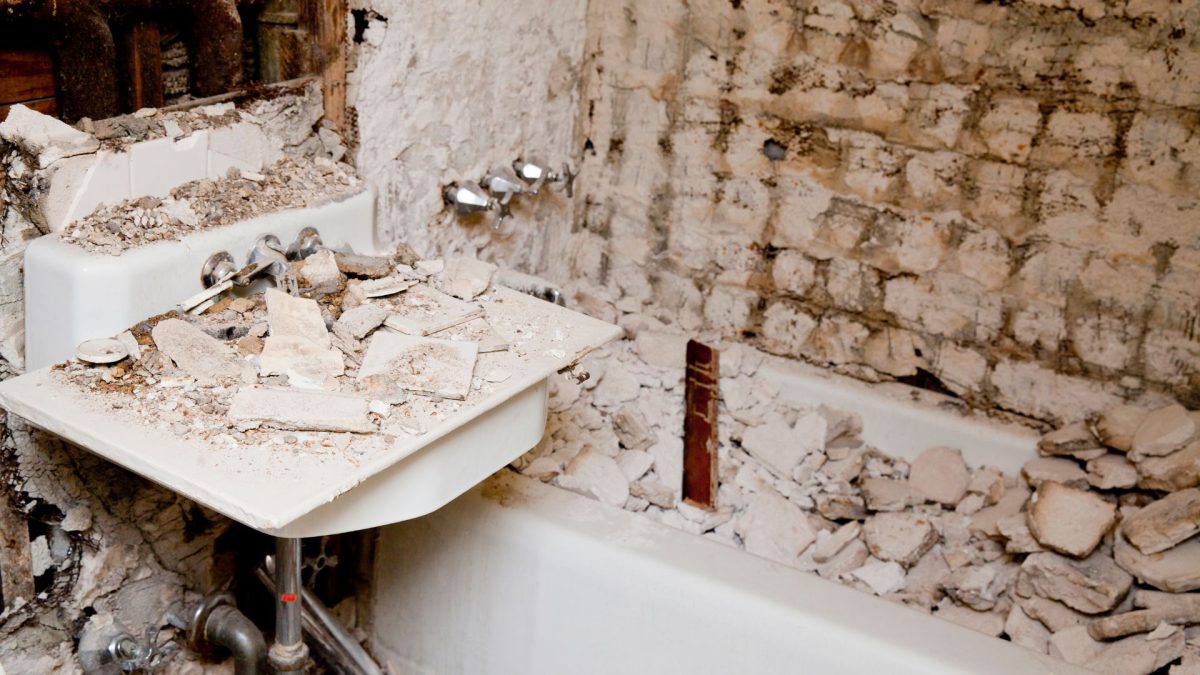
Starting a bathroom renovation requires careful planning to avoid unnecessary complications. Before any walls or fixtures come down, it is important to clear the space completely. Remove personal items, towels, and decorative elements to prevent them from being damaged during demolition. Shutting off the water supply and electricity is crucial to ensure safety while removing plumbing fixtures, cabinets, and tiles. Taking the time to plan the demolition area helps minimize mess and makes the process more efficient. Using protective coverings on floors and adjoining rooms can prevent dust and debris from spreading, which can otherwise turn a simple renovation into a frustrating ordeal. Ensuring that all permits and local regulations are addressed beforehand also smooths the process and avoids legal or logistical setbacks that could delay your project. A well-prepared space sets the stage for a controlled, organized demolition that will save time and effort later in the renovation.
Additionally, gathering the proper tools and safety equipment is essential. Gloves, safety goggles, and dust masks protect against injuries from flying debris and dust. Heavy-duty tools such as sledgehammers, pry bars, and reciprocating saws are useful for efficiently removing fixtures and tearing down walls. Planning for debris removal in advance ensures that materials do not accumulate, creating hazards or slowing progress. By creating a clear strategy for dismantling the bathroom, homeowners can maintain control over the renovation and prevent damage to plumbing, electrical systems, or structural elements. Ultimately, preparation reduces stress, speeds up the process, and lays a solid foundation for the new design.
Removing Fixtures and Cabinets Safely
The careful removal of sinks, toilets, and bathtubs is a critical part of bathroom demolition. Start by draining all water lines and disconnecting plumbing to avoid leaks or flooding. Each fixture should be detached systematically, ensuring that surrounding walls and floors remain intact. Cabinets and vanities should be removed with precision to prevent unnecessary damage to adjoining surfaces. These steps help preserve materials that can be reused or recycled and reduce the risk of costly repairs. Properly organizing the removal process allows the work area to remain manageable and safe, which is essential for maintaining a smooth workflow throughout the demolition. Professional guidance can provide tips for tackling tricky plumbing connections or securing large, heavy pieces for safe removal without injury.
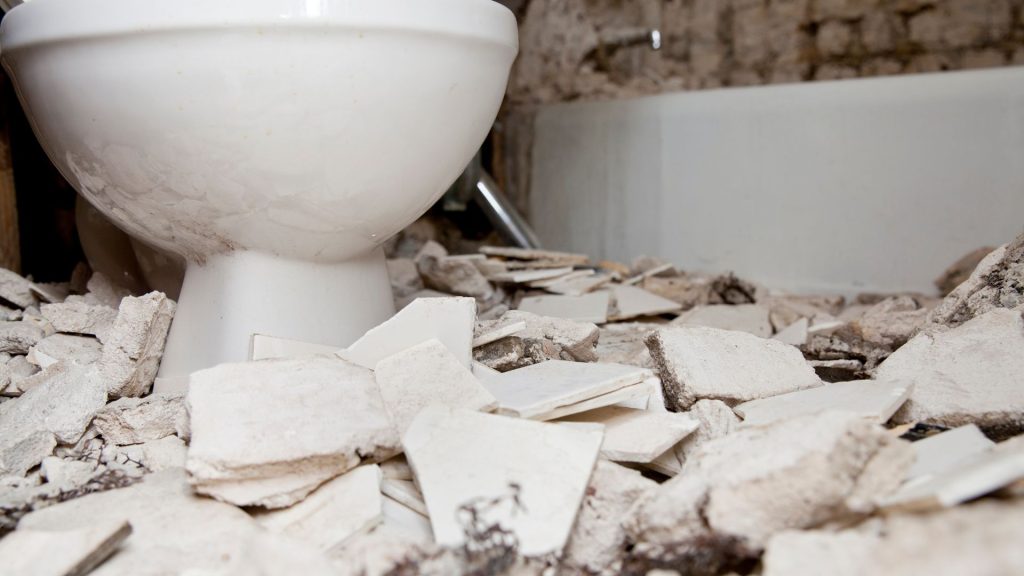
Removing fixtures also involves paying attention to hidden elements behind walls and floors. Plumbing pipes, electrical wiring, and structural supports must be carefully identified before demolition proceeds. Ignoring these components can result in damage, safety hazards, or costly mistakes that could derail the renovation timeline. Using a systematic approach, starting with smaller items and working up to heavier installations, ensures that debris is handled efficiently. This organized approach not only protects the property but also streamlines the overall demolition process. By maintaining focus on safety and strategic removal, the bathroom becomes a clean slate ready for remodeling, minimizing stress and ensuring a smoother renovation.
Demolishing Walls and Flooring
Breaking down walls and flooring requires methodical attention to prevent accidental damage to adjoining spaces. Start by evaluating the type of wall construction and the flooring materials. Drywall can be removed in sheets for easier disposal, while tiles may need to be broken carefully to protect subflooring. Avoiding hasty demolition reduces the risk of structural issues and keeps dust and debris contained. Preparing the room with protective coverings and proper ventilation ensures that the space remains safe and manageable during demolition. Careful planning of wall and floor removal also enables homeowners to identify potential problem areas, such as hidden water damage or mold, which may need remediation before proceeding with new construction.
For flooring, removal techniques vary depending on materials. Tiles may require chisels or pry bars, while vinyl or laminate can be peeled and lifted with less effort. Walls may conceal wiring or plumbing that must be managed safely to prevent disruptions. By following a step-by-step process, the demolition remains controlled, reducing cleanup time and limiting damage to structural elements. Professionals often recommend addressing one section at a time, which allows for careful inspection of all surfaces and ensures debris is removed promptly. This deliberate approach ensures a safe, efficient, and successful demolition, paving the way for a clean installation of new materials.
Handling Debris and Waste Management
Demolition generates significant waste, and proper disposal is critical for a smooth renovation. Sorting debris into recyclable materials and general waste prevents overwhelming your space and promotes environmental responsibility. Large items, including fixtures, tiles, and cabinets, should be strategically placed for removal to maintain a clear work area. Planning for frequent debris removal avoids hazards such as tripping or accidental damage to remaining structures. By setting up designated disposal zones and using durable containers or tarps, homeowners can maintain order during demolition. A clean demolition site reduces stress and makes the installation of new elements more straightforward, creating an efficient transition from old to new.
Professional junk removal services can greatly simplify debris management. Experienced teams have the equipment and knowledge to transport heavy materials safely, recycling or donating items whenever possible. This approach not only expedites cleanup but also minimizes the risk of injury or property damage. Handling waste responsibly enhances the renovation process, ensuring compliance with local disposal regulations. By organizing debris removal before demolition begins, homeowners can maintain a safer, more controlled environment throughout the project. This proactive planning allows the focus to remain on remodeling rather than on managing unexpected clutter or hazards.
Protecting Plumbing and Electrical Systems
Protecting plumbing and electrical systems during bathroom demolition is essential to prevent costly repairs and delays. Before starting, all utilities should be turned off, and plumbing lines and wiring must be clearly identified. Special care is needed when removing fixtures around these systems, ensuring that no pipes or conduits are damaged in the process. Utilizing protective coverings and following systematic removal procedures helps maintain the integrity of water and electrical systems, which is critical for a seamless renovation. Awareness of these elements prevents accidents, leaks, or electrical hazards that could compromise the safety and functionality of the new bathroom. Planning ahead ensures that critical systems remain intact, supporting a smooth construction process.
In addition, hiring professionals or consulting detailed guides can help homeowners navigate complex plumbing and electrical setups. Knowledge of how to disconnect and cap pipes or isolate circuits safely allows demolition to progress without creating expensive problems. Being methodical in handling these components reduces the likelihood of mistakes and streamlines installation of new systems. Maintaining vigilance around utilities not only protects property and occupants but also reinforces a systematic, efficient workflow. Proper care of plumbing and electrical systems during demolition ultimately enhances the overall success of the bathroom renovation project.
Salvaging Materials for Reuse
Reusing materials from a bathroom demolition can save money and reduce environmental impact. Cabinets, tiles, fixtures, and even some plumbing components can often be repurposed in other areas of the home or donated to charity. Identifying which materials are still in good condition before demolition begins allows for selective removal and storage. By carefully dismantling and preserving reusable items, homeowners can contribute to sustainable practices while potentially lowering renovation costs. This process also allows for creative opportunities, such as incorporating salvaged tiles into a backsplash or repurposing cabinetry in a laundry area. Planning for material salvage adds value to the renovation while supporting eco-friendly efforts.
Salvaging also involves evaluating items for safety and functionality before reuse. Broken tiles, cracked sinks, or damaged cabinets should be responsibly recycled or disposed of to prevent hazards. Homeowners can designate specific areas for storing reusable materials, making the reinstallation or repurposing process more straightforward. This methodical approach ensures that demolition debris is managed efficiently while maximizing the benefits of materials that would otherwise be wasted. Thoughtful salvaging supports both the environment and the homeowner’s budget, creating a more rewarding and responsible renovation experience.
Ensuring Safety During Demolition
Safety is paramount when undertaking a bathroom demolition. Wearing appropriate protective gear, including gloves, goggles, and dust masks, reduces the risk of injury from flying debris or sharp objects. Ensuring the workspace is free from trip hazards and maintaining proper ventilation protects both workers and residents from dust and harmful particles. Planning a demolition strategy that prioritizes safety keeps the project moving efficiently while minimizing accidents. Using caution with heavy tools and large fixtures also prevents strain or damage, ensuring that the process remains manageable and controlled. Establishing clear safety protocols before work begins fosters a productive and secure environment throughout the renovation.
Additionally, homeowners should be aware of potential hidden hazards such as mold, asbestos, or lead-based paint. Identifying these risks and taking appropriate precautions, including professional testing or abatement if necessary, reduces health concerns and protects the property. A cautious and informed approach to demolition ensures that every step is handled responsibly. By combining proper safety equipment, careful planning, and awareness of environmental risks, homeowners can create a controlled and efficient demolition process. Prioritizing safety benefits everyone involved and contributes to a more successful renovation outcome.
Working with Professional Help
Hiring professional demolition or junk removal services can greatly enhance the efficiency and safety of a bathroom renovation. Experienced teams provide the necessary tools, expertise, and manpower to handle heavy fixtures, walls, and debris. Professionals can also identify potential challenges early, preventing costly mistakes and minimizing project delays. Collaborating with experts allows homeowners to focus on design and planning while ensuring demolition is conducted effectively and safely. Choosing reliable services with a reputation for thorough, careful work ensures that the renovation proceeds smoothly and avoids unnecessary stress. Professional assistance can make the difference between a chaotic demolition and a well-organized, controlled process.
Professional teams also offer the advantage of managing debris disposal and recycling. Their knowledge of local regulations and sustainable practices ensures that waste is handled responsibly, supporting environmental considerations. Hiring experts can save time, reduce physical strain, and enhance overall project safety. By leveraging the experience of professionals, homeowners gain peace of mind knowing that every step of the demolition aligns with best practices and efficiency standards. This collaboration promotes a more seamless transition from demolition to construction, ultimately achieving a successful bathroom transformation.
Planning for Renovation and Design
After demolition, planning for the new bathroom design is critical. Understanding the layout, plumbing, and electrical requirements ensures that the new space will function effectively and look aesthetically pleasing. Homeowners should consider materials, fixtures, and color schemes that complement the overall home design. Creating a detailed renovation plan allows for smooth coordination with contractors or DIY efforts. Planning also includes budgeting for materials and labor, preventing unexpected expenses that could slow the project. A clear vision of the finished space provides guidance and motivation, ensuring that the renovation moves forward efficiently and aligns with the desired outcome.
Careful consideration of functionality and flow enhances the long-term enjoyment of the bathroom. Placement of storage, lighting, and fixtures should maximize usability while maintaining style. By integrating the demolition findings, such as salvaged materials or structural adjustments, into the design plan, homeowners can create a cohesive, personalized space. Detailed planning minimizes mistakes during construction, ensuring that both aesthetics and practical needs are met. This foresight sets the stage for a bathroom that is both beautiful and functional, reflecting thoughtful renovation choices and maximizing the benefits of the demolition work.
Avoiding Common Mistakes During Demolition
Avoiding common mistakes during bathroom demolition prevents delays and additional costs. Rushing through the process can lead to damage of plumbing, electrical systems, or structural elements, complicating the renovation. Overlooking debris removal or safety precautions increases the risk of injury and slows progress. Properly assessing the room before starting ensures that all elements, including hidden pipes, wiring, or load-bearing walls, are accounted for. Taking a methodical approach, including labeling and organizing removed materials, helps maintain order and minimizes errors. Being aware of potential pitfalls supports a smooth, efficient renovation and reduces frustration during construction.
Careful observation and planning prevent issues such as underestimating the scope of demolition, damaging reusable materials, or creating excessive dust and mess. Consulting guides, tutorials, or professionals can provide insights into tricky areas that may otherwise be overlooked. By maintaining a controlled pace and focusing on safety and organization, homeowners avoid costly setbacks and maintain a clean work environment. Awareness of common mistakes empowers homeowners to anticipate challenges, address them proactively, and ensure that the bathroom demolition sets a strong foundation for a successful renovation.
Conclusion
Undertaking a bathroom demolition can seem overwhelming, but careful preparation, safety measures, and strategic planning make the process much more manageable. Professional services can assist in fixture removal, debris management, and salvaging materials, allowing homeowners to focus on the design and functionality of the new bathroom. Paying attention to plumbing, electrical systems, and structural integrity ensures a smooth transition from old to new. By staying organized, maintaining safety standards, and planning the demolition methodically, homeowners can transform a challenging project into a well-executed renovation. The right approach lays the groundwork for a bathroom that is both functional and visually appealing, enhancing the overall home environment and increasing property value. Hiring experienced teams can also reduce physical strain and streamline timelines, resulting in a stress-free and efficient renovation experience.
For those in Palatine, IL looking to handle bathroom demolition efficiently, 24-7 Junk Removal offers expert junk removal and light demolition services. Their trained teams can remove heavy fixtures, cabinets, and debris safely while ensuring responsible disposal or recycling. With a commitment to professional service, 24-7 Junk Removal at 611 W. Wise Schaumburg, IL 60193 can be contacted at (773) 309-6966 or via email at support@24-7junk.com to schedule assistance. Engaging with reliable professionals ensures that the bathroom renovation proceeds smoothly, providing homeowners peace of mind and a cleaner, safer workspace throughout the project.