

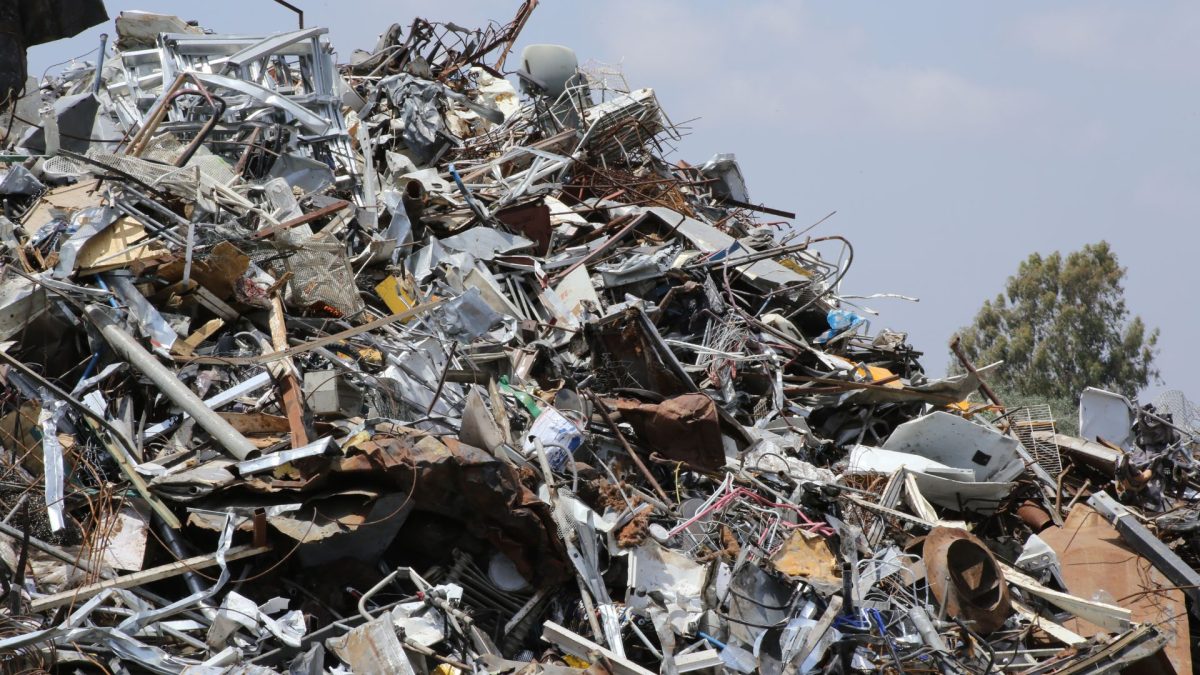
Metal recycling plays a crucial role in minimizing environmental disruption caused by mining. By reclaiming metals from old appliances, vehicles, and construction debris, communities can drastically reduce the demand for freshly mined resources. Mining operations often lead to deforestation, soil erosion, and habitat destruction, impacting local ecosystems and biodiversity. Choosing recycled metals helps mitigate these consequences, ensuring that forests, rivers, and other vital landscapes remain largely untouched. Additionally, recycling metals requires far less energy than extracting and processing ores, which translates into reduced greenhouse gas emissions and lower energy consumption. The conservation of energy further contributes to less environmental strain, reinforcing sustainable practices in everyday life.
Beyond environmental benefits, recycling metals supports resource efficiency by extending the life cycle of existing materials. Instead of letting valuable metals accumulate in landfills, recycling keeps them in circulation, allowing industries to reuse these resources without relying on new mining. This approach not only saves raw materials but also curtails pollution from mining byproducts, such as toxic runoff and particulate matter. By embedding recycling into household and commercial practices, societies can protect natural landscapes, maintain ecological balance, and embrace a future where resource consumption is more responsible and deliberate.
Energy Efficiency Gained Through Reuse
Recycling metals significantly reduces the energy required compared to traditional mining. Extracting metals from ore involves intensive processes like blasting, smelting, and refining, which consume massive amounts of fuel and electricity. In contrast, recycled metals are already processed, and transforming them into usable material demands a fraction of that energy. For example, producing aluminum from recycled scrap uses around ninety percent less energy than mining bauxite and processing it into new aluminum sheets. This energy reduction directly diminishes carbon emissions, contributing to climate change mitigation while conserving fossil fuels for other essential uses.
Moreover, energy savings from metal recycling have broader societal benefits. Lower energy consumption reduces strain on power grids and decreases air pollution associated with energy production, improving overall public health. Industries benefit economically by cutting production costs, and consumers indirectly experience a more sustainable supply chain. Recycling metals also promotes innovation, encouraging technological advancements in collection, sorting, and processing methods. Through reuse, energy efficiency becomes a tangible advantage, creating a circular economy that minimizes waste, maximizes resource value, and lessens the environmental footprint of metal production.
Minimizing Landfill Waste Through Scrap Metal Recovery
Scrap metal recovery prevents vast amounts of waste from ending up in landfills. Metals like steel, copper, and aluminum are highly durable, taking centuries to decompose naturally. When discarded improperly, they occupy valuable landfill space and can leach harmful chemicals into soil and groundwater. By recycling these metals, communities reduce landfill congestion and mitigate potential contamination, creating safer and cleaner environments for both humans and wildlife. Salvaging scrap metal also helps reduce the environmental burden associated with the extraction of virgin resources, linking waste management directly with conservation efforts.
Additionally, recycling encourages responsible disposal habits across households and businesses. People become more conscious of the materials they discard, leading to a culture that prioritizes reuse and environmental stewardship. Commercial sectors can also implement efficient metal recovery programs, ensuring that construction and demolition waste is diverted from landfills. The combination of residential participation and industrial responsibility strengthens community-wide sustainability practices. Ultimately, scrap metal recovery not only safeguards natural spaces but also fosters a practical approach to resource management, reinforcing the importance of thoughtful consumption and disposal in everyday life.
Reducing Water Pollution Through Responsible Metal Processing
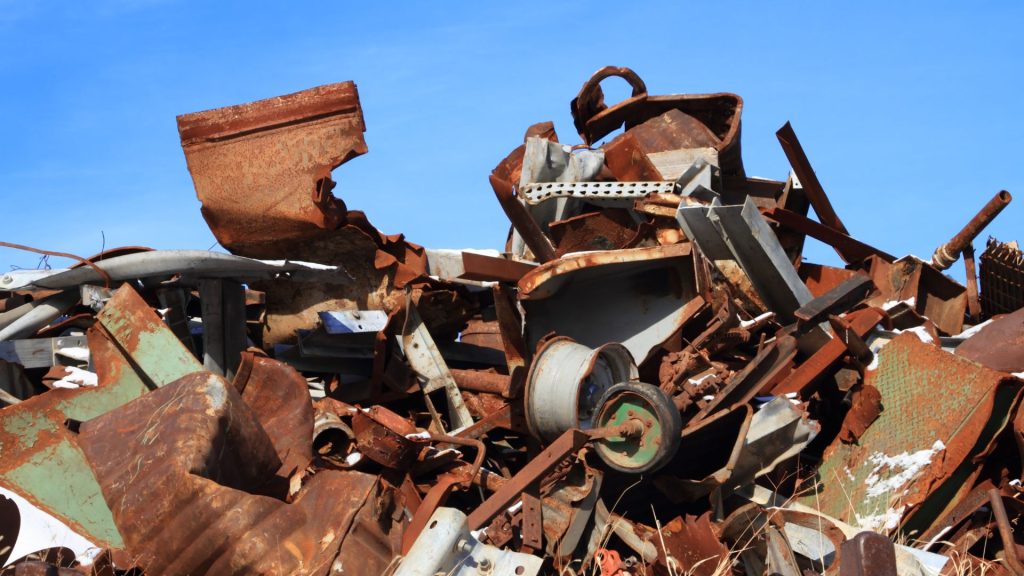
Mining operations frequently contaminate water sources with heavy metals, acids, and other pollutants. These contaminants disrupt aquatic ecosystems, harm wildlife, and can pose health risks to humans relying on local water supplies. Recycling metals offers a cleaner alternative, as it reduces the need for mining and consequently limits water pollution. By diverting metals from old products into new production cycles, we decrease the runoff of harmful substances into rivers and lakes, protecting both environmental and human health. Water conservation is thus intrinsically linked to metal recycling, underscoring the broader ecological benefits of sustainable practices.
Recycling initiatives also foster innovation in processing methods that are less water-intensive. Modern recycling facilities employ advanced filtration, separation, and treatment techniques to recover metals efficiently while minimizing water usage. These practices further reduce the environmental footprint compared to traditional mining, which often involves water-heavy extraction processes. Communities benefit from cleaner water and healthier ecosystems, while industries achieve compliance with environmental standards and regulations. Supporting recycling programs, therefore, becomes a proactive measure to reduce pollution, conserve water, and ensure that metal consumption does not compromise vital aquatic resources.
Economic Incentives Driving Metal Recycling
Recycling metals is not only environmentally responsible but also economically advantageous. Scrap metal markets create jobs in collection, sorting, processing, and resale, contributing to local economies. Businesses can recover value from materials that would otherwise be considered waste, turning old appliances, vehicles, and structural elements into profitable resources. This approach stimulates economic activity while promoting sustainable practices, demonstrating that environmental stewardship and financial gain can coexist. By participating in metal recycling, communities invest in a system that benefits both the planet and the economy.
In addition to direct economic gains, metal recycling helps industries stabilize material costs. Extracting and processing virgin metals involves fluctuating prices tied to resource scarcity and global demand. Utilizing recycled metals provides a more consistent and cost-effective supply, reducing volatility and supporting long-term planning. Smaller businesses and manufacturers also benefit from access to affordable, recycled materials, enhancing competitiveness and innovation. The intersection of economic incentive and environmental responsibility reinforces the importance of metal recycling as a foundational practice in modern resource management, ensuring that both nature and commerce thrive in tandem.
Reducing Greenhouse Gas Emissions From Industrial Production
Industrial production of metals is a major source of greenhouse gas emissions due to energy-intensive processes. Recycling metals significantly mitigates these emissions by requiring less energy and fewer raw materials. For instance, producing steel from recycled scrap releases far less carbon dioxide than conventional steelmaking from iron ore. Lower emissions help slow climate change, improve air quality, and reduce health risks associated with pollution. The shift toward recycling creates a measurable environmental impact, proving that small actions at the individual and corporate level contribute meaningfully to global climate goals.
Furthermore, the use of recycled metals promotes sustainable industrial practices. Companies incorporating scrap metals into production can demonstrate environmental responsibility, reducing their carbon footprint and meeting regulatory standards. This transparency fosters consumer trust and encourages broader adoption of eco-friendly methods across industries. Recycling metals thus functions as a critical tool in reducing emissions, highlighting the interconnectedness of energy conservation, pollution control, and climate action. Through consistent recycling efforts, society can advance toward a cleaner, healthier, and more sustainable industrial landscape.
Supporting Circular Economy Principles
Metal recycling embodies the essence of a circular economy by keeping resources in use for as long as possible. Rather than following a linear model of extraction, use, and disposal, recycled metals are reincorporated into new products, minimizing waste and conserving finite resources. This cyclical approach reduces reliance on mining, encourages material efficiency, and fosters innovation in product design and manufacturing. Communities adopting circular principles benefit from reduced environmental impact and increased resilience in resource management.
Implementing circular economy practices through metal recycling also enhances societal awareness of consumption patterns. Individuals and businesses recognize the value of extending the life cycle of materials, promoting behavioral changes that reduce waste generation. The integration of recycled metals into new products supports sustainable industrial practices while meeting market demands responsibly. By advancing circular economy ideals, metal recycling not only conserves natural resources but also cultivates a culture of mindful consumption and sustainable development, establishing a blueprint for a more resilient future.
Preserving Non-Renewable Resources for Future Generations
Metals such as copper, aluminum, and nickel are non-renewable, meaning their natural supply is finite. Mining these metals excessively threatens their availability for future generations. Recycling mitigates this risk by reintroducing previously used metals into the production cycle, ensuring long-term resource sustainability. This practice allows society to meet current material needs without compromising the ability of future generations to access essential metals. Conserving non-renewable resources through recycling also lessens environmental degradation associated with continuous mining activities, preserving ecosystems and natural habitats.
Encouraging recycling among communities fosters responsibility toward long-term resource management. Educational initiatives, business programs, and municipal recycling efforts raise awareness about the importance of preserving non-renewable materials. When individuals, households, and businesses actively participate in metal recycling, they collectively contribute to safeguarding critical resources. By maintaining a steady supply of metals for future use, society supports innovation, industrial growth, and environmental conservation, ensuring a balanced approach to development that honors both present and future needs.
Reducing Air Pollution From Mining Operations
Mining operations release particulate matter, sulfur dioxide, and other pollutants into the air, impacting air quality and human health. Recycling metals significantly reduces the demand for mining, thereby lowering the volume of pollutants released. By diverting scrap metals from landfills and reusing them, communities help decrease industrial emissions and improve local air quality. Cleaner air reduces respiratory illnesses, supports healthier ecosystems, and enhances the overall quality of life. Metal recycling thus plays a vital role in protecting both environmental and public health by addressing pollution at its source.
Additionally, the decreased reliance on mining operations encourages industries to invest in cleaner technologies and sustainable practices. Recycling creates a feedback loop where demand for eco-friendly processes grows alongside public and corporate awareness. Cleaner industrial operations result in reduced emissions, energy savings, and improved workplace conditions for employees. The combined environmental and health benefits of air quality improvement highlight the essential role of metal recycling in creating sustainable, livable communities that balance industrial activity with ecological preservation.
Reducing Dependency on Imported Metals
Recycling metals helps reduce dependency on imported raw materials, enhancing national resource security. Countries reliant on imports face supply chain vulnerabilities, price fluctuations, and geopolitical risks. By recycling domestically, communities and industries can reclaim valuable metals locally, minimizing reliance on external sources. This practice supports economic stability and strengthens the resilience of domestic industries against global market pressures, making metal recycling a strategic environmental and economic choice.
Local recycling programs also foster community engagement and innovation in metal recovery methods. By establishing domestic processing facilities, cities and towns create jobs, reduce transportation emissions, and promote sustainable development. Industries benefit from more predictable material supply, while communities gain awareness of responsible consumption practices. Reducing dependency on imported metals through recycling aligns environmental stewardship with economic self-sufficiency, demonstrating how sustainability can reinforce both ecological and national interests.
Conclusion
Recycling metals is a powerful tool for conserving resources, reducing energy consumption, and minimizing environmental degradation. By reclaiming metals from old appliances, construction debris, and vehicles, communities reduce the need for mining, which preserves natural landscapes and decreases pollution. Metal recycling also supports economic growth by creating jobs, stabilizing material costs, and fostering innovation in sustainable industrial practices. By adopting responsible recycling habits, individuals and businesses contribute to a more sustainable, circular economy that benefits both the planet and society.
For residents and businesses in Palatine, IL, 24-7 Junk Removal provides reliable and eco-friendly solutions to manage unwanted metal and other junk efficiently. Their team specializes in sustainable disposal practices, ensuring that materials are properly recycled and repurposed whenever possible. Contact 24-7 Junk Removal at (773) 309-6966 to schedule junk removal services and make a positive impact on resource conservation, environmental protection, and community sustainability. Their professional approach ensures that every junk removal project is handled with care, responsibility, and commitment to a greener future.