

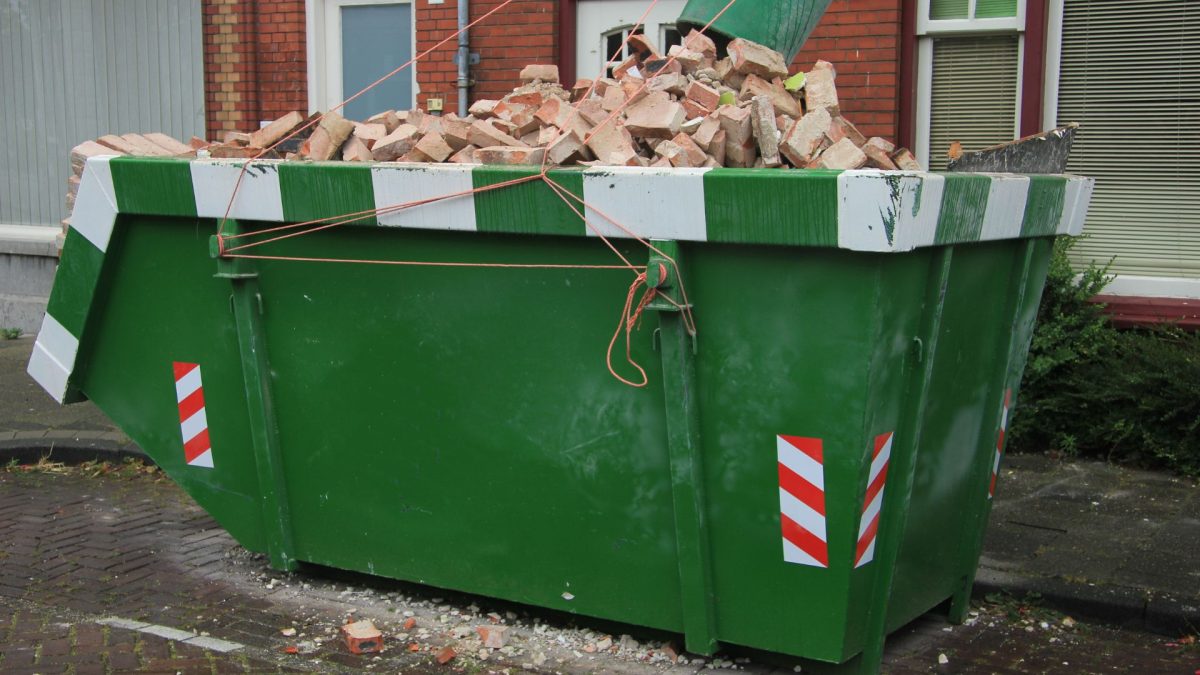
Removing concrete may seem straightforward at first—break it up, haul it away, and the job is done. But in reality, what follows the demolition is often the most complex stage. Concrete debris is bulky, heavy, and difficult to manage without a clear plan. Once torn from the foundation or patio, it quickly becomes more than just rubble—it’s a logistical and safety challenge. Handling large chunks of concrete requires physical effort, proper tools, and a disposal method that aligns with both environmental standards and safety protocols.
Disposing of it improperly can cause issues far beyond clutter. Leaving concrete fragments scattered can harm surrounding soil or create hazards for anyone walking through the site. Dust from broken slabs can linger in the air, posing respiratory concerns. That’s why approaching concrete disposal methodically—knowing where it goes, how to handle it, and when to call in professionals—matters as much as the demolition itself.
Preparing the Worksite Before Concrete Removal Begins
A safe and efficient cleanup begins long before the first hammer or jackhammer hits the surface. Setting up a secure workspace ensures that once removal starts, debris won’t become an uncontrolled mess. Barriers, cones, and clear pathways help define where the waste will go and prevent anyone from wandering into hazardous zones. Marking off the area for loading and disposal saves time later and helps avoid injuries.
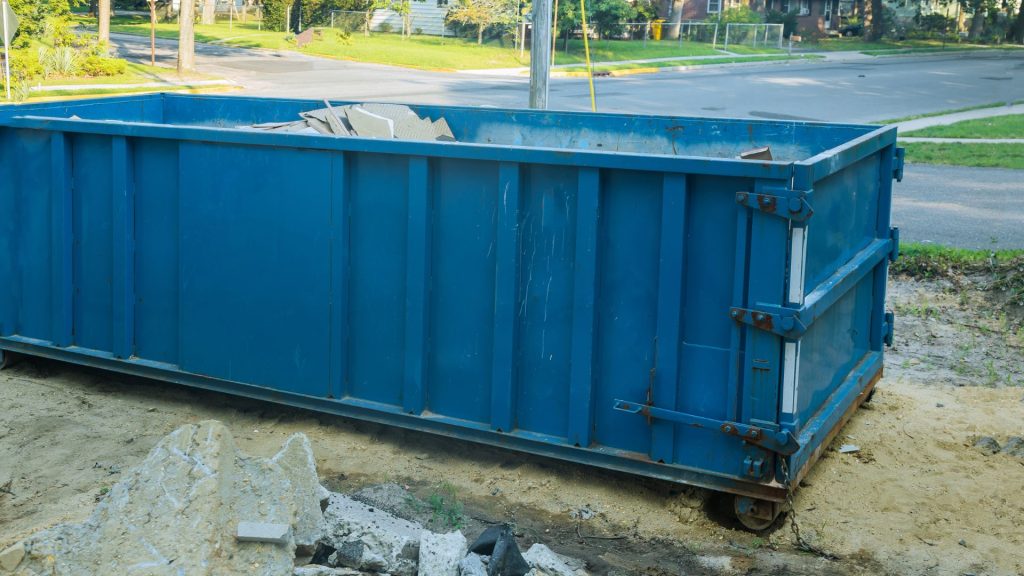
Preparation also includes checking nearby structures, utilities, and landscaping that could be affected during removal. Protective tarps or plastic sheets can help contain dust or prevent smaller fragments from scattering into drains or garden beds. Creating a detailed plan—complete with disposal routes and designated waste piles—reduces stress and makes cleanup feel less chaotic once the real work begins.
Proper Safety Gear for Concrete Debris Handling
Concrete cleanup isn’t just tough on the back—it’s tough on the body. Fragments with sharp edges can cut through skin or clothing, and even fine dust can irritate the eyes or lungs. That’s why equipping yourself with the right safety gear is non-negotiable. Gloves designed for construction work provide grip and cut protection, while heavy-duty boots protect from crushing injuries. A respirator or dust mask prevents inhalation of concrete particles that can cause long-term health issues.
Eye protection, hearing guards, and sturdy work clothes round out the essentials. The goal isn’t just to look the part of a professional—it’s to create a shield between you and the debris. When dust clouds rise or chunks fall unpredictably, having protective gear can make the difference between a smooth job and a trip to the emergency room.
Sorting and Separating Recyclable Concrete Materials
Concrete doesn’t always have to go straight to the landfill. In fact, much of it can be reused or recycled when properly sorted. During cleanup, separating debris by size and type can open up options for recycling facilities. Large pieces may be crushed and repurposed into aggregate for new construction projects, while finer material can serve as a base for driveways or walkways.
Sorting also means keeping contaminants out. If the concrete is mixed with metal, rebar, or other materials, separating those early prevents complications later. Recycling concrete isn’t just environmentally friendly—it can save money and reduce the volume of waste headed to the dump. When done right, what looks like a pile of rubble becomes raw material for something new.
The Importance of Dust Control During Concrete Cleanup
Few people realize how invasive concrete dust can be until it spreads. That fine gray powder lingers in the air, settles on surfaces, and seems to multiply the longer it’s ignored. But aside from the mess, the dust poses serious health and safety concerns. Silica particles in concrete can cause respiratory issues, so keeping it under control should be a top priority.
Moistening the debris before removal can help keep dust from rising. Using industrial vacuums or air scrubbers further reduces airborne particles. Even simple steps like covering debris piles with tarps make a difference. The goal is to keep the cleanup zone breathable and safe, protecting both the workers and the surrounding property from the side effects of fine dust exposure.
Transporting Concrete Waste Safely and Efficiently
Once the debris is collected, the next challenge lies in moving it off-site. Transporting concrete is not a one-size-fits-all process—it demands careful planning and the right equipment. Depending on the amount, it may require heavy-duty bins, wheelbarrows, or dump trailers designed to carry extreme weight without compromising safety.
Improper loading can cause damage to vehicles or even create road hazards if fragments fall during transport. Ensuring that the load is balanced and securely covered prevents spills and keeps other drivers safe. Timing also matters; hauling concrete during non-peak hours can make the process smoother and quicker. With the right preparation, even this heavy job can feel organized and efficient rather than overwhelming.
Responsible Disposal Options for Concrete Debris
Concrete disposal doesn’t mean dumping it at the nearest landfill. Many areas have specific regulations about where and how construction waste can be disposed of. Finding a licensed recycling or disposal facility ensures compliance with local guidelines and reduces environmental impact.
Some facilities charge by weight, while others may even accept clean concrete at a reduced cost or for free, provided it’s uncontaminated. Researching ahead of time helps avoid unnecessary expenses and ensures the material is handled responsibly. Making the effort to dispose of concrete properly keeps communities cleaner and construction practices more sustainable.
Repurposing Concrete for Creative Outdoor Projects
One person’s debris can be another’s creative project. Instead of discarding every last chunk, consider repurposing usable pieces around the yard or garden. Broken slabs can form rustic stepping stones or edging for flower beds. Larger sections may be reused as retaining walls, creating a textured, eco-friendly design.
Reusing concrete isn’t just a budget-friendly approach—it’s a sustainable one. It reduces the carbon footprint of new materials and gives new life to what would otherwise be waste. A bit of imagination can transform leftover debris into something functional and beautiful, extending its purpose far beyond demolition day.
Hiring Professionals for Large-Scale Concrete Cleanup
While some debris removal tasks can be handled by homeowners, large-scale concrete cleanup often requires professional assistance. Heavy equipment, trucks, and trained personnel can complete the job faster and with far less risk. Professionals know how to manage disposal regulations, load debris safely, and ensure every trace of rubble is gone without damaging the surrounding area.
Hiring a team also eliminates the physical toll that comes with lifting and transporting tons of broken concrete. What might take an individual days to complete can often be done in a fraction of the time. When the job is big, trusting professionals isn’t just about convenience—it’s about safety, efficiency, and peace of mind.
Environmental Impact of Improper Concrete Disposal
Discarding concrete irresponsibly can create problems that last far beyond the cleanup phase. When debris ends up in unauthorized areas, it can disrupt ecosystems, pollute waterways, and damage soil integrity. Over time, these effects accumulate, leaving visible scars on the environment.
Choosing eco-conscious disposal and recycling methods ensures the waste contributes positively to new construction or landscaping uses instead of becoming a pollutant. Awareness of the long-term impact helps guide better choices. Every decision—from sorting to transport—plays a role in protecting natural spaces and maintaining community cleanliness.
The Role of Time Management in Concrete Debris Cleanup
Concrete debris cleanup isn’t just about strength and tools—it’s about timing. Managing when to start, how long to dedicate to sorting, and when to haul waste away can make a massive difference in efficiency. Rushing through disposal may lead to safety oversights or overlooked waste piles, while delaying it can slow down renovation progress.
Setting a structured timeline keeps the process flowing smoothly. Starting cleanup as soon as removal ends helps prevent buildup and keeps the site usable. Planning for disposal pickup or recycling drop-off ahead of time turns a potentially chaotic task into a streamlined process that fits neatly into your project schedule.
Conclusion
Dealing with concrete debris after removal can be a demanding process, but when handled with care and foresight, it becomes manageable and safe. From preparing the site and wearing proper gear to recycling and scheduling timely pickups, each step contributes to a smoother experience. Responsible cleanup doesn’t just make your property safer—it protects the environment and upholds community standards.
For those who prefer a hands-off, stress-free approach, 24-7 Junk Removal in Palatine, IL offers expert Junk Removal services designed to handle concrete debris quickly and responsibly. Whether it’s a driveway project or large-scale demolition, their team ensures your space is cleared with precision and care. You can reach them at (773) 309-6966, visit their office at 611 W. Wise Schaumburg, IL 60193, or email support@24-7junk.com for dependable help with concrete disposal and more.