

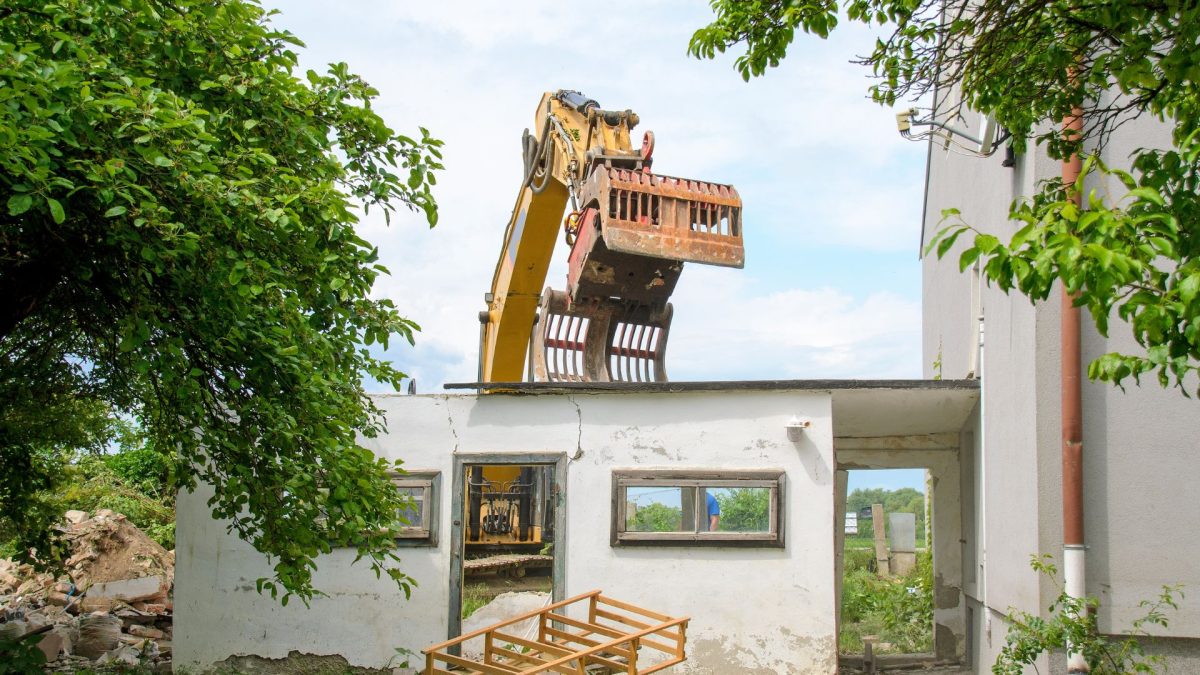
Demolition cleanup after a major renovation can feel overwhelming, but breaking it down into manageable steps can make the process smoother. The first step is to thoroughly assess the debris that has accumulated. From broken drywall and flooring to old fixtures and construction scraps, identifying what materials need to be removed helps prioritize the tasks. Taking note of hazardous items such as nails, sharp edges, or chemical residues is essential for safety. A well-planned assessment not only ensures an efficient cleanup but also prevents accidental injuries or damage to your property during the process. Considering the scale of your renovation, it’s crucial to have a clear plan for both sorting and disposing of materials.
Once you have a complete understanding of the debris, you can organize the cleanup strategically. Begin by creating separate areas for recyclable materials, general waste, and items that might be repurposed. This segmentation allows you to streamline the removal process and reduce unnecessary trips to disposal sites. Equipping yourself with the right protective gear—gloves, goggles, and sturdy footwear—is necessary for safety. Planning ahead also involves arranging tools and containers for hauling debris efficiently. With careful preparation, the initial daunting sight of post-renovation mess transforms into a structured approach, ensuring that your property is cleared without adding stress to your renovation completion.
Prioritizing Safety During Debris Removal
Safety should be the cornerstone of any demolition cleanup. Construction debris often includes sharp objects, unstable materials, and potential chemical hazards. Ensuring that all participants wear appropriate safety gear protects against common injuries. Thick gloves shield hands from jagged edges, goggles prevent eye damage from dust or flying particles, and proper footwear prevents slips and punctures. For larger debris like concrete chunks or heavy furniture, using lifting tools or asking for additional help reduces strain and prevents accidents. It’s also wise to check structural areas for stability, particularly if walls or flooring have been partially removed.
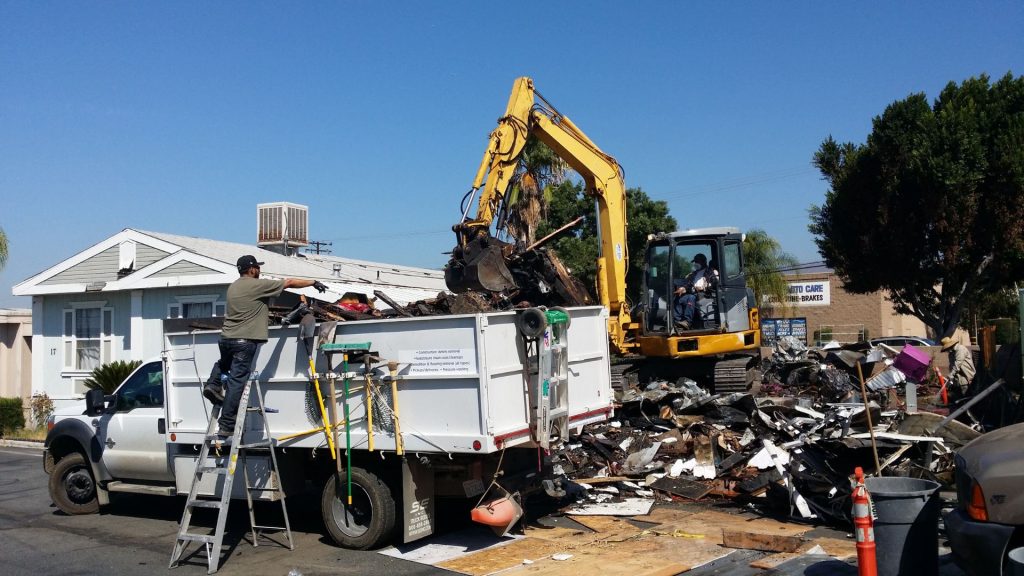
Beyond personal safety, securing the area from unintended access helps prevent accidents. Keeping children and pets away from the cleanup site ensures that hazards remain contained. For indoor renovations, ventilating the space limits dust inhalation and maintains air quality. For outdoor projects, creating a barrier between debris and landscaping avoids unnecessary damage to gardens or pathways. By embedding safety measures into every step of the cleanup, you create an organized environment where removal can proceed efficiently without unexpected mishaps. Maintaining awareness and prioritizing safety transforms what could be a chaotic task into a controlled and secure process.
Efficient Sorting and Disposal of Materials
Sorting demolition debris effectively is key to a smoother cleanup. Materials like wood, metal, concrete, and plastics should be separated into designated piles. This practice not only streamlines disposal but also increases opportunities for recycling or repurposing. Identifying items that can be donated or reused prevents excessive waste while contributing to sustainable practices. It’s helpful to have sturdy containers or bins to hold sorted materials as you work through the site, minimizing scattering and simplifying transport.
Disposal planning involves researching local regulations and facilities for construction waste. Some debris might be accepted at recycling centers, while other items require specialized handling. For example, certain metals can be recycled for profit, and untreated wood can be repurposed for future projects. Clear labeling of disposal categories prevents confusion and accidental mixing of materials. By establishing a system of separation and thoughtful disposal, the demolition cleanup becomes more efficient, environmentally conscious, and less labor-intensive, making it easier to restore the space to a functional, clutter-free state.
Handling Hazardous and Heavy Debris
Heavy and hazardous debris requires careful handling to prevent injury and environmental contamination. Items such as asbestos-containing materials, old insulation, and certain chemicals must be treated with strict safety protocols. Consulting professional guidelines for removal and disposal ensures compliance with local laws and avoids potential health risks. For heavier materials, using wheelbarrows, dollies, or mechanical assistance is crucial to reduce physical strain and prevent accidents. Proper lifting techniques, including bending at the knees and keeping the back straight, are essential when moving bulky items.
Planning the removal of hazardous items often includes protective barriers and containment. Plastic sheeting, sealable containers, and appropriate labeling can minimize exposure risks. Additionally, scheduling removal during daylight hours or when help is available ensures safe execution. Handling debris with care not only protects you but also ensures that the surrounding property remains unharmed. By dedicating time and attention to hazardous and heavy materials, the cleanup becomes manageable, safe, and in compliance with necessary safety and environmental standards.
Utilizing Professional Assistance When Needed
Engaging professional junk removal services can make a substantial difference in demolition cleanup efficiency. Professionals bring the expertise, tools, and labor necessary to handle large volumes of debris quickly and safely. They are also equipped to manage hazardous materials that may require special handling or disposal. Opting for professional help reduces the physical burden on homeowners while ensuring adherence to local disposal regulations. This approach allows the renovation space to be cleared promptly without compromising safety or property integrity.
Professional teams can also provide guidance on recycling and donation opportunities for usable materials. Their knowledge of local regulations and disposal facilities minimizes the risk of fines or environmental violations. Moreover, scheduling a professional service allows for predictable timelines, enabling other post-renovation tasks to proceed without delay. By outsourcing part of the demolition cleanup, you gain efficiency, compliance, and peace of mind, transforming what might otherwise be a laborious and stressful task into a streamlined process.
Cleaning Tools and Equipment Essentials
Having the right tools is critical for effective demolition cleanup. Essential equipment includes heavy-duty trash bags, bins, brooms, shovels, dustpans, and containers for sorting recyclables. For larger debris, dollies, wheelbarrows, and even power tools like reciprocating saws or drills may be necessary. Organizing tools in advance prevents interruptions and allows the work to progress steadily. Ensuring accessibility and readiness of all equipment reduces downtime and increases efficiency.
Regular maintenance of tools during the cleanup process also plays a vital role. For example, keeping blades sharp, checking for wear, and cleaning dust from surfaces ensures both effectiveness and safety. Preparing a designated area for tool storage helps maintain order and prevents accidents caused by misplaced equipment. By equipping yourself properly and maintaining the tools during the cleanup, the task becomes far more manageable, safe, and productive, ultimately saving both time and energy.
Waste Reduction Through Recycling and Donation
Reducing waste during demolition cleanup benefits both the environment and your overall project efficiency. Identifying materials that can be recycled, such as metals, certain plastics, and untreated wood, prevents unnecessary landfill use. Donation of items that remain in good condition, such as cabinets, fixtures, and appliances, extends their lifespan and supports community initiatives. This mindful approach to disposal not only reduces environmental impact but also creates opportunities for tax deductions and community assistance.
Planning recycling and donation efforts requires coordination with local facilities and organizations. Some items may need to be cleaned or prepared in specific ways to qualify for donation. Recycling centers may have guidelines on acceptable materials, requiring separation and labeling. By adopting proactive recycling and donation strategies, demolition cleanup becomes a sustainable practice, transforming the process from purely waste removal into a chance to contribute positively to the community and the environment.
Post-Cleanup Surface Preparation
Once the debris is removed, attention turns to preparing surfaces for the next steps in renovation or finishing touches. Sweeping, vacuuming, and washing surfaces ensures that dust, residues, and small particles are eliminated. For flooring, walls, and countertops, inspecting for hidden damages or imperfections allows timely repairs before proceeding with painting or installation. Thorough surface preparation not only enhances the aesthetics but also contributes to the durability and longevity of finished renovations.
Surface preparation may also include minor sanding, filling cracks, and applying protective coatings as needed. Taking the time to properly prep surfaces after cleanup ensures that subsequent steps are not compromised by residual debris or unnoticed damage. By approaching this stage with care, the overall quality of the renovation is enhanced, and the cleaned space is ready for practical use, making all prior cleanup efforts worthwhile.
Organizing Disposal Logistics Efficiently
Efficient disposal logistics are essential to avoid repeated trips and wasted time. Planning routes to recycling centers, landfills, or donation facilities, and scheduling pick-ups in advance, reduces delays and streamlines the cleanup. For larger renovations, considering rental dumpsters or professional hauling services can consolidate debris removal, saving labor and transportation costs. Establishing a clear plan for disposal also allows multiple workers to operate efficiently without bottlenecks.
In addition, keeping a log of what has been removed, transported, or recycled prevents confusion and ensures accountability. Communication among team members or service providers helps maintain a smooth workflow and reduces the likelihood of overlooked debris. Organizing disposal logistics thoughtfully transforms a chaotic cleanup into a coordinated operation, saving time, reducing effort, and ensuring that debris is handled responsibly and efficiently.
Maintaining Safety After Cleanup
Even after the bulk of debris is removed, safety considerations remain important. Small nails, screws, and splinters may still pose hazards if left unattended. Conducting a final walkthrough, inspecting surfaces, and ensuring that all hazardous materials have been disposed of properly reinforces safety. Additionally, storing leftover tools and materials securely prevents accidents and protects children, pets, and other property inhabitants.
Maintaining safety also includes proper ventilation and dust control after cleanup. For indoor projects, running fans, using air purifiers, or wiping down surfaces ensures the space is safe for occupancy. For outdoor areas, confirming that walkways and surrounding landscaping are free of hazards contributes to a fully safe environment. By staying vigilant and implementing post-cleanup safety measures, the renovation site transitions from a work zone into a safe, usable space.
Conclusion
Handling demolition cleanup after a major renovation requires planning, safety awareness, and strategic execution. Assessing the debris, sorting materials, and ensuring safe handling form the backbone of an effective cleanup process. Incorporating proper tools, recycling, and donation practices further streamlines the task while contributing positively to the environment. Professional assistance can accelerate removal, especially for hazardous or bulky items, while organized logistics minimize delays and enhance efficiency. Post-cleanup surface preparation and continued safety vigilance ensure that the renovated space is both functional and secure.
For residents of Palatine, IL, 24-7 Junk Removal offers reliable and efficient junk removal services to tackle post-renovation cleanup. Their team of professionals can manage everything from heavy debris to hazardous materials, providing a hassle-free experience. Contact 24-7 Junk Removal at (773) 309-6966 or visit 611 W. Wise Schaumburg, IL 60193 to schedule a service. For inquiries, email support@24-7junk.com. With expert guidance and dedicated support, your post-renovation space can be transformed quickly and safely into a clean, organized, and ready-to-use environment.