

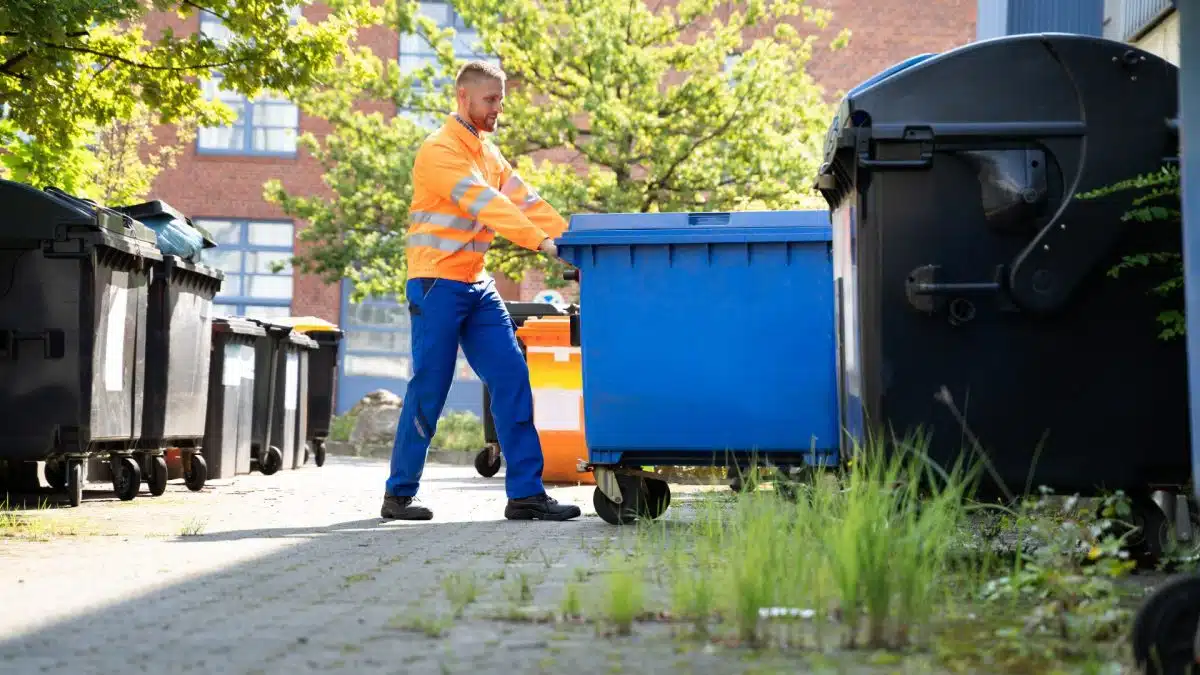
In many warehouses, the accumulation of unused items and hidden clutter slowly eats away at available space. These overlooked materials, from outdated equipment to excess packaging, occupy areas that could otherwise be utilized for productive purposes. Taking the time to identify these items requires a thorough inspection and an honest assessment of what is truly necessary. By mapping out areas where items are stored unnecessarily or inefficiently, warehouse managers can create a plan to reclaim valuable square footage. The goal is to separate essential inventory from items that are redundant or no longer serve a purpose. This process often reveals hidden pockets of space that can dramatically improve warehouse efficiency.
Once clutter is identified, it’s essential to categorize items for removal or repurposing. Decisions should be made based on frequency of use, value, and potential for donation or recycling. The elimination of excess items not only frees up physical space but also reduces the complexity of inventory management. With less clutter, workflows can become smoother, and employees can locate and retrieve materials faster. The cumulative effect of this practice is a more organized, accessible, and safer warehouse environment, setting the stage for implementing a strategic junk removal plan that maximizes storage potential and operational efficiency.
Implementing a Strategic Junk Removal Plan
Creating a structured junk removal plan is a pivotal step toward optimizing warehouse space. A well-thought-out plan should outline which items need to be removed, how they will be disposed of, and the timeline for completion. By approaching junk removal strategically, warehouses can avoid the pitfalls of haphazard decluttering, which often leads to inefficiency or even temporary chaos. Scheduling regular removal sessions ensures that waste does not accumulate again, and adopting a consistent process helps maintain a streamlined environment over time. The focus should always be on achieving long-term spatial optimization rather than short-term tidying.
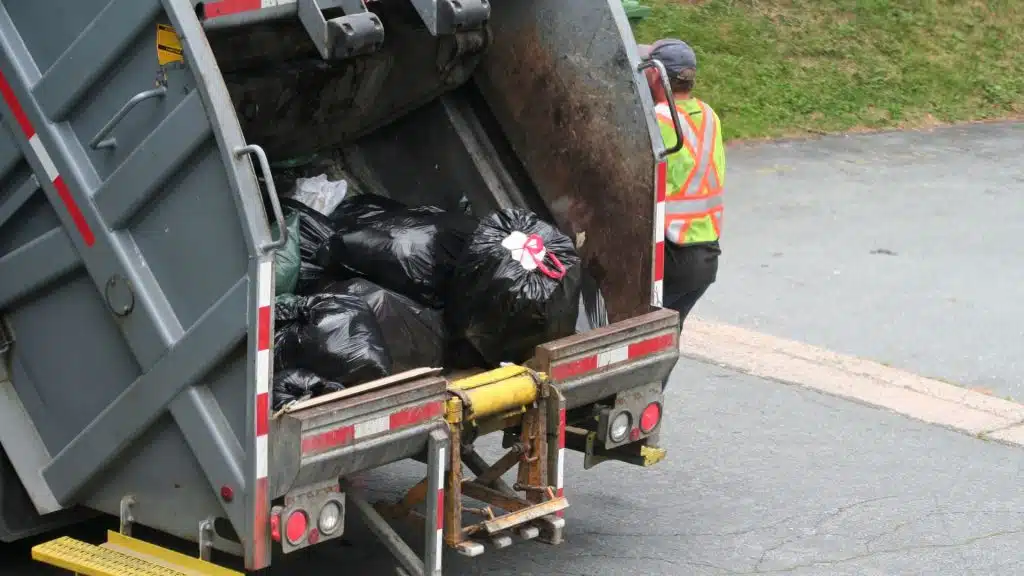
A successful strategy involves coordination with professional removal services to handle bulky or hazardous items safely. Engaging experts ensures compliance with environmental regulations while freeing internal staff for operational tasks. Additionally, a strategic plan can integrate sorting for recycling and donation, reducing the environmental impact of warehouse cleanup. Clear documentation of removed items also helps track inventory and can provide insight for future purchasing decisions, avoiding unnecessary stockpiling. By combining planning, professional assistance, and systematic organization, warehouses can achieve a more spacious and functional layout that supports higher productivity and safer operations.
Maximizing Vertical Storage Options
One often overlooked method to expand usable warehouse space is the effective use of vertical storage. Shelving units, racks, and mezzanine platforms can transform wasted vertical space into valuable storage areas. This approach not only increases capacity without enlarging the warehouse footprint but also facilitates easier access to stored items. By stacking inventory strategically and using durable, adjustable shelving, warehouses can make full use of the height of their spaces, reducing congestion on the floor. Vertical storage also improves visibility and organization, allowing staff to quickly locate and retrieve items without sifting through piles of clutter.
Implementing vertical solutions should be done carefully, considering weight limits, safety protocols, and the frequency of item retrieval. Equipment such as forklifts or ladder systems may be necessary to safely access higher levels. Organizing items by size, weight, and accessibility ensures efficiency while preventing accidents. Vertical storage, combined with the removal of unnecessary items, allows warehouses to operate at peak capacity. This approach transforms previously underutilized space into a well-organized system, where every cubic foot contributes to overall operational productivity and safety.
Efficient Layout Reconfiguration
Reconfiguring the layout of a warehouse can drastically improve space utilization and workflow efficiency. Often, the original design of storage and aisles may not reflect current operational needs. By analyzing movement patterns and storage demands, warehouse managers can create layouts that minimize wasted space and streamline access to frequently used items. This may involve relocating bulky or rarely used items to less accessible areas and ensuring that high-demand products are positioned for optimal retrieval. Efficient layout planning reduces bottlenecks, enhances safety, and allows for easier integration of new inventory or equipment.
Adjustments in layout should also consider the balance between storage density and accessibility. Narrow aisles can maximize storage but may hinder movement, while wider aisles improve efficiency but reduce capacity. Finding the right mix tailored to specific warehouse operations is crucial. Using modular or movable storage systems provides flexibility to adapt to changing inventory volumes. This method, combined with regular junk removal, ensures the warehouse remains dynamic, capable of handling growth without compromising safety or accessibility.
Leveraging Seasonal and Demand-Based Inventory Management
Seasonal fluctuations and shifting demand patterns can cause warehouses to retain excess stock that occupies valuable space unnecessarily. Implementing demand-based inventory management ensures that only the required quantities are kept on-site, reducing storage clutter. Items not needed immediately can be relocated, donated, or recycled, freeing room for active inventory. By aligning storage practices with actual usage trends, warehouses maintain better organization and prevent the accumulation of obsolete or redundant products. This approach supports a more agile and responsive supply chain, enhancing operational efficiency while maximizing available space.
Effective management includes tracking sales data, forecasting demand, and establishing reorder points to maintain optimal stock levels. Excess inventory identified during these analyses can be scheduled for removal, either through redistribution to other facilities, donation, or recycling programs. Regular reviews of inventory ensure space remains flexible to accommodate new or high-priority items. This proactive management approach prevents warehouses from becoming overfilled and maintains a clean, organized environment that supports both efficiency and safety.
Streamlining Aisles and Pathways
Clear, organized aisles and pathways are fundamental to an efficient warehouse layout. Cluttered or blocked passages reduce accessibility, increase the risk of accidents, and limit operational speed. Streamlining these areas by removing unnecessary items and installing designated storage zones improves both safety and efficiency. Straight, unobstructed paths allow for quicker movement of forklifts, pallet jacks, and staff, reducing time wasted navigating around obstacles. The visibility gained from open pathways also aids in inventory checks and emergency preparedness, making it a critical aspect of warehouse optimization.
To maintain streamlined aisles, it is important to establish consistent storage protocols. Items should be categorized and placed in specific zones according to frequency of use and weight. Implementing visual cues like signage and floor markings helps enforce proper organization. Routine inspections and cleanup schedules ensure that aisles remain free of obstructions. By combining these practices with targeted junk removal, warehouses can achieve a safe and efficient operational flow, enhancing productivity and reducing the potential for workplace injuries.
Enhancing Workflow with Designated Zones
Designated zones within a warehouse can significantly improve workflow efficiency. Assigning specific areas for receiving, processing, storage, and shipping creates a clear operational structure, minimizing confusion and wasted movement. Each zone can be organized according to the type of items it handles, whether that be high-value equipment, bulk storage, or perishable goods. By defining these zones and keeping them free of unnecessary clutter, warehouses improve employee efficiency and reduce errors in handling inventory. Organized zones also make it easier to implement quality control measures and maintain accountability for stored items.
Creating and maintaining these zones involves regularly reviewing inventory placement and removing items that no longer belong. A warehouse that adopts a structured approach to zoning allows for smoother transitions between tasks, reducing downtime and enhancing productivity. This system works best when combined with a consistent junk removal program, ensuring that each area remains optimized for its specific purpose. Over time, designated zones contribute to a more organized, accessible, and productive warehouse environment.
Integrating Technology for Space Optimization
Technology can play a crucial role in optimizing warehouse space. Digital inventory systems, barcode scanning, and automated tracking allow managers to monitor stock levels accurately and identify areas where space is underutilized. By integrating technology into warehouse management, it is possible to plan storage solutions more efficiently and anticipate future space needs. Technology can also assist in scheduling junk removal and tracking disposed items, ensuring that space-clearing initiatives are documented and consistently executed. This approach maximizes space utilization while maintaining a high level of organization and accountability.
Using technology effectively involves analyzing data collected through inventory systems to identify trends in item turnover, storage patterns, and waste generation. Predictive analytics can guide decisions on what to remove, recycle, or reorganize, ensuring proactive space management. Coupled with physical junk removal, technological integration creates a warehouse environment where every inch is accounted for, and storage decisions are informed by real-time data. This synergy between digital tools and practical cleanup strategies results in a highly optimized and responsive warehouse layout.
Prioritizing Safety During Space Optimization
Safety should remain a top priority when removing junk and reorganizing warehouse space. Overloaded shelves, unstable stacks, and poorly placed items pose risks to employees and equipment. Ensuring that all removed items are disposed of properly and that remaining storage is secure prevents accidents and promotes a culture of safety. Adequate lighting, proper signage, and safety protocols should accompany any space optimization effort. By prioritizing safety, warehouses can maximize space without compromising the well-being of staff or the integrity of stored goods.
Safety measures should be integrated into every stage of the junk removal and reorganization process. Staff training, regular audits, and adherence to occupational health guidelines ensure that space optimization does not create new hazards. Maintaining clear zones for emergency exits and handling hazardous materials correctly are essential practices. When combined with a systematic junk removal program, these precautions foster a secure environment where warehouse operations are efficient, organized, and compliant with safety standards.
Continuous Review and Maintenance
Maximizing warehouse space is not a one-time effort but an ongoing process that requires regular review and maintenance. Consistent inspections, inventory audits, and cleanup routines help identify potential issues before they escalate. By establishing a culture of continuous improvement, warehouses can adapt to changing inventory needs and prevent space from becoming constrained over time. This proactive approach ensures that the benefits of junk removal are sustained and that warehouse efficiency remains high. Implementing checklists, schedules, and accountability measures helps maintain organization and keeps clutter from accumulating again.
Maintenance should include periodic reassessment of storage systems, removal of obsolete items, and updates to operational procedures based on observed inefficiencies. Engaging employees in the process promotes awareness and responsibility, fostering a collaborative effort toward space optimization. By treating space management as a continuous cycle, warehouses ensure long-term operational effectiveness, safety, and organization, making full use of available resources while reducing the stress of sudden, large-scale cleanouts.
Conclusion
Optimizing warehouse space through junk removal transforms not only the physical environment but also the operational efficiency of the facility. A clean, well-organized warehouse promotes safety, improves workflow, and creates room for future growth. Establishing a consistent junk removal routine ensures that clutter does not accumulate and that space remains flexible and accessible. By prioritizing organization and systematically removing unnecessary items, warehouses can maximize every available square foot while supporting efficient inventory management, streamlined processes, and enhanced employee productivity.
For businesses seeking professional support, 24-7 Junk Removal in Palatine, IL offers comprehensive junk removal services tailored to warehouse optimization. Their team can safely remove bulky, outdated, or unwanted items, providing a cleaner and more functional workspace. To schedule services, contact them at (773) 309-6966 or visit their location at 611 W. Wise Schaumburg, IL 60193. Whether it’s for reorganizing storage, improving workflow, or reclaiming lost space, their expertise ensures that warehouse environments are efficient, safe, and clutter-free, supporting long-term operational success.