

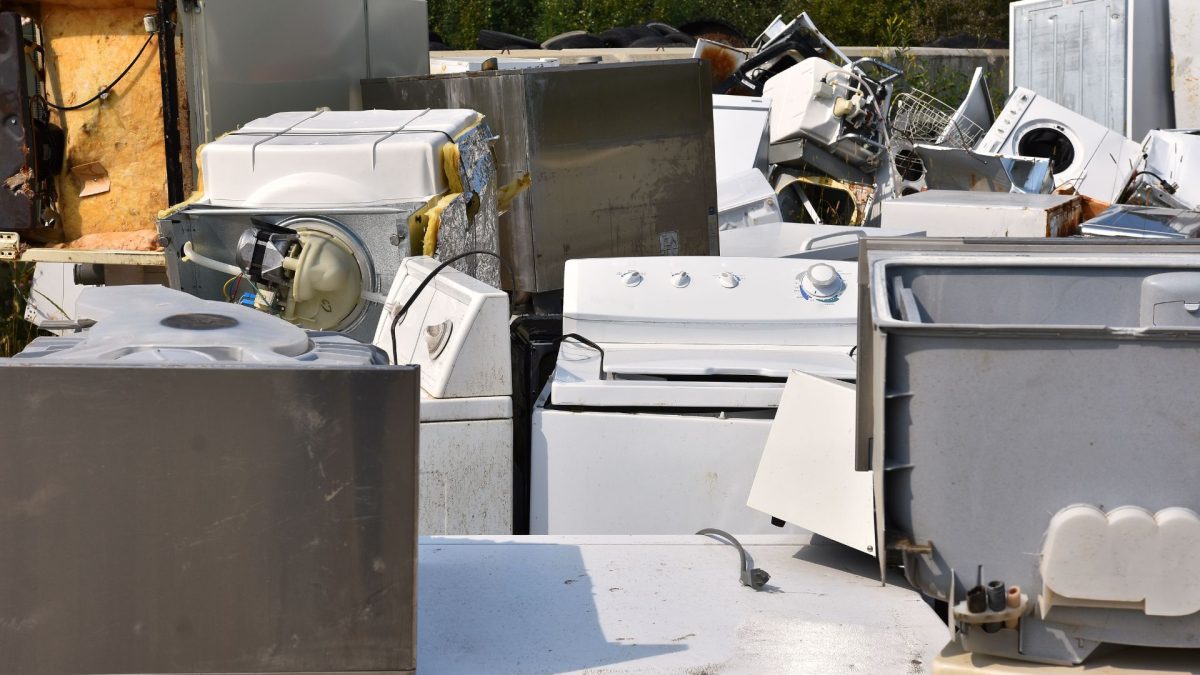
Unused commercial appliances can take up valuable space in your workspace and create clutter that affects the overall efficiency of your business. Many businesses accumulate old or outdated equipment over time and often leave it in storage areas, warehouses, or kitchens. Proper disposal is not just about freeing space; it also helps prevent safety hazards such as electrical fires, chemical leaks, or injuries from heavy machinery. Disposing of appliances responsibly ensures that harmful materials like refrigerants, metals, and electronic components do not end up contaminating the environment. It is essential to recognize that these appliances are more than just discarded items—they require careful handling and planning to be removed safely from your premises.
Moreover, taking the time to organize and plan your appliance disposal can save your business both time and money. Instead of leaving equipment to deteriorate or attempting to transport it without proper tools or support, a structured approach to removal will allow you to focus on your core business operations. Coordinating with a professional junk removal service ensures that appliances are dismantled and transported safely, avoiding damage to your property or potential fines for improper disposal. The process also opens the door to recycling opportunities, as many parts of commercial appliances can be repurposed or responsibly recycled, further reducing your business’s environmental impact while maintaining a clutter-free work environment.
Identifying Appliances That Need to Be Disposed
Determining which appliances to dispose of can be challenging, especially when equipment still appears functional but no longer serves your business’s needs. Items like old refrigerators, ovens, ice machines, and dishwashers can be difficult to store if they have outlived their usefulness or require expensive repairs. Identifying appliances that are inefficient, outdated, or occupying unnecessary space helps streamline your removal process and prevents the temptation to keep unnecessary items that add to workplace clutter. It is helpful to conduct a thorough inventory of all appliances to assess their condition, functionality, and potential value for resale or recycling.
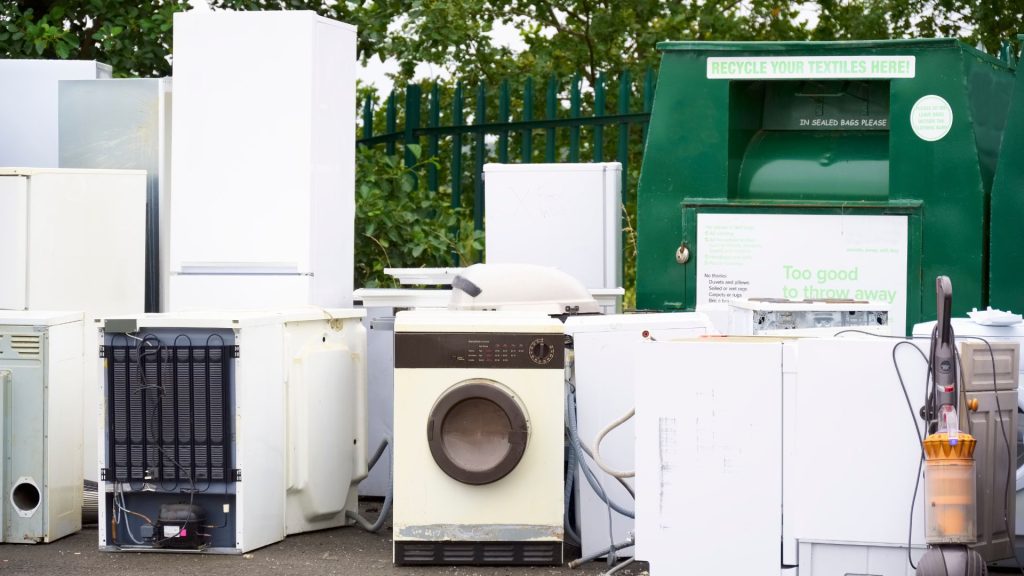
Once you have identified the appliances for disposal, it is critical to plan the logistics of removing them from your facility. Many commercial appliances are heavy, bulky, or require disassembly, making DIY removal a risky proposition. Proper handling ensures no damage occurs to your business space and that the appliances are transported safely. Additionally, being able to categorize appliances based on their material composition allows you to work with disposal professionals who can recycle metals, plastics, or electronic components effectively. Careful assessment before removal not only minimizes hazards but also opens opportunities for sustainable practices that align with your business’s environmental goals.
The Risks of Improper Appliance Disposal
Disposing of commercial appliances incorrectly can lead to serious consequences for your business. Environmental hazards are a significant concern, as improper handling of refrigerants, batteries, and electronic components can cause contamination. These chemicals can seep into the soil or water supply if appliances are simply discarded in unauthorized locations. Beyond environmental damage, businesses may also face legal repercussions if local regulations regarding commercial appliance disposal are ignored. Fines, penalties, and potential lawsuits can arise from noncompliance, making it clear that improper disposal is a costly mistake to avoid.
Another major risk lies in personal injury or damage to your property. Many commercial appliances are heavy, awkward to maneuver, and contain sharp edges or delicate components. Attempting to move these items without proper equipment or expertise can result in accidents, back injuries, or damage to floors, walls, and doors. Working with trained professionals who understand how to safely dismantle, lift, and transport large appliances is the most effective way to mitigate these risks. They ensure your business remains compliant, safe, and environmentally responsible while efficiently removing clutter that no longer serves your operational needs.
Exploring Environmentally Responsible Disposal Options
Choosing environmentally responsible methods for appliance disposal benefits both your business and the planet. Many commercial appliances contain recyclable metals and plastics that can be repurposed into new products. By recycling components rather than sending them to landfills, your business contributes to sustainability initiatives and reduces the environmental footprint of discarded items. Additionally, certain appliances, such as refrigerators and air conditioners, contain hazardous chemicals that must be removed and neutralized to prevent pollution. Partnering with professionals ensures these materials are handled correctly, aligning your business with environmental best practices and local regulations.
Environmentally responsible disposal also enhances your company’s reputation and demonstrates a commitment to sustainability. Clients and stakeholders increasingly value businesses that prioritize eco-friendly practices. By ensuring your old appliances are responsibly removed and recycled, you send a message that your business cares about more than just profits. This approach not only reduces waste but also creates opportunities for resource recovery. Many junk removal services have established partnerships with recycling centers and manufacturers who accept used appliance components, making it easier than ever to dispose of equipment responsibly while contributing positively to your local community.
Planning a Commercial Appliance Removal Strategy
A well-thought-out removal strategy is key to efficiently disposing of commercial appliances. This involves determining which appliances need removal, arranging their transport, and coordinating timing to minimize disruption to your business operations. Planning helps ensure that appliances are removed safely without interfering with daily activities, such as customer service or food preparation in commercial kitchens. Scheduling a removal service at a convenient time allows your staff to focus on their responsibilities while professionals handle the heavy lifting and transportation tasks, reducing stress and minimizing workplace hazards.
Strategic planning also includes considering the cost and resources required for disposal. Understanding the logistics, including whether appliances require disassembly or specialized equipment, ensures that removal is executed smoothly. Businesses that plan ahead can also explore recycling options and donation programs, potentially offsetting disposal costs. By creating a structured approach to appliance removal, companies not only ensure safety and compliance but also maintain a clean, organized workspace. This proactive strategy streamlines the process, saves time, and maximizes the value derived from responsible appliance disposal.
Choosing the Right Junk Removal Service
Selecting the right junk removal service is essential to a hassle-free appliance disposal experience. A reliable service will handle the lifting, transportation, and disposal of commercial appliances with professionalism and efficiency. They have the experience, tools, and vehicles required to safely remove large or heavy items without causing damage to your property. Working with a reputable company ensures that appliances are disposed of in accordance with environmental regulations, which reduces the risk of fines or liabilities associated with improper disposal.
Additionally, a quality junk removal service can provide flexible scheduling options tailored to your business needs. They understand that minimizing disruptions to daily operations is critical, and they work efficiently to remove appliances quickly and safely. Professional services often have established partnerships with recycling centers, donation programs, and waste processing facilities, making it easier for your business to follow environmentally responsible practices. By choosing the right service, you save valuable time and resources while ensuring that your commercial appliances are removed, recycled, or disposed of properly and responsibly.
Disassembly and Preparation Before Disposal
Before appliances are removed, proper disassembly and preparation can simplify the disposal process. Disconnecting electrical connections, draining fluids, and removing any detachable parts ensures safe handling and prevents accidents. Appliances such as refrigerators or ice machines may contain refrigerants that require careful extraction by certified technicians. Preparing appliances in advance saves time during the removal process and reduces the risk of spills, leaks, or other hazards. This preparation also allows the junk removal service to transport items more efficiently, avoiding delays and damage to your business property.
Preparation also includes organizing appliances in a manner that allows for easy access and movement. Placing large items near exit points and clearing pathways ensures that the removal team can maneuver appliances without obstruction. By preparing appliances properly, you not only increase safety but also streamline the disposal process, making it more cost-effective and environmentally responsible. Additionally, this preparation provides an opportunity to evaluate each appliance for potential reuse, resale, or recycling, maximizing the overall value derived from the removal process.
Benefits of Recycling Commercial Appliances
Recycling commercial appliances offers multiple advantages for businesses and the environment. Metals, plastics, and other materials from old appliances can be reprocessed and used in new products, reducing the demand for virgin resources. Recycling also helps divert waste from landfills, minimizing environmental impact and contributing to sustainable waste management practices. By choosing recycling, businesses not only comply with regulations but also demonstrate corporate responsibility, fostering a positive image among clients and stakeholders who value environmentally conscious practices.
Furthermore, recycling can have financial benefits. Certain components of commercial appliances, such as metals or electronics, can have resale or scrap value, allowing businesses to recover part of their investment. Additionally, some recycling programs offer incentives or reduced disposal fees for responsible disposal practices. Leveraging these programs ensures that your business gains value from appliances that would otherwise be discarded while reinforcing a commitment to sustainability. Through recycling, commercial appliance disposal becomes not just a necessity but an opportunity to support eco-friendly practices and responsible resource management.
Cost Considerations for Appliance Disposal
Disposing of commercial appliances involves costs that can vary depending on the size, weight, and type of appliance, as well as the removal method. Hiring a professional junk removal service may initially seem expensive, but it often provides the best value when considering time, safety, and environmental compliance. DIY disposal may save money upfront, but the risks of injury, property damage, or fines can far exceed the cost of a professional service. Planning ahead and obtaining estimates ensures businesses can budget appropriately for appliance disposal while making informed decisions about the most cost-effective and safe options available.
Another factor to consider is the potential for recycling or resale to offset costs. Many appliances contain materials that can be sold as scrap or donated for reuse, providing financial benefits while promoting sustainability. Taking the time to explore these options allows your business to maximize the return on unused appliances. Cost considerations also include logistics such as labor, transportation, and environmental compliance fees, making it clear that professional assistance can simplify the process while ensuring that appliances are handled responsibly and efficiently.
Ensuring Compliance with Local Regulations
Adhering to local regulations is crucial when disposing of commercial appliances. Many municipalities have strict rules regarding the handling of hazardous materials, e-waste, and large appliances. Failing to comply can result in fines, penalties, or legal action. Understanding your local requirements ensures that appliances are disposed of in a manner that aligns with environmental standards and safety guidelines. Compliance also protects your business from reputational damage that can occur when improper disposal practices are discovered.
Working with experienced junk removal professionals ensures that all appliances are handled in accordance with the law. They are familiar with the proper disposal channels, recycling facilities, and documentation required for legal compliance. This knowledge alleviates the burden on business owners and staff, allowing operations to continue smoothly while ensuring that disposal practices meet all legal requirements. By prioritizing compliance, businesses safeguard their employees, customers, and community while maintaining a commitment to ethical and responsible operations.
Streamlining Future Appliance Management
Implementing a plan for ongoing appliance management can prevent clutter and streamline future removal efforts. Regularly assessing equipment and creating a schedule for maintenance or replacement ensures that appliances do not accumulate unnecessarily. Establishing relationships with reliable disposal services and recycling programs allows businesses to handle future appliances efficiently, reducing disruption and maintaining an organized workspace. Proactive management ensures that your business avoids the stress and costs associated with sudden disposal needs.
Future planning also encourages sustainability and resource efficiency. Businesses that integrate appliance lifecycle management into their operations can anticipate disposal needs, budget for removal, and ensure environmentally responsible practices are consistently followed. Streamlined management reduces downtime and improves operational efficiency, making the business more resilient and adaptable to changes in technology and equipment needs. By taking a proactive approach, businesses can maintain a clutter-free environment while contributing positively to sustainability and cost-effectiveness over time.
Conclusion
Proper disposal of unused commercial appliances is an essential aspect of maintaining a safe, organized, and environmentally responsible business environment. Neglecting appliance disposal can lead to hazards, inefficiencies, and potential legal consequences, while carefully planned removal ensures that safety, compliance, and sustainability are prioritized. By understanding which appliances need disposal, planning logistics, and choosing professional services, businesses can efficiently remove equipment while minimizing risk and environmental impact. Professional junk removal services offer the expertise, equipment, and knowledge necessary to handle heavy, complex, or hazardous appliances safely, reducing the burden on your staff and protecting your property from damage.
For businesses in Palatine, IL, services like 24-7 Junk Removal provide a comprehensive solution for appliance disposal. Their team specializes in efficient, safe, and environmentally responsible junk removal, making it simple to manage commercial equipment while maintaining a clutter-free workspace. Whether removing refrigerators, ovens, or other large appliances, their professionals handle every step of the process with care and attention. Contact 24-7 Junk Removal at (773) 309-6966 for a reliable service that ensures compliance, safety, and convenience. Their location at 611 W. Wise Schaumburg, IL 60193 makes scheduling easy, and inquiries can also be directed to support@24-7junk.com for additional support.