

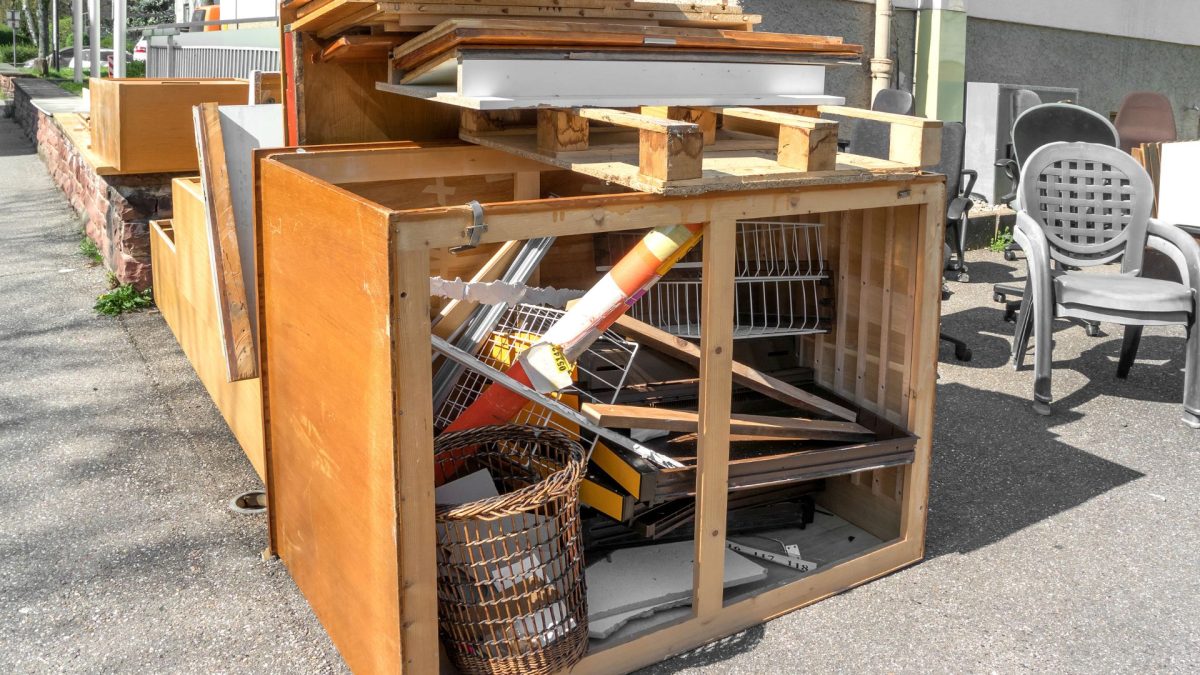
Furniture removal costs can vary widely depending on several underlying factors. One of the most influential elements is the type and size of furniture that needs to be removed. Large, heavy items like sectional sofas, wardrobes, or bed frames typically require more effort, specialized equipment, and additional manpower, which can increase the overall cost. In contrast, smaller pieces such as chairs or side tables often demand less labor, making them more affordable to remove. Another significant factor is the condition of the furniture. Items in poor condition may require special handling or disposal methods, which can further impact pricing. Additionally, accessibility plays a crucial role. If the furniture is located in areas that are difficult to reach, such as upper floors without elevators, narrow hallways, or tight corners, removal can take longer and necessitate extra effort, adding to the expense. Understanding these variables can help homeowners or businesses anticipate costs more accurately.
The timing and urgency of the service can also affect pricing. Scheduling a removal during peak periods or requesting same-day services might result in higher rates due to demand and limited availability. Some companies also consider the distance between the property and disposal or recycling facilities, as longer travel can contribute to increased fees. Certain furniture items, such as electronics-laden entertainment units or vintage pieces, may require specialized handling, certifications, or compliance with local disposal regulations, subtly influencing cost calculations. Being aware of these nuanced factors allows property owners to plan ahead and budget accordingly for furniture removal services, ensuring that the process remains efficient and cost-effective.
The Role of Size and Weight in Cost Determination
The physical dimensions and weight of furniture are fundamental in establishing removal charges. Larger items inherently demand more labor to lift, maneuver, and transport safely. Heavy dressers, mattresses, and sofas can necessitate multiple team members to avoid injury or damage, which naturally increases labor costs. Beyond manpower, size and weight also dictate the type of transportation required. A standard pickup truck may suffice for small items, while larger loads could require specialized vehicles or multiple trips, both of which add to expenses. Additionally, heavier furniture contributes to wear and tear on equipment and vehicles, another hidden cost that service providers factor into their pricing.
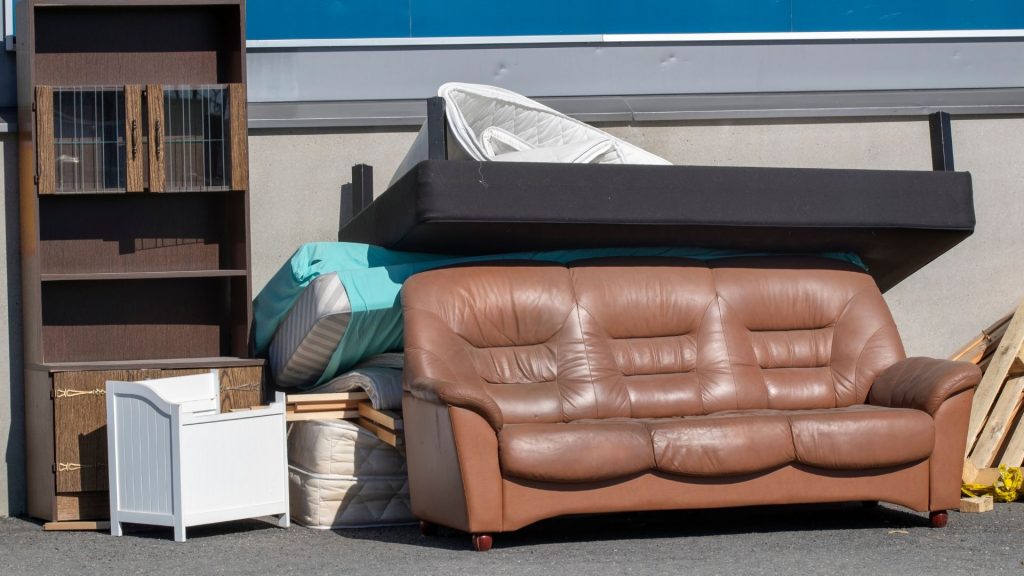
Space and packaging requirements also influence cost. Furniture with fragile components, intricate designs, or antique features requires careful wrapping or disassembly to prevent damage. Disassembly adds labor time, and wrapping materials contribute to overall fees. Furthermore, the manner in which furniture is loaded, stacked, and transported can affect the service’s efficiency. If items cannot be compactly organized due to their size or shape, the company may need additional trips or labor, resulting in incremental costs. Considering these variables when planning furniture removal ensures a clearer understanding of why prices differ and prepares clients for a fair assessment of the service needed.
Transportation and Disposal Fees
Transportation and disposal play a significant role in the total cost of furniture removal. Once furniture is removed from a home or business, it must be transported to appropriate disposal, recycling, or donation facilities. Fees may be incurred for landfill use, recycling processing, or specialized disposal of certain items. Items containing metal, electronics, or hazardous materials often require specific handling and disposal procedures that can increase overall expenses. The distance to the nearest disposal or donation facility is another contributing factor, as longer travel times can increase fuel costs and labor hours, which service providers often pass on to the customer.
In some cases, companies offer environmentally responsible options, such as donating usable furniture to charitable organizations or recycling materials to reduce landfill impact. While these practices are socially beneficial, they may involve additional handling and sorting, subtly affecting costs. Some providers may include a flat transportation fee, while others calculate expenses based on mileage or weight. Understanding how transportation and disposal requirements interact with furniture characteristics helps clients make informed decisions and avoid unexpected charges. Selecting a service that transparently explains these components ensures that furniture removal is both practical and economically manageable.
Labor and Expertise Considerations
Labor costs form a significant portion of furniture removal pricing, influenced by the expertise required for safe handling. Moving heavy or bulky furniture often necessitates trained personnel to prevent injury and property damage. Experienced teams bring knowledge of proper lifting techniques, disassembly procedures, and careful navigation of tight spaces, all of which contribute to efficient and risk-free removal. Hiring professionals ensures that furniture is removed safely, minimizing the chance of damage to floors, walls, or the items themselves. Complexity of the removal process, such as maneuvering through staircases or elevators, also plays a role in labor costs.
In addition to general handling, certain types of furniture may require specialized skills. Antique furniture, delicate materials, or custom-built pieces often demand careful assessment and additional precautions. Labor costs can also increase when a removal job involves multiple pieces or requires several team members. Companies may charge hourly rates or flat fees based on labor intensity, which are influenced by both the number of items and the intricacy of the removal. Understanding the relationship between labor, skill, and safety allows clients to appreciate the value of professional services while anticipating the associated costs.
Scheduling and Convenience Factors
Timing and scheduling convenience can significantly impact the cost of furniture removal. Flexible scheduling may allow companies to optimize routes and crew allocation, potentially reducing fees. Conversely, urgent requests or last-minute bookings often command premium pricing due to immediate availability and the need to prioritize the service over other scheduled jobs. Weekend or holiday removals may also incur higher rates, reflecting labor demands and operational constraints. Planning ahead and scheduling during regular hours typically offers a more cost-effective solution.
The convenience factor also includes the level of service provided. Full-service removal, where professionals handle packing, disassembly, transport, and disposal, can be more expensive than partial or self-service options. Additional conveniences, such as same-day removal, room-to-room handling, or furniture donation coordination, can subtly raise prices but also save time and reduce stress. Clients should weigh the benefits of convenience against the potential cost increase, ensuring they select a service that aligns with both their budget and expectations for ease of process.
Impact of Furniture Condition on Cost
The condition of furniture can heavily influence removal pricing. Items that are broken, water-damaged, or otherwise deteriorated often require extra handling to prevent further damage or mess during removal. Such conditions may necessitate protective gear, additional labor, or specific disposal methods, adding to the overall expense. Conversely, furniture in good condition is easier to handle, can often be donated, and may even reduce disposal costs, as some companies pass on the benefit of resale or donation to customers.
Additionally, the presence of hazardous materials or embedded electronics can further affect costs. Older furniture may contain lead paint or other substances that must be treated according to local regulations. Disposing of such items safely often involves specialized facilities and fees. Awareness of furniture condition before scheduling removal allows homeowners and businesses to plan more effectively and avoid surprises. Properly assessing and communicating the state of items can ensure accurate estimates and a smoother removal process.
Environmental and Disposal Options
Increasingly, furniture removal services incorporate environmentally responsible options into their pricing models. Recycling, repurposing, or donating furniture not only reduces landfill waste but can influence cost structures. Companies that prioritize sustainable practices may charge slightly more for the added labor and logistics required to divert items from landfills. However, clients often gain peace of mind knowing their old furniture is being handled responsibly.
The environmental impact extends beyond disposal. Transportation methods, route planning, and consolidation of loads are often optimized to reduce emissions and fuel use. Some companies partner with local charities or recycling centers to ensure furniture finds a second life whenever possible. Choosing services that integrate environmental considerations can offer both ethical benefits and long-term cost efficiencies, balancing ecological responsibility with practical removal needs.
Hidden Fees to Watch For
While advertised furniture removal prices often appear straightforward, hidden fees can emerge if details are overlooked. Some companies charge extra for difficult access, stair carries, or unusually large items. Disassembly, wrapping, or special handling may also incur additional costs not initially reflected in quotes. Awareness of these potential surcharges is critical for accurate budgeting.
Transportation, disposal, and administrative fees can also subtly influence the total cost. Companies may include charges for landfill tipping, fuel, or processing certain materials. Understanding the terms of service and requesting a detailed estimate helps clients identify and plan for any hidden costs. Transparency in pricing ensures a smoother experience, minimizing surprises and fostering trust between customers and service providers.
Comparing Local vs National Providers
Selecting between local and national furniture removal providers can affect overall cost and service quality. Local companies often have lower overhead, flexible scheduling, and personalized service. Their proximity may reduce transportation fees and offer faster response times. National providers may benefit from standardized pricing, broader coverage, and consistent practices, but these advantages sometimes come at a premium cost.
Local providers also tend to have stronger connections with recycling centers, donation facilities, and local regulations, which can influence disposal options and reduce hidden fees. National chains might have established processes for certain types of furniture or hazardous materials but may lack flexibility in handling unique items or urgent requests. Comparing both options helps clients balance cost, convenience, and service quality to find the most suitable provider for their specific removal needs.
Seasonal and Market Influences on Pricing
Furniture removal costs can fluctuate depending on seasonal trends and local market conditions. Peak moving seasons, such as spring and summer, often result in higher demand, which can drive up prices. Conversely, scheduling removals during off-peak times may offer more affordable options. Market dynamics, including labor availability, fuel prices, and local disposal fees, also play a role in shaping costs.
Awareness of these factors allows clients to strategically schedule removal services to minimize expense. Additionally, market conditions may influence service availability and the speed at which removals can be performed. Being mindful of timing, local economic factors, and seasonal demand can help homeowners and businesses secure more favorable rates while ensuring timely and efficient furniture removal.
Conclusion
Understanding the costs associated with furniture removal involves more than simply knowing the size of your items. Factors like labor, transportation, disposal requirements, condition, and convenience all intertwine to shape pricing. By carefully considering these elements, property owners can anticipate expenses, make informed choices, and avoid unexpected charges. Transparent communication with removal services ensures clarity and a smoother experience throughout the process.
For those seeking reliable furniture removal and Junk Removal services in Palatine, IL, 24-7 Junk Removal offers professional, efficient, and environmentally responsible solutions. With a dedicated team ready to handle items of all sizes and conditions, residents and businesses can enjoy hassle-free removals. Contact 24-7 Junk Removal at (773) 309-6966 or visit 611 W. Wise Schaumburg, IL 60193 for a free consultation. Their knowledgeable staff provides tailored service, ensuring that every removal is handled safely, efficiently, and responsibly, making your space clutter-free without stress.