

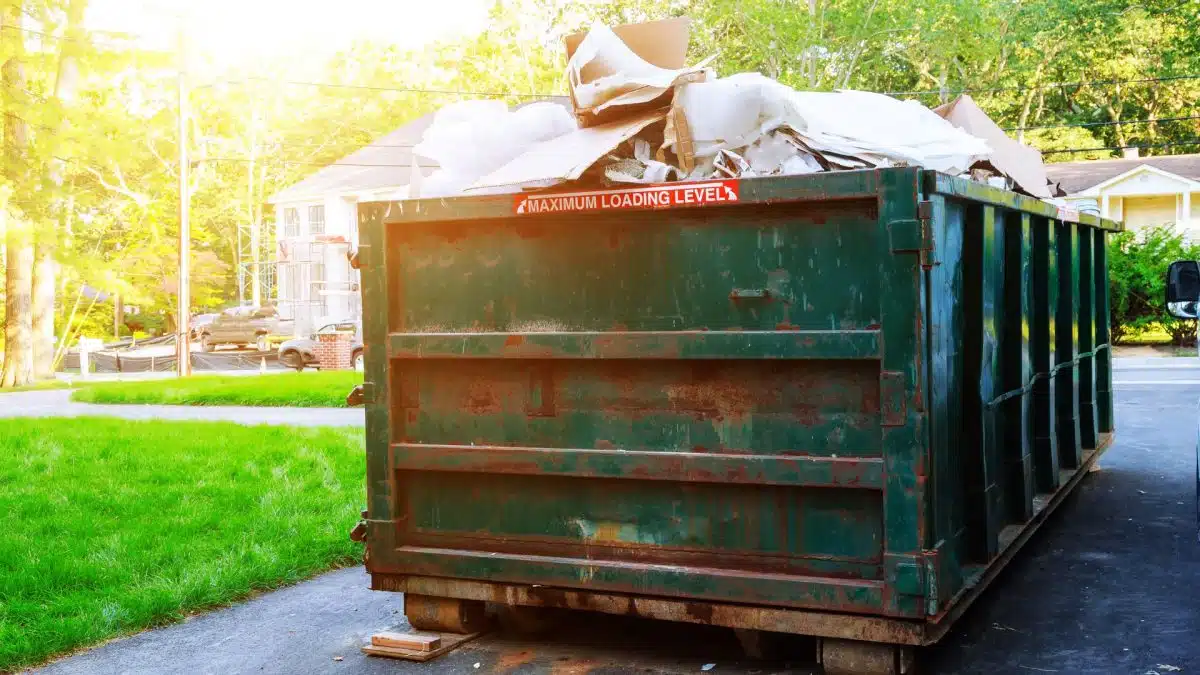
Yard waste is more than just leaves and grass clippings. It includes branches, shrubs, and other organic debris that accumulate in your yard over time. Ignoring this waste can lead to clogged gutters, overgrown lawns, and even pest infestations. Proper disposal not only keeps your outdoor space visually appealing but also contributes to a healthier environment. Composting, for example, turns yard debris into nutrient-rich soil that benefits plants and reduces landfill waste.
Managing yard waste responsibly requires awareness and planning. Seasonal changes, weather conditions, and the types of plants in your yard all influence how quickly organic materials accumulate. Mulching can help minimize yard waste by breaking down leaves and grass into natural fertilizer. Additionally, understanding local regulations for yard waste collection ensures that you remain compliant while maintaining the aesthetic and ecological balance of your property. By adopting thoughtful disposal methods, homeowners can create cleaner, greener outdoor spaces that reflect care and sustainability.
Sorting and Preparing Yard Waste
Effective yard waste disposal begins with proper sorting. Separating organic materials like leaves, grass, and branches from non-organic items such as plastics or metals ensures efficient recycling and composting. By organizing debris before disposal, you can reduce the strain on collection services and avoid contamination that prevents composting. Preparing yard waste by bagging or bundling it according to local guidelines simplifies pickup and ensures that materials are processed correctly.
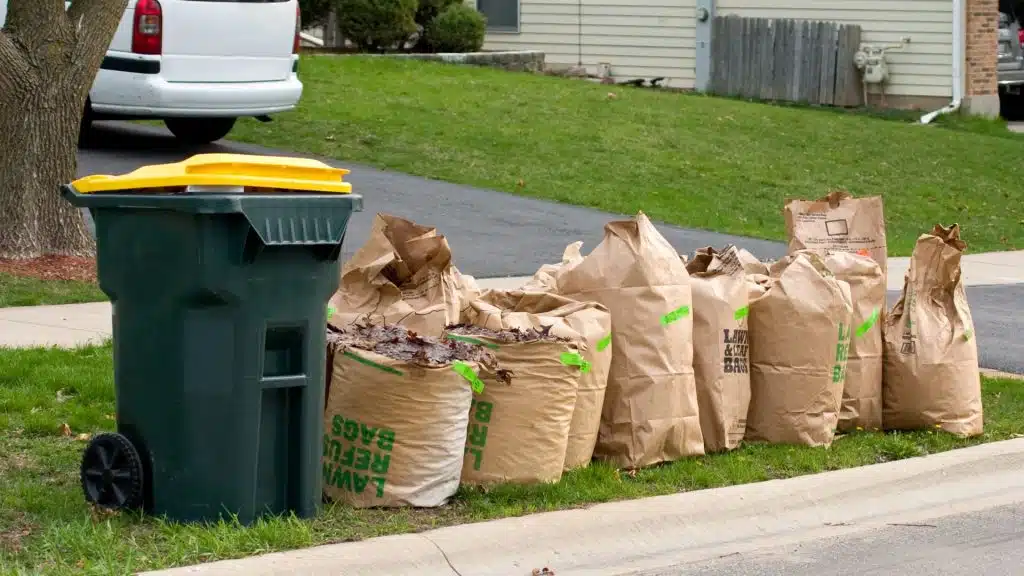
Preparation also involves considering the size and weight of the waste. Large branches may need to be cut into manageable lengths, while wet leaves should be drained to prevent excessive weight. Using biodegradable bags or reusable containers promotes sustainability and makes handling easier. When yard waste is sorted and prepared thoughtfully, disposal becomes a smoother, safer process that benefits both homeowners and the environment. This organized approach encourages long-term maintenance habits and minimizes the ecological footprint of routine landscaping tasks.
Composting for Sustainable Disposal
Composting is one of the most environmentally friendly ways to manage yard waste. By turning organic debris into nutrient-rich compost, homeowners can enhance soil health, reduce the need for chemical fertilizers, and lower landfill contributions. Leaves, grass clippings, and small branches are ideal materials for compost piles, which can be created in bins or designated garden areas. Regularly turning the compost ensures proper aeration, accelerates decomposition, and produces a high-quality soil amendment for lawns and gardens.
Composting not only diverts yard waste from landfills but also improves the resilience of your garden. Rich compost improves water retention, supports plant growth, and fosters a thriving ecosystem for beneficial insects and microorganisms. Homeowners who embrace composting gain a cost-effective and sustainable method for yard waste management. By dedicating space and effort to this process, gardens flourish naturally, and the environmental impact of everyday yard maintenance is significantly reduced, making composting a smart, eco-conscious choice.
Local Regulations and Collection Services
Understanding local yard waste regulations is crucial for proper disposal. Many municipalities have specific rules regarding collection schedules, acceptable materials, and packaging requirements. Familiarity with these guidelines prevents fines and ensures that yard waste is processed efficiently. Local services may offer curbside pickup, drop-off sites, or composting facilities, each with distinct rules for preparation and delivery. Staying informed allows homeowners to align their disposal practices with community expectations while maintaining clean and safe outdoor spaces.
Collection services vary in frequency and type, with some offering seasonal or year-round pickups. Knowing whether materials must be bagged, bundled, or placed in designated containers is essential for compliance. Additionally, some communities provide educational resources to help residents reduce waste through composting or recycling programs. By taking advantage of available services and following local regulations, homeowners can ensure responsible yard waste disposal that supports environmental sustainability and neighborhood cleanliness.
Yard Waste Disposal Equipment and Tools
The right tools simplify yard waste management and reduce physical strain. Rakes, leaf blowers, pruners, and wheelbarrows make it easier to gather and transport organic debris. Investing in durable, ergonomic equipment enhances efficiency and safety while reducing the time spent on repetitive tasks. Equipment choice should match the size of your property and the volume of waste generated, ensuring that cleanup is manageable and effective.
In addition to traditional tools, specialized containers or bins designed for yard waste improve handling and organization. Compost bins, garden carts, and biodegradable bags support sustainable practices while minimizing mess. By using appropriate tools, homeowners can streamline yard maintenance, prevent injuries, and promote eco-friendly disposal methods. Consistently applying proper equipment in daily or seasonal yard work encourages a cleaner, healthier outdoor environment while reinforcing responsible waste management habits.
The Role of Recycling in Yard Waste
Recycling is an essential component of comprehensive yard waste disposal. Materials such as branches and grass clippings can be processed into mulch or compost, diverting organic matter from landfills. Recycling yard waste conserves natural resources, reduces greenhouse gas emissions, and promotes soil health. Homeowners who engage in recycling practices contribute to a circular ecosystem where waste becomes a valuable resource, fostering sustainability in their local communities.
Beyond composting, some recycling programs accept wood chips, leaves, and other yard debris for municipal landscaping projects. Participating in these initiatives supports community beautification efforts and encourages responsible environmental stewardship. By separating recyclable organic matter and following local recycling guidelines, homeowners can reduce their environmental impact and enhance the longevity and productivity of gardens and green spaces. Integrating recycling into yard maintenance reinforces sustainable practices that benefit both individuals and the broader community.
Seasonal Yard Waste Strategies
Yard waste varies with the seasons, requiring adaptive strategies for effective disposal. Spring often brings an abundance of new growth, while autumn results in fallen leaves and dead plants. Each season demands tailored approaches, from mulching fresh grass clippings to composting autumn leaves. Recognizing these patterns allows homeowners to anticipate the volume and type of yard waste, creating a consistent and manageable disposal routine.
Seasonal planning also minimizes ecological disruption. For example, leaving certain plant materials over winter can provide shelter for wildlife, while spring cleanup ensures healthy regrowth. Adapting disposal methods according to seasonal changes enhances sustainability and reduces the effort required for yard maintenance. By understanding the cyclical nature of yard waste, homeowners can implement practical, efficient strategies that maintain a balanced landscape year-round.
Hazardous Yard Waste Considerations
Certain yard materials require careful handling due to potential hazards. Pesticide-treated plants, chemically treated wood, or thorny branches can pose health risks if not disposed of properly. Identifying and segregating hazardous items protects both homeowners and waste management personnel. Local guidelines often outline safe disposal procedures for these materials, including specialized collection or treatment methods.
Proper handling of hazardous yard waste ensures compliance with regulations while minimizing environmental harm. Using gloves, protective clothing, and designated containers can prevent injuries and contamination. Homeowners who prioritize safety in yard waste management reduce the risk of accidents, safeguard local ecosystems, and uphold community standards. Integrating hazard awareness into disposal routines reinforces responsible stewardship and protects both people and nature from preventable harm.
Community Yard Waste Programs
Engaging with community programs enhances yard waste management and fosters shared responsibility. Many municipalities offer drop-off sites, composting workshops, or neighborhood cleanup events. Participating in these programs provides access to additional resources, promotes knowledge sharing, and encourages eco-friendly practices. Community involvement transforms yard maintenance from an individual task into a collective effort, improving local environmental quality and public spaces.
Community programs also provide opportunities for reducing overall waste through donations or resource sharing. Leaves, branches, and other organic debris can be repurposed for communal gardens or landscaping projects. By integrating local initiatives into yard waste disposal routines, homeowners contribute to sustainable practices, strengthen community ties, and create greener, healthier neighborhoods. These programs reinforce the notion that responsible waste management benefits everyone, extending beyond private properties to the wider environment.
Professional Yard Waste Disposal Services
Professional yard waste services offer an efficient solution for homeowners with large volumes of debris or limited time. Experts handle collection, transport, and proper disposal, ensuring compliance with local regulations and sustainable practices. Hiring professionals reduces physical strain, prevents injuries, and guarantees that waste is processed responsibly, providing peace of mind for busy households or extensive properties.
These services often include equipment, labor, and disposal expertise, making them ideal for spring cleanups, storm damage, or large landscaping projects. Professionals can also advise on composting, recycling, and mulch creation, maximizing the environmental benefits of yard waste. By outsourcing disposal tasks to trained specialists, homeowners save time, improve yard aesthetics, and contribute to sustainability efforts. Professional assistance transforms yard maintenance from a daunting chore into a streamlined, eco-conscious process.
Conclusion
Proper yard waste disposal is essential for maintaining a healthy, attractive, and environmentally responsible outdoor space. By sorting materials, engaging in composting, following local regulations, and utilizing appropriate tools, homeowners can manage yard debris efficiently. Sustainable practices such as recycling, seasonal strategies, and hazard awareness reduce environmental impact while promoting long-term garden health. Community engagement and professional services provide additional support, ensuring that yard maintenance remains practical, safe, and effective throughout the year.
For reliable and efficient yard waste removal, 24-7 Junk Removal in Palatine, IL, offers comprehensive junk removal services. Their team ensures all materials are disposed of responsibly, helping homeowners maintain clean and sustainable outdoor spaces. Contact 24-7 Junk Removal at (773) 309-6966 or visit 611 W. Wise Schaumburg, IL 60193 to schedule professional assistance. You can also reach them via email at support@24-7junk.com to discuss your yard waste disposal needs and receive expert guidance tailored to your property.