


A yard often tells a story of how well a home is cared for, but cluttered lawns filled with fallen branches, leaves, and debris can easily disrupt that picture. When organic waste piles up, it not only affects the beauty of a property but can also become a breeding ground for pests. Mosquitoes, termites, and rodents thrive in damp leaf piles or rotting wood, creating health risks that no one wants to deal with. Beyond the immediate discomfort of bugs and unpleasant smells, neglecting yard waste can also damage grass and plants beneath it, suffocating healthy growth.
Maintaining a clean yard is more than keeping things visually appealing. It’s about ensuring that the outdoor space supports a balanced environment. Regular removal of yard waste encourages plants and grass to thrive while preventing soil from being compacted with decomposing material. A healthy yard increases curb appeal and makes spending time outdoors enjoyable, transforming what could be a frustrating space into a welcoming one.
Why Eco-Friendly Yard Waste Disposal Matters
Every bag of yard waste has the potential to end up in a landfill, but there are smarter options that help both the homeowner and the planet. Landfills are already crowded, and organic matter that should decompose naturally often gets trapped beneath layers of plastic and garbage, releasing harmful greenhouse gases instead of returning nutrients to the soil. That’s why eco-friendly disposal methods make such a difference—they give nature back what came from it.
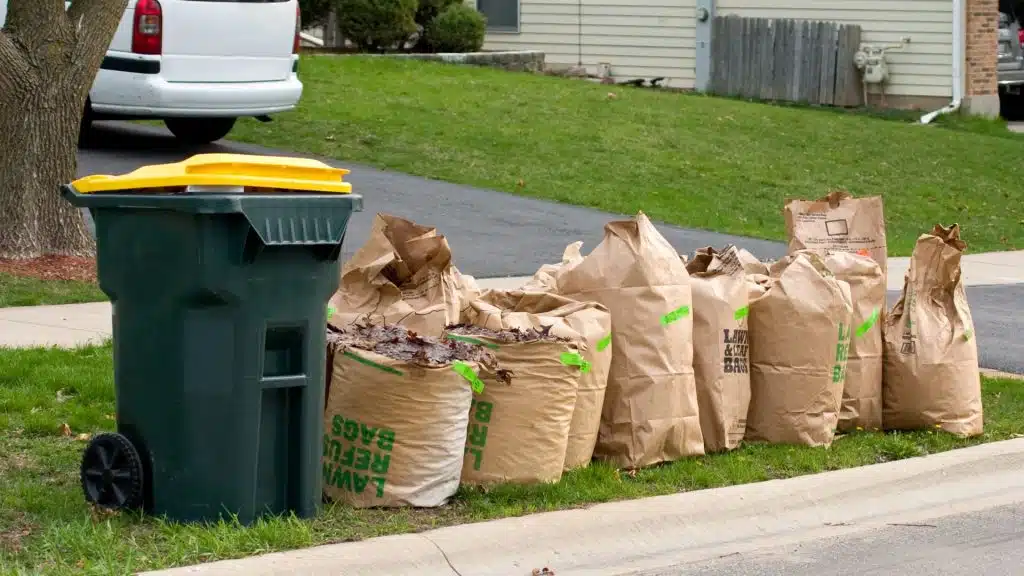
When yard debris is composted or mulched, it becomes a valuable resource. Leaves and grass clippings transform into nutrient-rich matter that feeds soil and improves future plant growth. Branches and wood can be chipped and reused, reducing the need for synthetic fertilizers and landscaping materials. Choosing eco-friendly solutions doesn’t just reduce waste; it turns what might look like a nuisance into a cycle of renewal that supports a healthier environment.
Composting Yard Debris for Natural Fertilizer
Few things are as satisfying as turning yard scraps into something that nourishes your garden. Composting is a natural way to break down leaves, clippings, and small branches into a soil amendment that enriches flowerbeds, vegetable gardens, and lawns. The process requires little more than a designated spot, a balance of green and brown matter, and patience. Over time, what once seemed like a pile of waste becomes dark, crumbly compost full of life-giving nutrients.
This method of waste recycling not only cuts down on disposal costs but also reduces reliance on store-bought fertilizers. Instead of purchasing bags of chemical solutions, homeowners can rely on what their yard naturally produces. Composting also improves soil structure, helping it retain moisture during dry spells and enhancing its ability to support roots. It’s a simple yet powerful way to close the loop on yard waste while keeping your outdoor space greener in every sense of the word.
Mulching as a Sustainable Alternative
While composting takes time, mulching provides immediate results. Yard debris like grass clippings, small branches, and leaves can be shredded and spread across garden beds or around trees. This layer of natural material conserves soil moisture, reduces weed growth, and regulates soil temperature throughout the year. It essentially works as a protective blanket for your plants, all while recycling waste in the most practical way.
What makes mulching even more appealing is how it reduces the need for synthetic landscaping products. By reusing what’s already in the yard, homeowners can cut costs while enriching their soil naturally. Mulch also slowly decomposes, adding organic matter back into the earth. It’s an approach that benefits both plants and the environment, proving that sustainable practices can be simple and effective when done consistently.
Safe Disposal of Large Branches and Wood
Not every piece of yard waste fits neatly into a compost bin or mulch pile. Large branches, logs, and stumps can pose a unique challenge, often being too heavy or cumbersome for homeowners to handle on their own. Leaving them to rot may seem like an easy option, but oversized debris takes years to decompose and can attract insects or fungi that damage nearby vegetation. Proper removal and recycling ensure that the yard remains safe and functional.
Wood waste doesn’t need to be discarded entirely. Many branches can be repurposed into firewood, furniture projects, or landscaping borders. In communities with recycling programs, larger pieces can often be chipped into mulch or processed for other uses. Taking the time to handle large wood responsibly keeps the yard clear while giving natural resources another chance to serve a purpose beyond the initial life of the tree.
Yard Waste and Storm Cleanup
After a storm, yards often look less like peaceful green spaces and more like scattered disaster zones. High winds and heavy rain bring down branches, scatter leaves, and sometimes even topple trees. Cleaning up after such events isn’t just about restoring appearances—it’s about safety. Debris left unchecked can block pathways, damage fences, or create tripping hazards for anyone walking through the yard.
Quick removal of storm waste also prevents long-term issues. Piled-up wet debris can quickly lead to mold growth, while broken branches left hanging may cause further damage during the next gust of wind. Organizing storm cleanup to include eco-friendly solutions such as composting smaller debris or recycling wood ensures that the recovery process is not only efficient but also environmentally responsible.
Seasonal Yard Cleanups and Waste Reduction
Different times of year bring different yard challenges. Spring growth often means trimming back shrubs and trees, summer requires frequent lawn care, and fall brings waves of leaves that blanket every surface. Without a plan, seasonal yard maintenance can easily turn into piles of waste that feel overwhelming. Creating a routine that incorporates sustainable disposal methods ensures that no season leaves the yard in disarray.
For example, leaves in autumn can be mulched directly into the soil or added to compost piles, creating a natural resource for the next growing season. Grass clippings in summer can be left on the lawn as a natural fertilizer, reducing the need for additional inputs. By looking at each season as an opportunity to recycle yard waste, homeowners can keep their outdoor spaces beautiful while significantly reducing the amount of material that ends up in landfills.
Reducing Plastic in Yard Waste Disposal
While it may seem easier to bag leaves and clippings in plastic, those bags often negate the environmental benefits of recycling organic material. Plastic does not decompose and frequently contaminates the composting process when yard waste is sent to facilities. Shifting toward reusable containers, biodegradable bags, or direct mulching eliminates unnecessary plastic and keeps the waste stream cleaner.
Small changes in disposal habits make a big impact over time. Choosing sustainable packaging options or even delivering yard waste to local composting sites in open bins ensures that the organic matter returns to the soil without being trapped in plastic. By removing single-use plastics from yard waste practices, the cycle of sustainability remains intact, and homeowners play an important part in reducing the broader environmental footprint.
Community Yard Waste Programs
Many towns and cities now offer programs that collect and recycle yard waste, making it easier for residents to manage outdoor debris responsibly. These services often include curbside collection, drop-off sites, or scheduled cleanups during heavy leaf fall seasons. Participating in such programs ensures that the waste is properly processed, composted, or mulched instead of being dumped into landfills.
Community programs also build a sense of shared responsibility. When entire neighborhoods commit to eco-friendly disposal, the overall environmental impact is greater, and the benefits extend beyond individual yards. Cleaner streets, healthier soil, and reduced landfill usage all stem from these collective efforts. Making use of local resources helps transform yard maintenance into a practice that supports both the environment and the community.
Turning Yard Waste into Creative Projects
Not all yard debris needs to be hauled away or composted. With a little imagination, branches, leaves, and other materials can be repurposed into functional or decorative projects. Twigs may become kindling bundles, large branches can be turned into rustic garden furniture, and leaves can be used in craft projects or as insulation for delicate plants during colder months.
These creative uses keep materials out of the waste stream and give them a second life. Beyond being environmentally friendly, such projects often save money and add personal character to outdoor spaces. Instead of seeing yard waste as a problem, it becomes an opportunity for creativity and sustainability combined. Each project, no matter how small, contributes to reducing the need for artificial materials while celebrating the natural cycle of growth and reuse.
Conclusion
Keeping a yard clean is as much about responsibility as it is about aesthetics. Eco-friendly yard waste removal ensures that what comes from nature returns to it in a beneficial way, whether through composting, mulching, or repurposing. Every step taken to manage outdoor debris responsibly contributes to healthier soil, safer yards, and a more balanced environment.
For homeowners seeking professional support in managing outdoor debris, 24-7 Junk Removal in Palatine IL provides reliable and eco-conscious solutions. They specialize in Junk Removal that aligns with sustainable practices and help transform cluttered spaces into clean, functional areas. To schedule a yard waste removal service, call (773) 309-6966 or email support@24-7junk.com for more details and assistance.