

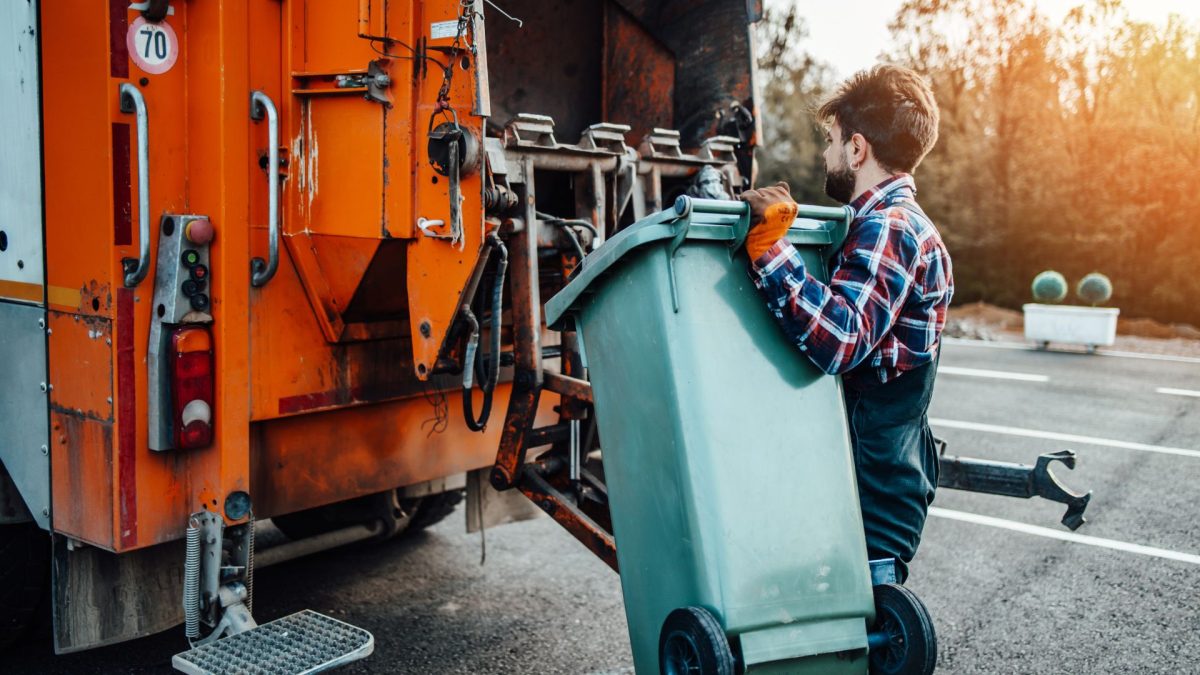
A restaurant thrives on cleanliness, and the state of the kitchen plays a pivotal role in both food safety and employee efficiency. Excess clutter and unremoved waste can quickly become breeding grounds for bacteria, mold, and pests. Items left in storage areas or corners, from broken equipment to packaging debris, can harbor microorganisms that compromise hygiene. Ensuring timely removal of these materials protects not only the food prepared but also the staff who work long hours in these environments. Regular junk removal fosters a culture of cleanliness and prevents the accumulation of materials that may obstruct routine cleaning procedures. A spotless kitchen supports compliance with health codes and encourages a safer, more productive workspace.
Neglecting junk removal in restaurant spaces increases the likelihood of accidents and contamination. Employees maneuvering around obstructive piles of waste risk slips, trips, or injuries, and improper disposal of expired ingredients or broken utensils can lead to contamination. By maintaining a rigorous junk removal routine, restaurant owners can mitigate these risks while improving workflow efficiency. In addition, a clutter-free environment positively influences the perception of patrons who may observe areas beyond the dining floor. In essence, proactive junk removal is a critical strategy for maintaining the health and safety standards that modern restaurants must uphold.
Reducing Pest Infestations
Restaurants are particularly vulnerable to pests due to the constant presence of food and organic waste. Without consistent junk removal, cardboard, old containers, and discarded packaging can attract rodents and insects, creating a cascade of health hazards. Pests not only carry diseases but can also damage stored supplies, compromise food quality, and result in costly regulatory fines. The proactive removal of potential nesting materials and food remnants reduces the likelihood of infestations while preserving the integrity of the establishment’s food storage areas. Restaurants that prioritize junk removal are more likely to maintain a hygienic, pest-free environment, protecting both their staff and clientele.

Beyond immediate health concerns, pest infestations can tarnish a restaurant’s reputation. News of unsanitary conditions spreads quickly, and patrons are less likely to return after experiencing or hearing of such issues. A structured approach to junk removal ensures that all areas of the restaurant, from back-of-house storage to dumpster zones, remain clean and organized. It also simplifies the process of monitoring for early signs of pest activity, allowing management to respond swiftly before a minor issue escalates. Ultimately, systematic junk removal is an investment in long-term operational health and business reputation.
Compliance with Health Regulations
Adherence to local health and safety regulations is non-negotiable in the restaurant industry. Health inspectors frequently assess waste management practices, storage conditions, and overall cleanliness. Restaurants that fail to remove junk regularly are at higher risk of violations, fines, or even temporary closure. Proper junk removal demonstrates a commitment to operational excellence, showing that every corner of the establishment is managed responsibly. It also ensures that hazardous waste, such as expired ingredients or broken appliances, is disposed of in accordance with legal requirements, reducing liability for restaurant owners and operators.
Proactive junk management also aids in preparing for inspections by keeping storage areas accessible and organized. When inspectors can easily verify compliance, the likelihood of receiving citations decreases, fostering a smoother operational experience. Staff morale benefits as well; working in an organized, clean environment reduces stress and improves efficiency. Restaurants that integrate junk removal into routine operational procedures not only satisfy regulatory bodies but also build a safer, more productive work culture that emphasizes hygiene and responsibility across all levels.
Minimizing Fire Hazards
Accumulated junk and waste in restaurant spaces significantly increase the risk of fire. Cardboard boxes, old paper products, and improperly stored equipment can easily ignite if exposed to heat sources, creating dangerous situations for both staff and patrons. Regular junk removal mitigates this risk by ensuring combustible materials are kept away from cooking areas and electrical equipment. Maintaining clear walkways and storage spaces also allows for unobstructed access to fire extinguishers and emergency exits, enhancing overall safety measures within the establishment.
Proper disposal of outdated appliances and electronic components further reduces fire hazards. Faulty wiring, frayed cords, and malfunctioning kitchen equipment can pose significant threats if left unattended among other debris. Systematic junk removal not only eliminates potential fuel for accidental fires but also reinforces the restaurant’s overall safety protocols. By routinely clearing unnecessary items and maintaining organized storage, restaurant owners create a safer environment that protects employees, patrons, and property, while also reducing insurance risks and potential liability issues.
Enhancing Operational Efficiency
Cluttered workspaces hinder the smooth operation of any restaurant. Equipment, utensils, or ingredients buried under piles of unnecessary items slow down food preparation, creating inefficiencies in service. Removing outdated or broken items through junk removal streamlines operations, enabling staff to access tools and ingredients quickly and safely. An organized kitchen enhances workflow, reduces stress, and ensures that daily tasks are completed more efficiently, contributing directly to the overall quality of service provided to customers.
Operational efficiency extends beyond the kitchen, affecting storage areas, dining preparation zones, and waste disposal regions. Unused furniture, packaging, and other debris can restrict movement and obstruct routine cleaning. Consistent junk removal allows these spaces to function as intended, supporting smoother transitions during peak hours and preventing bottlenecks in service. Additionally, organized environments facilitate inventory management, helping staff track supplies more accurately and reducing food waste. Restaurants that commit to regular junk removal reap the dual benefits of improved efficiency and enhanced safety, promoting both productivity and employee satisfaction.
Supporting Sustainable Practices
Modern restaurants increasingly emphasize sustainability, and junk removal plays a critical role in this effort. Separating recyclables from waste and responsibly disposing of broken equipment reduces environmental impact while demonstrating corporate responsibility. Restaurants that manage junk efficiently can ensure that metals, plastics, and paper products are recycled or repurposed, reducing landfill contributions. This practice not only benefits the environment but also resonates with environmentally conscious consumers who value sustainability in the brands they support.
Sustainability through junk removal extends to donations as well. Furniture, kitchen tools, or unused appliances that remain functional can be redirected to charitable organizations, giving them a second life while keeping waste out of landfills. By implementing systematic junk removal and recycling protocols, restaurants can align with broader eco-friendly initiatives, enhance their community image, and even optimize costs associated with waste disposal. Emphasizing green practices also boosts employee morale, as staff take pride in working for a business that prioritizes environmental stewardship alongside operational excellence.
Reducing Allergens and Contaminants
Restaurants handle a wide variety of ingredients, many of which can trigger allergic reactions if contamination occurs. Accumulated junk, dust, and neglected waste create a hidden layer of allergens that jeopardizes both staff and customers. Regular junk removal helps eliminate these hidden dangers, ensuring that kitchens remain a clean and safe environment for food preparation. Removing old packaging, broken containers, and expired ingredients reduces the risk of cross-contamination and supports a more hygienic atmosphere for everyone.
Managing allergens extends to airborne particles and mold spores that can accumulate in cluttered spaces. Dust and debris trapped in corners or beneath unused equipment can become airborne, affecting air quality and potentially triggering respiratory issues. Through consistent junk removal, restaurant owners can maintain clean surfaces and air circulation pathways, minimizing the presence of allergens and contaminants. Such measures not only comply with safety regulations but also build trust with customers who expect impeccable hygiene standards. A proactive approach to waste and junk management safeguards the well-being of all individuals within the restaurant environment.
Improving Staff Morale and Productivity
A clean and organized restaurant significantly impacts staff morale. Cluttered, unkempt spaces create stress, reduce efficiency, and foster a negative work environment. By engaging in routine junk removal, management communicates a commitment to employee well-being, making staff feel valued and respected. Workers in well-maintained kitchens and dining prep areas are able to focus on their tasks without distractions, increasing productivity and ensuring a smoother operational flow throughout service hours.
Staff morale also improves through the sense of pride that accompanies working in a safe, organized environment. Fewer hazards and cleaner spaces reduce fatigue and accidents, allowing employees to work more confidently and collaboratively. Junk removal contributes indirectly to team cohesion by fostering an atmosphere of responsibility and mutual respect, as everyone benefits from a space that is thoughtfully maintained. Ultimately, investing in routine junk removal strengthens both the physical and psychological work environment, enhancing overall performance and job satisfaction.
Preventing Equipment Damage
Kitchen appliances and restaurant equipment represent substantial investments. When surrounded by junk, these items are more likely to incur damage from accidental impacts, improper storage, or neglect. Regular junk removal ensures that equipment remains accessible, properly maintained, and free from obstructions that could impair functionality. By keeping the workspace organized, restaurant owners prolong the lifespan of costly appliances and reduce maintenance expenses.
Preventing damage goes beyond immediate protection, influencing long-term operational costs. Equipment that is easily accessible for cleaning and maintenance functions optimally, reducing the risk of malfunction during peak service times. Properly stored and maintained tools also ensure food safety standards are upheld, as compromised appliances can contribute to contamination. Junk removal, therefore, acts as a preventative strategy, preserving both the financial investment in equipment and the health and safety standards critical to restaurant operations.
Enhancing Customer Perception
A restaurant’s cleanliness directly influences customer perception and loyalty. Even areas not visible to patrons, such as storage rooms or kitchen corners, can indirectly affect service quality and staff performance. Regular junk removal ensures that all spaces are maintained to high standards, which translates to efficient service and better dining experiences. A restaurant that is visibly organized and well-kept fosters trust and confidence among customers, supporting repeat business and positive word-of-mouth.
Beyond aesthetics, customer perception is tied to the overall safety and hygiene of the restaurant. A clean, clutter-free environment reflects professionalism and attention to detail, assuring patrons that the establishment takes their well-being seriously. Routine junk removal signals that the restaurant prioritizes health, safety, and operational excellence, reinforcing a positive brand image. This proactive approach not only improves immediate dining experiences but also establishes long-term credibility and customer loyalty in a competitive market.
Conclusion
Effective junk removal in restaurants is essential for maintaining high standards of health, safety, and operational efficiency. A clutter-free environment reduces risks from pests, fire hazards, and allergens while supporting staff productivity and morale. Beyond immediate safety concerns, systematic junk removal also aligns with sustainable practices, regulatory compliance, and equipment preservation, ensuring the long-term success of the establishment. Implementing a consistent approach to junk removal fosters a culture of cleanliness and professionalism, reflecting positively on the overall dining experience for patrons.
For businesses in Palatine, IL, 24-7 Junk Removal offers comprehensive junk removal services that prioritize safety and sustainability. Their team handles everything from restaurant waste to old equipment, ensuring thorough and responsible disposal. By calling (773) 309-6966, restaurant owners can schedule efficient junk removal solutions that protect both their staff and customers. Located at 611 W. Wise Schaumburg, IL 60193, and reachable via support@24-7junk.com, 24-7 Junk Removal ensures restaurants maintain clean, safe, and organized spaces while adhering to best practices in waste management.