

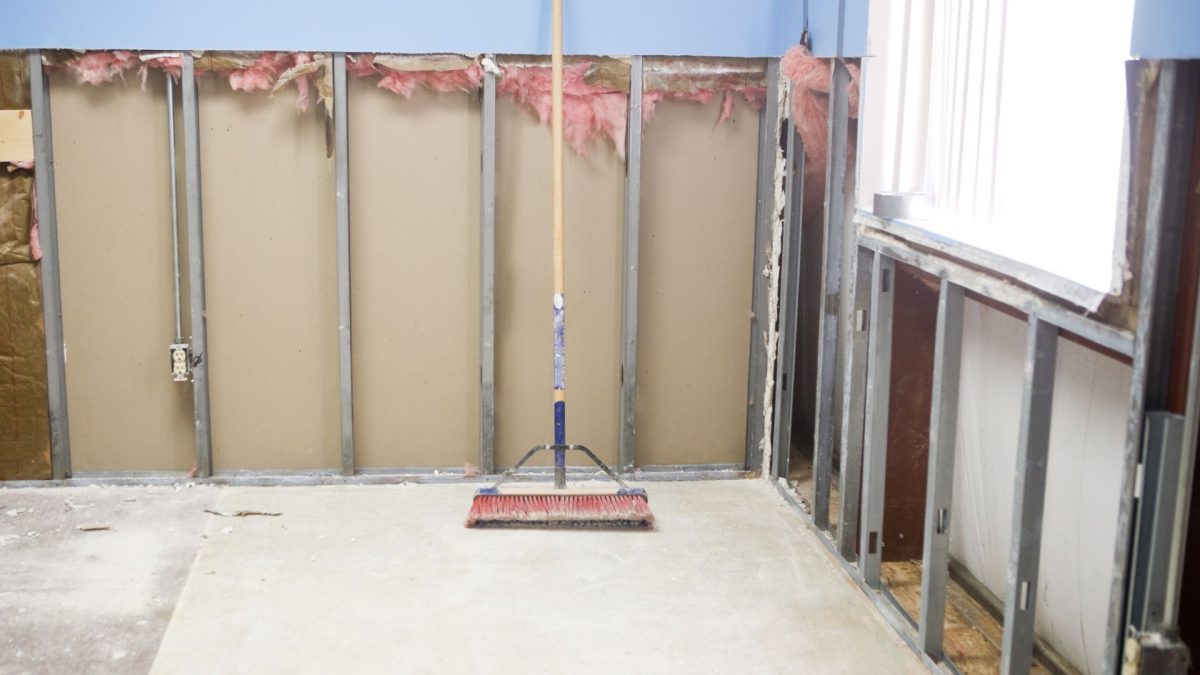
When walls begin to show cracks, bubbling paint, or sagging sections, it’s often a sign that drywall removal is more than a cosmetic choice—it’s a necessity. Over time, drywall can accumulate moisture, mold, and structural fatigue that no patch or repaint can truly hide. Many homeowners underestimate how these small imperfections silently affect indoor air quality and the home’s integrity. Removing the old drywall clears the way for a cleaner, safer environment and allows you to identify hidden issues like insulation gaps or pest damage.
There’s something refreshing about starting with a blank wall surface. Once the drywall is gone, you can see the bones of your home and address what’s been hiding behind those panels for years. Electrical lines, pipes, and framing often reveal opportunities for upgrades, making drywall removal a practical first step toward improving your home’s long-term value.
The Hidden Problems Behind Old Drywall
Aged drywall may look harmless, but it can conceal a variety of issues waiting to resurface. Moisture infiltration, mildew, and trapped humidity can create soft spots that compromise both structure and safety. When these problems linger unseen, they can spread rapidly, leading to higher repair costs later. By removing old drywall entirely, homeowners can deal with these concerns before they worsen, preventing health risks and further damage.
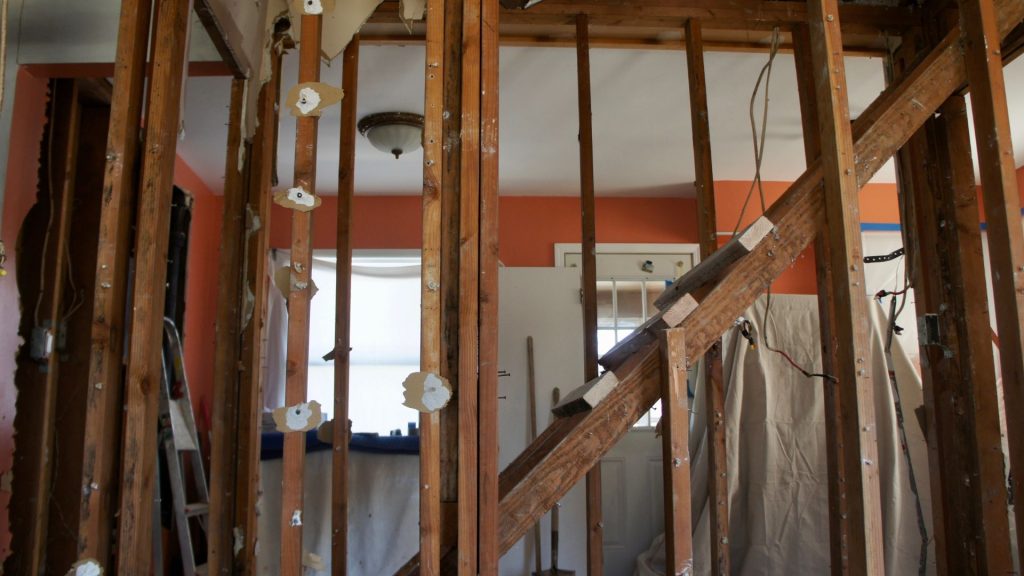
In addition to hidden moisture, older drywall often contains outdated materials that aren’t energy-efficient. Removing it opens up the possibility of adding better insulation and enhancing thermal performance. This process not only refreshes your living space but also contributes to a more energy-conscious and sustainable home environment—a smart investment in both comfort and economy.
Improving Indoor Air Quality Through Removal
One of the least discussed but most crucial benefits of drywall removal is the improvement of indoor air quality. Over time, drywall can trap dust, mold spores, and even microscopic debris that circulate through your home’s ventilation system. Breathing in these particles daily can affect respiratory health, especially for those with allergies or sensitivities. By removing compromised drywall, you essentially reset your home’s air environment and eliminate a key source of contaminants.
Fresh drywall installation also allows for the use of modern, eco-friendly materials that emit fewer volatile organic compounds (VOCs). This means your renovated walls won’t just look better—they’ll help maintain a healthier living atmosphere. For families aiming to create a cleaner, more breathable space, removing old drywall is an effective step in the right direction.
Addressing Structural Damage the Right Way
Beneath drywall lies the skeleton of your home—the studs, framing, and insulation that hold everything together. When drywall begins to warp, crack, or bulge, it’s often signaling a deeper issue that needs attention. Simply patching the surface won’t fix the root cause. Removing the drywall completely gives you a clear view of what’s really happening behind the walls, whether it’s rot, leaks, or structural weakness.
Tackling these hidden problems early prevents costly future repairs. Once the damaged drywall is out of the way, professionals can assess the framing and ensure everything is sound before reconstruction. It’s a chance to fortify your home’s foundation and restore both safety and stability, ensuring your renovation is built on solid ground.
Enhancing Energy Efficiency Through Wall Renewal
Energy efficiency is often overlooked during home renovations, yet walls play a major role in how much heat or cool air a home retains. Behind old drywall, you might find poorly installed insulation or gaps that let air escape. By removing outdated drywall, you can upgrade the insulation, reduce drafts, and lower utility costs. The difference in comfort can be felt almost immediately once the new materials are in place.
Modern insulation materials and drywall options are designed to optimize energy use, keeping indoor temperatures more consistent. Whether you live in a warm or cold climate, this step creates a noticeable improvement in your home’s thermal performance. Think of drywall removal as an opportunity not just for aesthetic renewal but also for lasting energy savings that add up month after month.
Creating a Clean Slate for Home Renovation
Every home renovation project thrives on preparation, and drywall removal provides exactly that—a fresh start. It’s difficult to design a space that truly reflects your vision when old walls limit your options. Removing drywall allows you to reimagine layouts, install new fixtures, or even open up rooms to create better flow. It’s the kind of behind-the-scenes work that makes stunning transformations possible.
Once the old materials are gone, everything becomes easier to access and modify. Electricians, plumbers, and remodelers can work more efficiently, avoiding the patchwork hassles that come with partial demolition. The result is a cleaner, smoother renovation process that saves both time and stress. Starting from scratch can be the most liberating step toward achieving the home you’ve always wanted.
Preventing Mold and Moisture Damage Early
Moisture is the silent enemy of any home. Once it seeps into drywall, the damage can be subtle but relentless. Even a small leak or condensation build-up can foster mold growth inside the walls, posing serious health risks and structural decay. Removing affected drywall stops the spread in its tracks and allows proper drying and treatment of the underlying materials.
After removal, homeowners can implement moisture-resistant drywall or improved ventilation systems to prevent future issues. This proactive approach keeps the home’s interior healthy and durable. Whether it’s a bathroom, basement, or kitchen, tackling moisture through timely drywall removal ensures a cleaner, safer living environment for years to come.
Updating Outdated Wall Materials
Sometimes, the need for drywall removal stems not from damage but from design evolution. Homes built decades ago often feature drywall that’s too thin, brittle, or textured in styles that have fallen out of favor. Removing these outdated materials lets you modernize your interiors with smoother finishes or innovative alternatives like moisture-resistant or soundproof drywall.
This process also enables homeowners to integrate modern wiring or smart home systems seamlessly. Instead of trying to retrofit technology into outdated walls, starting fresh offers flexibility and precision. With new drywall, every layer of your home can reflect contemporary standards of quality and design, blending aesthetic beauty with functional improvement.
Increasing Property Value Through Restoration
Home improvements that go beyond surface-level upgrades tend to make the biggest impact on property value. Drywall removal might not sound glamorous, but it sets the stage for professional restoration that buyers and appraisers immediately notice. Clean, freshly finished walls signal a well-maintained home and often lead to higher resale value.
Removing old drywall also allows you to address unseen problems before listing your property. A buyer’s inspection that uncovers hidden mold or damage can derail a sale. By proactively replacing compromised drywall, you present a move-in-ready home that feels both new and reliable—qualities that make a lasting impression on potential buyers.
When DIY Isn’t the Best Choice
It’s tempting to see drywall removal as a simple weekend project, but in reality, it demands skill, patience, and safety awareness. The process involves dealing with dust, nails, electrical wires, and sometimes hazardous materials. Without proper tools or protective gear, it’s easy to create a bigger mess or risk injury. Professional crews handle removal efficiently while minimizing damage to surrounding structures.
They also ensure debris is properly collected and disposed of, leaving your space ready for the next renovation phase. Choosing expert assistance means the job gets done faster, cleaner, and without the lingering dust that DIY attempts often leave behind. It’s an investment in peace of mind and professional-quality results.
Conclusion
Drywall removal is more than a cosmetic fix—it’s an essential step toward a stronger, cleaner, and more energy-efficient home. Whether you’re addressing hidden moisture damage, updating outdated materials, or preparing for a full renovation, removing old drywall opens the door to safer and more functional living spaces. It allows professionals to assess your home’s structure and create a fresh foundation for lasting improvements.
If you’re ready to give your home a clean start, 24-7 Junk Removal in Palatine, IL offers reliable junk removal and debris hauling services to simplify the process. Reach out today at (773) 309-6966 or visit their office at 611 W. Wise Schaumburg, IL 60193. For inquiries or appointments, email support@24-7junk.com—and let their experienced team help you clear the way for your next home transformation.