

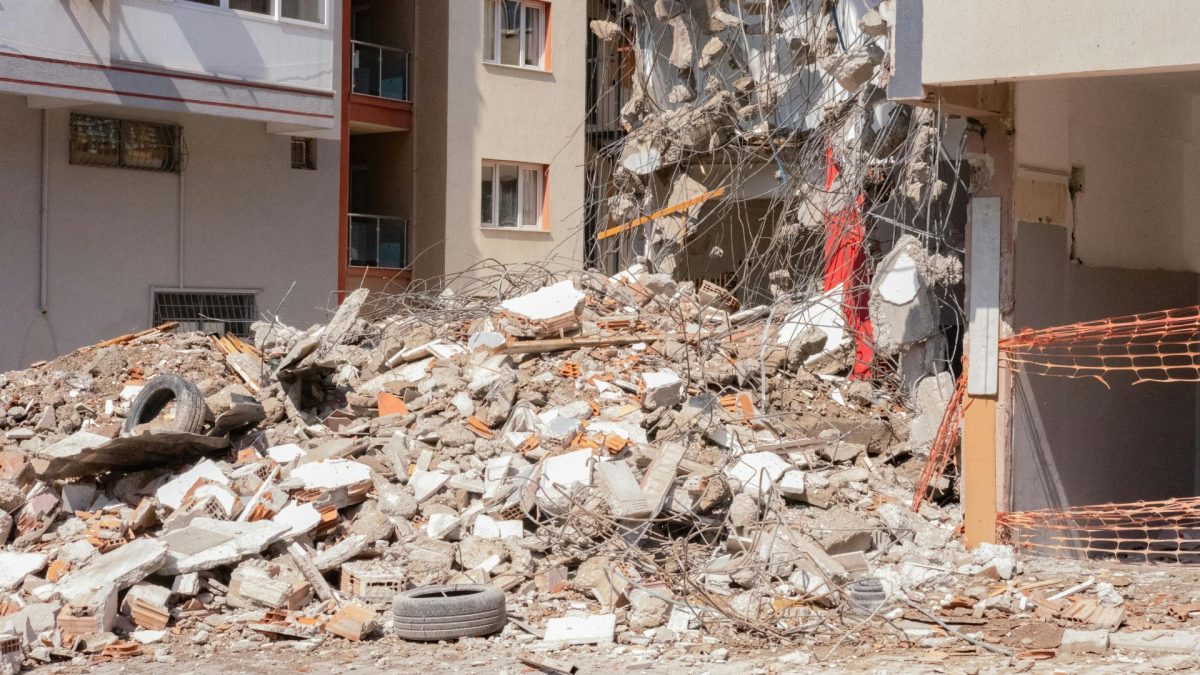
Removing old or damaged concrete is a foundational step in any property renovation project. Concrete that has cracked, shifted, or deteriorated over time can pose serious safety hazards. Ignoring these imperfections can lead to uneven surfaces, structural instability, and potential accidents for occupants. By taking proactive measures to remove compromised concrete, property owners ensure that the new surfaces are laid on a stable, secure foundation. This not only safeguards the structure but also extends the longevity of renovations, reducing the likelihood of costly repairs in the future.
Concrete removal also allows contractors and property owners to inspect the underlying soil and base layers. Often, problems such as water pooling, erosion, or poor compaction are hidden beneath old concrete. Identifying these issues before new construction begins ensures that corrective measures can be implemented early, preventing foundational issues from reoccurring. Addressing these factors during the removal process enhances overall structural integrity, making renovations safer and more durable over the long term.
Preparing for Modern Design
Outdated concrete layouts can limit design possibilities during renovations. Old driveways, patios, or flooring may not align with the desired aesthetic or functional changes planned for a property. Removing existing concrete clears the way for innovative design solutions, from sleek, contemporary patios to functional outdoor living areas or expanded foundations. Without the removal step, renovation efforts may be compromised, forcing property owners to work around inflexible and aging surfaces.
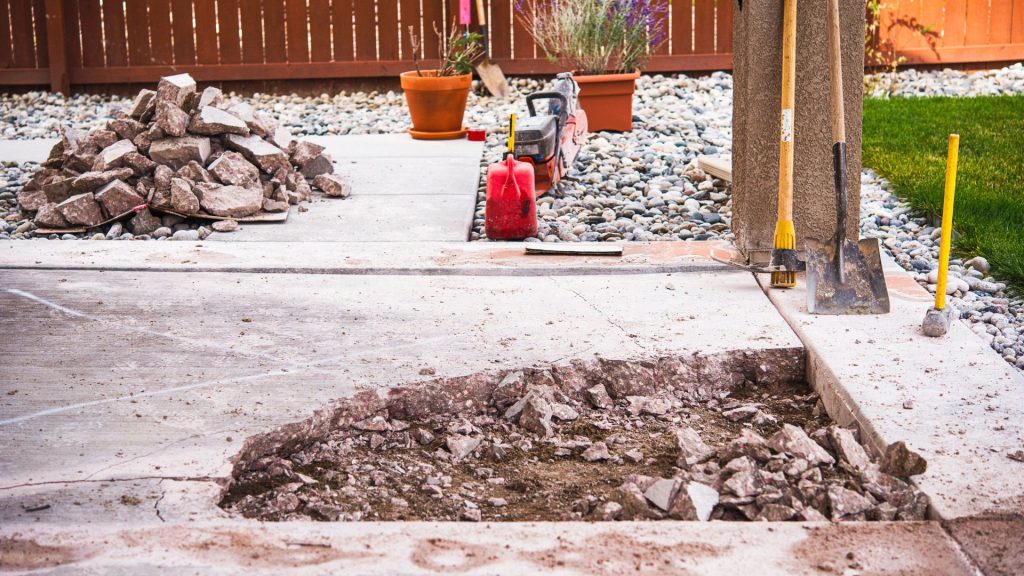
Moreover, the removal process enables better integration of modern materials and technologies. For example, properties can incorporate sustainable drainage systems, underfloor heating, or decorative concrete finishes that require precise installation on freshly prepared surfaces. By eliminating old concrete first, property owners maximize design flexibility, ensuring the renovated space meets both current standards and personal preferences without being constrained by the limitations of existing structures.
Facilitating Utility Upgrades
Concrete removal is essential when upgrading or installing utilities. Buried pipes, electrical conduits, or irrigation systems often lie beneath concrete surfaces. Attempting to retrofit or repair these systems without removal can lead to inadequate installation and future maintenance challenges. Removing concrete provides unobstructed access, allowing professionals to replace outdated lines, reconfigure layouts, or introduce modern infrastructure efficiently and safely.
Additionally, proper removal ensures that all utility connections are aligned with current codes and regulations. It allows contractors to inspect the subsurface for hidden damage or potential hazards, reducing the risk of future complications. By combining concrete removal with utility upgrades, property owners achieve a more functional, code-compliant environment that supports the longevity and efficiency of the renovated space, ultimately adding value and convenience.
Preventing Long-Term Damage
Neglecting concrete removal can contribute to persistent structural issues. Cracks and gaps in old concrete may allow water infiltration, leading to erosion, mold growth, and foundation weakening over time. Moisture trapped beneath concrete surfaces can create frost heaves in colder climates or exacerbate soil instability, undermining the newly renovated areas. Timely removal of old concrete mitigates these risks, protecting the investment made in property improvements.
Furthermore, removing concrete ensures proper grading and drainage during renovations. It allows contractors to address slope inconsistencies, redirect water flow, and establish protective barriers against erosion. By preventing long-term damage, concrete removal safeguards both the structural and aesthetic integrity of the property. This preventative measure is crucial for maintaining property value, minimizing maintenance costs, and ensuring a safe, durable environment for residents and visitors alike.
Optimizing Material Reuse and Sustainability
Concrete removal provides opportunities for sustainable practices. Crushed concrete can be repurposed as aggregate for new construction, landscaping, or erosion control projects. By recycling removed concrete, property owners contribute to reducing landfill waste while also benefiting from cost-effective material alternatives. This sustainable approach aligns with modern construction standards and environmental responsibility, offering long-term advantages beyond the immediate renovation.
Additionally, incorporating sustainable concrete practices can enhance a property’s appeal and market value. Buyers increasingly value eco-conscious improvements that minimize environmental impact. By removing old concrete and repurposing it creatively, homeowners and contractors demonstrate a commitment to sustainability, while also improving the functional and visual quality of renovated spaces. This dual benefit underscores why concrete removal is a crucial component of any responsible property renovation project.
Streamlining Construction Workflow
Concrete removal simplifies the overall construction process by eliminating barriers that could hinder progress. Old concrete can obstruct access to specific areas, complicate equipment maneuverability, and slow down labor-intensive tasks. By removing it efficiently at the outset, contractors can maintain smoother workflows, reduce delays, and coordinate subsequent construction phases more effectively. This streamlining is particularly important for large-scale renovations where timing and sequencing are critical.
A clear workspace also enhances safety for construction crews. Uneven surfaces, debris, and protruding concrete fragments can increase the likelihood of accidents or equipment damage. Removing concrete in a controlled and organized manner minimizes hazards and creates a safer working environment. This contributes to higher productivity, better-quality workmanship, and a reduced risk of project overruns, making concrete removal a vital step in managing construction workflow successfully.
Enhancing Property Aesthetics
Old concrete often looks worn, stained, or outdated, which can detract from the overall appeal of a property. Its removal opens opportunities for modern finishes, decorative patterns, and complementary landscaping that elevate curb appeal and interior design. A refreshed concrete layout can harmonize with new architectural features, creating a visually cohesive and attractive space that aligns with current trends.
In addition to aesthetic improvements, concrete removal allows for functional design adjustments, such as incorporating wider pathways, seating areas, or garden beds. These enhancements not only improve visual appeal but also increase usability and comfort for residents and guests. By prioritizing concrete removal, property owners can achieve a balanced combination of beauty and practicality that enhances both enjoyment and property value over time.
Supporting Property Value Growth
Concrete removal contributes directly to property value by creating a clean, modern, and functional foundation for renovations. Properties with deteriorated concrete can suffer from decreased market appeal, lower appraisal values, and diminished investment potential. Replacing old concrete with well-installed, aesthetically pleasing surfaces signals that the property has been maintained and updated properly, which attracts buyers and investors alike.
Moreover, investing in concrete removal demonstrates foresight and diligence to potential purchasers. It highlights a commitment to maintaining structural integrity, improving aesthetics, and adopting sustainable practices. These factors collectively enhance perceived and actual property value. Renovated spaces built on a solid foundation stand out in competitive markets, making concrete removal a strategic move for homeowners, developers, and property managers seeking long-term financial and practical benefits.
Reducing Health and Environmental Risks
Old concrete can harbor mold, mildew, and accumulated debris that pose health hazards, especially when left in damp or shaded areas. Removing it helps eliminate these potential risks, creating a cleaner and safer environment for occupants. Additionally, broken or crumbling concrete fragments can become a physical hazard, leading to injuries. Professional removal ensures that these risks are minimized effectively.
Environmental considerations also play a role. Proper disposal or recycling of concrete prevents contamination of soil and water systems and supports community sustainability initiatives. By addressing both health and environmental concerns, concrete removal extends beyond aesthetics and functionality, contributing to a safe, sustainable, and responsible property renovation process that protects both residents and the surrounding ecosystem.
Increasing Renovation Efficiency
Concrete removal allows subsequent renovation tasks to proceed without obstruction, improving overall efficiency. Tasks such as installing new flooring, landscaping, or structural components require precise and level surfaces. Without removing old concrete, these processes can become complicated, potentially requiring additional adjustments or corrections. By starting with a clean slate, contractors can maintain accuracy, reduce labor costs, and shorten project timelines.
Efficiency gains also extend to cost management. Removing concrete early prevents compounded issues, such as needing to retrofit or repair inadequate foundations later. This proactive approach minimizes unexpected expenses, ensures smoother scheduling, and enhances the predictability of renovation outcomes. By prioritizing concrete removal, property owners support a renovation process that is both time-efficient and economically advantageous.
Conclusion
Concrete removal is an essential step in ensuring the success, safety, and longevity of any property renovation. It not only addresses structural stability and aesthetic enhancements but also facilitates utility upgrades, improves workflow, and reduces long-term risks. By taking this step seriously, property owners and contractors lay the groundwork for a renovation that is durable, attractive, and functionally sound. From modern design integration to sustainability and safety improvements, concrete removal creates a foundation on which all other renovation efforts can confidently build.
For reliable and professional junk removal services, including concrete and construction debris removal, contact 24-7 Junk Removal in Palatine, IL. Their experienced team offers comprehensive solutions tailored to residential and commercial needs. Call (773) 309-6966 to schedule a service or consultation at 611 W. Wise Schaumburg, IL 60193 or email support@24-7junk.com for more information. Their expertise ensures that every removal project is handled efficiently, safely, and responsibly, enhancing both property value and renovation outcomes.