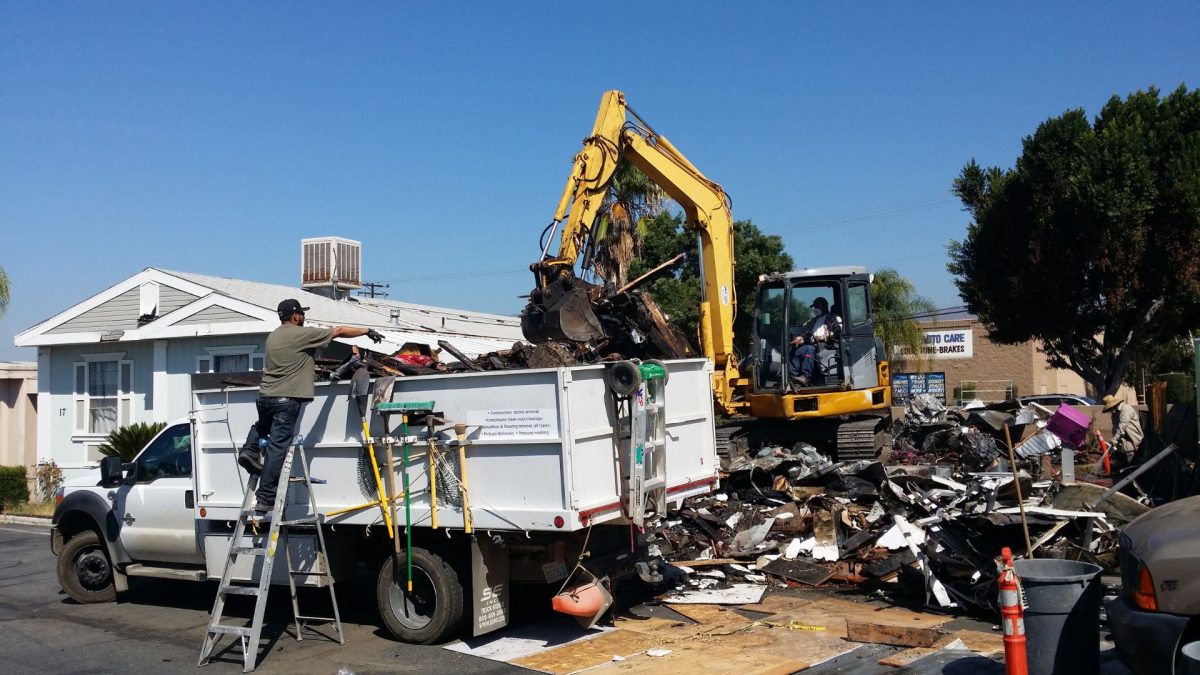
A successful demolition cleanup begins long before the first wall comes down. Planning ahead helps prevent chaos from taking over your renovation space. Before starting the demolition, consider the type of debris you’ll be dealing with—wood, drywall, concrete, metal, or mixed materials. Preparing the right disposal methods early ensures that you won’t be scrambling later to figure out where things go. Having large bins or dumpsters available is a smart move, allowing you to separate materials for recycling or disposal right from the start. This proactive approach saves both time and energy while keeping the project organized from beginning to end.
Another vital step is identifying hazardous materials. Some older homes may contain asbestos, lead paint, or other contaminants that need special handling. Ignoring these can lead to health risks and costly mistakes. Always check local regulations about proper disposal, since certain items require certified professionals to handle them safely. When your cleanup is well-organized from day one, the demolition process becomes more efficient and much less stressful. Thoughtful preparation not only streamlines the entire project but also protects your home, health, and environment in the process.
Use the Right Tools and Equipment
Having the right equipment is essential for efficient demolition cleanup. Basic tools like heavy-duty gloves, safety goggles, dust masks, and steel-toed boots might seem obvious, but they play a major role in protecting you from sharp debris and airborne dust. Industrial trash bags, wheelbarrows, and shovels make moving waste much easier. Depending on the size of your renovation, you may also need power tools such as saws or grinders to break down larger materials before disposal. Using proper lifting gear or carts can prevent injuries and keep the cleanup smooth.
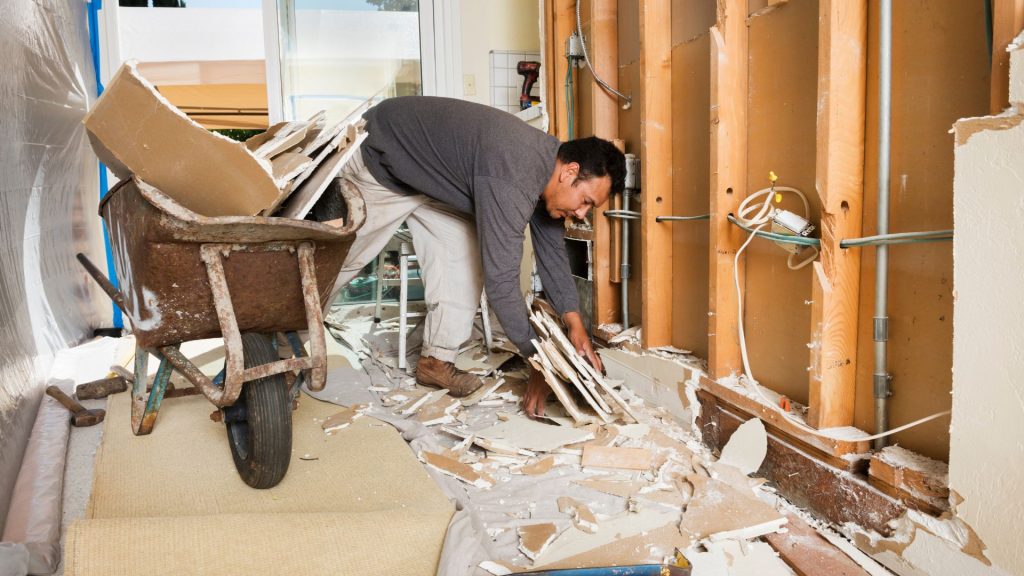
It’s not just about muscle—it’s about strategy. The right equipment allows you to work smarter, not harder. For instance, renting a small skid steer or utility trailer can drastically cut down the number of trips to the dump. If you plan to recycle metal, copper, or other reusable materials, keep designated containers ready to sort them on-site. This organization reduces clutter and keeps valuable materials separate from trash. Every tool used efficiently saves hours of unnecessary work, ensuring that the demolition cleanup doesn’t stretch longer than it should.
Separate Materials for Easier Disposal
Once demolition is underway, it’s easy for everything to pile up into one giant mess. But sorting materials during cleanup makes a massive difference in both efficiency and cost. Different materials often require unique disposal methods, and sorting as you go prevents confusion later. Wood, metal, drywall, glass, and concrete should each have their own area or container. Doing this makes recycling simpler and helps avoid fines from improper disposal. Many local facilities even offer reduced fees for pre-sorted loads.
Separating debris also has environmental benefits. Many construction materials can be recycled instead of sent to landfills. Wood can often be repurposed, metal can be melted down, and concrete can be crushed for reuse in new projects. By sorting waste early, you help reduce your project’s environmental footprint. This organized system not only creates a cleaner workspace but also saves time when the final haul-away happens. The cleaner your workflow, the quicker your space transforms into something usable again.
Protect Your Home During Cleanup
After the dust settles, your goal is not just to clean up—it’s to protect what remains intact. A home undergoing demolition is vulnerable to dust, debris, and damage. Before you start, cover any remaining furniture or fixtures with plastic sheeting. Seal off rooms that aren’t part of the renovation to prevent dust from spreading throughout the house. Using painter’s tape and plastic barriers can make a big difference in maintaining a livable space during the process.
Floor protection is another often-overlooked step. Heavy debris can scratch, dent, or stain surfaces if left unprotected. Drop cloths, plywood sheets, or floor runners help safeguard flooring in high-traffic areas. Ventilation also matters—open windows or use air purifiers to minimize airborne dust. The cleaner you keep the surrounding environment, the easier the post-renovation cleanup becomes. By thinking about protection from the start, you save yourself hours of cleaning later and maintain the integrity of your home’s interior.
Dispose of Hazardous Waste Properly
Every home renovation has the potential to uncover hazardous waste. Materials such as old paint cans, asbestos insulation, fluorescent bulbs, or lead-based items require extra care. Tossing them in the regular trash is not just unsafe—it’s often illegal. Identifying these materials before you start demolition cleanup prevents accidents and environmental harm. Properly labeling and storing them in sealed containers ensures that they can be handled according to local regulations.
Always consult local guidelines for hazardous waste disposal, as requirements vary by region. Some areas have designated drop-off centers or scheduled pickup days specifically for these materials. It’s worth the effort to handle them responsibly. Aside from environmental protection, it ensures the safety of everyone working on the site. Proper hazardous waste disposal isn’t just a responsible act—it’s an essential part of keeping your renovation compliant and safe.
Keep Safety at the Forefront
Cleanup can be physically demanding and full of hidden risks. Prioritizing safety throughout the demolition process should never be optional. Before starting any cleanup, inspect the site for sharp objects, exposed nails, unstable surfaces, or hazardous materials. Wearing the right gear is non-negotiable. Gloves, masks, and helmets should be standard, not optional accessories. It’s also wise to have a first-aid kit within reach for minor scrapes or cuts.
Beyond personal protection, be mindful of your surroundings. Heavy lifting should always be done carefully, with proper posture to avoid strain. If large debris must be removed, work in pairs or small teams to share the load. Electrical wires and plumbing lines should be deactivated before demolition begins to avoid accidental shocks or leaks. Keeping safety at the forefront helps ensure that the cleanup process remains efficient, controlled, and injury-free—because no renovation should come at the cost of your well-being.
Recycle and Repurpose Whenever Possible
A smart demolition cleanup isn’t just about disposal—it’s about rethinking waste. Many materials from your renovation might still have life left in them. Old cabinets, wooden beams, or metal fixtures can be reused or donated. Salvaging usable materials helps reduce environmental impact and saves money in the long run. Separating these items during cleanup allows you to evaluate what can be repurposed before it ends up in a landfill.
Recycling facilities often accept construction materials, making it easy to divert waste from dumpsites. Some local charities even accept building supplies for community projects. Embracing recycling and repurposing during demolition cleanup is both eco-friendly and resourceful. It turns what might seem like waste into valuable opportunity. Viewing cleanup through this lens transforms it from a burden into an act of sustainability that benefits not just your home, but the planet.
Maintain a Steady Workflow
A well-paced cleanup is the secret to finishing strong. Instead of waiting until the end of demolition to clean everything up, maintain a steady rhythm throughout the project. This method prevents debris from piling up and overwhelming the workspace. Cleaning as you go also creates safer pathways and keeps tools accessible. When the final day arrives, most of the hard work will already be done.
Setting a cleanup schedule helps keep momentum. For instance, dedicate short intervals throughout the day to clear away waste. Encourage anyone assisting to stick to this system. It not only improves efficiency but also maintains morale. A clutter-free site feels more manageable, allowing you to stay focused on the renovation goals. By managing debris consistently, your cleanup process remains seamless and stress-free from start to finish.
Hire Professionals for Large-Scale Cleanup
Not every demolition cleanup can be handled alone. For major home renovations or structural teardowns, hiring professionals can save immense time and energy. Trained crews come equipped with heavy-duty machinery, proper safety training, and efficient hauling methods. They can remove large amounts of debris quickly and ensure everything is disposed of responsibly. Professional services also handle recycling and hazardous materials according to strict guidelines, giving homeowners peace of mind.
While the DIY approach can be tempting, it’s easy to underestimate the amount of labor required for a full-scale cleanup. Professional teams work swiftly and systematically, leaving your space ready for the next phase of construction. Investing in expert cleanup means you avoid potential injuries, fines, or missed recycling opportunities. For homeowners who value both speed and precision, outsourcing cleanup is often the smartest move after a demanding renovation.
Restore and Refresh the Space After Cleanup
When the last piece of debris is gone, the cleanup isn’t over just yet. Dust and residue can linger in the air or settle into surfaces. A thorough sweep, mop, or vacuum ensures the area feels brand-new again. Once cleaned, inspect for any damage left behind during demolition. This step helps identify small fixes before they grow into larger problems. A spotless post-cleanup environment also gives you a blank canvas to start fresh with the renovation phase.
Beyond aesthetics, deep cleaning restores comfort and safety. It removes allergens and irritants, allowing you to breathe easier in your renewed space. Taking time to refresh the area helps transition from demolition chaos to creative transformation. When every surface shines, and the air feels clean again, the hard work pays off. It’s the moment your house begins to look less like a project site and more like the home you envisioned.
Conclusion
Efficient demolition cleanup is about planning, organization, and commitment to doing things right. From sorting materials to maintaining safety, every step matters. When handled properly, cleanup doesn’t just mark the end of demolition—it signals the beginning of something new. If you want expert assistance in handling debris, disposal, or large-scale cleanup, you can count on 24-7 Junk Removal, proudly serving Palatine, IL and nearby areas.
Their experienced team ensures fast, safe, and eco-conscious Junk Removal for residential and commercial projects alike. You can reach them at (773) 309-6966 or visit them at 611 W. Wise Schaumburg, IL 60193. For inquiries, email support@24-7junk.com. Partnering with the right professionals guarantees that your renovation project ends cleanly and begins beautifully—because the best transformations start with a spotless foundation.