

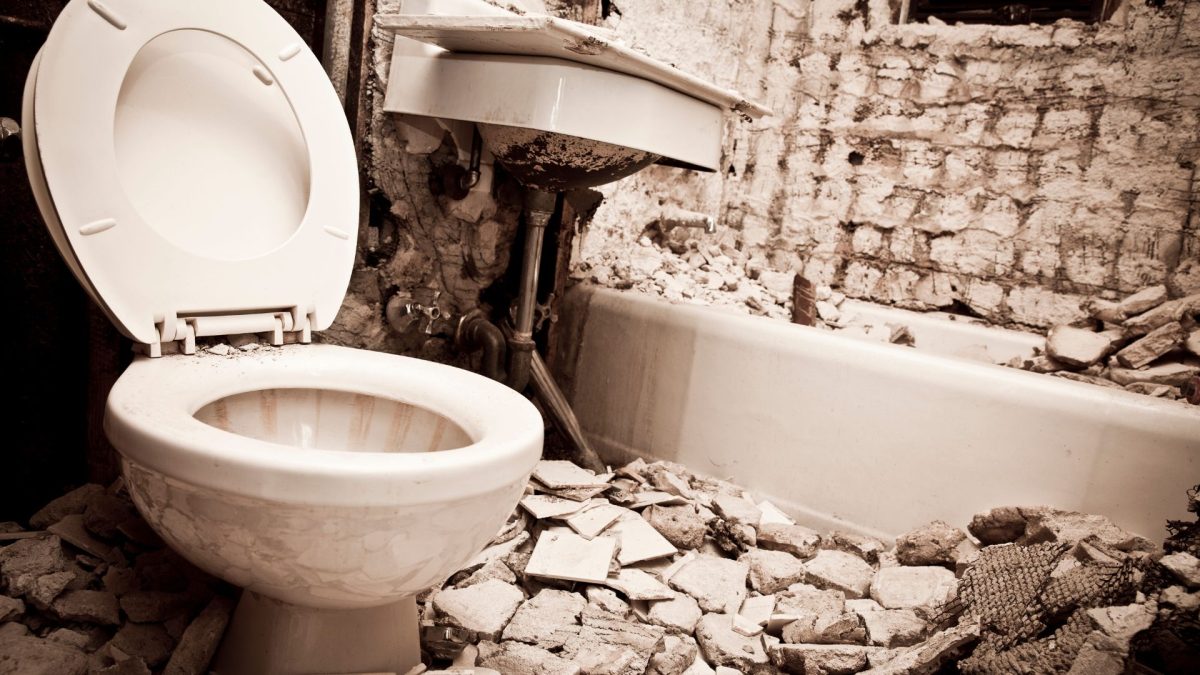
Before swinging the sledgehammer or removing tiles, preparing the bathroom space is essential for a smooth demolition cleanup. Start by removing all personal items and fixtures that are not part of the demolition. Cabinets, mirrors, and small accessories should be carefully detached and stored elsewhere. This step minimizes the risk of accidental damage and keeps the work area free from unnecessary clutter. Additionally, turning off the water supply and disconnecting electrical outlets is critical for safety. This precautionary approach helps prevent water damage or electrical hazards during the demolition process, giving you a clean slate to work with.
Protecting surrounding areas is equally important in the preparation phase. Lay down thick drop cloths or plastic sheeting over floors and countertops to catch debris. Use painter’s tape to secure edges and prevent dust from spreading to other parts of the home. Doorways can also be sealed with plastic to contain dust and small fragments within the demolition zone. These preventative measures may seem simple but significantly reduce cleanup effort later. By taking time to prepare the space properly, the actual demolition becomes more efficient, and the subsequent cleanup is less overwhelming, creating a safer and more organized workflow.
Sorting Debris for Easier Removal
Once demolition begins, a key factor in efficient cleanup is sorting debris into categories. Separate materials like tile, drywall, wood, and metal from general trash. This step not only streamlines disposal but also makes recycling easier. For instance, metal fixtures and pipes can be recycled, while wood and drywall can sometimes be repurposed or disposed of differently. Maintaining this level of organization prevents large piles of mixed debris that are heavy and difficult to move, helping maintain momentum during the cleanup phase. Proper sorting also reduces the likelihood of leaving hazardous materials behind, which is particularly important in spaces with old plumbing or electrical components.
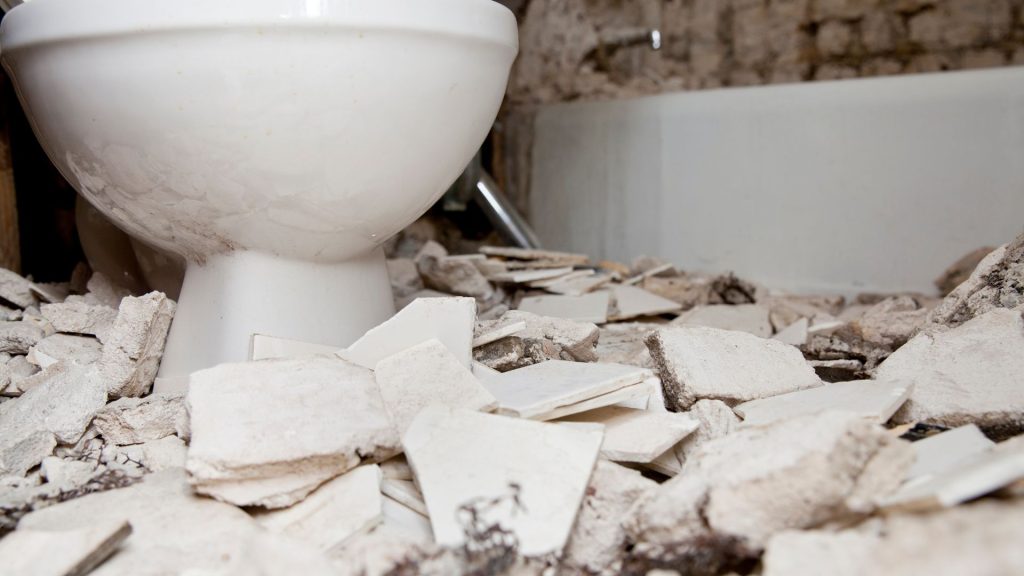
Using labeled containers or bins can further simplify the process. Small items such as screws, nails, or bolts should be collected separately to prevent accidents and keep the work area manageable. Larger debris can be moved to one side of the bathroom to create a clear workspace while demolition continues. Keeping the cleanup organized as you go saves time in the long run and avoids multiple trips to haul away debris. By focusing on sorting from the beginning, the entire bathroom demolition process becomes less chaotic, more systematic, and ultimately safer for everyone involved.
Using Proper Tools for Cleanup
The tools chosen for demolition cleanup directly influence both speed and safety. Heavy-duty gloves, dust masks, and protective eyewear are non-negotiable for anyone working in this environment. Additionally, tools such as shovels, brooms, and industrial dustpans can significantly reduce effort when handling large quantities of broken tiles, drywall, or other construction debris. Small hand tools like pliers, crowbars, and hammers are also useful for dismantling stubborn fixtures or removing nails embedded in wood. Selecting the right combination of tools helps prevent injuries and keeps the cleanup moving steadily.
Power tools can also accelerate the process, but they require careful handling. A wet/dry vacuum is particularly helpful for removing fine dust particles from tiles, grout, and cement residue. Circular saws or reciprocating saws may be necessary for cutting through large sections of cabinetry or framing, but always follow safety guidelines to avoid accidents. Investing time in the right equipment pays off during cleanup, reducing physical strain and improving efficiency. When tools are used correctly, the demolition space remains organized, the process is faster, and the risk of damage to the home is minimized.
Managing Dust and Hazardous Materials
Bathroom demolition generates more dust than most rooms due to tile, drywall, and plumbing materials. Controlling dust is essential not only for cleanliness but also for health reasons. Heavy-duty plastic sheets can create barriers to prevent dust from spreading throughout the house. Air scrubbers or fans may also be used to keep particles suspended minimally in the air. Wearing protective masks and eyewear helps protect the lungs and eyes from fine debris that could cause irritation or more serious long-term issues. Regularly sweeping or vacuuming during demolition prevents dust from accumulating in corners and hard-to-reach areas.
Dealing with hazardous materials is another crucial aspect. Bathrooms constructed before modern regulations may contain lead paint, asbestos in old tiles, or other toxic substances. Identifying and safely removing these materials is a critical part of cleanup and should follow local safety guidelines. Disposing of these materials separately prevents contamination and ensures compliance with environmental regulations. A proactive approach to dust control and hazardous material management enhances both safety and efficiency, making the overall demolition process smoother and less stressful.
Creating a Debris Removal Plan
A clear debris removal plan is indispensable for bathroom demolition. Without a plan, workers may find themselves overwhelmed by accumulated rubble, making the final cleanup much more labor-intensive. Establishing designated areas for temporary debris storage outside the bathroom can streamline movement and minimize the risk of tripping over loose materials. The plan should include how debris will be collected, transported, and disposed of, taking into account local regulations for construction waste. Knowing exactly where materials will go reduces confusion and allows for a faster, more methodical cleanup.
Timing is also a key factor. Removing debris incrementally rather than waiting until the end ensures that the workspace remains manageable. Workers can clear a section of the bathroom before moving on to the next, preventing large piles from blocking access or causing accidents. If necessary, renting a dumpster or arranging a professional junk removal service can simplify the process significantly. A strategic approach to debris removal allows demolition and cleanup to progress efficiently, reducing stress and physical strain while maintaining a safer environment for everyone involved.
Handling Heavy Fixtures Safely
Bathroom demolition often involves moving heavy fixtures like bathtubs, vanities, or toilets. Lifting and transporting these items improperly can result in injury or damage to the property. Using lifting straps, dollies, and team coordination helps manage weight safely and effectively. It is important to plan the path of removal in advance to avoid narrow doorways or sharp turns that could cause accidents. Taking small, deliberate steps while lifting minimizes strain on the back and arms, ensuring that even the heaviest pieces can be moved without incident.
Removing fixtures in an organized sequence improves efficiency. For instance, turning off water lines and disconnecting plumbing before attempting to lift large items reduces complications. Ensuring the surrounding floor and walls are protected from scratches or dents is also important. By taking precautions and using the proper equipment, heavy fixture removal becomes less of a burden, contributing to a smoother, safer, and faster overall cleanup. These techniques not only protect the crew but also preserve the condition of the bathroom space for future renovations.
Efficient Tile and Flooring Disposal
Tile and flooring removal is often one of the most labor-intensive parts of bathroom demolition. Breaking up ceramic or porcelain tiles requires patience and a systematic approach. Using a hammer and chisel or a specialized tile removal tool ensures that pieces are broken into manageable sizes for disposal. Collecting tile fragments into bins or heavy-duty bags prevents scattering and reduces the amount of sweeping required later. Additionally, removing tiles in sections rather than all at once keeps the process organized and safer for workers.
Subfloor materials may also require attention. Once tiles are removed, inspect for any damaged underlayment or waterproof membranes that need to be replaced. This ensures that the new flooring can be installed properly. Wood, vinyl, or laminate flooring should also be cut into manageable sections for disposal. Properly handling flooring and tile debris not only makes the cleanup process faster but also minimizes dust and injury risk. By planning each step of flooring disposal, bathroom demolition becomes more streamlined and less physically taxing, leaving the area ready for reconstruction.
Disposing of Plumbing and Electrical Waste
Bathrooms contain plumbing pipes and electrical wiring that must be handled carefully during demolition. Removing old pipes, fixtures, and electrical components requires attention to safety and local disposal guidelines. Metal pipes can often be recycled, while plastic plumbing components should be sorted separately. Electrical wiring should be disconnected and bundled to prevent hazards. Following these procedures avoids accidental damage, reduces clutter, and contributes to a safer cleanup environment.
Additionally, marking or labeling pipes and wires during removal can help identify components for future renovations. This step saves time during installation of new systems and prevents confusion or mistakes. Proper disposal of plumbing and electrical waste not only complies with regulations but also ensures that materials are removed efficiently and safely. Taking the time to address these systems carefully contributes to a more organized and streamlined demolition cleanup, making the renovation process smoother from start to finish.
Cleaning Up Fine Dust and Residue
Even after removing large debris, fine dust and residue remain a challenge in bathroom demolition. Using a wet/dry vacuum is an effective method for picking up smaller particles that brooms might miss. Mopping with a damp cloth or sponge can further remove residue from surfaces, preventing dust from spreading when new fixtures are installed. This step ensures that the bathroom is not only cleared of debris but also safe and hygienic for workers and residents. Regular cleaning during the demolition process is key to maintaining a manageable and organized workspace.
Attention to corners, crevices, and behind fixtures is critical for thorough cleanup. Dust can settle in hidden areas and resurface later if not removed properly. Using compressed air or detailing brushes can help reach tight spaces where debris collects. By addressing fine dust and residue methodically, the final cleanup stage becomes faster and more effective. A meticulous approach ensures that the bathroom is prepared for the next phase of renovation, leaving the space clean, safe, and ready for transformation.
Streamlining Final Waste Removal
The final step in bathroom demolition cleanup involves transporting all remaining debris offsite efficiently. Renting a dumpster or scheduling a professional junk removal service can simplify this process, saving time and effort. Consolidating debris into large containers ensures fewer trips and reduces physical strain on workers. Removing waste in a structured manner also prevents mess from accumulating in other parts of the home. Efficient final removal is the culmination of careful planning, preparation, and organized cleanup, marking the completion of a challenging phase.
Coordination and timing are crucial during this stage. Ensuring that all debris is sorted and secured before transport prevents accidental spills and facilitates proper disposal at recycling or waste facilities. By implementing a streamlined approach, the last stage of cleanup is executed smoothly and safely, leaving the bathroom ready for reconstruction or remodeling. A well-organized final removal process minimizes stress, enhances efficiency, and guarantees that the worksite is left in pristine condition, providing a fresh canvas for the upcoming renovation.
Conclusion
Efficient bathroom demolition cleanup requires planning, organization, and careful execution at every stage. From preparing the space to managing heavy fixtures and fine dust, each step contributes to a smoother and safer process. By sorting debris, using the proper tools, and addressing hazardous materials thoughtfully, the cleanup phase becomes manageable rather than overwhelming. A clear plan for debris removal, coupled with attention to safety, ensures that the bathroom is left ready for renovation without unnecessary delays or complications. These strategies not only protect workers and homeowners but also enhance the overall efficiency and effectiveness of the project.
For those in Palatine, IL, professional help can make the difference between a stressful demolition and a streamlined experience. 24-7 Junk Removal offers reliable junk removal services to handle debris of any size efficiently. With a team that understands the nuances of demolition cleanup, they ensure materials are disposed of safely, saving time and effort for homeowners. For assistance, contact 24-7 Junk Removal at (773) 309-6966 or visit their location at 611 W. Wise Schaumburg, IL 60193. Their support staff is available via email at support@24-7junk.com, providing comprehensive junk removal solutions that help you focus on your renovation without the added hassle of cleanup.