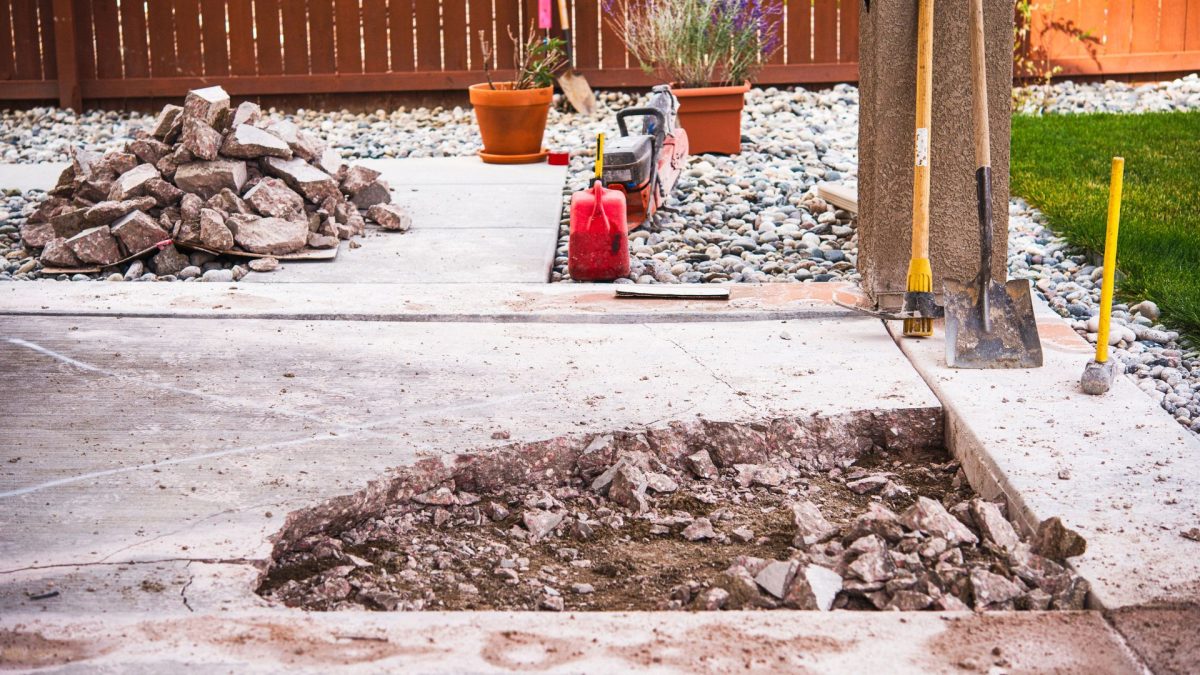
Concrete removal may appear straightforward on paper, yet when it unfolds in a crowded neighborhood, the task becomes a delicate dance between efficiency and consideration. Noise, dust, and vibration turn into major concerns that affect not only the property but the surrounding homes. Every crack and break of concrete echoes through tight streets, calling for a plan that balances productivity with peace. Professionals recognize that timing and communication can mean the difference between a smooth operation and one filled with neighbor complaints.
Beyond physical effort, the process demands foresight—mapping out access routes for hauling equipment, checking for underground utilities, and ensuring disposal areas are prepped in advance. A mindful approach minimizes chaos. When precision replaces rush, and strategy leads the process, the outcome becomes not just successful but respectful to the neighborhood’s pulse.
Choosing the Right Equipment for Tight Spaces
Equipment choice can make or break a concrete removal project in confined neighborhoods. Large, heavy-duty machinery might offer raw power, but maneuverability often matters more in narrow driveways and close-set homes. Smaller jackhammers, mini-excavators, and hand tools provide control, reducing collateral damage to nearby landscaping and driveways. The quieter hum of compact equipment also lessens disruption, keeping neighbors calmer throughout the day.

Selecting tools isn’t just about convenience—it’s about responsibility. In busy communities, debris containment becomes as important as demolition. Dust suppression attachments, portable barriers, and vacuum-assisted tools help keep the environment clean and breathable. A team that respects both the job and the community creates an atmosphere of trust, proving that even heavy work can be done with grace and mindfulness.
Timing the Job to Avoid Peak Hours
Concrete removal in bustling neighborhoods thrives on smart scheduling. Early mornings might seem ideal, but too much noise too soon can spark complaints. Late evenings, on the other hand, disturb families winding down. The sweet spot lies mid-morning to mid-afternoon when traffic thins, and noise becomes more tolerable. This rhythm keeps disruption minimal while allowing steady progress without the tension of angry horns or irritated glances.
Timing also means aligning with local ordinances. Many municipalities enforce noise restrictions that dictate permissible working hours. Ignoring them risks fines and community frustration. By adapting to the flow of the neighborhood—considering school zones, delivery times, and weekend quiet hours—concrete removal becomes less intrusive. A considerate schedule keeps the work efficient and the neighborhood harmonious.
Maintaining Clear Communication with Neighbors
Communication transforms tension into cooperation. Before the first concrete slab breaks, informing neighbors about the timeline and expected noise level establishes goodwill. A friendly heads-up helps residents plan their routines, keeping frustrations at bay. Small gestures—like notifying about temporary parking restrictions or driveway access changes—build trust and understanding.
When noise or debris becomes unavoidable, empathy goes a long way. Listening to concerns, offering solutions, and being approachable show professionalism. In dense neighborhoods, transparency earns respect faster than silence. A short conversation at the start of a project can save hours of complaints later. By treating neighbors as collaborators, not obstacles, a project finds smoother ground to operate on.
Managing Noise and Dust Pollution
Noise and dust—the twin adversaries of any demolition task—demand strategic control. In populated areas, the reverberation of jackhammers and saws carries through walls, magnifying the disturbance. Using noise-dampening mats, low-vibration equipment, and proper barriers can dramatically soften the blow. Prioritizing modern tools with reduced decibel output isn’t just a courtesy—it’s compliance with many neighborhood codes.
Dust, though subtle, often causes bigger problems. Fine concrete particles drift through air vents and open windows. Mist systems, tarps, and constant cleanup efforts keep the worksite contained and the air breathable. Managing pollution is about respect—for lungs, lawns, and lifestyles. A well-contained removal site sends a message that the crew values more than just the job—it values the people nearby.
Safe Debris Disposal and Recycling Practices
What happens after breaking concrete matters just as much as how it’s done. Piles of rubble left sitting can disrupt traffic, block sidewalks, or pose safety hazards. Efficient debris hauling keeps things moving. Sorting concrete for recycling not only benefits the environment but reduces landfill waste, a responsibility that modern removal professionals take seriously.
Recycling facilities often crush concrete into reusable aggregate for future construction projects. It’s a sustainable loop—yesterday’s patio might become tomorrow’s foundation. Responsible hauling, properly secured loads, and adherence to disposal regulations ensure safety during transport. Efficient cleanup after removal restores order to the site, leaving no trace of the heavy work that once shook the ground.
Protecting Nearby Property and Landscaping
Concrete removal often takes place near lawns, gardens, and neighboring structures, where precision becomes critical. A single misstep with heavy machinery can crush a flowerbed or crack a retaining wall. Setting up protective barriers and mats shields vulnerable areas from debris and vibrations. Slow, deliberate movement around tight corners keeps driveways intact and fences unscathed.
Watering nearby greenery before removal can help control dust while also keeping plants resilient through the disturbance. Teams that treat a site with care reflect professionalism beyond skill. Respecting property boundaries isn’t only about preventing damage—it’s about preserving the community’s visual harmony. A clean, protected landscape stands as evidence of work done with respect and awareness.
Coordinating Permits and Regulations
Concrete removal isn’t simply a physical task—it’s an administrative one too. Cities often require permits for demolition activities, even for small-scale residential work. These permits regulate safety, traffic management, and waste disposal procedures. Overlooking this step can halt the entire project or lead to costly penalties.
Permits also communicate legitimacy to the community. When neighbors see that the work complies with local regulations, they’re more likely to support it. Understanding zoning rules, noise limits, and traffic ordinances prevents unnecessary delays. By aligning legal responsibilities with operational readiness, concrete removal becomes smooth, transparent, and compliant from start to finish.
Prioritizing Safety in Crowded Environments
Safety isn’t just for the crew—it extends to everyone within earshot of the work. In neighborhoods filled with pedestrians, children, and pets, risk prevention becomes the central focus. Clear signage, cones, and barriers guide traffic safely around the site. Workers wearing visible gear remind residents of ongoing work, signaling caution without confrontation.
Within the site, safety protocols evolve with the environment. Dust masks, gloves, and hearing protection become essential shields. Constant monitoring ensures no one wanders into danger zones. A culture of safety nurtures confidence—not only in the crew but in the surrounding community. Each cautious step contributes to a safe, predictable rhythm amid the bustle.
Planning for Efficient Cleanup and Restoration
Concrete removal doesn’t end when the last piece is hauled away. The aftermath reveals the real mark of professionalism—restoration. Uneven soil, lingering dust, and leftover debris can dampen a project’s success. Thorough cleanup reclaims the space for new beginnings. Whether the plan is to pour fresh concrete, lay turf, or simply leave it open, preparation sets the stage.
Pressure washing surfaces, sweeping adjacent sidewalks, and clearing residual dust restore order. Residents appreciate when the area looks better than it did before work began. That transformation marks not just completion but care. Cleanup isn’t a closing step—it’s the signature of a job handled with responsibility and pride.
The Value of Experience in Urban Projects
Concrete removal in busy areas rewards those with experience. Seasoned crews anticipate problems before they arise—knowing how to manage traffic, silence a machine’s roar, or coordinate debris removal without disrupting daily life. Experience sharpens intuition. It teaches patience when a car blocks the path, adaptability when unexpected wiring appears beneath the slab.
No manual replaces what time teaches. Every past project becomes a lesson—each mistake a teacher in disguise. Experienced professionals bring more than tools; they bring judgment, rhythm, and respect. They know how to make heavy work look effortless, how to leave behind not chaos, but calm.
Conclusion
Concrete removal in densely populated neighborhoods is an art of coordination and respect, where timing, communication, and precision converge. Every decision, from tool selection to debris disposal, influences how smoothly the process unfolds. Professionals who approach each project with patience and awareness don’t just complete the job—they uplift the environment around it. The balance of care and strength is what turns concrete removal into a refined service rather than a noisy intrusion.
For dependable and efficient Junk Removal solutions that respect both property and community, contact 24-7 Junk Removal in Palatine, IL. Call (773) 309-6966 or visit us at 611 W. Wise Schaumburg, IL 60193 for expert assistance. You can also reach us through support@24-7junk.com for inquiries or scheduling. With every project handled, the promise remains the same—precision, responsibility, and a cleaner tomorrow.