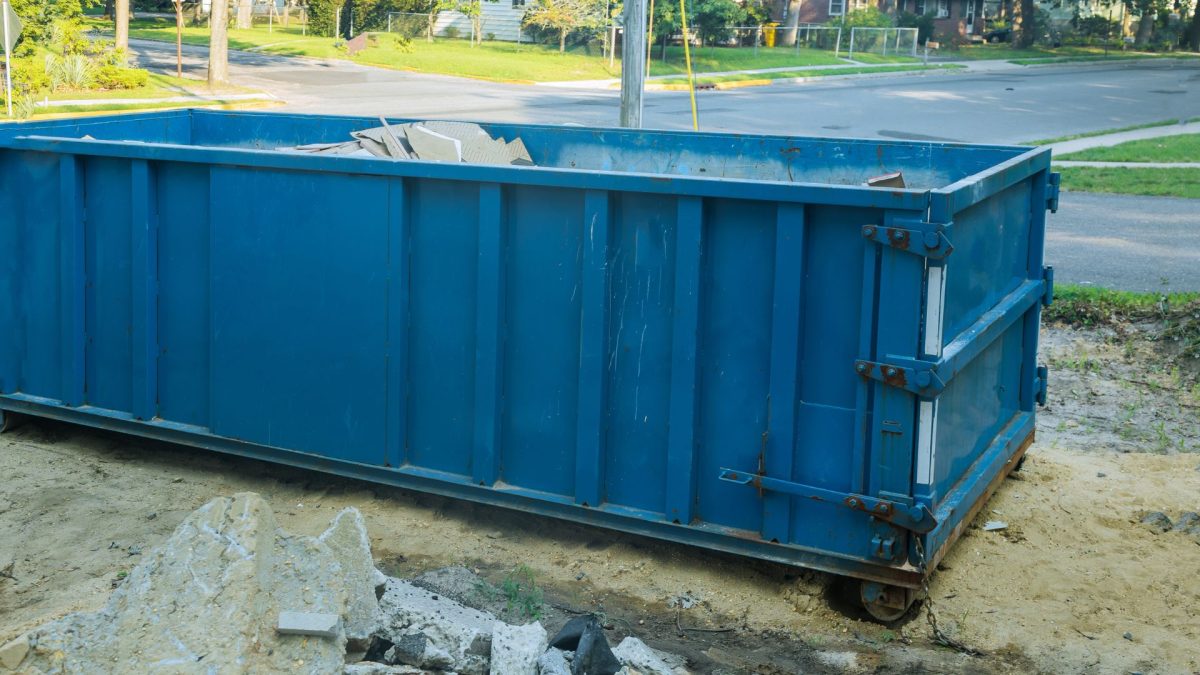
Removing concrete from a property is far from a simple chore. Its heavy and rigid nature means that breaking it down requires careful planning and the right tools. A poorly executed attempt can lead to injury or property damage, making professional insight essential. Beyond physical labor, understanding the structure and location of the concrete is critical. Driveways, patios, and sidewalks often contain reinforced steel bars, known as rebar, which require special handling. Ignoring these can damage equipment and make the removal process unnecessarily complicated. Safety gear, including gloves, goggles, and steel-toed boots, is a non-negotiable part of the process to prevent injuries from sharp fragments or flying debris.
Equally important is evaluating the disposal options available. Concrete cannot simply be discarded in regular trash bins due to its weight and environmental impact. Many municipalities have strict regulations on construction debris disposal, so planning ahead saves time and fines. Concrete can be recycled into gravel or used as filler in construction projects, which reduces landfill waste and aligns with sustainable practices. Preparing a clear plan for both removal and disposal ensures efficiency while minimizing stress. Doing so also maximizes the chance that heavy machinery or labor is used appropriately, making the entire process safer and faster for all involved.
Choosing the Right Tools for Breaking Concrete
Breaking concrete efficiently hinges on having the proper equipment. For small sections, sledgehammers and chisels may suffice, providing precision without the need for heavy machinery. Larger areas, however, often require power tools such as jackhammers or rotary hammers that can fracture concrete more effectively. Renting or borrowing these tools is a practical choice, but one must be knowledgeable in their operation to avoid injury. Additionally, wheelbarrows or carts help transport broken pieces safely, preventing strain and unnecessary accidents. The right combination of hand and power tools can significantly reduce physical stress and accelerate the removal process.

Another consideration is the workspace. Adequate ventilation and clear surroundings are necessary when using power tools to avoid dust inhalation and debris-related injuries. Dust masks and protective eyewear further ensure safety during the process. Organizing a systematic approach—starting from one edge and moving sequentially—prevents chaotic work zones. This method not only saves time but also protects landscaping, driveways, or neighboring structures. Efficient concrete removal relies on a balance between robust tools and disciplined workflow, both of which contribute to a smoother and safer operation.
Techniques for Breaking Up Concrete Safely
Breaking concrete without causing injury or unnecessary damage requires technique. Striking the concrete along natural cracks or weak points minimizes effort and risk. For reinforced concrete, locating and cutting the rebar is essential before applying force, reducing the chances of tool deflection and accidents. Controlled tapping rather than aggressive smashing allows better handling and less scattering of debris. A slow and methodical approach often outperforms brute strength, particularly when handling large slabs or uneven surfaces. By breaking concrete into manageable pieces, cleanup becomes simpler and transportation safer.
Another safe technique involves wetting the concrete surface slightly before breaking. This reduces dust and keeps fragments from becoming airborne hazards. Pairing this with layered protection, such as ground tarps or boards, prevents scratches on underlying surfaces and contains loose debris. Additionally, maintaining a steady rhythm and alternating workers if possible minimizes fatigue, which is a leading cause of accidents. Combining proper technique with precautionary measures ensures that even labor-intensive concrete removal can proceed with minimal risk and maximum efficiency, ultimately saving time and effort in both removal and disposal stages.
Removing Concrete in Driveways and Patios
Concrete removal from driveways or patios presents unique challenges due to size and location. These areas often have reinforcing bars and might be adjacent to landscaping, fences, or other structures. Starting from one edge and systematically progressing helps maintain control over the removal process. Smaller pieces are easier to lift and transport, preventing unnecessary strain. Planning the sequence of breaks and using appropriate tools ensures that the concrete is removed cleanly without harming surrounding property. Maintaining a consistent workflow also reduces the time spent on laborious lifting and moving.
Access to the site is another factor. Vehicles or equipment needed for hauling may require clear paths. Lifting concrete in sections using dollies or hoists prevents injuries and avoids damage to lawn or hardscape. Temporary storage areas for broken concrete keep the workspace organized and safer for all involved. By considering both site constraints and the structure of the concrete itself, homeowners or professionals can achieve removal efficiently. Proper organization, careful lifting, and adherence to safety protocols are key to making a daunting task more manageable and controlled.
Handling Reinforced Concrete and Rebar
Reinforced concrete, containing steel rebar, adds complexity to removal projects. Rebar can resist simple chiseling or hammering, making specialized cutting tools necessary. Bolt cutters, angle grinders, or cutting torches allow for precise removal of embedded steel, reducing labor and risk of damage to surrounding concrete. Handling rebar carefully also ensures safety, as exposed steel edges can cause injury. Knowing the layout and orientation of reinforcement before starting avoids surprises and streamlines the process.
Once cut, rebar can be separated from concrete and recycled, supporting environmentally responsible disposal. In many areas, recycling metal helps reduce landfill waste and may even offer a small financial return. Proper separation also eases transportation since steel and concrete have different weight distributions. Adopting a structured approach to reinforced concrete removal, focusing on both efficiency and safety, ensures that the job progresses smoothly while supporting sustainable practices. Careful handling, planning, and disposal maximize the benefits of this otherwise challenging task.
Transporting and Hauling Broken Concrete
Transporting broken concrete requires strategic planning due to its weight. Proper vehicles, such as trailers or dump trucks, prevent overloading and potential accidents. Distributing weight evenly in the vehicle ensures safer transportation and reduces wear on equipment. Workers should also follow safe lifting techniques when loading concrete, bending at the knees and avoiding back strain. Organizing pieces by size and weight can make loading more manageable and efficient. Handling concrete in smaller batches often saves energy and prevents injury.
Preparation for transportation includes checking local regulations for disposal and considering recycling centers that accept concrete. Securing loads with straps or nets ensures that fragments do not shift during transit, which could cause accidents. By planning the transport in advance, including the safest routes and drop-off points, the process becomes much smoother. Thoughtful logistics paired with disciplined lifting and loading techniques allow for safe and effective removal of concrete from residential or commercial sites, minimizing both time and risk.
Eco-Friendly Concrete Disposal Options
Concrete disposal has environmental implications, and choosing sustainable options reduces waste impact. Recycling concrete into aggregate for new construction projects keeps materials in circulation and reduces landfill usage. Local recycling facilities may accept broken concrete, sometimes offering discounts or incentives for large volumes. Reusing concrete as base material in landscaping, driveways, or erosion control also gives it a second life while cutting costs. Understanding local laws and facility requirements helps ensure compliant and responsible disposal.
Avoiding indiscriminate dumping is not only environmentally conscious but legally necessary. Unregulated disposal can result in fines or environmental harm. Partnering with a reputable service that prioritizes sustainability guarantees proper handling of concrete waste. Eco-friendly practices, from recycling to repurposing, help communities reduce their carbon footprint. By combining responsible disposal with proactive recycling, property owners can contribute to a cleaner, safer environment while effectively managing concrete removal challenges.
Cost Considerations for Concrete Removal
Concrete removal can be costly if unplanned, but understanding potential expenses helps avoid surprises. Labor, equipment rental, and transportation all contribute to total cost. Hiring professionals or renting specialized machinery is often more efficient than attempting a DIY approach, especially for large areas. Estimating the volume and weight of concrete in advance allows for more accurate budgeting, preventing last-minute adjustments or unexpected fees. Safety gear, permits, and disposal fees should also be included in cost calculations to provide a realistic view of overall expenses.
Proper planning and cost awareness also enable flexible scheduling and better resource allocation. By evaluating whether to rent equipment, hire labor, or combine both, homeowners can optimize efficiency and budget management. Choosing recycling or repurposing options may also lower disposal fees. Understanding cost components and potential challenges ensures that concrete removal proceeds smoothly, balancing financial considerations with safety, time, and environmental responsibility. Strategic planning, informed decision-making, and proper budgeting are essential to effective concrete removal projects.
Preparing the Worksite for Concrete Removal
A well-prepared worksite reduces risks and improves efficiency in concrete removal. Clearing surrounding areas of debris and obstacles prevents accidents and allows tools and machinery to move freely. Marking utility lines and ensuring access to water and electricity for power tools are essential steps. Providing adequate space for storing broken concrete keeps the workspace organized and safe. Good site preparation also minimizes delays and protects landscaping, structures, and other features from accidental damage during demolition.
Planning for cleanup is equally important. Laying tarps or protective sheets captures dust and small fragments, reducing post-job labor. Organizing personnel tasks and scheduling breaks ensures safety and prevents fatigue-related errors. By systematically preparing the worksite, workers can operate more effectively and safely. Proper planning and site organization support not only faster progress but also a higher standard of workmanship, creating a smoother experience from start to finish.
Avoiding Common Concrete Removal Mistakes
Concrete removal mistakes can be costly and dangerous. One common error is underestimating the strength and density of concrete, leading to insufficient tools or excessive effort. Ignoring rebar or failing to wear proper safety gear increases the risk of injury. Another frequent mistake is poor disposal planning, which can result in fines, environmental damage, or project delays. Awareness and proactive measures mitigate these risks and streamline the removal process.
Maintaining a consistent workflow and clear organization also prevents errors. Assessing the concrete for cracks, reinforcements, and obstacles before starting ensures that work proceeds efficiently. Proper tool selection, protective equipment, and disposal planning reduce physical strain and legal complications. By learning from common mistakes and adhering to safety and planning protocols, concrete removal becomes a more manageable, controlled, and environmentally responsible task. A strategic approach minimizes both risk and effort while maintaining high standards.
Conclusion
Concrete removal and disposal demand attention to detail, careful planning, and safety. With the weight, hardness, and sometimes reinforced structure, it is a physically challenging process. Ensuring the right tools, protective gear, and techniques allows the work to proceed smoothly, preventing injury and property damage. Incorporating eco-friendly disposal methods, including recycling and repurposing, further enhances the efficiency and environmental responsibility of the project. By approaching concrete removal with preparation and precision, both time and energy are conserved, creating a safer, more organized, and more efficient operation. In addition, understanding costs and site preparation requirements contributes to a well-executed removal experience.
For those in Palatine, IL seeking professional support, 24-7 Junk Removal offers expert services in concrete removal and disposal. Their team provides efficient, safe, and environmentally responsible solutions. Contact them at (773) 309-6966 or visit 611 W. Wise Schaumburg, IL 60193. With a commitment to effective junk removal practices and sustainable disposal, 24-7 Junk Removal ensures every project is handled with precision and care. Reach out via email at support@24-7junk.com to schedule your service and enjoy a smooth, stress-free experience with junk removal in Palatine.